
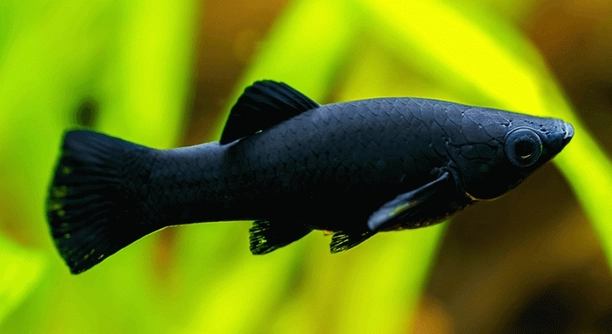
Black mollies are active and social fish that enjoy a stable environment. Moving decorations or rearranging their tank can change their daily routines. Observing how they respond can help you maintain a comfortable space for them.
Black mollies generally react to tank rearrangement with cautious exploration and temporary hiding. They may swim less actively at first, gradually adapting to new layouts while monitoring their surroundings for safety. Consistent observation helps ensure their stress remains minimal.
Noticing their initial reactions provides insight into their comfort levels. These responses can guide adjustments to create a more stable and enjoyable habitat for your fish.
Understanding Black Molly Behavior
Black mollies are naturally cautious and curious fish. When their tank is rearranged, they usually respond by swimming slowly around the new setup, inspecting each corner and decoration. Some may hide behind plants or decorations for a short period, especially if the changes are significant. Over time, they will gradually explore more confidently as they recognize familiar areas and safe spots. Watching their behavior closely helps you identify stress signs early, such as rapid gill movement, darting, or clinging to the bottom. Adjustments like adding hiding spaces or leaving some familiar structures can ease the transition. Feeding patterns may also be affected briefly, as they focus more on the new environment than eating. Consistency in lighting and water conditions will help them adapt more quickly. Gentle observation allows you to balance the rearrangement with their comfort, keeping them healthy and stress-free while maintaining an interesting tank environment.
Black mollies may hide for a few hours but usually adjust within a day or two.
By observing their response, you can decide which decorations work best. Gradual changes are better than sudden, drastic rearrangements. Adding familiar plants or objects helps mollies feel secure. Monitoring swimming and feeding ensures they are not stressed. Repeating small adjustments over time encourages natural exploration and builds confidence in their environment, making the tank a stable, enjoyable place for them to thrive.
Tips for Smooth Tank Rearrangement
Plan changes in stages, moving one section at a time. This approach reduces stress and confusion.
Slow, methodical adjustments prevent sudden panic. Introduce new items gradually and keep some areas familiar. Avoid moving the entire tank decor at once. Observe mollies closely after each change and note any signs of stress. If a fish hides excessively or avoids eating, consider returning some familiar objects temporarily. Keeping water parameters stable, including temperature, pH, and filtration, helps mollies feel secure. Lighting consistency also encourages normal activity. Incorporating familiar plants or rocks as anchors allows them to orient themselves. Feeding at usual times provides reassurance. Gradual rearrangement supports natural behavior, reduces aggression, and maintains a balanced social dynamic. Over time, mollies adapt and may even explore areas they previously ignored, showing increased confidence. The key is patience and careful observation to maintain a comfortable, stimulating environment. Proper planning ensures both the aesthetics of the tank and the well-being of your fish.
Minimizing Stress During Rearrangement
Moving decorations slowly helps black mollies stay calm. Sudden changes can make them hide or swim erratically. Keeping some familiar spots in place reduces their stress and allows them to explore safely at their own pace.
Adding new decorations gradually is key. Start with one item at a time, letting the fish adjust before introducing more changes. Observing their reactions after each addition ensures they remain comfortable. Removing or relocating too many objects at once can overwhelm them. Using soft plants and smooth decorations avoids injuries during investigation. Consistent water conditions and feeding schedules help mollies maintain a sense of security. Allowing quiet periods without disturbances gives them space to adapt naturally. Tracking their activity patterns helps in planning future rearrangements with minimal stress.
Monitoring behavior after each change is important. Note if they hide, swim nervously, or avoid food. Adjust the setup accordingly. Providing temporary shelters or familiar structures can calm them. Over a few days, most mollies regain confidence and explore fully. Keeping the environment stable afterward supports healthy routines, while gradual rearrangement strengthens their adaptability and reduces long-term anxiety.
Encouraging Exploration in New Layouts
Placing hiding spots near open swimming areas encourages mollies to explore. Balanced spaces make them feel safe while moving around freely.
Introduce a mix of tall and low plants, rocks, and open areas to create variety. Black mollies naturally explore, but too many changes at once can discourage movement. Observing how they interact with new items shows which arrangements they prefer. Temporary shelters allow hesitant fish to venture out slowly. Rotating decorations occasionally without removing familiar anchors keeps the environment stimulating. Feeding near new structures encourages exploration while maintaining comfort. Clean, well-oxygenated water and consistent lighting further support natural activity. Over time, mollies learn to navigate efficiently, showing increased confidence in swimming and social interactions. Carefully planned layouts create an engaging, safe habitat that promotes healthy behavior and curiosity.
Adjusting to Water Flow Changes
Black mollies notice changes in water currents after rearranging decorations. They may swim cautiously or stick to calmer areas until they adapt. Observing their movement helps ensure they remain comfortable and active.
Temporary hiding spots near slower currents can help mollies adjust. Over time, they usually resume normal swimming patterns and explore the entire tank confidently.
Feeding and Routine After Rearrangement
Tank rearrangement can temporarily affect feeding behavior. Some black mollies may eat less while exploring the new layout. Maintaining consistent feeding times helps them regain a sense of routine. Offering food near familiar areas encourages them to eat without stress. Gradually, they resume normal feeding habits.
Social Behavior Shifts
Black mollies may display slight social changes after tank rearrangement. They often regroup near familiar areas or hiding spots.
FAQ
How long does it take for black mollies to adjust after a tank rearrangement?
Adjustment usually takes a few hours to a couple of days. Some fish may explore quickly, while others hide initially. Providing familiar hiding spots and keeping water conditions stable helps them regain confidence faster. Gradual rearrangements shorten the adjustment period.
Will rearranging the tank stress my black mollies?
Yes, sudden changes can cause stress. Signs include hiding, erratic swimming, or reduced appetite. Stress can be minimized by moving decorations slowly, keeping some familiar spots intact, and maintaining consistent lighting and water conditions. Observation is key to preventing long-term anxiety.
Can I move all decorations at once?
It’s better to move decorations gradually. Changing everything at once can overwhelm mollies, causing excessive hiding or reluctance to eat. Introducing one item at a time lets them explore safely and adapt comfortably to the new layout.
Do black mollies recognize their environment?
Black mollies do recognize familiar areas. They remember hiding spots, feeding locations, and swimming paths. Keeping some structures consistent during rearrangement helps them orient themselves and feel secure, encouraging normal activity and exploration.
How can I encourage them to explore new areas?
Provide a mix of hiding spots and open swimming areas. Feeding near new decorations encourages movement. Rotating items gradually while keeping familiar anchors allows them to explore safely. Gentle observation ensures they are comfortable and reduces stress during exploration.
Will rearrangement affect their social behavior?
Yes, social interactions may shift temporarily. Some mollies may regroup near familiar structures or avoid dominant fish. Over time, they usually reestablish normal social patterns as they become familiar with the new layout. Providing multiple hiding spaces supports peaceful interactions.
Is it safe to rearrange plants and rocks?
Yes, but handle decorations carefully. Smooth edges prevent injuries, and gradual placement reduces stress. Avoid overloading the tank or creating strong currents that could disturb mollies. Balance open areas with hiding spots to support natural swimming and resting behaviors.
What signs show that mollies are stressed after changes?
Signs include hiding for long periods, erratic swimming, reduced appetite, clamped fins, or staying near the bottom. Temporary stress is normal, but persistent signs indicate that the environment may need adjustment or additional hiding spots.
How often can I safely rearrange the tank?
Frequent small adjustments are better than sudden, large changes. Minor rotations of decorations or plants every few weeks keep the tank interesting while allowing mollies to adapt comfortably. Avoid major rearrangements too often to reduce stress.
Can tank rearrangement affect feeding habits?
Yes, some mollies may eat less while exploring new layouts. Feeding near familiar spots and keeping feeding times consistent encourages normal eating patterns. Most mollies resume regular feeding within a day or two once they adjust to the changes.
Should I change water during rearrangement?
Major water changes are not necessary during rearrangement, as sudden changes in water parameters can increase stress. Maintaining consistent temperature, pH, and cleanliness is more important. Minor water adjustments can be done if needed but keep conditions stable.
How do I know if my mollies are adapting well?
Watch their activity levels, swimming patterns, and feeding behavior. Normal exploration, resuming social interactions, and regular eating indicate they are adapting well. Persistent hiding or stress signs suggest the need for more familiar spots or slower adjustments.
Can rearrangement improve tank engagement?
Yes, gradual changes and added hiding spots stimulate natural behaviors. Mollies may explore new areas, interact with decorations, and display curiosity, keeping them active and engaged. Careful planning ensures both comfort and enrichment.
Is it necessary to rearrange frequently?
Frequent rearrangement is not necessary. Occasional small changes provide enrichment, but stability is more important for comfort. A balance of consistency and minor adjustments helps mollies stay active without unnecessary stress.
How do I make rearrangement less stressful?
Move one decoration at a time, leave familiar spots, keep water stable, and feed consistently. Observe their reactions and provide temporary shelters if needed. Patience and gradual adjustments ensure mollies explore safely and maintain normal behavior patterns.
What should I do if mollies hide too long?
If hiding persists beyond a day or two, add familiar objects, reduce disturbances, and check water conditions. Persistent hiding may indicate stress or poor tank conditions, so gradual adjustments and reassurance are necessary for their comfort.
Can rearrangement affect breeding behavior?
Yes, major changes can temporarily reduce activity or interest in breeding. Providing stable hiding spots, consistent feeding, and a familiar layout helps mollies regain confidence and resume normal reproductive behavior over time.
Are black mollies more sensitive than other fish to rearrangement?
They can be more sensitive due to their social and curious nature. Rapid changes can cause stress more easily than in less active species. Gradual adjustments and attention to hiding spots help them adapt smoothly and maintain healthy routines.
Does tank size influence how mollies react?
Yes, in smaller tanks, rearrangement has a greater impact because space is limited. Larger tanks allow more exploration and safer hiding options, making transitions smoother. Providing sufficient space reduces stress and encourages natural swimming behavior.
How do decorations affect their adjustment?
Smooth plants, rocks, and ornaments provide shelter and reduce stress. Sharp or unstable items can cause injury or fear. Proper placement balances open swimming areas with hiding spots, supporting exploration and comfort. Observing preferences helps refine future arrangements.
Can rearrangement trigger aggression?
Temporary aggression may occur if mollies feel insecure. Adding multiple hiding spots and keeping familiar structures minimizes conflicts. Over time, normal social hierarchy is reestablished as they adapt to the new layout.
How long before they explore the entire tank?
Exploration varies by individual, but most mollies resume full activity within one to three days. Gradual rearrangement, familiar anchors, and observation support faster adaptation and encourage confident swimming throughout the tank.
Is it necessary to rearrange at all?
Rearrangement is optional but can enrich their environment. Careful, gradual changes prevent stress while promoting curiosity and natural behaviors. Too frequent or drastic changes should be avoided to maintain stability and comfort.
What role does hiding space play in adaptation?
Hiding spaces provide security during transitions. Mollies feel safer exploring when they know a shelter is nearby. Plants, caves, or decorations allow gradual adaptation and reduce stress while maintaining normal activity.
How do I balance aesthetics and comfort?
Arrange decorations to create open swimming areas and safe hiding spots. Gradually introduce changes while keeping familiar anchors. Balance visual appeal with functional spaces to support activity, exploration, and reduced stress in black mollies.
Are some mollies more sensitive than others?
Yes, individual personalities vary. Shyer fish may take longer to explore, while confident ones adjust quickly. Observing each fish helps tailor rearrangement to suit their comfort levels, ensuring a balanced, low-stress environment.
Can rearrangement improve overall health?
Yes, when done gradually, it encourages movement, exploration, and mental stimulation. A stimulating yet secure environment supports physical activity, reduces boredom, and maintains healthy social interactions, contributing to overall well-being.
What if mollies react negatively despite precautions?
If stress persists, revert some changes and provide familiar structures. Check water quality, reduce disturbances, and introduce adjustments slowly. Patience and careful observation ensure mollies regain confidence and adapt safely over time.
How does lighting affect adaptation?
Consistent lighting helps mollies navigate and feel secure. Sudden changes in brightness or duration can increase stress. Gradual light adjustments or keeping lighting stable during rearrangement supports normal behavior and exploration.
Can rearrangement affect water parameters?
Minor movements usually do not, but large substrate changes or decorations may stir debris. Monitor water quality, perform small adjustments if necessary, and maintain stable conditions to prevent stress or health issues.
Do black mollies need time to adjust after every small change?
Yes, even minor changes can cause brief stress. Observing their reaction ensures they remain comfortable. Most adapt within hours, but providing familiar spots and maintaining consistency helps ease transitions efficiently.
How can I track their adaptation progress?
Observe swimming patterns, feeding behavior, and social interactions. Note hiding duration and exploration frequency. Regular monitoring helps identify stress early and guides further adjustments to ensure a safe, comfortable environment for your mollies.
Is rearrangement better during the day or night?
Daytime rearrangement is preferable because mollies are active and can explore gradually. Night changes may cause unnecessary stress as they are less active and may hide excessively, delaying adaptation.
Can rearrangement be combined with other tank maintenance?
Yes, but avoid major water changes or cleaning that disrupts stability simultaneously. Gradual decor adjustments with minimal disturbance allow mollies to adapt while keeping the tank healthy. Separate maintenance tasks reduce stress and maintain routine.
Does rearrangement affect feeding order or hierarchy?
Temporarily, dominant fish may claim preferred feeding areas. Providing multiple feeding spots and maintaining familiar locations minimizes competition. Normal hierarchy usually resumes once mollies adjust to the new layout.
How often should I monitor after changes?
Frequent observation for the first few days is important. Note behavior, feeding, and social interactions. Adjust the setup gradually if stress signs persist, ensuring mollies regain confidence and maintain normal activity.
Are there signs of long-term stress from rearrangement?
Persistent hiding, loss of appetite, fin clamping, or aggressive behavior can indicate long-term stress. Prompt adjustments, stable water conditions, and familiar structures help mollies recover and prevent chronic issues.
What if some fish adapt faster than others?
Provide multiple hiding spots and open areas to accommodate different personalities. Avoid forcing slower fish to explore. Gradual introduction and consistent observation help all mollies adjust at their own pace comfortably.
Can rearrangement affect breeding or fry survival?
Yes, sudden changes can stress adults, reducing breeding activity. Stable hiding spots and familiar structures help maintain reproductive behavior. Fry benefit from consistent, secure spaces to explore without disturbance.
Is there a difference between rearranging live plants and artificial decorations?
Live plants require careful handling to avoid uprooting or damaging them. Mollies may use live plants for hiding, so gradual changes are important. Artificial decorations are easier to move but still benefit from a slow, staged approach to reduce stress.
How do I know when to stop adjusting the tank?
Stop rearranging once mollies explore confidently, feed normally, and resume regular social behaviors. Frequent or drastic changes beyond this point can cause unnecessary stress and disrupt established routines.
Can rearrangement encourage natural behaviors?
Yes, careful and gradual changes stimulate exploration, hiding, and social interaction. Providing variety while keeping familiar anchors supports active, healthy behavior and reduces stress, promoting a more dynamic and engaging tank environment.
How important is patience during rearrangement?
Patience is essential. Rushing the process increases stress and may lead to injury or long-term anxiety. Observing reactions, making gradual changes, and allowing adjustment time ensures mollies feel safe and maintain normal behaviors.
Can rearrangement reduce boredom in the tank?
Yes, minor adjustments create new areas to explore and stimulate curiosity. Balancing new items with familiar structures maintains security while encouraging activity, improving mental stimulation and overall well-being for black mollies.
What is the best overall approach?
Gradual, staged changes with familiar anchors, stable water, consistent lighting, and observation. Providing hiding spots, feeding near familiar areas, and allowing individual adaptation ensures mollies remain healthy, active, and comfortable while keeping the tank engaging.
How do I combine rearrangement with social harmony?
Ensure multiple hiding spots, balance open swimming areas, and avoid drastic changes. Observing interactions helps prevent conflicts. Gradual adjustments maintain social order and minimize stress, supporting peaceful cohabitation among all fish in the tank.
Can I rearrange during breeding periods?
Major rearrangements are not recommended. Minor adjustments should be done carefully to avoid stressing adults or fry. Stability and familiar hiding spots support successful breeding and fry survival.
How do I know if rearrangement is beneficial?
Positive signs include confident exploration, normal feeding, increased activity, and healthy social interactions. Mollies showing curiosity while remaining calm indicate the environment is enriching without causing stress.
Are black mollies more reactive to rearrangement than other livebearers?
They can be slightly more sensitive due to their active and social nature. Gradual, careful changes help them adapt smoothly while maintaining confidence and normal behavior, unlike less active species that may not react as strongly.
Does rearrangement affect tank mates?
Yes, other species may also experience brief stress or changes in behavior. Providing multiple hiding spots and gradual adjustments helps all tank inhabitants adapt without disruption. Monitoring interactions ensures harmony during the transition.
Is it okay to rearrange during feeding time?
Avoid major changes during feeding. Mollies may become stressed and eat less. Gradual rearrangement between feeding sessions keeps routines intact and reduces anxiety, supporting normal feeding behavior.
How do I combine aesthetic goals with fish comfort?
Plan layouts that create open swimming spaces, secure hiding spots, and visual variety. Introduce new decorations gradually while keeping familiar anchors. Observation ensures mollies feel safe while the tank remains visually appealing.
Can rearrangement help shy mollies become more confident?
Yes, gradual exposure to new areas with nearby hiding spots encourages exploration. Patience and consistency allow shy individuals to build confidence at their own pace, improving overall activity and social interaction.
Should I make notes during rearrangement?
Yes, tracking each fish’s reaction helps plan future changes, identify stress signs, and ensure successful adaptation. Recording feeding, hiding, and exploration patterns provides insight into individual preferences and comfort levels.
Does rearrangement affect nighttime behavior?
Changes are less impactful at night since mollies are less active. Major moves should be done during the day to allow gradual exploration and reduce nighttime stress. Stable lighting helps maintain normal night cycles.
How do I handle sudden extreme reactions?
If a fish panics or injures itself, pause the rearrangement, provide shelter, and monitor closely. Check water conditions and return some familiar objects if needed. Gradual adjustments should resume only when the fish shows signs of calm and normal behavior.
Can rearrangement help with territorial disputes?
Yes, adding hiding spots and dividing open areas reduces conflict. Balanced layouts allow subordinate fish to escape dominant individuals, minimizing stress and maintaining social harmony within the tank.
Is rearrangement suitable for all tank sizes?
Yes, but smaller tanks require more careful planning. Limited space means changes have a bigger impact, so gradual adjustments and maintaining familiar spots are even more important to avoid stress.
How do I combine rearrangement with cleaning?
Separate tasks if possible. Avoid large water changes or substrate cleaning simultaneously with major decor moves. Gradual rearrangement while maintaining cleanliness minimizes stress and keeps routines intact.
Does rearrangement affect aggression between males?
Temporary aggression may occur if space or hiding spots are reduced. Providing multiple shelters and open areas helps males coexist peacefully until normal social order is restored.
What is the most common mistake during rearrangement?
Moving everything at once or removing familiar hiding spots. Sudden, drastic changes increase stress, reduce feeding, and can lead to long-term anxiety. Gradual, staged adjustments are far more effective for maintaining comfort.
Can rearrangement affect water circulation?
Yes, moving decorations may change currents or block flow. Ensure proper filtration and open swimming areas remain to avoid stressing mollies or disrupting oxygen distribution in the tank.
How do I balance novelty with security?
Introduce new items gradually while keeping familiar anchors. Ensure hiding spots and open spaces remain accessible. Observing mollies’ reactions ensures they explore without feeling unsafe, maintaining comfort and mental stimulation.
Are there signs mollies enjoy new layouts?
Confident swimming, exploring new decorations, and maintaining feeding routines indicate they are comfortable and curious. Increased activity and interaction with other fish also show positive adaptation to the rearranged tank.
How can I use rearrangement as enrichment?
Gradual, thoughtful changes stimulate exploration and curiosity. Adding new hiding spots, open areas, or minor decorations encourages natural behaviors, providing mental and physical enrichment while keeping the environment safe and secure.
What if mollies refuse to explore new areas?
Provide nearby hiding spots, introduce changes slowly, and observe. Some individuals are naturally cautious. Gradual exposure allows them to adapt at their own pace without causing unnecessary stress.
Can rearrangement improve tank aesthetics without harming fish?
Yes, careful planning, gradual placement, and maintaining familiar spots ensure visual improvements while supporting mollies’ comfort. Combining safety, exploration, and appearance results in a pleasing, low-stress environment.
How do I know when to stop making changes?
Once mollies explore confidently, feed normally, and interact socially, further rearrangement is unnecessary. Continuing to change the tank frequently can cause stress, so stability should take priority after successful adaptation.
Are black mollies sensitive to abrupt movement of plants?
Yes, sudden plant movement can startle them. Move items slowly, allowing fish to adjust and use hiding spots as needed. Gradual changes reduce stress and encourage normal exploration.
Can rearrangement prevent boredom for active fish?
Yes, minor adjustments and new hiding spots encourage activity and curiosity. Combining novelty with familiar structures keeps black mollies engaged without overwhelming them, supporting healthy behavior and mental stimulation.
What is the safest way to rearrange decorations?
Move one item at a time, keep familiar areas intact, provide hiding spots, and maintain stable water and lighting. Gradual adjustments with careful observation ensure mollies remain comfortable and active.
Do black mollies need reassurance during changes?
Indirect reassurance comes from familiar spots, consistent feeding, and stable conditions. Providing nearby shelters allows hesitant fish to explore confidently, helping them feel secure without direct interaction.
How do I handle multiple sensitive fish during rearrangement?
Ensure multiple hiding spots and open swimming areas. Introduce changes gradually and monitor each fish individually. Allow slower or shy individuals extra time to adjust, reducing stress across the group.
Does rearrangement affect long-term health?
When done carefully, it improves activity and mental stimulation, benefiting overall health. Sudden or frequent changes may cause stress, potentially impacting appetite and immunity. Gradual adjustments maintain both comfort and engagement.
Can rearrangement help integrate new fish?
Yes, adding new decorations or rearranging existing ones can create neutral territory. Multiple hiding spots reduce aggression and help new fish acclimate without stress, supporting smoother integration into the tank.
How do I combine rearrangement with seasonal changes?
Minor adjustments to lighting, temperature, or decoration placement can be incorporated gradually. Maintaining familiar anchors and hiding spots ensures mollies adapt without stress while seasonal changes are implemented safely.
Are black mollies adaptable to frequent minor changes?
Yes, they can tolerate small, gradual adjustments. Frequent drastic changes should be avoided, but minor updates keep the tank stimulating while allowing mollies to explore safely and comfortably.
Can rearrangement impact fry survival?
Yes, sudden changes can stress adults and fry. Maintain stable hiding spots and gradual adjustments to minimize risk, ensuring a safe environment for both fry and adults during tank changes.
**
Black mollies are active and curious fish that respond noticeably to changes in their environment. Rearranging their tank can temporarily alter their routines, and their reactions are important to observe. Most mollies will start cautiously, exploring new spaces slowly and hiding when they feel uncertain. Providing familiar objects or decorations during the transition helps them feel more secure, allowing them to adjust with minimal stress. Their responses may vary depending on individual personality and temperament, with some fish exploring quickly while others take longer. Patience is key in helping them adapt successfully.
Gradual rearrangement is the best approach for maintaining the comfort of black mollies. Moving one decoration or plant at a time allows them to familiarize themselves with each new element. Open swimming areas should remain available, and hiding spots should be included to offer security. Feeding routines should be kept consistent, as changes in environment may briefly distract them from eating. Observing behavior closely can provide insights into their comfort levels. Signs such as hiding for extended periods, erratic swimming, or reduced appetite indicate stress and may suggest slowing down the rearrangement process. By introducing changes thoughtfully and monitoring their response, you can ensure they adapt naturally without disruption to their normal behaviors.
Tank rearrangement, when done carefully, can provide enrichment and stimulation for black mollies. New decorations or subtle adjustments in layout encourage exploration, mental engagement, and physical activity, which are important for their overall well-being. Maintaining stable water conditions, consistent lighting, and secure hiding places throughout the process supports confidence and reduces stress. It is also important to consider social dynamics; multiple hiding spots and open swimming areas help reduce conflicts and allow shy or less dominant fish to explore at their own pace. Over time, mollies usually regain confidence, resume normal feeding, and interact comfortably with their environment and tank mates. Thoughtful, gradual changes create a stimulating yet safe habitat, ensuring that both their physical and behavioral needs are met while maintaining a balanced and visually appealing tank.

Hello,
If you enjoy the content that we create, please consider saying a "Thank You!" by leaving a tip.
Every little bit helps us continue crafting quality advice that supports the health, happiness, and well-being of pets around the world, for pets of all shapes, sizes, and species.
We really appreciate the kindness and support that you show us!