
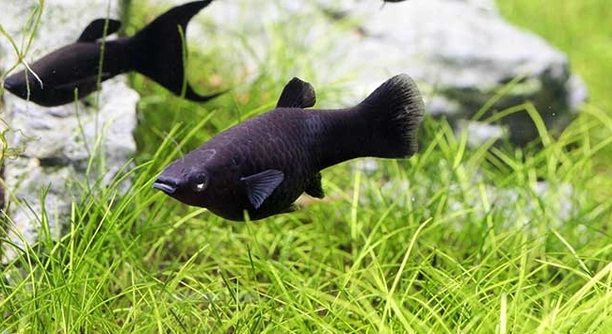
Black Mollies are lively, social fish that thrive in balanced environments. Sometimes, even the friendliest fish may need extra space to swim comfortably and feel secure in their tank. Observing their behavior closely is important.
Signs that a Black Molly requires more space include frequent hiding, aggressive swimming patterns, fin nipping, reduced activity, sudden color fading, irregular feeding behavior, and excessive surface gasping. Each of these indicators reflects stress from overcrowding or restricted swimming areas.
Providing adequate space is crucial for your Black Molly’s well-being and overall health. Recognizing these signs early helps maintain a harmonious and thriving aquarium environment.
Frequent Hiding
Black Mollies may suddenly spend more time hiding when their tank feels cramped. They often retreat to corners, behind decorations, or under plants, avoiding open water. This behavior is not just shyness; it’s a stress response to insufficient space. Overcrowding can limit swimming freedom, making fish feel threatened. Hiding reduces their exposure to perceived danger but can also prevent them from feeding properly. Prolonged hiding may lead to slower growth or weakened immune systems. Observing when and how often your Molly hides helps you gauge whether their environment is too tight. You may notice certain times of the day when they seek cover more frequently, especially after tank cleaning or during feeding. Adjusting the tank setup or upgrading to a larger tank can encourage more active and confident behavior. Allowing sufficient swimming space improves overall health and reduces stress-related hiding tendencies.
Frequent hiding is an early sign of stress and the need for more swimming space. It affects their activity and appetite.
Making adjustments to tank size and structure can help your Black Mollies feel secure. Increasing open swimming areas and rearranging decorations can encourage them to explore rather than hide constantly, supporting their natural behaviors.
Aggressive Swimming Patterns
Aggressive or erratic swimming can indicate that a Black Molly feels confined. When space is limited, they may chase tankmates, dart quickly, or bump into objects repeatedly. These behaviors often escalate with multiple fish competing for limited territory. Even normally calm Mollies can become more assertive, displaying bursts of energy that seem unusual for their typical temperament. Overcrowded tanks prevent proper personal space, leading to tension and stress. By watching swimming patterns closely, you can determine if aggression is linked to environmental restrictions. Tank enrichment alone may not resolve the issue if the space itself is too small. Providing additional room helps mollies establish their own areas, reducing confrontations and promoting calmer behavior. Monitoring interactions regularly ensures that no fish suffers from constant harassment or stress, ultimately contributing to healthier, more balanced aquarium dynamics.
Aggressive swimming is a clear signal your Black Molly may be stressed due to limited space. It can harm both the fish and their tankmates.
Increasing tank size, rearranging decorations, and creating defined zones for each fish can help reduce aggression. Ensuring each Molly has room to swim freely minimizes conflicts, supports healthy growth, and maintains a stable social environment. Observing and adjusting their habitat proactively prevents long-term stress and potential injury.
Fin Nipping
Fin nipping often occurs when Black Mollies feel confined. They may bite the fins of tankmates out of frustration or stress. Limited space prevents them from escaping conflicts, increasing aggressive interactions.
Repeated fin nipping can lead to torn fins and infections. In a crowded tank, fish cannot maintain personal space, heightening tension and triggering this behavior. Even minor nibbling can escalate if the environment remains restrictive. Addressing tank size, providing hiding spots, and ensuring proper swimming room reduces fin nipping. Observing which fish are most affected helps identify patterns and adjust the tank layout to prevent repeated harm. A balanced environment supports natural behaviors and reduces aggression.
Managing fin nipping requires attention to both the number of fish and the tank’s dimensions. Expanding swimming space, rearranging decorations, and monitoring fish interactions helps prevent injuries and stress. Consistent observation ensures the Mollies thrive in a calmer, healthier setting.
Reduced Activity
Reduced activity is a common sign of stress in Black Mollies. They may linger near the bottom, avoid open water, or show slower responses to feeding. Constricted space limits movement and discourages natural exploration.
When Black Mollies cannot swim freely, their exercise levels drop, affecting growth, muscle tone, and overall health. Crowded conditions increase stress hormones, causing lethargy and disinterest in interacting with other fish or their environment. Over time, inactivity can make them more vulnerable to disease, as weak immune systems struggle to respond. It is essential to recognize reduced activity early and assess tank size, population density, and available swimming areas. Even minor increases in space can restore energy levels and promote more natural movement. A well-spaced tank encourages healthier, more active fish.
Providing proper space, removing overcrowding, and adding open swimming areas helps Black Mollies regain activity. Regular monitoring ensures they maintain normal movement patterns. Adjusting the tank environment prevents long-term lethargy and supports their physical and mental well-being.
Sudden Color Fading
Black Mollies may lose their vibrant color when stressed from limited space. Dull or pale hues often signal discomfort, illness, or overcrowding.
Color fading is a direct response to stress and can indicate that the fish are not thriving. Increasing tank space helps restore natural coloration and overall health.
Irregular Feeding Behavior
Mollies that feel cramped may eat less or compete aggressively during feeding. Some may hide food, while others ignore meals entirely. This behavior often signals stress caused by insufficient swimming room or territorial disputes. Regular observation of feeding patterns can reveal which fish are affected. Ensuring enough space and reducing competition during feeding encourages consistent eating habits, supports growth, and prevents malnutrition. Adjusting tank layout, providing multiple feeding spots, and maintaining proper population density helps mollies feed comfortably and reduces stress. Over time, proper space improves appetite and stabilizes social interactions during mealtime.
Excessive Surface Gasping
Surface gasping occurs when oxygen levels feel inadequate due to overcrowding. Mollies may linger near the water surface more than usual, struggling to get enough oxygen.
Providing additional swimming space and proper aeration can reduce surface gasping, supporting healthy respiration and preventing long-term stress.
How much space does a Black Molly need?
A single Black Molly requires at least 20 gallons of water to thrive. Each additional Molly needs extra space to swim freely and avoid stress. Crowded tanks lead to aggression, hiding, and reduced activity. Providing open areas and removing unnecessary decorations ensures they have enough room to move. Proper space also helps maintain water quality, as overcrowding can cause rapid waste accumulation. Observing your fish’s behavior gives clues about whether the tank feels too small. If Mollies chase each other, hide constantly, or show dull colors, it’s a sign that they need more space.
What are the signs my Black Molly is stressed from overcrowding?
Stress manifests in several ways. Common signs include frequent hiding, chasing or fin nipping, reduced activity, sudden color fading, irregular feeding habits, and surface gasping. Watching how your fish interact and behave daily can help identify overcrowding issues early. Stress can weaken their immune system, making them more susceptible to illness. Addressing the problem promptly by increasing tank size or reducing the number of fish prevents long-term health problems. Proper observation combined with adjustments to the tank environment ensures Mollies maintain normal behavior and vibrant coloration.
Can I keep multiple Black Mollies in the same tank?
Yes, but the tank must be large enough to accommodate them comfortably. A general rule is 20 gallons for the first Molly and 10 additional gallons for each extra fish. Overcrowding increases stress, aggression, and disease risk. Providing plants, hiding spots, and open swimming areas helps balance social interactions. Monitor their behavior regularly to ensure they are not competing for space. Even peaceful fish can become aggressive in cramped conditions. Maintaining proper filtration and performing regular water changes also supports a healthy environment for multiple Mollies.
What changes should I make if my Black Molly shows signs of stress?
First, evaluate the tank size. If it’s too small, upgrading to a larger tank is the most effective solution. Rearranging decorations to create more open space can also reduce tension. Ensure each fish has access to feeding areas and hiding spots. Monitor water quality closely, as poor conditions exacerbate stress. Reducing population density or separating aggressive individuals temporarily may be necessary. Observing their recovery helps confirm that changes are effective. Minor adjustments in layout or tankmates can make a significant difference in behavior and health.
How does tank layout affect a Black Molly’s stress levels?
Crowded or poorly arranged tanks limit swimming freedom and increase confrontations. Open swimming areas, plants for cover, and defined territories help reduce stress. Avoid overcrowding decorations that block movement. Even simple changes, like spacing plants apart or creating swim zones, can encourage natural behavior. Mollies feel more secure when they can establish personal space, move freely, and access both shelter and open water. Proper layout also supports feeding habits and reduces aggression, ultimately promoting a calmer and healthier tank environment.
Is water quality linked to Black Molly stress?
Absolutely. Overcrowded tanks tend to accumulate waste quickly, reducing oxygen and raising toxins. Poor water quality contributes to surface gasping, color fading, and irregular feeding. Regular water changes, proper filtration, and monitoring parameters like ammonia, nitrites, and nitrates are essential. Clean water improves behavior, encourages activity, and supports immune function. Even if tank size is adequate, failing to maintain water quality can mimic signs of overcrowding. Maintaining a stable, healthy environment is critical to keeping Black Mollies stress-free and vibrant.
How can I prevent aggression in Black Mollies?
Ensuring adequate space is the primary factor. Avoid overcrowding and provide hiding spots for weaker fish. Balanced group sizes and compatible tankmates reduce conflicts. Feeding multiple areas prevents competition during meals. Observing swimming patterns and separating aggressive individuals temporarily helps maintain harmony. Minor adjustments in tank setup and population density can prevent escalation of aggressive behaviors and support calmer interactions.
What’s the best way to introduce new Black Mollies to an existing tank?
Acclimate new fish slowly to reduce stress. Float them in the tank to equalize temperature, then gradually mix small amounts of tank water over time. Avoid adding too many at once to prevent overcrowding. Observe interactions closely and provide extra hiding spots. Ensuring sufficient swimming space and monitoring behavior prevents aggression and helps the new Mollies settle without stress. Proper introduction supports overall tank harmony and encourages healthy social behavior.
How often should I monitor my Black Mollies for signs of stress?
Daily observation is ideal. Watch for changes in behavior, activity, feeding, and color. Minor stress signs can escalate quickly if ignored. Consistent monitoring helps identify overcrowding, aggression, or environmental issues early. Maintaining logs of behavior and tank conditions allows you to detect patterns and make informed adjustments. Prompt attention ensures Mollies remain healthy, active, and vibrant.
Can Black Mollies adapt to smaller tanks?
They may survive, but long-term health suffers in cramped spaces. Stress increases, colors fade, and aggression rises. Reproductive behavior may also be affected. While temporary confinement is sometimes unavoidable, a proper-sized tank is necessary for optimal growth, activity, and overall well-being. Regularly evaluating space and population prevents chronic stress.
This FAQ provides practical steps and observations to ensure Black Mollies remain healthy, active, and stress-free in their tank environment.
Ensuring your Black Mollies have enough space is essential for their health and happiness. These fish are active swimmers and naturally social, so a cramped tank can quickly lead to stress and behavioral problems. Stress in Mollies often shows up as hiding, color fading, reduced activity, or fin nipping. Observing these behaviors early helps prevent long-term health issues. Providing a proper tank size, with at least 20 gallons for the first Molly and additional space for each extra fish, allows them to swim freely and interact comfortably. Overcrowded tanks not only limit swimming space but also affect water quality. Accumulated waste from too many fish can increase toxins, lower oxygen levels, and contribute to further stress. By maintaining adequate space, you support natural behaviors, healthier immune systems, and more vibrant colors. Regular observation and care help you detect early signs of discomfort and take appropriate action.
Creating a well-organized tank layout is equally important. Black Mollies need a balance between open swimming areas and places to retreat. Plants, decorations, and hiding spots provide shelter and reduce stress, while leaving enough open space allows natural movement and reduces aggressive encounters. Rearranging decorations or adding new structures occasionally can also encourage exploration and maintain a dynamic environment. Feeding should be managed to prevent competition, with multiple feeding spots so all fish have access to food without confrontation. Proper filtration and regular water changes are essential to maintain a clean, healthy environment. Even minor improvements to tank design and maintenance can have a noticeable impact on their well-being. Thoughtful planning ensures each fish has space to thrive, interact safely, and display natural behaviors without feeling threatened.
Monitoring your Black Mollies’ behavior consistently is crucial. Signs such as surface gasping, irregular feeding, or excessive hiding indicate that the tank may not meet their needs. Acting promptly to address overcrowding, improve water quality, or adjust the layout can restore their health and comfort. Even small steps, like increasing swimming space, creating separate zones, or adding gentle aeration, can reduce stress significantly. Maintaining the right environment ensures that your Mollies remain active, vibrant, and social. Over time, this attention to space, layout, and water quality helps prevent aggression, supports growth, and improves overall longevity. A tank that prioritizes proper space and structure not only benefits the fish but also creates a more enjoyable and harmonious experience for anyone caring for them. By understanding their needs and making adjustments when necessary, you can provide an environment where Black Mollies thrive naturally and display their full range of behaviors.

Hello,
If you enjoy the content that we create, please consider saying a "Thank You!" by leaving a tip.
Every little bit helps us continue crafting quality advice that supports the health, happiness, and well-being of pets around the world, for pets of all shapes, sizes, and species.
We really appreciate the kindness and support that you show us!