
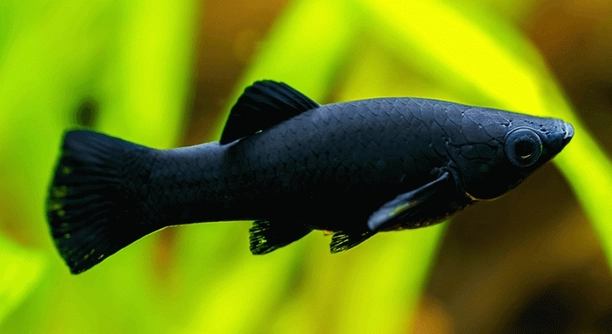
Do you enjoy watching your aquarium but notice your Black Molly sometimes seems to behave strangely near the glass? These small, black fish have unique ways of interacting with their environment and their reflections.
Black Mollies can react to reflections in mirrors or glass. They may display curiosity, swim toward, or even show territorial behavior when they perceive their reflection as another fish, though reactions can vary depending on the individual fish’s temperament.
Observing these behaviors can reveal interesting insights about your fish’s natural instincts and social tendencies within the tank environment.
Why Black Mollies Notice Reflections
Black Mollies are highly visual fish, which makes reflections in the tank particularly interesting to them. When they see themselves in glass or mirrors, they may react as though encountering another fish. This response is often stronger in males, who can display territorial behavior, swimming quickly toward the reflection or flaring their fins. Female Black Mollies may show curiosity or mild aggression, though it is generally less intense than males. The reaction is not harmful, but it is a natural expression of instincts shaped by their social interactions and survival behaviors. Over time, some Black Mollies may become habituated to seeing their reflection and react less strongly. Tank placement, lighting, and the presence of other fish can also influence their reactions. Understanding these factors helps in managing their behavior and creating a calm environment, which supports overall health and reduces stress for all tank inhabitants.
Black Mollies’ reactions to reflections can vary, but it is mostly about instinct and environmental awareness.
Watching their behavior reveals patterns in how they perceive other fish, their surroundings, and their own presence. By observing carefully, you can notice differences in response between individual fish, which can indicate personality, dominance, and comfort levels. For instance, some Black Mollies may swim alongside their reflection calmly, seeming to recognize it is not a threat, while others react with quick darting movements, flaring fins, or occasional chasing behaviors. Providing hiding spots and varied tank decorations can help reduce stress caused by repeated reflection interactions. Reactions may also change over time as fish adjust to their environment and tankmates. The reflection response is an opportunity to better understand how Black Mollies communicate visually, assert territory, and explore their surroundings safely within the confines of a home aquarium. Careful observation ensures that these behaviors are normal and do not indicate distress or illness.
Managing Reflection Reactions
Simple tank adjustments can help reduce strong reactions to reflections.
Covering parts of the tank, changing lighting angles, or adding plants can lessen the intensity of reflections.
Black Mollies are sensitive to what they see, and strong reflections can sometimes cause unnecessary stress or territorial displays. Reducing reflective surfaces, rearranging decorations, or angling the tank away from bright windows can limit these interactions. Using floating plants or background images also helps minimize constant reflection exposure. Providing more space in the tank allows fish to establish natural swimming patterns and territories without constant interference from perceived intruders. Observing their behavior after changes can guide additional adjustments, such as adding more hiding spots or rearranging tank items to break sight lines. By managing reflections thoughtfully, you support calmer interactions between fish, reduce aggression, and create an environment where Black Mollies feel secure. These small interventions make a noticeable difference in their daily behavior and overall well-being.
How Reflections Affect Behavior
Reflections can trigger different behaviors in Black Mollies, from curiosity to aggression. Some may chase their reflection, while others simply observe quietly. Reactions depend on the fish’s temperament, tank size, and presence of other tank mates, making each response unique and interesting to watch.
Individual Black Mollies react to reflections based on personality and environmental factors. Males often show stronger territorial behavior, swimming toward the reflection, flaring fins, or attempting to chase it away. Females may be more passive, displaying curiosity without overt aggression. Tank decorations, lighting, and the presence of hiding spots can influence reactions. Over time, fish may adjust to their reflection and show reduced responses, especially in smaller tanks where repeated interactions occur frequently. Monitoring these behaviors helps ensure fish remain healthy and stress levels are low.
Reflections also provide opportunities to observe social behavior in Black Mollies. Interactions with their reflection can mimic responses to other fish, showing dominance, submission, or curiosity. These responses can indicate how fish might interact with actual tank mates. Adjusting the environment to minimize constant reflection exposure allows fish to engage in natural behaviors without unnecessary stress. Observing these behaviors carefully gives insights into fish temperament, comfort levels, and how environmental changes affect daily activity. It also helps prevent potential aggressive conflicts in mixed-species tanks.
Preventing Stress from Reflections
Simple changes can reduce stress caused by reflections in the tank.
Covering reflective surfaces, repositioning the tank, or adding floating plants can lessen constant exposure to reflections.
Minimizing reflections helps Black Mollies feel secure and reduces unnecessary territorial behavior. Using background images or adjusting lighting angles limits how often fish encounter their own reflection. Providing more hiding places and varied decorations allows fish to escape or avoid constant visual stimulation. These adjustments create a calmer environment where fish can establish territories and swim freely without being repeatedly provoked by perceived intruders. Regularly observing behavior after these changes ensures that stress is minimized and fish remain comfortable and active.
Recognizing Reflection Triggers
Bright lighting and clean glass often increase reflection visibility. Black Mollies notice these surfaces more clearly, which can lead to stronger reactions. Adjusting lighting and tank positioning helps reduce unnecessary interactions with reflections.
The angle of the tank also affects how often fish see themselves. Side and front glass reflections tend to trigger more noticeable responses.
Individual Differences in Reaction
Each Black Molly has its own way of responding to reflections. Some are naturally curious, approaching and inspecting the mirrored image, while others may display territorial or defensive behavior. Factors such as age, sex, and prior experience with tank mates influence these reactions. Observing these patterns helps identify which fish may need more space or hiding areas to reduce stress. Providing consistent routines and minimizing sudden environmental changes can also help fish adjust and remain calm, ensuring that reactions to reflections do not escalate into aggressive or harmful behavior within the tank.
Tank Setup Tips
Using plants and background decorations can limit constant reflection exposure, making the environment calmer for Black Mollies.
FAQ
Do Black Mollies recognize themselves in reflections?
Black Mollies do not have true self-recognition like some mammals or birds. When they see a reflection, they usually perceive it as another fish. Their responses are based on curiosity or territorial instincts rather than an understanding that it is their own image. Over time, some fish may appear calmer, likely due to habituation, but this is different from true self-awareness.
Why do male Black Mollies react more aggressively to reflections than females?
Male Black Mollies are naturally more territorial. A reflection in the tank may be perceived as a rival intruder. This can trigger flaring of fins, chasing behavior, or even brief attacks on the glass. Females are generally less aggressive and may show curiosity or mild investigation instead of direct confrontation.
Can constant reflections stress Black Mollies?
Yes, frequent exposure to reflections can cause stress, especially in small tanks. Stress may lead to hiding, reduced appetite, or increased aggression. Adjusting the tank setup, using backgrounds, or adding plants can reduce reflection exposure and help fish feel more secure.
Do all Black Mollies react the same way to mirrors?
No, reactions vary by individual fish. Some may swim alongside their reflection without concern, while others may dart around aggressively. Personality, age, sex, and previous social experiences play a role in how each fish responds to reflections. Monitoring their behavior helps prevent stress or injury.
How can I prevent my Black Mollies from becoming aggressive toward their reflections?
Reducing reflective surfaces and providing hiding spots is effective. Angling the tank away from windows or bright lights limits strong reflections. Plants, floating decorations, or a solid background can help fish focus on their environment rather than reacting to repeated visual stimuli.
Is it safe to use mirrors for enrichment in Black Molly tanks?
Mirrors can be used occasionally for short periods to provide mental stimulation, but prolonged exposure is not recommended. Short sessions may encourage exercise and curiosity, but leaving mirrors in the tank constantly can lead to stress or territorial aggression. Observation is key to prevent negative effects.
Do Black Mollies show curiosity toward their reflection or fear?
Many Black Mollies display curiosity first, approaching the reflection to investigate. Some may then exhibit defensive behavior if they perceive a threat. Fearful responses are less common, but fish in small or overcrowded tanks may show heightened agitation when exposed to repeated reflections.
Will Black Mollies eventually ignore their reflection?
Some fish may habituate over time, reacting less to their reflection as they realize it is not a real competitor. Habituation is more likely in fish that are older or live in stable, calm environments. However, this process varies, and some fish remain reactive indefinitely.
Can reflections influence social behavior in Black Mollies?
Yes, reflections can mimic the presence of other fish, triggering dominance or submission behaviors. Observing these interactions can provide insights into social hierarchy and territorial tendencies. Careful management of reflections ensures that these simulated interactions do not cause real stress or conflict.
What signs indicate stress from reflections in Black Mollies?
Indicators include hiding excessively, erratic swimming, loss of appetite, or constant chasing of the reflection. Fin damage from repeated flaring against the glass may also occur. Adjusting lighting, adding plants, or limiting reflective surfaces can reduce these stress behaviors and create a calmer tank environment.
How do tank size and setup affect reactions to reflections?
Smaller tanks may amplify reactions because fish encounter reflections more frequently. Larger tanks provide space for fish to avoid reflections and reduce territorial disputes. Decorations, plants, and tank orientation all influence how often and how intensely Black Mollies respond to mirrored images, helping maintain a balanced and stress-free environment.
Are younger Black Mollies more curious about reflections than adults?
Juvenile Black Mollies often show stronger curiosity, exploring their reflection with repeated approaches. Adults may react with more controlled behaviors, either ignoring the reflection or displaying brief territorial responses. Age, experience, and established social dynamics all influence how reflections are perceived and interacted with in the tank.
Do reflections affect feeding behavior in Black Mollies?
In some cases, repeated exposure to reflections can distract fish from feeding. Fish may focus on perceived rivals rather than food, especially if reflections are bright or frequent. Ensuring feeding areas are calm and reflections are minimized during feeding times helps maintain normal eating habits.
Can reflections trigger breeding behaviors in Black Mollies?
While reflections do not directly trigger breeding, male fish may display courtship-like fin flaring or chasing behaviors when seeing their reflection. These displays are generally territorial rather than reproductive, but careful observation ensures that aggression does not harm other tank mates.
Are some tank materials better for reducing reflection stress?
Matte backgrounds, frosted glass, or aquarium decorations that break up light reduce reflections effectively. Positioning the tank away from direct sunlight or bright artificial lighting also minimizes strong reflections, helping Black Mollies remain calm and reducing unnecessary visual stimulation.
How can I safely test my fish’s reaction to reflections?
Introduce mirrors or reflective surfaces for short, monitored periods. Observe the fish closely, noting curiosity, aggression, or stress. Remove the reflective surface if aggressive or stressed behaviors appear. Gradual exposure ensures safety and prevents long-term stress while allowing insight into natural instincts.
What is the best long-term strategy for managing reflection reactions?
Limit reflective surfaces, provide hiding spots, and ensure proper tank size. Observe fish individually, and adjust lighting or decorations as needed. Occasional short-term exposure for enrichment is acceptable, but consistent management ensures a healthy, calm, and stress-free environment for all Black Mollies.
Black Mollies are fascinating fish to watch, especially when it comes to their responses to reflections. These fish rely heavily on visual cues to understand their environment and interact with other fish. When they see a reflection in the tank, it often triggers natural instincts like curiosity or territorial behavior. Some Black Mollies may swim directly toward their reflection, flaring their fins or displaying short bursts of chasing behavior. Others may observe quietly, seemingly aware that there is something unusual in the tank but not responding aggressively. The variation in behavior depends on factors like individual temperament, sex, and age. Male fish are usually more reactive due to territorial instincts, while females may display more cautious curiosity. Over time, many Black Mollies may adjust to seeing reflections, showing less intense responses as they become familiar with the repeated visual stimulus. Observing these patterns helps tank owners understand their fish better and maintain a calm, safe environment.
Reflections can also provide insight into social behaviors and personality traits in Black Mollies. The way a fish reacts to its reflection can reflect its natural dominance or submission tendencies. Aggressive interactions with a reflection often mimic how a fish would react to a rival in a community tank, showing who might assert territory and who is more passive. Curiosity-driven behaviors, on the other hand, indicate a willingness to explore and interact with the environment. Tank setup plays a significant role in moderating these behaviors. Factors such as tank size, lighting, and decorations influence how often and how intensely fish encounter their reflections. Small tanks with highly reflective surfaces can lead to more frequent interactions, which might increase stress. Introducing plants, background images, or repositioning the tank can reduce constant exposure to reflections, helping fish feel secure. This allows Black Mollies to maintain natural behaviors without being overly stimulated or stressed by repeated visual encounters.
Managing the environment is key to keeping Black Mollies healthy and happy in the long term. Limiting strong reflections while providing adequate space and hiding areas creates a balanced tank where fish can swim freely and interact safely. Occasional exposure to reflections can be used for enrichment, encouraging exercise and curiosity, but prolonged exposure should be avoided to prevent stress and territorial aggression. Observing fish regularly allows owners to identify signs of stress, such as hiding, erratic swimming, or loss of appetite. By adjusting tank conditions thoughtfully, it is possible to support natural instincts without causing harm or unnecessary tension. Overall, understanding how Black Mollies react to reflections not only helps in managing behavior but also enhances the overall enjoyment of keeping these visually engaging and active fish in an aquarium.

Hello,
If you enjoy the content that we create, please consider saying a "Thank You!" by leaving a tip.
Every little bit helps us continue crafting quality advice that supports the health, happiness, and well-being of pets around the world, for pets of all shapes, sizes, and species.
We really appreciate the kindness and support that you show us!