
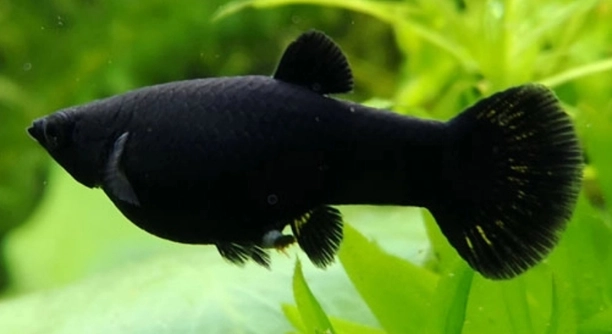
Keeping black mollies in small tanks can be rewarding, but it comes with challenges. These lively fish need stable water conditions and space to thrive, making breeding in limited environments a delicate task to manage successfully.
Breeding black mollies in a small tank is possible, but it requires careful attention to water quality, population control, and diet. Providing hiding spots and maintaining a consistent environment ensures higher survival rates for both adults and fry.
Proper preparation and consistent care are essential for success. Understanding tank dynamics and mollies’ needs will make the breeding process smoother and more predictable.
Preparing Your Small Tank for Black Molly Breeding
Before attempting to breed black mollies in a small tank, it is important to create a suitable environment. Start with a tank of at least 10 gallons, though larger is always better. Stable water temperature between 75–80°F and a pH around 7.5 is ideal. Use a gentle filter to keep water clean without stressing the fish. Adding live plants provides hiding spots for fry and reduces aggression among adults. Avoid overcrowding, as black mollies can be territorial during breeding. Regular water changes of 20–25% weekly help maintain quality, which is crucial in smaller tanks. Feeding a varied diet, including high-quality flake food, frozen brine shrimp, and daphnia, encourages healthy breeding conditions. Pay attention to signs of stress in adults, like erratic swimming or hiding, and adjust tank conditions accordingly. Careful preparation increases the likelihood of successful breeding while keeping the fish healthy and active.
Small tanks can work for breeding, but attention to detail is essential. Proper temperature, clean water, and enough space are critical factors.
Monitoring water parameters closely is a daily task that can’t be skipped. Use a thermometer and test kits to track pH, nitrate, and ammonia levels. Overfeeding should be avoided to prevent water quality issues. Watch how mollies interact—males often chase females constantly. Providing dense plants and hiding spots reduces stress for pregnant females. Remove fry from adult tanks if needed to prevent predation. With patience and consistent care, breeding in a small tank is manageable, though it requires commitment. Small adjustments in feeding, temperature, or tank layout can make a big difference in success rates. Keeping the environment stable allows mollies to breed naturally, and fry will grow healthier when adults are not stressed.
Caring for Fry in a Small Tank
Fry need protection from adults and abundant food to grow well. A small tank requires careful planning to ensure their survival.
Start by separating fry into a nursery or using dense plant coverage to provide hiding spaces. Feed them finely crushed flakes or specialized fry food several times a day. Water quality must be maintained rigorously, as small tanks are prone to rapid changes in ammonia and nitrite levels. Frequent, small water changes are better than large, infrequent ones. Monitor growth and remove sick or weak fry to prevent disease spread. Overcrowding can stunt growth, so be ready to move fry to larger tanks as they mature. Keeping a close eye on fry behavior helps anticipate any problems early, ensuring higher survival rates. Consistent care and attention are the most effective strategies for raising healthy black molly fry in a confined space.
Feeding and Nutrition
Black mollies need a balanced diet to breed successfully. Provide high-quality flake food, frozen brine shrimp, and occasional vegetables like zucchini or spinach. Variety keeps them healthy and encourages spawning.
Feeding small amounts multiple times a day is better than one large feeding. Overfeeding can pollute the water, stressing adults and fry. Live or frozen foods supply protein necessary for growth and reproductive health. Adding vegetable matter supports digestion and overall well-being. Monitor how the fish respond to different foods and adjust portions to prevent waste buildup. Healthy adults are more likely to breed consistently.
Consistency in feeding routines also helps reduce aggression among males. A well-fed tank allows all fish to stay strong and vibrant. Pay attention to changes in appetite, as illness or poor water quality can affect feeding behavior. Rotate food types to maintain interest and nutrition balance. Ensuring proper nutrition is one of the most controllable factors in a small tank breeding setup.
Water Maintenance
Small tanks can quickly become unstable if water is neglected. Frequent checks are essential. Maintaining proper filtration and partial water changes prevents spikes in ammonia or nitrites.
Daily observation of water clarity and fish behavior helps detect early issues. Even small fluctuations in temperature or pH can stress fish, reducing breeding success. Removing leftover food and debris is important to prevent pollution. Regular water testing ensures the tank remains within safe parameters, protecting both adults and fry.
Keeping water stable in a small tank requires discipline. Use a gentle filter to avoid sucking up fry while still circulating water. Conduct weekly partial water changes of 20–25% to maintain cleanliness without shocking fish. Monitor temperature consistently, as small tanks are more sensitive to rapid changes. Adjust feeding, aeration, and plant coverage to keep the environment balanced. Proper water maintenance directly influences health, behavior, and breeding outcomes for black mollies.
Selecting Breeding Pairs
Choose healthy adults with no visible signs of disease or deformities. Pick males with vibrant coloration and active swimming patterns, and females with rounded bellies indicating readiness to breed.
Avoid keeping too many males with one female, as excessive chasing can stress her and reduce spawning success.
Managing Tank Space
Provide enough hiding spots for females and fry using plants or decorations. Even in a small tank, vertical space helps reduce aggression. Regularly rearranging plants can give shy fish safer areas to retreat, promoting a calmer environment for breeding and fry development.
Controlling Population
Monitor fry numbers to prevent overcrowding. A small tank can only support a limited number of fish before water quality suffers and growth is stunted. Regularly remove excess fry or transfer them to another tank.
Observing Behavior
Keep an eye on interactions among adults. Excessive chasing or aggression signals stress or overcrowding. Adjust tank setup or separate fish as needed to maintain a peaceful environment and support healthy breeding.
FAQ
How long does it take for black mollies to breed?
Black mollies can start breeding as early as three to four months old, depending on their environment and health. Females often give birth every 30 days under optimal conditions. Consistent water quality, proper nutrition, and reduced stress increase the frequency and success of spawning.
How many fry can one female produce?
A single female black molly can give birth to 20–60 fry at a time. Larger, healthier females tend to produce more. In small tanks, controlling the number of fry is essential to avoid overcrowding, which can lead to poor growth and increased disease risk.
Can black mollies breed in a tank smaller than 10 gallons?
While it is possible, it is not ideal. Smaller tanks are harder to maintain stable water conditions. Stress, aggression, and water quality issues can reduce breeding success. A 10–20 gallon tank provides more stable conditions and allows enough space for hiding areas for fry.
Do males need multiple females to breed effectively?
Males can breed with one or more females, but having too many males with one female causes constant chasing, which stresses her and may prevent successful spawning. Maintaining a ratio of one male to two or three females is optimal in small tanks.
How do I know if a female is pregnant?
A pregnant female develops a rounded belly and may darken in color near the anal fin, forming a gravid spot. She may also hide more often and reduce activity as she nears giving birth. These signs become noticeable a week or two before delivery.
Should fry be separated immediately after birth?
Yes, separating fry or providing dense plant coverage is important to prevent adults from eating them. Fry can stay in the main tank if hiding spaces are sufficient, but monitoring their safety and growth is necessary. Using a nursery tank improves survival rates significantly.
What do fry eat in their first weeks?
Newborn fry need finely crushed flake food, powdered fry food, or infusoria. As they grow, small live foods like baby brine shrimp or daphnia can be introduced. Frequent feeding, two to four times a day, ensures healthy development and reduces competition among fry.
How often should I change water during breeding?
Frequent, small water changes are best. About 20–25% weekly helps maintain water quality without shocking adults or fry. Monitor ammonia, nitrite, and nitrate levels closely, as small tanks are more prone to fluctuations that can harm breeding success.
Can I use artificial plants instead of live plants?
Artificial plants can provide hiding spots, but they don’t improve water quality or oxygen levels like live plants do. Live plants also encourage natural behavior and give fry better shelter, increasing survival rates in small breeding tanks.
What common mistakes reduce breeding success?
Overcrowding, poor water quality, overfeeding, and aggressive tankmates are the main issues. Neglecting hiding spots or failing to monitor temperature and pH also reduces success. Consistent care, proper nutrition, and a calm environment are key to maintaining healthy black mollies and strong fry.
How long until fry reach maturity?
Fry typically reach sexual maturity between three and four months. Growth depends on water quality, diet, and space. Providing optimal conditions during this period ensures healthy development and prepares them for successful breeding later.
Can black mollies breed year-round in a tank?
Yes, if water conditions remain stable, temperature stays around 75–80°F, and they are fed properly, black mollies can reproduce throughout the year. Avoid sudden changes in environment, as this can stress adults and disrupt breeding patterns.
Is it necessary to separate males and females after breeding?
Not strictly, but monitoring the population is important. Overpopulation can lead to stress, poor water quality, and aggression. If the tank becomes crowded, separating fry or moving adults helps maintain a healthy breeding environment.
What signs indicate fry are thriving?
Healthy fry swim actively, have clear fins and vibrant coloration, and feed consistently. Slow growth, lethargy, or fin damage may indicate poor water quality, overcrowding, or insufficient food. Regular observation ensures early intervention if problems arise.
Can breeding affect the health of adult mollies?
Repeated breeding without proper care can weaken females, making them more susceptible to disease. Ensure balanced nutrition, clean water, and sufficient hiding spots to support adult health and ongoing reproduction.
Final Thoughts
Breeding black mollies in a small tank is possible, but it requires careful planning and consistent care. Small tanks are sensitive to changes in water quality, temperature, and population density. Every adjustment, even minor, can have a big impact on the fish and fry. Maintaining a stable environment is essential to prevent stress and ensure that both adults and young fish remain healthy. Regular monitoring of water parameters, temperature, and behavior helps identify problems early. Paying attention to these details can make a small tank a suitable space for black mollies to breed successfully.
Nutrition plays a critical role in breeding success. Adult mollies need a balanced diet with high-quality flake food, frozen or live protein sources like brine shrimp, and occasional vegetables for fiber. Proper nutrition not only supports the health of the adults but also prepares females for pregnancy. Well-fed adults are more likely to produce healthy fry and show consistent breeding patterns. Fry, on the other hand, require specialized care during their first weeks. Providing fine powdered food or small live foods multiple times a day encourages growth and survival. Dense plant coverage or a separate nursery tank protects fry from being eaten by adults and helps them develop safely in a small environment.
While small tanks come with challenges, careful management can make breeding black mollies manageable and rewarding. Attention to tank size, population control, feeding, water maintenance, and hiding spaces creates conditions where the fish can thrive. Observing behavior regularly, making adjustments as needed, and maintaining patience are key to success. Breeding in a confined space may demand more effort compared to larger tanks, but it also offers the opportunity to closely monitor the fish and provide targeted care. With consistent attention and proper techniques, small tank setups can successfully support healthy black molly populations.

Hello,
If you enjoy the content that we create, please consider saying a "Thank You!" by leaving a tip.
Every little bit helps us continue crafting quality advice that supports the health, happiness, and well-being of pets around the world, for pets of all shapes, sizes, and species.
We really appreciate the kindness and support that you show us!