
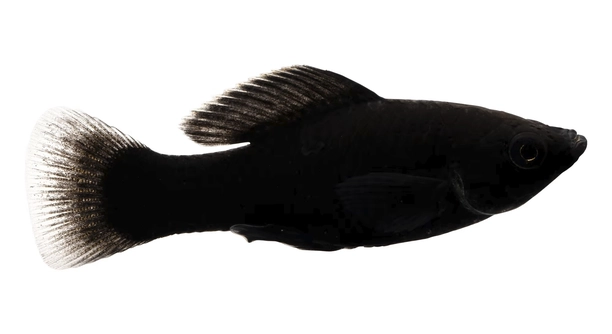
Black Mollies are lively fish that can bring life to any freshwater aquarium. Observing them swim gracefully and interact with their environment is truly rewarding for any fish enthusiast. Daily attention can make a big difference.
Maintaining a consistent routine with proper feeding, clean water, regular observation, and a balanced environment is essential for Black Mollies to thrive. These habits support their health, growth, and natural behavior, ensuring they remain active and vibrant.
Following simple daily steps can improve your fish’s well-being and create a harmonious aquarium environment that keeps your Black Mollies happy and healthy.
Consistent Feeding Schedule
Feeding Black Mollies at the same time each day helps them stay healthy and reduces stress. I usually divide their food into two small portions, giving one in the morning and one in the evening. Overfeeding can cause water quality problems, so it’s important to measure carefully. I’ve noticed that when I stick to a routine, the fish are more active and colorful. Using high-quality flakes or pellets designed for mollies provides the right balance of nutrients. Occasionally, I add small amounts of vegetables like blanched zucchini or spinach. These additions improve their digestion and overall vitality. Avoid sudden changes in diet, as Black Mollies can be sensitive. Watching them eagerly swim to the surface during feeding is a sign they are thriving.
Regular feeding builds a healthy routine that keeps your Black Mollies energetic and alert.
Providing proper nutrition consistently supports their growth, immunity, and natural behavior, helping them live longer and stay vibrant.
Clean Water Maintenance
Keeping the tank water clean is crucial for healthy Black Mollies. Even small amounts of leftover food can pollute the water quickly, affecting their health. I change about 25% of the water once a week and use a gentle gravel vacuum to remove debris. A filter is essential, and I always check that it’s running smoothly. Temperature and pH levels must be stable to avoid stress, and I monitor them with a simple thermometer and test kit. Adding live plants helps reduce nitrates and creates hiding spots, which mollies enjoy. Over time, I’ve seen that maintaining a clean environment reduces disease risk and encourages active swimming and breeding. Observing the fish interact in clear water makes the aquarium more enjoyable and ensures the fish flourish.
Regular water changes, monitoring filtration, and careful observation of water quality are key to supporting healthy Black Mollies. A stable environment minimizes stress and disease, promoting natural behavior. Consistent care keeps the fish lively, encourages social interaction, and allows for safe reproduction. Live plants and a proper filtration system further enhance water quality while adding structure and comfort. Avoiding sudden water changes or adding untreated tap water helps prevent pH shocks. Tracking water temperature and chemistry ensures the fish adapt smoothly to their habitat. Over time, this routine creates a balanced ecosystem that supports all tank inhabitants. Clean water not only protects your fish from illness but also maintains their bright colors and energy. Daily attention to tank hygiene is a small effort that makes a big difference in their overall well-being, keeping the aquarium healthy and visually appealing.
Proper Tank Temperature
Black Mollies thrive in water that stays between 75 and 82°F. I keep a reliable heater in the tank to maintain this range. Sudden temperature changes stress the fish and can make them more susceptible to illness.
Maintaining a stable temperature is key for their metabolism and immune system. I check the thermometer daily to ensure consistency. If the water drops too low or rises too high, I adjust the heater gradually. Consistent warmth encourages active swimming, feeding, and even breeding. I’ve noticed that mollies kept in the proper temperature range are more colorful and interact better with each other.
Fluctuations in temperature can lead to lethargy or disease. Keeping the water stable and comfortable supports overall health. Using a quality heater and monitoring it daily ensures your Black Mollies remain lively and healthy in their tank environment.
Social Interaction
Black Mollies are social fish and do best in groups of three or more. I’ve found that a small community reduces stress and encourages natural behavior. Watching them swim together is always satisfying.
Having multiple mollies allows them to establish a social hierarchy and interact more naturally. A single molly may hide or appear anxious, while groups show active swimming, chasing, and playful nipping. I usually keep a mix of males and females to balance interactions. Over time, their social behavior becomes more apparent, and I can observe bonding patterns and gentle dominance displays. Proper social settings reduce aggression and promote healthier feeding habits.
Adding companions carefully prevents overcrowding while fostering positive social behavior. Observing their interactions regularly helps me identify any bullying or stress, so adjustments can be made promptly. Keeping compatible species together also supports a peaceful tank environment. Social stimulation encourages activity, reduces boredom, and improves overall health. A well-planned community of mollies creates a vibrant, dynamic aquarium that benefits all fish present, ensuring the Black Mollies thrive both physically and mentally.
Balanced Diet
I provide Black Mollies with a mix of high-quality flakes, pellets, and occasional vegetables. This variety keeps them healthy and reduces the risk of nutrient deficiencies. Feeding small amounts multiple times a day prevents overeating and keeps the tank cleaner.
Adding fresh vegetables like zucchini or spinach once or twice a week improves digestion. I chop them finely to make it easier for the fish to eat. Combining plant matter with protein-based food helps maintain energy and coloration. Over time, I’ve seen mollies become more active and vibrant when their diet is well-rounded.
Regular Observation
I spend a few minutes each day watching my Black Mollies. This helps me spot early signs of stress or illness, like changes in swimming or appetite.
Paying attention to their behavior ensures they stay healthy. Noticing subtle changes quickly allows me to adjust care, water, or diet as needed. Regular observation keeps problems from escalating, and it strengthens my connection to the fish.
Plant and Tank Decoration
Including live plants and decorations creates hiding spots. Black Mollies use them to explore and feel secure. A varied environment reduces stress and encourages natural behavior.
Proper Filtration
A strong, gentle filter keeps water clean and oxygenated. I check it weekly to ensure it runs efficiently. Clean water reduces disease risk and supports healthy fish growth.
How often should I feed my Black Mollies?
I feed my Black Mollies two small portions each day, once in the morning and once in the evening. Overfeeding can quickly foul the water, so I stick to measured amounts. Using a mix of flakes, pellets, and occasional vegetables ensures they get balanced nutrition. Feeding small amounts encourages active swimming and reduces stress.
What type of food is best for them?
High-quality flake or pellet food designed for mollies works well. I also add blanched vegetables like spinach or zucchini once or twice a week. Protein-based foods, such as freeze-dried bloodworms, can be offered occasionally. A varied diet supports color, growth, and overall health while keeping digestion smooth.
How do I maintain proper water conditions?
I change about 25% of the water weekly and use a gentle gravel vacuum to remove debris. A filter is essential for cleanliness and oxygenation. I monitor temperature, pH, and hardness regularly. Stable conditions prevent stress and disease, encouraging the mollies to swim actively and display natural behavior. Live plants also help maintain water quality.
How many Black Mollies should I keep together?
They thrive in small groups of three or more. I usually keep a mix of males and females to balance interactions. A single molly can become shy or stressed, while groups interact naturally. Social stimulation reduces aggression, encourages feeding, and promotes overall health. Overcrowding should be avoided to prevent competition and stress.
What tank size is ideal?
I keep my Black Mollies in at least a 20-gallon tank. Adequate space allows them to swim freely and reduces territorial disputes. Larger tanks also make maintaining water quality easier. Providing hiding spots with plants or decorations gives them a sense of security and encourages natural exploration.
How important is temperature control?
Maintaining water between 75 and 82°F is crucial. I use a reliable heater and check the thermometer daily. Sudden changes can stress the fish, weaken their immune system, and make them more prone to illness. Stable temperature supports active swimming, feeding, and even breeding behavior.
Do Black Mollies need live plants?
I include live plants in my tank because they improve water quality and give the fish hiding places. Mollies enjoy swimming around plants and exploring decorations. Live plants also help reduce nitrate levels and create a natural, comfortable environment, which lowers stress and supports healthy behavior.
What signs show my mollies are healthy?
Bright colors, smooth swimming, and regular eating are good indicators. I notice they interact with each other and explore their environment actively. Lethargy, clamped fins, or loss of appetite may signal stress, illness, or poor water conditions. Catching issues early helps me adjust care before problems escalate.
How often should I clean the filter?
I check the filter weekly and rinse or replace media as needed. A clean filter ensures proper water flow and oxygenation, which are essential for healthy Black Mollies. Neglecting filtration can lead to poor water quality, stress, and disease, so I make it part of my routine maintenance.
Can Black Mollies live with other fish?
Yes, but I choose peaceful, similar-sized species. Aggressive or very small fish can create stress or be injured. Mollies do well with other livebearers or community fish that enjoy similar water conditions. Observing interactions regularly ensures the tank remains calm and all fish thrive together.
How do I encourage breeding?
Providing stable water conditions, a balanced diet, and plenty of hiding spots promotes breeding. I keep a few females with males to reduce stress and allow natural reproduction. Fry can be protected using plants or a breeding box to increase survival rates. Regular observation helps me track successful spawning and fry growth.
What should I do if a fish looks sick?
I isolate the affected fish in a quarantine tank to prevent spreading disease. Checking water quality and adjusting temperature, pH, or diet often helps recovery. If symptoms persist, I use appropriate medication while keeping a close eye on behavior and appetite. Early intervention increases the chances of survival.
Are supplements necessary for Black Mollies?
I occasionally add vitamins or mineral supplements, especially if I notice color dulling or slow growth. While a balanced diet covers most needs, supplements can enhance immunity, coloration, and overall vitality. I use them sparingly and follow instructions carefully to avoid over-supplementation.
How do I prevent algae buildup?
Regular water changes, controlling feeding, and proper lighting help reduce algae. Live plants compete with algae for nutrients, keeping it under control naturally. I also clean tank surfaces gently and monitor light duration to prevent excessive growth, maintaining a clean and healthy environment.
Caring for Black Mollies requires consistent attention, but it is very rewarding to see them thrive. Maintaining clean water, a balanced diet, and proper temperature helps them stay healthy and active. Daily observation allows me to notice changes in behavior or appearance, which can prevent problems from becoming serious. Simple routines, like feeding small portions twice a day and performing weekly water changes, make a big difference. Over time, these habits create a stable and comfortable environment where the fish can swim freely and interact naturally. Even small steps, such as checking the filter or adjusting water temperature, contribute significantly to their well-being. When all these factors are combined, the fish display vibrant colors and energetic movement, which is a clear sign that they are thriving.
Black Mollies also benefit greatly from social interaction and a properly arranged tank. I’ve found that keeping at least three together helps them feel secure and reduces stress. A mix of males and females encourages natural behavior without causing overcrowding or aggression. Including live plants and decorations provides hiding spots and stimulates exploration, which keeps them active and engaged. Watching them swim through plants or investigate decorations adds life to the aquarium and gives them a sense of security. A well-thought-out tank setup not only supports the fish physically but also allows me to enjoy their personalities and interactions. Social stimulation, combined with proper care, promotes healthy growth and encourages natural behaviors such as playful chasing or gentle dominance displays.
Consistency in daily care routines is essential for the long-term health of Black Mollies. I make sure to monitor water quality, feed them balanced meals, and check their behavior every day. Temperature stability, a reliable filtration system, and clean water are key to preventing illness. When these elements are maintained, Black Mollies live longer and remain vibrant, active, and visually striking. Over time, I’ve realized that creating a stable and enriched environment allows them to express their full potential, from bright coloration to lively swimming patterns. By committing to these simple but important practices, I can provide a healthy home where Black Mollies flourish, and the aquarium remains a visually appealing and dynamic space. This consistent, attentive care ensures that the fish are not only surviving but truly thriving.

Hello,
If you enjoy the content that we create, please consider saying a "Thank You!" by leaving a tip.
Every little bit helps us continue crafting quality advice that supports the health, happiness, and well-being of pets around the world, for pets of all shapes, sizes, and species.
We really appreciate the kindness and support that you show us!