
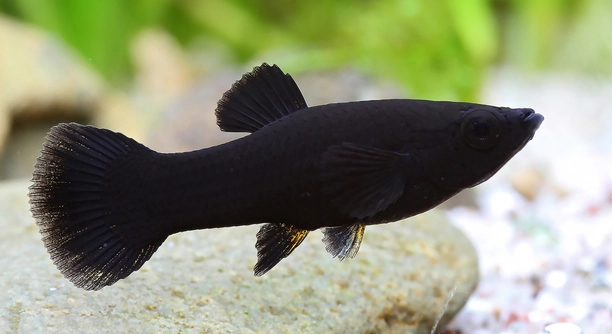
Are your black molly fish staying unusually still in their tank? Many owners notice this behavior and wonder if it indicates a health issue or something more routine in their care environment. Observing fish activity is important for proper maintenance.
A black molly may remain still due to factors such as water quality, temperature fluctuations, stress, illness, or diet. Each of these conditions can affect the fish’s activity levels, and identifying the root cause is essential for promoting their health and well-being.
Understanding why your black molly behaves this way can help improve its living conditions and overall vitality in your aquarium. Proper observation and care make a noticeable difference in their activity.
Water Quality Issues
Poor water quality is one of the most common reasons black mollies stay still. High ammonia, nitrite, or nitrate levels can stress fish and reduce their activity. Regular water testing is essential to maintain a safe environment. Hardness and pH also play a role in keeping black mollies healthy. If water conditions are off, they may isolate themselves, float near the surface, or remain at the bottom. Consistent water changes help stabilize their habitat. Uneven temperatures or improper filtration can worsen the problem. Overcrowded tanks can further degrade water quality, causing your molly to stay motionless. Observing water clarity and testing regularly can prevent long-term health issues. Even minor changes in water chemistry can impact behavior. By keeping water clean, stable, and properly filtered, you ensure your molly remains active and healthy. Routine maintenance creates a safe, balanced environment.
Regular testing and water changes can significantly improve activity and overall health in black mollies.
Monitoring temperature, pH, and chemical levels consistently helps prevent stress, illness, and inactivity. A stable tank encourages natural movement, feeding, and social behavior. Proper filtration, gentle water flow, and avoiding overcrowding are equally important. Mollies are sensitive to sudden changes, so gradual adjustments during maintenance reduce stress. A healthy environment promotes longer life, brighter colors, and active swimming. Consistency in care builds a predictable and safe habitat. By observing and adjusting water quality, owners can address problems before they impact health. Fish may show small signs first, like staying still for extended periods, hiding, or refusing food. Timely intervention ensures black mollies remain comfortable, energetic, and resilient. Maintaining optimal water conditions also prevents disease and supports natural behavior patterns, allowing mollies to interact and explore their tank freely.
Temperature Fluctuations
Sudden changes in water temperature can make black mollies inactive. Maintaining a stable environment is critical to their comfort.
Even small shifts in temperature can stress fish, leading them to hide or remain still.
Black mollies thrive in water temperatures between 75°F and 82°F. Temperatures outside this range slow metabolism, affect appetite, and reduce swimming activity. Cold water can make them lethargic, while overly warm water lowers oxygen levels, causing difficulty breathing. Using a reliable heater and thermometer helps maintain stability. Avoid placing tanks near windows, vents, or areas with fluctuating room temperature. Gradual adjustments are safer than sudden changes during maintenance. Proper insulation and covering the tank during colder months can prevent heat loss. Inconsistent temperatures also weaken the immune system, increasing susceptibility to infections. Regular monitoring and careful control of water conditions ensure mollies stay active and healthy. This approach creates a stable, predictable environment where fish can swim, feed, and socialize normally. Observing their behavior alongside temperature trends allows early intervention when issues arise, keeping the tank balanced and stress-free.
Stress and Overcrowding
Stress from overcrowding or aggressive tank mates can cause black mollies to remain still. Providing enough space and compatible companions reduces tension and encourages natural movement and interaction in the tank.
Overcrowding increases competition for food and territory, which can make black mollies withdraw or hide. Aggressive fish may chase or nip at them, causing prolonged inactivity and stress. Proper tank size, decorations for hiding, and selecting peaceful species help mollies feel secure. Stress can also weaken their immune system, making them more prone to illness. Observing behavior and rearranging the tank or adjusting fish populations can restore balance and encourage activity.
Reducing stress also involves consistent feeding schedules and gentle water flow. Overly strong currents or sudden environmental changes can add to their discomfort. By managing tank population and creating calm conditions, black mollies are more likely to swim freely, explore, and interact naturally, leading to healthier and more vibrant fish.
Illness or Parasites
Illness or parasites can cause black mollies to stay motionless or hide for long periods. Early detection is key to treatment and recovery.
Signs of disease include clamped fins, discoloration, white spots, or labored breathing. Observing these symptoms early allows for prompt intervention.
Common conditions like ich, fungal infections, or bacterial diseases often present with lethargy and reduced appetite. Quarantining affected fish and treating with appropriate medications can prevent spread. Parasites, such as flukes or worms, may attach externally or internally, causing irritation and inactivity. Maintaining proper water conditions and nutrition supports immune function and reduces susceptibility. Monitoring for changes in behavior, appearance, or feeding patterns is essential. Prompt attention can prevent severe illness and improve survival rates. Providing a clean tank environment and avoiding stressors also helps mollies recover more quickly. Early treatment and consistent care restore normal swimming behavior and overall vitality.
Lack of Stimulation
A tank without enough hiding spots, plants, or decorations can make black mollies stay still. They need an environment that feels safe and engaging to encourage regular activity.
Adding rocks, plants, and tunnels provides exploration areas. Interactive surroundings reduce boredom and help mollies swim naturally.
Diet and Nutrition
An unbalanced diet can lead to lethargy in black mollies. Feeding high-quality flakes, pellets, and occasional live or frozen foods supports energy levels and overall health. Consistent feeding schedules and proper portion sizes prevent overfeeding, which can cause sluggishness or digestive issues. Variety in their diet ensures they receive essential vitamins, minerals, and protein needed for active swimming and vibrant coloration. Observing how mollies respond to different foods can help identify deficiencies or preferences, and supplementing as needed keeps them healthy. Proper nutrition strengthens immunity, supports growth, and promotes normal behavior patterns, allowing mollies to remain lively in the tank.
Light and Day-Night Cycle
Inconsistent lighting can affect black mollies’ activity. Maintaining a regular day-night cycle helps regulate their behavior and energy levels.
Aging
Older black mollies naturally slow down. Reduced activity is common with age and does not always indicate health problems.
FAQ
Why is my black molly staying at the bottom of the tank?
Black mollies often stay at the bottom when they feel stressed, sick, or uncomfortable with water conditions. Low oxygen levels, temperature fluctuations, or poor water quality can make them seek calmer areas near the substrate. Providing hiding spots and stable water conditions helps them feel secure.
Can black mollies be still and still be healthy?
Yes, occasional stillness is normal, especially if the tank is calm and conditions are ideal. Fish may rest, observe their surroundings, or digest food. However, prolonged inactivity combined with other signs like clamped fins, pale coloration, or loss of appetite indicates a potential problem.
How do I know if my black molly is sick?
Signs include reduced activity, hiding, labored breathing, clamped fins, white spots, discoloration, or a decrease in appetite. Observing changes in swimming patterns and behavior helps identify early illness. Quarantining sick fish and treating promptly improves recovery chances.
What is the ideal water temperature for black mollies?
Black mollies thrive between 75°F and 82°F. Temperatures below this range slow metabolism and swimming, while higher temperatures reduce oxygen availability, causing stress. Using a reliable heater and thermometer ensures stable, safe conditions.
How often should I change the water?
Partial water changes of 25–30% weekly maintain water quality. Overcrowded tanks or heavy feeding may require more frequent changes. Testing ammonia, nitrite, and nitrate levels helps determine the ideal schedule. Stable water conditions reduce stress and promote activity.
Can tank size affect my black molly’s activity?
Yes, small or overcrowded tanks increase stress and reduce movement. A spacious tank with hiding spots allows swimming, exploration, and natural social behavior. Ensuring compatibility with other fish reduces aggression and encourages active behavior.
Does diet affect their activity levels?
A balanced diet with high-quality flakes, pellets, and occasional live or frozen food keeps black mollies active. Nutrient deficiencies or overfeeding can cause lethargy. Consistent feeding schedules and variety in food support energy, health, and natural swimming behavior.
Can lighting impact their behavior?
Yes, inconsistent lighting can disrupt day-night cycles, causing reduced activity. Maintaining a regular light schedule of 10–12 hours per day helps regulate energy and swimming patterns. Adjusting light gradually avoids stress from sudden changes.
Is stillness caused by aging?
Older mollies may naturally slow down. Reduced activity is common with age and is not always a sign of illness. Ensuring proper care and nutrition helps maintain comfort and vitality in older fish.
When should I seek professional help?
If your black molly shows prolonged inactivity, loss of appetite, abnormal swimming, or visible signs of illness despite proper care, consulting a veterinarian or experienced aquarist is recommended. Early intervention improves survival and health outcomes.
Can stress from other fish affect activity?
Yes, aggressive tank mates or overcrowding can cause black mollies to hide or stay still. Providing sufficient space, peaceful companions, and decorations for hiding reduces stress and encourages normal swimming behavior.
Are there signs of water chemistry issues I should watch for?
Cloudy water, algae overgrowth, strong odors, and unusual fish behavior indicate potential problems. Regular testing for pH, hardness, ammonia, nitrite, and nitrate levels helps maintain a safe environment and prevent inactivity due to stress.
Does temperature fluctuation affect molly behavior?
Sudden changes in temperature can make mollies lethargic or hide. Gradual adjustments and stable heater settings prevent stress. Avoid placing the tank near windows, vents, or drafty areas to maintain consistent temperatures.
How do I encourage my black molly to be more active?
Providing a clean, spacious tank, hiding spots, proper diet, stable water conditions, and compatible companions encourages natural swimming and social behavior. Observing their preferences and adjusting the environment gradually improves comfort and activity.
What role does tank décor play?
Plants, rocks, and tunnels give mollies places to explore and hide, reducing stress and boredom. A stimulating environment promotes movement and natural behavior, keeping them healthy and engaged.
Can water flow affect activity?
Yes, overly strong currents can tire mollies, causing stillness. Gentle water movement simulates natural conditions and supports active swimming. Adjust filters or pumps to maintain a calm, stable flow suitable for black mollies.
How do I know if inactivity is serious?
Prolonged stillness combined with other symptoms like loss of appetite, labored breathing, color changes, or fin clamping indicates a problem. Early action through water checks, diet adjustments, and treatment is essential for recovery.
What preventive measures help keep black mollies active?
Regular water testing, stable temperatures, balanced diet, spacious tanks, compatible companions, and proper lighting all contribute to healthy, active behavior. Observing fish daily helps catch early signs of stress or illness.
Can molly activity vary naturally?
Yes, even healthy mollies have periods of rest and low activity. Short periods of stillness are normal, especially after feeding or during calm periods in the tank. Consistent care ensures these pauses don’t indicate health issues.
Is quarantining new fish necessary?
Yes, quarantining new additions prevents the introduction of disease or parasites that can stress or infect black mollies. A separate tank for observation allows early detection and reduces risk to existing fish.
How long does it take for mollies to recover from stress?
Recovery depends on the cause and severity. With stable water, proper nutrition, and reduced stressors, black mollies often regain normal activity within days to weeks. Continuous monitoring ensures they remain comfortable and active.
Can improper feeding schedules reduce activity?
Yes, irregular feeding can make mollies lethargic or aggressive over food. Consistent feeding times and proper portion control maintain energy levels and promote predictable swimming and social behavior.
What is the best way to monitor black molly health?
Observe swimming patterns, appetite, coloration, and interactions daily. Regular water testing, tank maintenance, and noting any behavioral changes help identify potential issues early, allowing timely intervention to keep mollies active and healthy.
Final Thoughts
Black mollies are fascinating fish that can sometimes appear still for various reasons. Their behavior often reflects the environment they live in, and paying attention to subtle signs can help prevent issues before they become serious. Water quality, temperature, diet, tank size, and social dynamics all influence how active your mollies are. Poor water conditions, including high ammonia, nitrite, or nitrate levels, can make them lethargic or cause them to hide. Sudden temperature changes or inconsistent heating can also affect their energy levels. Providing a clean, stable environment is essential to keeping black mollies healthy and active. Regular water testing, partial water changes, and monitoring filtration systems help maintain balance in the tank. Observing your fish daily can reveal patterns in their activity and highlight potential problems early, giving you a chance to address them before they escalate.
Stress is another key factor that can cause black mollies to remain still. Overcrowding, aggressive tank mates, and lack of hiding spots can make them feel threatened, leading to prolonged periods of inactivity. By arranging the tank with plants, rocks, or tunnels, you create spaces where mollies can explore and retreat when they feel unsafe. Choosing compatible companions and providing enough room to swim freely reduces stress and encourages natural behavior. Diet also plays a significant role in maintaining activity. A balanced mix of high-quality flakes, pellets, and occasional live or frozen foods ensures mollies get the nutrients they need for energy, growth, and overall well-being. Consistent feeding schedules prevent overeating or periods of hunger, both of which can impact activity levels. Monitoring how your fish respond to their diet allows you to adjust portions and food types to keep them energetic and healthy.
Aging and natural resting behavior should also be considered when observing inactivity. Older mollies naturally slow down, and short periods of stillness may simply reflect normal rest. However, prolonged inactivity paired with other symptoms like clamped fins, discoloration, or loss of appetite usually indicates an underlying issue that needs attention. Early intervention, proper care, and a stable environment can make a noticeable difference in their health and activity. Lighting and day-night cycles also affect behavior, as consistent light schedules help regulate energy and swimming patterns. Overall, creating a well-maintained, balanced tank environment, combined with proper nutrition, compatible tank mates, and careful observation, supports the long-term health of black mollies. Understanding these factors allows you to respond to changes in behavior, ensure their comfort, and enjoy active, vibrant fish in your aquarium.

Hello,
If you enjoy the content that we create, please consider saying a "Thank You!" by leaving a tip.
Every little bit helps us continue crafting quality advice that supports the health, happiness, and well-being of pets around the world, for pets of all shapes, sizes, and species.
We really appreciate the kindness and support that you show us!