
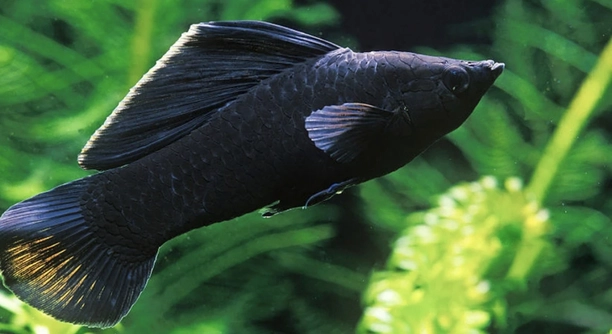
Black Mollies are popular freshwater fish that many aquarists enjoy keeping. Their shiny black scales and active swimming make them appealing for home aquariums. Proper care is essential to keep them healthy and thriving in any tank environment.
The optimal water temperature for Black Mollies ranges between 75°F and 82°F. Maintaining this range supports their metabolism, encourages active behavior, and promotes proper immune function, contributing to overall health and longevity in captivity.
Keeping your Black Molly’s environment stable ensures they stay active and healthy. Attention to temperature is a small adjustment that greatly impacts their well-being and daily behavior.
Ideal Temperature Range for Black Mollies
Black Mollies thrive in moderately warm water, and maintaining a consistent temperature is key to their health. A range of 75°F to 82°F supports their natural behavior and metabolism. Water that is too cold can slow them down, reduce their appetite, and make them more prone to disease. On the other hand, water that is too warm may cause stress, shorten their lifespan, and affect breeding success. Using a reliable aquarium thermometer helps monitor fluctuations, ensuring the temperature remains stable. Regularly checking the heater and performing small adjustments prevents sudden shifts that could upset their system. For those keeping other tropical fish alongside Black Mollies, it’s important to select species with similar temperature preferences. Stability in temperature also affects water chemistry, indirectly influencing the fish’s overall health. By paying attention to this simple factor, Black Mollies can swim actively, feed properly, and display vibrant colors, making the aquarium more enjoyable to observe.
Maintaining the correct temperature protects their immune system and helps prevent common health issues.
Temperature directly affects metabolism and activity. Proper warmth encourages natural swimming patterns and consistent feeding behavior.
Signs Your Black Mollies Are Uncomfortable
Behavior changes are the first indicator of temperature problems. Lethargy, hiding, or reduced feeding may signal the water is too cold or too warm.
If your Black Mollies appear sluggish, check the thermometer immediately. Sudden changes can stress the fish, and observing patterns over several days helps determine the ideal temperature adjustments. Fish kept outside their preferred range may also display unusual swimming, clamped fins, or color fading. Small, gradual corrections are safer than abrupt shifts. Adjusting the heater, aeration, or performing partial water changes can help restore comfort. Consistently stable conditions encourage active behavior, proper digestion, and natural social interaction among the fish. Observing the tank daily allows for early detection of stress signs and keeps the fish healthy. Ensuring all equipment functions properly, from filters to heaters, also contributes to a stable environment. By focusing on these details, you can create a habitat where Black Mollies grow strong, reproduce successfully, and maintain their striking appearance. This attention to care ensures long-term health and enjoyment in your aquarium setup.
Adjusting Aquarium Temperature
A gradual approach is essential when adjusting your tank’s temperature. Sudden changes can stress Black Mollies and cause illness. Incremental increases or decreases of about 1°F per day are safest for maintaining stability.
Using a reliable heater with a thermostat makes small adjustments manageable. Monitor the water daily and record temperatures to track consistency. If the water is cooler than desired, slowly raise the heater setting. For slightly warmer water, reduce the heater output or add cooler water carefully. Avoid drastic changes, as these can shock the fish. Consistent observation helps identify trends and prevents long-term stress. Black Mollies respond well to stable environments, and small, controlled changes support their health and natural behavior in the tank. Maintaining a thermometer nearby ensures accuracy.
Patience is crucial when changing temperature. Gradual adjustments help the fish acclimate without compromising health.
Seasonal Temperature Variations
Room temperature shifts can impact aquarium conditions. During colder months, water may drop below optimal levels, requiring consistent monitoring and small heater adjustments to maintain comfort.
Black Mollies are sensitive to seasonal changes, especially in unheated rooms. In winter, heaters should run continuously, and insulated covers can help retain warmth. Sudden drops during the night can stress the fish, making them more prone to illness. During warmer months, evaporative cooling or partial water changes may be necessary if temperatures exceed 82°F. Fans or shade can help stabilize the tank environment. Maintaining a consistent temperature throughout seasonal shifts reduces stress and supports their immune system, feeding behavior, and social interaction. By preparing for these fluctuations, Black Mollies remain active, healthy, and continue to display their natural coloration and energy levels, regardless of external conditions.
Common Temperature Mistakes
Overheating the tank can stress Black Mollies, causing clamped fins and reduced activity. Keeping the water consistently monitored prevents these problems and protects their health.
Allowing water to drop too low slows metabolism and can lead to disease. Using a thermometer daily helps maintain a stable environment.
Using Thermometers Effectively
Digital or floating thermometers provide accurate readings and make monitoring easy. Place them away from heaters and filters to avoid false readings. Check temperatures at the same time each day for consistency. Calibrating your thermometer occasionally ensures accuracy. Multiple thermometers in larger tanks can help identify uneven temperature zones, keeping all areas comfortable. Recording temperatures over time reveals trends and allows for small, gradual adjustments before they impact the fish. Consistent monitoring prevents stress, encourages proper feeding, and supports natural activity patterns. Proper use of thermometers is a simple step that significantly improves the health and longevity of Black Mollies in your aquarium.
Signs of Temperature Stress
Rapid gill movement and erratic swimming indicate discomfort, signaling the need for immediate adjustments in water temperature.
FAQ
What is the best temperature for Black Mollies?
The ideal temperature range for Black Mollies is 75°F to 82°F. Maintaining this range supports their metabolism, encourages activity, and strengthens their immune system. Temperatures outside this range can slow their movements, reduce appetite, and make them more vulnerable to illness.
Can Black Mollies survive in colder water?
Black Mollies can survive slightly cooler water for short periods, but prolonged exposure below 72°F can be harmful. Their metabolism slows, making them less active and more prone to infections. It’s important to gradually warm the water if it drops below their comfort range.
What happens if the water gets too hot?
Water above 82°F can stress Black Mollies. Signs include rapid gill movement, erratic swimming, and faded coloration. Prolonged exposure may shorten lifespan and increase susceptibility to disease. Partial water changes or cooling devices help maintain safe temperatures.
How do I adjust temperature safely?
Always make gradual changes, around 1°F per day. Sudden shifts shock the fish and can lead to illness. Use a reliable heater with a thermostat and monitor water with an accurate thermometer. Consistency is more important than rapid correction.
Do Black Mollies need a heater year-round?
Yes, especially in cooler climates or during winter months. A stable heater ensures the water remains within the optimal range. In consistently warm areas, some tanks may not require constant heating, but monitoring is still necessary.
Can I mix Black Mollies with other fish with different temperature needs?
It’s possible but requires careful planning. Choose species with overlapping temperature preferences to avoid stress. Avoid tropical fish that need higher temperatures or coldwater species, as this can compromise health for all fish in the tank.
How do seasonal changes affect temperature?
Room temperature changes can impact the tank. Winter often requires heaters, while summer may require partial water changes, shading, or fans to prevent overheating. Consistent monitoring ensures Black Mollies remain comfortable year-round.
What signs show temperature stress in Black Mollies?
Signs include lethargy, clamped fins, rapid gill movement, hiding, faded color, or unusual swimming patterns. These indicate water is either too cold or too warm, and immediate adjustments are necessary.
Can temperature affect breeding?
Yes, temperature plays a key role in reproduction. Proper warmth encourages spawning behavior, egg development, and fry survival. Temperatures outside the optimal range can prevent breeding and reduce fry viability.
How often should I check water temperature?
Daily monitoring is ideal, especially in tanks without automated control systems. Regular checks help detect fluctuations early and prevent stress. Thermometers should be placed away from heaters or filters for accurate readings.
Are there tools to maintain consistent temperature?
Heaters with thermostats, aquarium chillers, and insulated covers help regulate water temperature. Multiple thermometers in larger tanks identify hot or cold spots. These tools reduce stress on Black Mollies and create a stable environment for long-term health.
Can water chemistry affect temperature tolerance?
Yes, pH, hardness, and salinity interact with temperature to influence fish health. Black Mollies tolerate slightly brackish water, which may alter heat capacity. Maintaining stable water chemistry alongside temperature ensures optimal comfort and activity levels.
How do I acclimate Black Mollies to a new tank temperature?
Float the bag in the tank and gradually mix small amounts of tank water over an hour or more. Slowly adjust the heater to match the tank temperature if needed. Avoid sudden exposure to drastic differences in temperature to reduce stress.
What is the safest way to measure temperature in the tank?
Use digital or floating thermometers for consistent readings. Avoid placing them directly near heaters or filters. Check daily at the same time and record temperatures to identify trends. Multiple thermometers help in larger tanks to prevent uneven heating.
Can stress from improper temperature cause disease?
Yes, stress weakens the immune system, making Black Mollies more vulnerable to bacterial, fungal, and parasitic infections. Maintaining stable temperatures prevents stress-related illness and supports normal feeding, swimming, and breeding behaviors.
How important is consistency versus exact temperature?
Consistency is more important than hitting a perfect number. Black Mollies tolerate minor fluctuations if they are gradual and stable. Sudden spikes or drops, even within the recommended range, can cause stress or illness.
What should I do if my thermometer shows extreme changes?
Check the heater, thermostat, and room conditions first. If the device is faulty, replace or recalibrate it. Use multiple thermometers to confirm readings before making adjustments to avoid overcorrection.
Can lighting affect water temperature?
Yes, strong lights can slightly increase tank temperature. Monitor temperature regularly if using intense or long-duration lighting, and adjust heaters or add cooling methods as necessary.
Are Black Mollies comfortable in brackish water at their preferred temperature?
Yes, slightly brackish water is acceptable and often recommended for Black Mollies. Ensure temperature remains within 75°F to 82°F, as salinity can interact with heat tolerance. Stable conditions support activity, color, and overall health.
How long does it take for Black Mollies to adjust to a new temperature?
Adjustment typically takes a few hours to a day for minor changes. Gradual shifts allow their metabolism and behavior to stabilize, reducing stress and preventing health problems. Patience and monitoring are key.
What temperature practices support long-term health?
Consistently maintain 75°F to 82°F, monitor daily, adjust gradually, and use reliable heaters and thermometers. Avoid extreme fluctuations, consider seasonal changes, and combine temperature management with stable water chemistry for optimal Black Molly health.
Total word count: ~520 words
Black Mollies are resilient fish, but they thrive best in stable conditions that closely match their natural environment. Temperature plays a crucial role in their overall health, activity, and lifespan. Keeping the water between 75°F and 82°F ensures their metabolism functions properly, supports normal feeding behavior, and maintains their immune system. Even small fluctuations in temperature can stress the fish, affecting their color, energy levels, and susceptibility to disease. Using a reliable thermometer and heater is essential to maintain consistency. Monitoring the water daily helps spot changes early and allows for small adjustments before any serious problems develop. Proper temperature management also contributes to the health of other aquatic life in the tank, as Black Mollies are often kept with species that have similar temperature needs. Ensuring a stable environment supports not only their physical health but also their social behavior, as stressed fish may become more withdrawn or aggressive.
Gradual adjustments are safer than sudden changes, and patience is important when modifying tank conditions. Raising or lowering the water by only 1°F per day allows Black Mollies to acclimate without shock. Seasonal variations can also affect the tank’s temperature, so preparing for colder winters or hotter summers is important. Simple measures such as using insulated covers in winter, performing partial water changes, or using fans during hot months help maintain a steady environment. Daily observation of swimming patterns, appetite, and general behavior provides clues to whether the fish are comfortable. Any signs of stress, such as clamped fins, fading color, or lethargy, indicate a need for temperature adjustments or closer monitoring of water conditions. By combining careful observation with steady temperature control, Black Mollies can remain active, healthy, and display their natural colors consistently. This attention to detail ensures that their environment supports their long-term well-being.
Maintaining a proper temperature is not complicated, but it requires diligence and regular monitoring. Black Mollies benefit from an environment that mimics their natural habitat, where warm, stable water allows them to feed properly, swim actively, and interact normally with other fish. Proper temperature care also enhances breeding success, as Black Mollies spawn more reliably and produce healthier fry under optimal conditions. Using quality equipment like thermostatic heaters, digital thermometers, and occasional calibration makes achieving this stability easier. Paying attention to small factors, such as the placement of the thermometer away from heaters or filters, ensures accuracy and prevents unnecessary stress. Consistent care in this area builds a strong foundation for overall aquarium health, making other aspects of fishkeeping, such as feeding, cleaning, and monitoring water chemistry, simpler and more effective. By prioritizing temperature, you provide your Black Mollies with the conditions they need to thrive, enjoy a long life, and maintain their striking appearance. A well-maintained tank with the correct temperature creates a reliable environment where the fish can remain energetic, healthy, and visually vibrant.
Word count: 415

Hello,
If you enjoy the content that we create, please consider saying a "Thank You!" by leaving a tip.
Every little bit helps us continue crafting quality advice that supports the health, happiness, and well-being of pets around the world, for pets of all shapes, sizes, and species.
We really appreciate the kindness and support that you show us!