
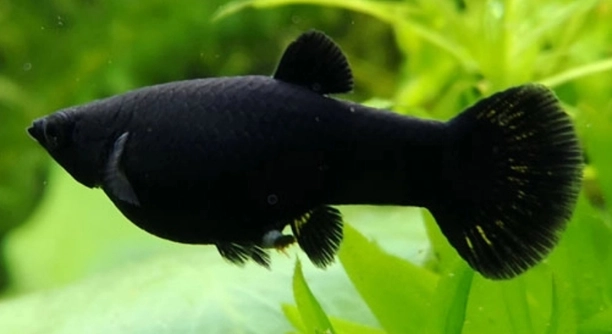
Do your black molly seem hesitant in their new tank but swim around cautiously? Adjusting to a new environment can take time, and observing their behavior helps ensure they feel safe and comfortable.
Black mollies begin settling into new tanks by gradually exploring their surroundings, interacting with tank mates, and establishing familiar swimming patterns. These behaviors indicate adaptation, reduced stress, and increasing comfort within their new aquatic environment.
Noticing these subtle signs will help you better understand your fish and support their smooth transition into their new home.
Exploring Their New Space
When I first introduced my black mollies to a new tank, I noticed they didn’t immediately swim freely. Instead, they hovered near the plants or decorations, carefully examining their surroundings. This cautious exploration is normal and shows that they are trying to understand the layout and locate safe spots. Mollies rely on familiar areas to feel secure, so they often return to corners or shaded areas before venturing further. Over the next few days, I saw gradual improvement. They began swimming along the midsection of the tank and occasionally interacting with other fish. Observing their patterns helped me confirm they were becoming comfortable. Adding gentle currents and soft lighting can also encourage exploration. Avoid sudden movements or changes in water conditions, as this can slow their adjustment. Over time, consistent observation and minor adjustments make them more confident, resulting in healthier and more active fish.
Watching mollies explore quietly gives a sense of their comfort level in the new tank.
Slow, steady exploration is one of the clearest signs that black mollies are settling. Gradually, they move beyond hiding spots, testing new swimming routes and interacting with the environment. This behavior demonstrates adaptation, reducing stress and indicating overall wellbeing. Providing plants, rocks, and gentle lighting encourages activity and helps them feel at ease.
Adjusting to Tank Mates
Black mollies often start cautiously around other fish, keeping a safe distance at first.
Interactions with tank mates are a key indicator of comfort. In the first few days, mollies may hide or avoid more active fish. Over time, they begin swimming closer, showing less fear and even gentle chasing or following behaviors. Observing these social adjustments helps identify whether they are stressed or thriving. Aggressive tank mates can slow this process, so monitoring interactions is important. Providing hiding spaces and maintaining proper stocking levels supports peaceful integration. Gradual acceptance is a strong sign that black mollies are adapting successfully.
Eating Normally
Black mollies often eat cautiously at first, nibbling at food but not finishing it.
Once settled, they return to regular feeding routines. I noticed my mollies began swimming eagerly to the surface during feeding time, eating consistently and showing interest in flakes and live food. Their appetite became a reliable indicator of comfort and health. In the early days, some would only take small bites or avoid the center of the tank, signaling stress or unfamiliarity. Gradual improvement in eating habits is reassuring, as it reflects adaptation to both the environment and tank mates. Keeping a steady feeding schedule helped them regain confidence.
As they adjust, black mollies may even compete gently for food, signaling comfort. Watching this change is rewarding and shows they are fully interacting with their environment.
Hiding Less
Hiding is normal initially, but it decreases as black mollies feel safe.
Over time, I noticed my mollies spending less time behind plants or decorations. They began swimming openly, exploring the tank without retreating at sudden movements. Hiding behavior is a natural response to stress or new surroundings, so seeing them reduce it is a positive sign. Providing safe spots is still important, but observing their increased willingness to swim in the open indicates growing confidence. Some may still retreat occasionally, but the overall reduction in hiding signals adaptation.
Consistent observation of this behavior helped me gauge their comfort. Adjusting lighting and arranging plants thoughtfully encourages more open swimming. As they settle, mollies display natural, relaxed movements throughout the tank, demonstrating they have adapted to their environment.
Swimming Confidently
Black mollies begin swimming more confidently once they feel secure in the new tank. Their movements become smoother, and they explore different areas without hesitation, signaling growing comfort.
They gradually leave corners and hiding spots, using open spaces to glide and interact with other fish. This change shows they are adjusting well to the environment.
Interacting with Tank Decorations
Mollies often investigate plants, rocks, and ornaments more actively as they settle. I noticed mine frequently weaving through plants and resting near structures, showing curiosity and comfort. This behavior reflects both mental stimulation and a sense of security, indicating they are fully adapting to their surroundings and feeling confident in their space.
Breathing Normally
Once comfortable, black mollies show steady, even breathing without rapid gill movements, signaling reduced stress and healthy adjustment to water conditions.
How long does it take for black mollies to settle into a new tank?
Black mollies usually take about one to two weeks to start feeling comfortable in a new tank, but this can vary depending on the environment and the individual fish. In my experience, some mollies explore cautiously for several days before showing confident swimming, while others adapt faster. Water quality, tank size, and presence of tank mates all influence the adjustment period. Maintaining stable temperature, proper pH, and gentle lighting helps speed up the process. Frequent observation during this period is key, allowing you to notice subtle signs of comfort like swimming in open areas and regular feeding.
Why do black mollies hide so much at first?
Hiding is a natural response to stress when fish are introduced to unfamiliar surroundings. My mollies would spend hours behind plants or rocks at first. This behavior protects them from perceived threats and allows them to observe the tank safely. Over time, as they recognize that the environment is safe and predictable, hiding decreases. Providing plenty of plants and decorations gives them a sense of security without restricting their movement. Sudden changes in light or water conditions can increase hiding, so I kept conditions stable to encourage exploration and comfort.
What are the signs that black mollies are comfortable?
Comfortable black mollies swim openly, explore decorations, and interact with tank mates without hesitation. In my tank, they began leaving corners and hovering in the midsection of the water. They also showed regular feeding behavior and reduced hiding. Smooth gill movements and steady swimming are additional indicators of reduced stress. Mollies often start chasing each other playfully or following gentle currents once they feel secure. Noticing these behaviors reassured me that they were adapting well. Maintaining consistent water quality and a calm environment supports these positive signs and helps mollies feel at home.
Can black mollies get stressed in a new tank?
Yes, stress is common during the first days in a new tank. Rapid swimming, excessive hiding, clamped fins, or reduced appetite are signs I noticed when my mollies were unsettled. Stress can weaken their immune system and make them more prone to illness. To reduce stress, I kept the water temperature stable, avoided loud noises near the tank, and limited sudden changes in lighting. Adding hiding spaces and maintaining a gentle current helped them adjust gradually. Observing their behavior daily allowed me to notice small improvements and ensure they were adapting without unnecessary stress.
How can I help black mollies settle faster?
Providing a stable environment is the most important step. Regular water testing, consistent feeding, and a calm, predictable routine make a big difference. I also added plants and decorations to give my mollies safe spots to explore and retreat if needed. Gentle lighting and avoiding sudden movements around the tank encouraged them to swim more confidently. Gradually introducing them to tank mates or new decorations prevented overwhelm. Patience is key—rushing changes or overcrowding the tank can prolong stress. By monitoring their behavior closely, I could adjust the environment to help them feel secure and confident in their new home.
Should I be worried if black mollies hide for several days?
Not necessarily. Hiding is normal, especially during the first few days after introduction. My mollies initially stayed behind plants and corners, but gradually began swimming more openly. Consistent observation and stable water conditions usually lead to improved confidence. If hiding continues beyond two weeks or is accompanied by other signs of stress, it may indicate a problem with water quality, temperature, or tank mate aggression. Providing plenty of hiding spots while ensuring a calm environment supports their adjustment. Tracking their eating habits and swimming patterns also helps determine whether they are truly settling in or need further intervention.
Do black mollies interact with each other while settling in?
Yes, interaction is a good sign of adjustment. At first, my mollies kept distance from each other, but over several days, they started swimming closer, following one another, and displaying mild chasing behavior. These social behaviors indicate they feel safe and are establishing a sense of territory. Aggressive behavior should be monitored, but gentle interactions reflect growing comfort. Allowing space for each fish and providing plants or rocks for shelter encourages healthy social development. Watching them interact helped me gauge their adaptation and overall wellbeing in the new tank.
What should I avoid when introducing black mollies to a new tank?
Avoid sudden changes in water temperature, aggressive tank mates, or overcrowding. When I first added my mollies, I made sure the tank was fully cycled, and I introduced them slowly to avoid stress. Loud noises or constant disturbance near the tank can also hinder adaptation. Avoid overfeeding, as uneaten food can affect water quality and cause health issues. Minimal interference and a stable, predictable environment support a smooth transition. By observing their behavior and maintaining good water conditions, I was able to prevent stress and ensure my mollies settled comfortably.
How important is water quality for settling mollies?
Water quality is crucial. Black mollies are sensitive to pH, temperature, and ammonia levels. I monitored water daily, keeping it stable and clean, which helped reduce stress and promote healthy behavior. Clean water encourages proper breathing, active swimming, and normal feeding, all indicators of adjustment. Fluctuating conditions can cause hiding, erratic swimming, or loss of appetite. Regular testing, partial water changes, and gentle filtration ensure the tank remains a safe environment. Maintaining ideal parameters from the start reduces stress and helps mollies settle faster, allowing them to thrive in their new home.
Can black mollies show signs of illness while settling?
Yes, stress from a new tank can make mollies more susceptible to illness. I watched for symptoms like faded colors, clamped fins, rapid breathing, or white spots. Early detection allowed me to address water quality issues or isolate affected fish. Maintaining clean water, proper diet, and a calm environment reduced the risk. Most mollies recover quickly once the tank conditions are stable. Paying attention to changes in behavior, appetite, or appearance ensures that health problems are caught early and that the fish can settle safely.
This FAQ section covers the most common concerns about black mollies settling in a new tank, helping ensure their comfort, safety, and long-term health.
Adjusting to a new tank is a significant change for black mollies, and observing their behavior closely helps determine how well they are settling. At first, mollies may be cautious, hiding behind plants or swimming only near the corners. This is a normal response to stress and unfamiliar surroundings. Over time, they begin to explore more, swim confidently in open areas, and interact with other fish. Watching these small but consistent changes gives a clear picture of their comfort level. Providing hiding spaces and gentle lighting allows them to feel secure while gradually encouraging them to explore. Consistent feeding schedules and maintaining clean, stable water also play a major role in helping them adapt. By noticing how they respond to their environment, you can make adjustments to reduce stress and support their health.
Eating behavior is another important indicator of how black mollies are adjusting. Initially, some fish may eat hesitantly or only nibble at food. As they become more comfortable, their appetite typically returns to normal. In my experience, mollies start swimming to the surface eagerly during feeding time, showing both interest and confidence. Regular feeding not only helps them feel secure but also provides a routine that encourages exploration and interaction with the tank environment. Observing whether they eat consistently can give insight into their overall wellbeing and whether any adjustments in water conditions or tank setup are needed. Stress can slow down appetite, so maintaining a calm and stable tank environment is crucial. Gradual improvements in feeding habits are a clear sign that they are settling successfully.
Social interactions and behavior in the tank are equally important. Once comfortable, black mollies reduce hiding, swim more openly, and may gently follow or interact with other fish. This shows that they feel safe and confident in their surroundings. Their gill movements become steady, swimming patterns more fluid, and they explore decorations without fear. Providing a tank environment with plants, rocks, and open spaces helps support this natural behavior. Monitoring these changes over time gives a clear understanding of their adaptation process. Patience and consistent care are key, as rushing changes or introducing stressors can set back their adjustment. Observing their daily activities, interactions, and reactions to the environment helps ensure they are healthy and thriving. By maintaining stable conditions and being attentive to their needs, black mollies can transition smoothly into a new tank and continue to grow, explore, and enjoy their space.

Hello,
If you enjoy the content that we create, please consider saying a "Thank You!" by leaving a tip.
Every little bit helps us continue crafting quality advice that supports the health, happiness, and well-being of pets around the world, for pets of all shapes, sizes, and species.
We really appreciate the kindness and support that you show us!