
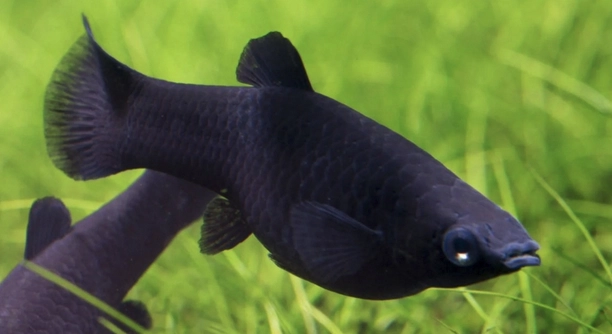
Black mollies are a beautiful addition to any aquarium, but sometimes they appear swollen or puffy, making owners worried about their health. Understanding why this happens is important for keeping them comfortable and thriving in your tank.
Black mollies can appear bloated due to overfeeding, constipation, dropsy, parasites, pregnancy, poor water quality, or stress. Identifying the exact cause allows for targeted interventions, ensuring the fish’s digestive system, internal organs, and overall health are maintained effectively.
Managing bloating requires careful observation and timely action to restore your molly’s wellbeing and maintain a balanced, healthy aquarium environment.
Overfeeding
Overfeeding is one of the most common reasons black mollies appear bloated. Feeding them too much or too often can overwhelm their digestive system, causing food to sit in the gut and swell. Even small fish can experience discomfort if given excessive flakes, pellets, or frozen foods in a single sitting. Overfeeding also leads to water quality issues, as uneaten food decomposes and increases ammonia and nitrate levels. Poor water conditions can then compound digestive problems, making the fish appear even puffier. Maintaining a feeding schedule and offering measured portions helps prevent bloating. Some owners find success by feeding their mollies once or twice a day, providing only what can be consumed in a few minutes. Using high-quality food designed for mollies supports proper digestion. Additionally, supplementing with occasional vegetable matter, like blanched spinach or zucchini, can keep the digestive tract functioning smoothly and reduce swelling over time.
Feeding smaller amounts consistently is key to preventing bloating. Moderation keeps their digestive system stable.
By monitoring your mollies’ intake and offering a balanced diet, you can avoid digestive distress. Ensuring they have enough fiber from vegetables and avoiding overfeeding helps them stay healthy and reduces puffiness. Regular observation allows you to catch early signs of bloating, making it easier to adjust feeding routines.
Constipation
Constipation can cause black mollies to appear swollen and uncomfortable.
Constipation usually results from a diet lacking in fiber or from sudden changes in food type. Providing a mix of high-quality pellets and occasional vegetable matter keeps the digestive system moving properly.
Constipation in black mollies can be identified by a hard, rounded belly and difficulty swimming. To address it, feeding shelled peas or finely chopped vegetables can help relieve blockage. Adjusting the diet gradually ensures their digestive system adapts without additional stress. Maintaining clean water is also essential, as waste buildup can worsen digestive issues. Regular observation of feces and feeding habits allows for early intervention, reducing the risk of chronic bloating. Avoid sudden changes in food type, as this can shock their system. Keeping a consistent routine with fiber-rich food and occasional fasting days can help mollies maintain a healthy digestive balance. Over time, this approach prevents constipation-related bloating while supporting overall wellbeing.
Dropsy
Dropsy is a serious condition that causes swelling in black mollies. It results from fluid accumulation due to organ failure or bacterial infections. Immediate attention is necessary to prevent worsening health.
Dropsy can make your molly’s scales stick out, giving a pinecone-like appearance. The fish may become lethargic, eat less, and struggle to swim. Treating dropsy usually involves isolating the affected fish in a hospital tank, maintaining pristine water conditions, and using antibacterial medications. Even with treatment, recovery can be slow, and not all fish respond. Monitoring other tank mates is crucial, as dropsy can spread in some cases. Regular water changes and avoiding stress help prevent the condition from developing. Early recognition of swelling and changes in behavior gives your molly the best chance for recovery.
Maintaining strong immune health through a balanced diet, clean water, and stable tank conditions reduces the risk of dropsy. Preventive care is more effective than trying to treat advanced cases.
Parasites
Parasites can cause bloating and discomfort in black mollies. External parasites may be visible as tiny spots or movement on the skin, while internal parasites often cause a swollen belly and lethargy.
Internal parasites disrupt digestion, leading to fluid buildup and malnutrition. They often enter through contaminated food, new fish, or unsanitary conditions. Treating parasites involves identifying the specific type and using appropriate medications, such as antiparasitic treatments added to the tank or food. Quarantining affected fish is important to prevent transmission. Maintaining proper hygiene, removing uneaten food promptly, and performing regular water changes helps minimize the risk. Observing your fish’s behavior, appetite, and appearance allows early detection and intervention. Some infestations require repeated treatment to fully eliminate the parasites and restore health.
Preventing parasitic infections relies on consistent cleaning, careful food sourcing, and quarantining new fish. Healthy tank conditions make it harder for parasites to establish, keeping mollies active and comfortable.
Pregnancy
Pregnancy is a natural cause of bloating in female black mollies. A swollen belly often indicates that fry are developing inside, and the fish may become less active as they near delivery.
Pregnant mollies benefit from a calm environment with plenty of hiding spots. Reducing stress and maintaining clean water helps them carry fry safely to term.
Poor Water Quality
Dirty or poorly maintained water can stress black mollies and lead to bloating. High levels of ammonia, nitrites, or nitrates affect digestion and overall health.
Keeping the tank clean with regular water changes, proper filtration, and testing helps prevent swelling caused by water stress.
Stress
Stress from overcrowding, sudden temperature changes, or aggressive tank mates can cause bloating. Mollies under stress may eat less or retain fluid.
Minimizing stress involves providing enough space, stable temperatures, and compatible tank mates to keep mollies healthy and active.
FAQ
Why does my black molly look bloated all of a sudden?
A sudden bloating in black mollies usually indicates digestive issues, overfeeding, or stress. Changes in diet, water quality, or tank conditions can quickly affect their health. Observing behavior, appetite, and physical signs helps identify the cause early.
Can overfeeding permanently harm my molly?
Consistently overfeeding can damage internal organs over time and lead to chronic bloating or obesity. It also worsens water quality, creating a cycle that stresses the fish. Moderation and portion control prevent long-term damage and keep digestive systems functioning normally.
How can I tell if bloating is caused by pregnancy?
Female black mollies develop a rounded, firm belly when carrying fry. Their activity may slow, and hiding behavior can increase. Unlike disease-related bloating, pregnancy is gradual and the fish remains generally healthy, with no visible distress or abnormal scales.
What foods help relieve constipation in mollies?
High-fiber foods such as blanched peas, zucchini, and spinach support proper digestion. Occasional fasting days can also allow the digestive tract to clear. Avoid sudden changes in food type, as abrupt shifts may worsen constipation.
How do I treat dropsy in my black molly?
Dropsy requires immediate attention. Isolate the affected fish in a hospital tank, maintain pristine water conditions, and use antibacterial treatments. Recovery is slow, and not all fish survive, but early intervention improves chances of survival and reduces the spread to other tank mates.
Are parasites the same as overfeeding bloating?
No. Parasites often cause swelling from inside, disrupting digestion and nutrient absorption. Overfeeding causes temporary digestive swelling. Parasites require targeted medication and strict hygiene, while overfeeding is resolved by adjusting portion sizes and feeding frequency.
How often should I check water quality to prevent bloating?
Weekly water tests for ammonia, nitrites, and nitrates are recommended. Monitoring pH and temperature is also important. Clean water prevents stress, digestive issues, and disease, all of which can contribute to bloating in black mollies.
Can stress alone cause my molly to appear bloated?
Yes. Stress triggers fluid retention and reduced appetite, making the belly appear swollen. Common causes include overcrowding, aggressive tank mates, sudden temperature changes, or constant disturbances. Providing a calm, stable environment is key to preventing stress-related bloating.
Is bloating always dangerous?
Not always. Pregnancy or temporary digestive bloating from minor overfeeding is usually harmless. However, persistent swelling, lethargy, or abnormal scales may indicate disease, parasites, or organ issues that require intervention. Early identification and action are essential for your molly’s health.
What is the best long-term strategy to prevent bloating?
Maintain a balanced diet, regulate feeding portions, and provide fiber-rich foods. Keep water clean and stable, monitor tank conditions, and observe mollies’ behavior regularly. Minimizing stress and isolating new or sick fish helps prevent digestive problems, disease, and bloating over time.
How do I know when to consult a vet?
If bloating persists despite dietary adjustments and water management, or if you notice lethargy, abnormal scales, or rapid swelling, a veterinarian specializing in fish can provide proper diagnosis and treatment options. Early intervention improves recovery chances significantly.
Can multiple factors cause bloating at once?
Yes. Black mollies may experience bloating from a combination of overfeeding, stress, poor water quality, and parasites. Addressing each factor systematically—diet, environment, hygiene, and health checks—ensures the fish recovers and maintains long-term wellbeing.
Are some mollies more prone to bloating than others?
Female mollies carrying fry naturally appear swollen, and some fish may have slower digestion or sensitivity to water changes. Individual differences make observation and preventive care essential for maintaining a healthy, active tank.
How long does it take for bloating to resolve?
Resolution depends on the cause. Digestive bloating may improve within a few days of dietary adjustments, while pregnancy lasts until fry are born. Disease-related bloating can take weeks and may require medications, with outcomes varying based on the fish’s condition and care provided.
Black mollies are resilient fish, but bloating is a common issue that can cause concern for any owner. There are several reasons mollies may appear swollen, ranging from overfeeding and constipation to pregnancy, dropsy, parasites, poor water quality, and stress. Understanding these causes is the first step in keeping your fish healthy. Observing your mollies daily helps identify small changes in behavior or appearance before they become serious problems. Regular monitoring of feeding habits, water conditions, and activity levels ensures that any issues are addressed promptly, reducing the risk of long-term complications. A bloated molly is often a signal that adjustments are needed in care or environment, rather than an immediate sign of irreversible illness. By paying attention to these early warning signs, you can take steps to improve their wellbeing and maintain a comfortable, thriving aquarium.
Maintaining proper care routines is essential to prevent and manage bloating in black mollies. Feeding appropriate amounts and including fiber-rich foods like peas or zucchini supports healthy digestion. It is also important to establish a consistent feeding schedule and avoid sudden changes in diet, which can stress the fish and lead to digestive problems. Clean water and stable conditions are equally critical. Regular water changes, proper filtration, and monitoring for harmful chemicals like ammonia or nitrates create an environment where mollies can thrive. Stress should be minimized by ensuring enough space, compatible tank mates, and hiding spots for fish to feel secure. When illness or parasites are suspected, early isolation and treatment prevent further complications and protect the rest of the tank. Consistent preventive care is more effective than trying to fix issues after they become severe.
Even with careful attention, some causes of bloating, like pregnancy or temporary digestive issues, are natural and usually not harmful. Pregnant females will appear swollen but remain generally healthy and active. For conditions like dropsy or parasitic infections, treatment may take time, and not every fish responds the same way. Observing changes closely and acting quickly improves the chances of recovery. Long-term success comes from combining proper diet, clean water, minimal stress, and regular health checks. By following these practices, you can reduce the likelihood of bloating and support your mollies in living a healthy, active life. Taking proactive steps ensures that your aquarium remains balanced, and your fish stay comfortable and vibrant over time.

Hello,
If you enjoy the content that we create, please consider saying a "Thank You!" by leaving a tip.
Every little bit helps us continue crafting quality advice that supports the health, happiness, and well-being of pets around the world, for pets of all shapes, sizes, and species.
We really appreciate the kindness and support that you show us!