
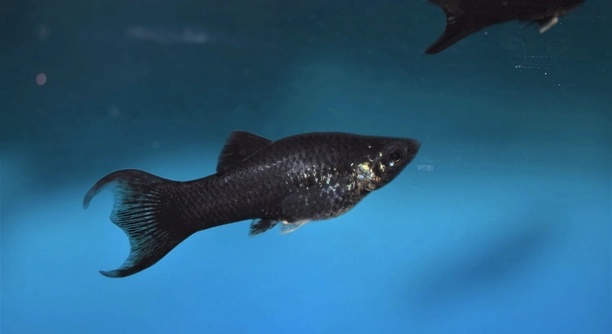
Do you ever notice your black molly spending most of its time at the bottom of the tank? It can be concerning, especially when your fish usually swims around actively and appears healthy.
Black mollies often lie at the bottom due to stress, poor water conditions, illness, or changes in temperature. Monitoring water quality, diet, and overall tank environment is essential to ensure the fish remains healthy and active.
Observing your molly closely can reveal important clues about its health and comfort in the tank environment.
Poor Water Conditions
If your black molly is staying at the bottom, the water quality may be affecting its behavior. Mollies are sensitive to ammonia, nitrite, and nitrate levels. High levels can make them lethargic and force them to remain near the substrate. Regular testing is key, using a reliable water test kit to check pH, hardness, and chemical levels. Temperature fluctuations or inadequate filtration can also stress your fish. Even small changes in water parameters can affect their comfort and activity. Cleaning the tank regularly, performing partial water changes, and ensuring proper aeration help maintain a stable environment. Adding live plants can improve oxygen levels and provide hiding spaces. It’s also important to avoid overcrowding, as too many fish in a tank can lead to poor water quality quickly. Monitoring these aspects consistently will encourage your molly to swim actively and stay near the middle or top of the tank.
Monitoring water quality is a simple but essential step to keep your molly healthy and active.
Maintaining the right water balance is more than just cleaning. Temperature should be stable, ideally between 24–28°C. pH levels around 7–8 are suitable, while hardness should be moderate. Using a quality filter and avoiding overfeeding will prevent excess waste. Testing kits help identify harmful chemical levels early. Even a small rise in ammonia can make your molly retreat to the bottom. Aeration keeps oxygen levels steady, while live plants and decorations provide security. Observing behavior after water changes helps confirm the tank environment is improving.
Illness or Infection
A black molly lying at the bottom may be showing signs of illness or infection. Stress, poor diet, or previous water issues can weaken the immune system.
Common problems include fin rot, ich, or internal parasites. Fin rot causes ragged fins, while ich presents as small white spots. Internal parasites may cause bloating or unusual swimming patterns. Prompt identification and treatment are important. Quarantining affected fish and maintaining clean water helps recovery. Medications are available depending on the condition, but prevention is better than cure.
Illness in mollies often shows subtle signs before it becomes severe. Look for changes in appetite, color, or movement. Even minor stress can make them more vulnerable, so addressing water quality and diet is crucial. Providing a varied diet with proper nutrients strengthens immunity. Observation is key; noticing small shifts early allows intervention before serious damage occurs. By keeping the tank clean and monitoring interactions, your molly can regain energy and swim normally again. Regular water tests, controlled feeding, and attentive care support long-term health and comfort for your fish.
Stress and Tank Environment
Stress can make a black molly stay at the bottom. Overcrowding, sudden movements, or aggressive tank mates can make it retreat. Mollies need space and calm surroundings to feel secure.
Providing hiding spots like plants or decorations helps your molly feel safe. Avoid sudden changes in lighting or loud noises near the tank. Aggressive fish should be separated, and introducing new tank mates should be done slowly. Stress can also result from inconsistent feeding schedules or fluctuating water parameters. Observing behavior daily allows you to notice tension early. A relaxed environment encourages your molly to explore and swim freely rather than hiding at the bottom.
Consistent maintenance and a stable environment reduce stress significantly. Regular water changes, controlled feeding, and monitoring interactions create predictability that mollies thrive on. Ensuring proper temperature, pH, and tank size also contributes to comfort. Stress affects immunity, so addressing these factors early prevents health issues. Live plants, gentle filtration, and quiet surroundings encourage natural behavior. Over time, your molly will regain confidence, spend more time swimming, and interact with other tank mates, reflecting overall improved well-being and vitality.
Low Oxygen Levels
Black mollies may stay at the bottom if oxygen levels are low. Poor aeration or crowded tanks can reduce dissolved oxygen, making swimming tiring.
Adding an air pump or increasing surface agitation improves oxygenation. Keep plants trimmed to allow water flow. Avoid overstocking the tank. Even small changes in oxygen levels affect activity and appetite. Regular observation ensures your fish remains healthy and responsive.
Low oxygen can quickly stress mollies and other tank inhabitants. Active fish may gasp at the surface, while lethargic ones stay near the bottom. Aerators, sponge filters, or air stones increase dissolved oxygen efficiently. Surface agitation is important, especially in tanks with heavy vegetation. Maintaining moderate water temperature helps oxygen retention. Overfeeding can decompose food, reducing oxygen, so feed only what fish consume in minutes. Observing behavior after adjustments confirms improvement. Proper circulation, minimal overcrowding, and attention to tank conditions help mollies stay active and comfortable.
Temperature Fluctuations
Sudden changes in water temperature can make black mollies stay at the bottom. They prefer stable, warm conditions around 24–28°C. Rapid drops or rises in temperature stress them and can affect metabolism and swimming behavior.
Using a reliable heater and thermometer helps maintain a consistent environment. Avoid placing the tank near windows or vents. Temperature stability encourages normal activity and reduces stress-related bottom-dwelling behavior.
Poor Diet
A black molly may remain at the bottom if it isn’t getting proper nutrition. Lack of essential nutrients weakens energy levels and overall health. Feeding high-quality flake, frozen, or live food supports their activity and vitality.
Providing variety is important to meet dietary needs. Overfeeding or underfeeding can cause lethargy. Small, frequent meals help maintain energy, digestion, and overall well-being.
Aging
Older black mollies may naturally spend more time at the bottom. As they age, energy levels decrease, and they may rest more frequently.
Adjusting care to match their slower pace, including gentle feeding and low-stress environments, helps older mollies remain comfortable and healthy.
FAQ
Why does my black molly lie at the bottom after water changes?
After water changes, black mollies may stay at the bottom due to sudden changes in temperature, pH, or chemical balance. Even small shifts can stress them temporarily. To minimize this, match the new water’s temperature and condition closely to the tank before adding it.
Is it normal for a black molly to stay at the bottom sometimes?
Occasional bottom-dwelling can be normal, especially if the fish is resting or exploring. Mollies are active but do rest near the substrate, especially in shaded areas or hiding spots. Observing other behavior and eating patterns will help determine if it’s normal.
Can tank size affect my molly’s behavior?
Yes, a small or overcrowded tank can cause stress, reducing swimming activity. A tank of at least 20 gallons with proper filtration gives mollies space to swim and reduces competition for oxygen and resources. More space encourages active swimming rather than bottom-dwelling.
Could poor water quality be the reason?
High ammonia, nitrite, nitrate, or improper pH levels can make black mollies lethargic. Testing water regularly and performing partial water changes keeps the environment safe. Poor water quality weakens the immune system, making mollies more susceptible to illness.
Do black mollies need a specific diet to stay active?
Yes, a balanced diet is important. Flake food supplemented with live or frozen foods provides essential nutrients. Inadequate nutrition can lower energy, leading to bottom-dwelling. Feeding small portions multiple times a day helps maintain energy levels.
Can stress from tank mates cause bottom-dwelling?
Aggressive or fast-moving tank mates can stress mollies, making them retreat to the bottom. Providing hiding spaces and monitoring interactions reduces stress. Separating aggressive fish or introducing new tank mates gradually helps maintain a peaceful environment.
Does aging affect their activity levels?
Older mollies often spend more time near the bottom. Reduced energy and slower metabolism are normal with age. Adjusting care, providing gentle feeding, and reducing stress helps older mollies stay comfortable and healthy.
How do I know if my molly is sick?
Signs of illness include loss of appetite, ragged fins, white spots, bloating, or unusual swimming patterns. Early detection is crucial. Quarantining affected fish and treating with proper medication improves recovery chances. Monitoring water quality and diet prevents further issues.
Can low oxygen levels make my molly stay at the bottom?
Yes, low dissolved oxygen can cause lethargy and bottom-dwelling. Ensure proper aeration, surface agitation, and avoid overcrowding. Live plants and gentle filtration also help maintain adequate oxygen levels for active swimming.
Will consistent care improve bottom-dwelling behavior?
Consistent water maintenance, proper feeding, and a calm environment encourage normal swimming. Stress reduction and monitoring behavior regularly allow mollies to regain confidence, energy, and comfort in their tank environment.
How long does it take for mollies to recover from stress?
Recovery time depends on the cause of stress and tank conditions. Minor changes may show improvement within a day or two, while recovery from illness or poor water quality can take several days. Patience and consistent care are key.
Are hiding spots necessary in the tank?
Yes, hiding spots like plants, rocks, or decorations provide security, especially for timid mollies. They reduce stress and encourage more natural swimming behavior, preventing prolonged bottom-dwelling caused by anxiety.
Can temperature changes affect their position in the tank?
Sudden drops or increases in water temperature can make mollies lethargic. Maintaining stable temperatures with a reliable heater and thermometer ensures consistent activity and prevents bottom-dwelling caused by stress.
Is it important to monitor behavior daily?
Daily observation helps catch early signs of stress, illness, or environmental issues. Changes in swimming, eating, or coloration indicate problems that can be addressed before they worsen. Monitoring ensures long-term health and comfort.
How can I prevent future bottom-dwelling behavior?
Regular water testing, stable temperature, balanced diet, proper tank size, and stress reduction all help. Consistency in care, observing interactions, and adjusting environmental factors support active, healthy mollies and prevent prolonged bottom-dwelling behavior.
Black mollies lying at the bottom of the tank can be concerning, but understanding the possible reasons helps make sense of their behavior. Water quality, temperature, oxygen levels, diet, and stress all play important roles in their activity. Mollies are sensitive creatures, and even small changes in their environment can cause noticeable behavior changes. Maintaining stable water conditions is one of the most effective ways to encourage them to swim normally. Regular testing for ammonia, nitrite, nitrate, and pH levels, along with consistent partial water changes, can prevent many health issues. Using a reliable heater and thermometer ensures the water remains at an ideal temperature. Overcrowding should also be avoided, as it can reduce oxygen levels and increase stress. When mollies have space, stable water, and a calm environment, they are more likely to stay active and display natural behaviors throughout the tank.
Nutrition and diet are equally important for keeping black mollies healthy and energetic. A varied diet that includes high-quality flake food, live or frozen foods, and occasional plant-based supplements provides the essential nutrients they need. Overfeeding or underfeeding can both cause problems, leading to lethargy or digestive issues. Feeding small portions several times a day can help maintain consistent energy levels. Observing their eating patterns is a good way to notice early signs of illness or stress. Changes in appetite, swimming behavior, or coloration often indicate that something in their environment needs attention. Providing hiding spaces with plants or decorations also reduces stress and helps mollies feel secure, which can prevent them from spending excessive time at the bottom. A comfortable and safe tank encourages exploration and normal swimming habits.
Consistent care, observation, and attention to detail are key to supporting the long-term health of black mollies. Stress reduction, proper feeding, regular maintenance, and monitoring tank conditions allow mollies to thrive and remain active. Some bottom-dwelling behavior can be normal, such as resting or exploring shaded areas, but prolonged inactivity often signals an underlying issue. Older fish may also spend more time near the bottom due to reduced energy, and adjusting care to match their needs ensures comfort. By keeping the tank environment stable, providing a balanced diet, and responding promptly to changes in behavior, mollies can regain vitality and enjoy a more active life. Paying attention to these factors consistently builds a healthy, stress-free environment, allowing black mollies to thrive in your tank for years to come.

Hello,
If you enjoy the content that we create, please consider saying a "Thank You!" by leaving a tip.
Every little bit helps us continue crafting quality advice that supports the health, happiness, and well-being of pets around the world, for pets of all shapes, sizes, and species.
We really appreciate the kindness and support that you show us!