
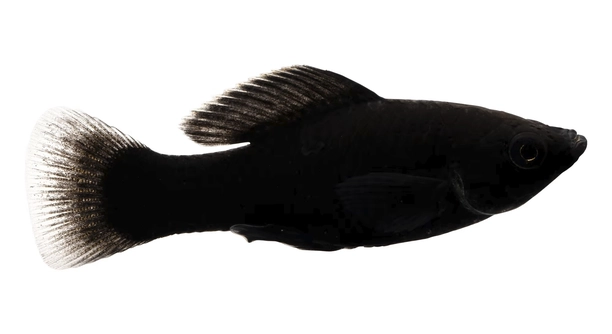
Do you ever find yourself adjusting your aquarium water, trying to give your black molly the best environment possible? These lively fish thrive when their water conditions are just right for comfort and health.
Black molly fish prefer a water pH between 7.0 and 8.5, which is slightly alkaline. Maintaining this pH range ensures proper metabolic function, reduces stress, and promotes overall health and longevity in black molly aquariums.
Keeping the pH stable is essential, as fluctuations can affect your fish’s well-being and behavior in noticeable ways.
Understanding Black Molly Water Preferences
Black molly fish are sensitive to water conditions, and pH is one of the most important factors. They naturally inhabit slightly alkaline waters, which helps them maintain a healthy balance in their bodies. If the pH drops too low, it can lead to stress, weakened immunity, and poor growth. On the other hand, water that is too alkaline can also create problems, including slowed metabolism or discomfort. Along with pH, maintaining stable temperature and clean water is critical. Black mollies prefer temperatures between 75°F and 82°F, and frequent water changes help reduce harmful buildup. Using a reliable pH test kit allows you to monitor levels and make adjustments with buffers or natural additives. Soft water should be avoided, and consistent care ensures the fish thrive, remain active, and display vibrant colors. Observing your mollies daily helps detect early signs of imbalance.
Stable water conditions directly impact black mollies’ health and behavior, making pH monitoring essential.
Paying attention to water chemistry, including pH, hardness, and cleanliness, creates a healthier tank and encourages active, stress-free fish that grow properly.
Adjusting and Maintaining pH
Small changes in pH should be done gradually to avoid shocking the fish.
Adjusting pH can be achieved using commercial buffers, natural additives, or regular water changes. Start by measuring your current pH and note any fluctuations over time. If the water is too acidic, adding crushed coral or baking soda can gradually raise pH. If it is too alkaline, using peat moss or distilled water can help lower it slightly. Rapid changes are dangerous and can cause disease or death. Monitoring both pH and water hardness together gives a better picture of the environment. Consistency matters more than perfection, as fish can adapt slowly to minor shifts. Record readings weekly and observe the fish for stress signs like clamped fins or reduced activity. With careful monitoring, adjustments become routine, and your black mollies will enjoy a balanced habitat, making them more active and vibrant in appearance. Proper pH management also prevents algae overgrowth and supports beneficial bacteria in the tank, which helps maintain overall water quality.
Signs of Improper pH
Black mollies show stress when the water pH is off. Signs include sluggish swimming, loss of color, or hiding more than usual. Monitoring behavior alongside pH readings helps catch issues early before serious health problems arise.
When pH levels are too low or too high, black mollies can develop digestive problems or fin deterioration. They may eat less or become unusually aggressive. Small fluctuations might cause temporary stress, but prolonged imbalance can weaken their immune system. Keeping a journal of water tests and observing changes in behavior ensures timely corrections. Proper pH maintenance supports normal activity, growth, and vibrant coloration.
Observing daily interactions in the tank provides valuable clues about water health. Fish gasping at the surface, floating oddly, or avoiding swimming areas often signals that the water chemistry needs attention. Immediate adjustments and careful monitoring prevent lasting harm.
Tools for Monitoring pH
Reliable pH testing is essential for maintaining stable water conditions.
Test kits and digital meters offer accurate readings, allowing you to track changes in real time. Regular testing, at least once a week, ensures water stays within the preferred range. Test strips are less precise but still useful for quick checks. Recording results helps identify trends or sudden shifts that require action. For long-term stability, pairing tests with consistent water changes and monitoring hardness improves overall tank health. Accurate readings guide safe adjustments using buffers or natural additives.
Digital pH meters provide continuous feedback, while chemical kits are simple to use and affordable. Regular monitoring prevents harmful fluctuations, reduces stress, and supports healthy black mollies. Combining tools with routine observation ensures your fish remain active and vibrant. Consistency in testing builds confidence in maintaining a balanced aquatic environment and avoids costly mistakes from sudden changes. Tracking trends over time allows proactive management, keeping both pH and fish behavior stable.
Common pH Mistakes
Adding chemicals too quickly can shock black mollies. Rapid changes in pH may cause stress or illness.
Neglecting regular testing often leads to unnoticed fluctuations. Even small swings can affect fish health and behavior over time.
Natural Ways to Stabilize pH
Using crushed coral or limestone helps maintain slightly alkaline water naturally. Plants like java moss or floating species absorb excess acids, keeping pH balanced. Combining these methods with regular water changes reduces sudden shifts and supports a stable environment for black mollies. Observing your fish daily helps identify minor stress signs early, allowing adjustments before serious problems develop. Natural stabilization creates a healthier habitat, reduces chemical use, and encourages active, vibrant fish. Over time, consistent care builds a resilient ecosystem where mollies thrive and grow without frequent interventions.
Monitoring Water Regularly
Checking pH weekly ensures your tank stays within the ideal range.
FAQ
What is the ideal pH range for black mollies?
The ideal pH for black mollies is between 7.0 and 8.5, which is slightly alkaline. Maintaining this range supports metabolism, reduces stress, and keeps their immune system functioning properly. Regular monitoring ensures levels do not drop or rise suddenly, which can harm your fish.
How often should I test the pH of my tank?
Testing the water at least once a week is recommended. This frequency allows you to catch small fluctuations before they become harmful. Digital meters give precise readings, while chemical test kits provide a reliable alternative. Recording results over time helps identify trends.
What happens if pH drops too low?
When pH drops below 7.0, water becomes acidic, which can stress black mollies. Symptoms include lethargy, clamped fins, reduced appetite, and faded colors. Prolonged exposure may weaken immunity, making fish more susceptible to disease. Gradual adjustments can bring pH back to safe levels.
Can pH fluctuate naturally in my aquarium?
Yes, pH can change due to biological activity, leftover food, decaying plants, or new water additions. Even small swings may cause stress. Maintaining consistent filtration, removing waste promptly, and using buffers when needed helps keep pH stable.
Are there natural ways to raise pH?
Adding crushed coral, limestone, or baking soda gradually increases pH. These methods are safer than chemicals when done slowly. Observe the fish for stress while making adjustments. Natural methods also provide minerals that support fish health.
How can I safely lower pH?
To lower pH, peat moss, driftwood, or distilled water can be used gradually. Avoid sudden drops, as rapid changes can shock mollies. Monitor the tank closely, especially in the first few days after adjustment, to ensure fish are not stressed.
Can water hardness affect pH?
Yes, water hardness influences pH stability. Soft water is more prone to pH swings, while harder water resists changes. Testing both hardness and pH together gives a clearer picture of water stability and helps prevent harmful fluctuations for black mollies.
Is using chemicals to adjust pH safe?
Commercial buffers and pH adjusters are safe if used correctly and slowly. Rapid changes or overdosing can harm fish. Always follow manufacturer instructions and test water frequently while making adjustments to ensure the environment remains safe.
Why is stable pH more important than perfect pH?
Fish tolerate minor deviations better when changes happen gradually. Sudden shifts, even within the ideal range, can cause stress, illness, or death. Consistency is key to maintaining a healthy tank and supporting active, vibrant black mollies.
Can plants help maintain pH?
Yes, live plants absorb acids and release oxygen, which helps stabilize pH naturally. Floating plants or mosses also reduce light intensity and nutrient spikes, indirectly contributing to pH balance. Combining plants with regular water changes supports a healthier, more stable aquarium environment.
How do I know if my pH adjustment worked?
Observe your fish for improved behavior, activity, and coloration. Test water daily for a few days to confirm the pH is stable. Recording changes helps track long-term effectiveness and ensures your black mollies remain healthy.
What are common mistakes beginners make with pH?
Common mistakes include adjusting pH too quickly, neglecting tests, over-relying on chemicals, and ignoring water hardness. Consistent monitoring, gradual changes, and natural methods reduce risk. Paying attention to fish behavior provides early warnings of problems before serious health issues occur.
How long does it take for black mollies to adjust to a new pH?
Black mollies can adapt to gradual pH changes over several days. Rapid shifts may cause stress or illness. Make adjustments in small increments, and monitor behavior closely until fish return to normal activity and coloration.
Does pH affect breeding?
Yes, stable, slightly alkaline water improves breeding success. Eggs and fry are sensitive to pH fluctuations, and unstable water can reduce survival rates. Keeping pH within the ideal range creates a safer environment for both adult mollies and their offspring.
Can I use tap water for black mollies?
Tap water is usually fine if treated and adjusted for pH and hardness. Chlorine and chloramine must be removed before adding fish. Test pH after treatment to ensure water falls within the 7.0–8.5 range, and make gradual adjustments if needed.
How important is observation alongside testing?
Observing your fish daily is as important as measuring pH. Behavioral changes like hiding, slow swimming, or reduced appetite often signal water issues before tests show major problems. Combining observation with regular testing ensures a healthier, more stable environment.
How do I maintain pH long-term?
Regular water changes, monitoring hardness, using natural buffers, and keeping live plants support long-term stability. Avoid drastic adjustments, and track pH trends over time. Consistency, attention, and small preventive steps maintain a healthy tank and happy black mollies.
Can salt affect pH?
Adding aquarium salt slightly raises pH but should be done carefully. Use recommended amounts and avoid frequent large doses. Salt also supports gill function and reduces stress but does not replace proper water maintenance.
What equipment is recommended for monitoring pH?
Reliable digital meters, chemical test kits, and pH strips are all useful tools. Digital meters offer accuracy, while test kits provide cost-effective reliability. Recording results consistently helps track long-term stability and ensures black mollies thrive in the preferred environment.
Are there signs that pH is perfect for my black mollies?
Active swimming, bright coloration, healthy appetite, and regular social behavior indicate water chemistry is suitable. When fish appear calm, eat well, and interact normally, your pH and overall water quality are likely in the ideal range.
Black mollies are lively, adaptable fish, but they thrive best when their water conditions are carefully maintained. One of the most important factors for their health is the pH of the water. Keeping the pH slightly alkaline, between 7.0 and 8.5, helps support their metabolism, reduces stress, and keeps their immune system strong. Sudden changes in pH can be harmful, so gradual adjustments and consistent monitoring are essential. Using natural methods, like adding crushed coral or driftwood, can help stabilize the water without relying too heavily on chemicals. Alongside pH, maintaining clean water, proper temperature, and appropriate hardness ensures a comfortable environment for your mollies, allowing them to display vibrant colors and active behavior. Observing the fish daily gives important clues about their health and helps catch problems early before they become serious.
Regular testing is a simple but powerful tool in caring for black mollies. Weekly pH checks, combined with monitoring hardness and water quality, allow you to maintain a balanced aquarium. Digital meters provide precise readings, while chemical test kits are reliable and easy to use. Recording the results over time helps spot trends or sudden shifts in the water, making adjustments easier and safer. Minor fluctuations are normal, but consistent swings can stress your fish and affect their appetite, growth, and overall behavior. Paying attention to both readings and the fish’s reactions ensures that your mollies are comfortable and healthy. Over time, keeping a routine for water testing, water changes, and observation will make the process straightforward, and it becomes easier to maintain a stable and thriving environment.
Creating a stable habitat for black mollies goes beyond just pH. It involves observing their behavior, keeping water clean, and maintaining temperature and hardness within suitable ranges. Providing plants, hiding spots, and gentle filtration supports their overall well-being. Stability in their environment encourages active swimming, healthy feeding habits, and natural social behavior, which makes the aquarium enjoyable to watch. By making small, consistent efforts in monitoring and adjusting water conditions, you create a safe and healthy space where black mollies can flourish. Their health, color, and activity levels improve when the water is stable, and the risk of disease or stress is greatly reduced. Focusing on these practical steps ensures a long-term, balanced environment that supports both the fish and your enjoyment of the aquarium.

Hello,
If you enjoy the content that we create, please consider saying a "Thank You!" by leaving a tip.
Every little bit helps us continue crafting quality advice that supports the health, happiness, and well-being of pets around the world, for pets of all shapes, sizes, and species.
We really appreciate the kindness and support that you show us!