
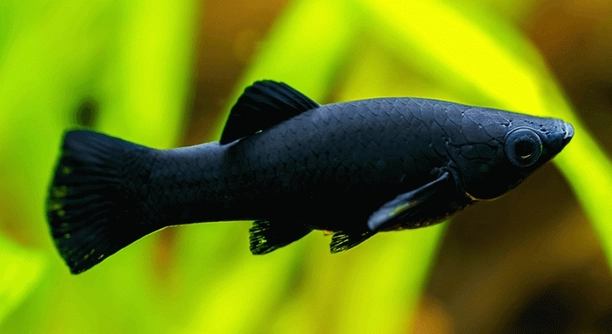
Have you ever noticed your black molly acting a bit pushy in the tank, leaving you unsure why their behavior shifts so suddenly and creates tension among the other fish in your peaceful aquarium environment.
Black molly push each other due to territorial instincts, dominance formation, and competition for limited space. This behavior often appears in smaller aquariums where individuals attempt to secure control, establish hierarchy, and protect their access to stable conditions over time.
Understanding their social patterns and territorial habits can help you create a calmer tank environment that supports your mollies interactions.
Understanding Black Molly Social Behavior
Black molly social behavior grows from simple patterns that shape how they move and interact in shared spaces. Their actions often reflect the need to secure areas that feel calm and predictable, especially when several fish live together and try to maintain comfort. I notice this most when they glide through plants or decorations, choosing small places that offer shelter and steady access to food. These choices affect how they react to the others swimming near them. Nudging appears when two mollies want the same space, creating brief tension as they settle their positions. These moments shape how they establish quiet routines within the tank.
Their small pushes often help define simple boundaries and reduce stress as they settle into their chosen places.
These behaviors reveal patterns that become easier to understand once you watch how their movements connect to their surroundings and daily habits.
How Tank Conditions Influence Aggression
Limited space or unstable conditions can increase tension, making black mollies more likely to push others aside during normal interactions.
A tank that supports stable interactions depends on size, organization, and water quality. When the aquarium is too small, black mollies compete for spots that help them feel secure. Decorations, plants, and hiding places shape how they move, and poorly arranged areas leave them with fewer calm zones. Water changes, filtration, and temperature shifts also affect their comfort. When conditions feel inconsistent, mollies may push more often, trying to claim the areas that feel steady. Overcrowding increases this behavior by forcing them into tight paths with little room to redirect their movements. A well planned environment with balanced space, healthy water, and steady lighting helps reduce these conflicts and encourages smoother interactions.
Managing Stress in Black Molly Groups
Stress increases pushing behavior, especially when several mollies share tight spaces or lack calm areas. Small changes in the tank can reduce tension and help each fish settle into smoother patterns without constant interruptions.
Stable conditions support calmer behavior by giving each molly enough room to move without feeling pressured. I keep tank noise low, maintain steady lighting, and avoid sudden changes that might startle them. Smooth swimming patterns often return once they feel secure in familiar spots. Consistent feeding routines also matter because rushed or scattered meals can make mollies push others aside. When food is spread across the tank, they approach feeding times with fewer conflicts and more predictable interactions.
Creating a peaceful environment requires attention to spacing, hiding places, and gentle filtration. These elements help mollies move with ease, reducing encounters that lead to nudging or brief tension. A well balanced setup encourages steady behavior and healthier interactions among the group.
Recognizing Early Signs of Dominance Behavior
Dominance behavior starts with small patterns, such as brief nudges or repeated attempts to control a single space. These moments become easier to notice once you focus on how the mollies interact during feeding, swimming, and resting periods.
Repeated pushing, circling, and quick tail flicks can indicate one molly is trying to control a section of the tank. I watch for these subtle signs when organizing decorations or adjusting hiding places. When the dominant molly claims too much space, the others may retreat, leading to uneven use of the tank. Balanced conditions help prevent this by spreading out territories and lowering tension. Adding plants or small structures gives each fish a comfortable spot, reducing the need for constant rearranging of their positions. Careful observation and simple adjustments help create a calmer environment where mollies can coexist without ongoing conflicts.
Creating Balance Through Proper Stocking
Proper stocking keeps pushing behavior low by giving each molly enough room to move without running into others. I focus on spacing the group so their paths stay open and their routines feel steady, which helps prevent unnecessary tension inside the tank.
Even numbers reduce unwanted pairing and uneven dynamics that cause extra stress. When the group feels balanced, their swimming patterns look smoother, and they settle into calmer routines with fewer interruptions.
Adjusting Feeding Methods to Reduce Tension
Feeding methods influence how often mollies push each other during meals. I spread food across different areas so they do not crowd a single spot. This keeps their interactions calmer and lowers the chance of one fish dominating the others. Steady feeding times also help because unpredictable schedules increase tension and make them react faster than necessary. When food appears in several locations, each molly finds a place that feels comfortable, reducing stress and limiting sharp movements. A simple feeding plan supports healthier patterns and smoother tank behavior overall.
Encouraging Peaceful Group Movement
Peaceful movement develops when mollies feel secure, have enough space, and experience steady conditions. Small changes in layout or routines help them swim without tension or sudden disruptions that lead to nudging.
FAQ
Why do black mollies nudge each other so often?
Nudging happens when they want to control space, food, or access to calm areas inside the tank. I notice it most when the aquarium feels crowded or when certain spots gain more importance, such as areas with plants, shelter, or steady water flow. These soft pushes help them decide who gets priority, and the behavior becomes clearer when you watch how they move during feeding or resting periods. It is a natural part of their social system and usually settles once each molly understands its place.
Is pushing harmful for black mollies?
Most of the time, pushing is harmless and only meant to set simple boundaries. It can become stressful when the tank is too small, the group is unbalanced, or hiding places are limited. If a molly shows torn fins, hides more than usual, or loses interest in eating, the tension may be too high. I add plants, adjust decorations, or increase space when I notice signs of stress. These changes help the group regain calmer movement.
Do black mollies push during feeding time more than usual?
Yes, feeding time often increases pushing because every molly wants to reach the food first. When food gathers in one area, the fish rush toward it, creating tight movements that encourage nudging. Spreading food along different sections of the tank helps prevent crowding. I also keep a steady schedule, which reduces eagerness and keeps their reactions more predictable. A calm feeding routine lowers aggressive moments and supports smoother interactions.
Can poor tank conditions cause aggressive behaviors?
Unstable conditions make mollies uneasy, leading to stronger movements and more frequent nudging. Temperature shifts, poor filtration, or elevated waste levels create an environment where they feel the need to compete. I keep the tank clean, maintain stable water parameters, and avoid large sudden changes. When the environment feels balanced, mollies behave with more ease and rely less on pushing to control space.
Do male black mollies push more than females?
Males often push more because they try to secure space for display or mating behavior. These movements become more obvious when several males are kept together in a small tank. Adding plants, hiding areas, and extra swimming space helps reduce this tension. I keep a higher number of females to balance the group and create a calmer environment.
How can I tell when pushing becomes a real problem?
Pushing becomes a concern when it leads to visible stress. I watch for signs like hiding, loss of color, reduced eating, or rapid swimming that does not match normal patterns. These changes often mean the molly is overwhelmed by constant pressure from others. Adjusting space, reorganizing decorations, or improving conditions usually helps. If the behavior continues, separating one fish temporarily may reduce stress for the entire group.
What changes help reduce pushing in a small tank?
Small tanks need careful setup. I place plants in corners, add small structures, and avoid large empty spaces that force mollies to cross paths too often. Good filtration and calm lighting help them feel settled. A well arranged layout gives each molly its own area, keeping pushing to a minimum.
Does adding more plants help with territorial tension?
Yes, plants create soft barriers and visual breaks that help mollies form natural paths. They provide comfort and reduce the need for nudging. I choose tall plants along the back and shorter ones near the front so the tank feels organized and easy for them to navigate.
Can overcrowding make mollies behave more aggressively?
Overcrowding increases stress because each fish competes for tiny areas of comfort. Their movements become rushed, causing extra pushing. I keep stocking at a manageable level to give them enough space to move freely. Balanced numbers help them settle into gentle routines and reduce unnecessary conflict.
Final Thoughts
Black mollies behave in ways that reflect their need for comfort, space, and predictable surroundings. Their small pushes and nudges are often simple attempts to create order in their environment, especially when they share limited areas or feel uncertain about their place within the group. I have noticed that these behaviors become easier to understand once you spend time observing how they interact with the layout of the tank and how they respond to changes in water quality, lighting, or feeding routines. Their reactions are not random. They follow patterns shaped by instinct, comfort, and the dynamics within their group. Once those patterns become clear, it becomes much easier to guide their behavior and help them feel at ease.
A stable environment supports calmer interactions and fewer tense moments. When tank conditions remain steady, mollies swim more smoothly and settle into predictable pathways that reduce the need for pushing. Proper spacing allows each fish to claim areas that feel safe, while decorations and plants break up open spaces and create natural boundaries. These small details shape how they move through their surroundings and how they respond to one another. Feeding methods also play an important role. When food is scattered instead of concentrated in one place, the group spreads out and avoids the rush that often leads to nudging. The overall atmosphere becomes calmer, and their social interactions shift into softer, smoother patterns.
Understanding their behavior builds a connection that feels more personal and supportive. Watching their movements and adjusting the environment based on how they respond creates a tank where every fish has a chance to thrive. Simple choices like adding plants, reorganizing decorations, or maintaining steady routines can ease tension and help each molly adapt without stress. These steps shape a peaceful space that encourages natural behavior and allows their personalities to show. By giving attention to their needs and observing their habits closely, you create an environment that supports long term comfort and stability. Over time, their pushing becomes less about conflict and more about soft communication within a balanced group.

Hello,
If you enjoy the content that we create, please consider saying a "Thank You!" by leaving a tip.
Every little bit helps us continue crafting quality advice that supports the health, happiness, and well-being of pets around the world, for pets of all shapes, sizes, and species.
We really appreciate the kindness and support that you show us!