
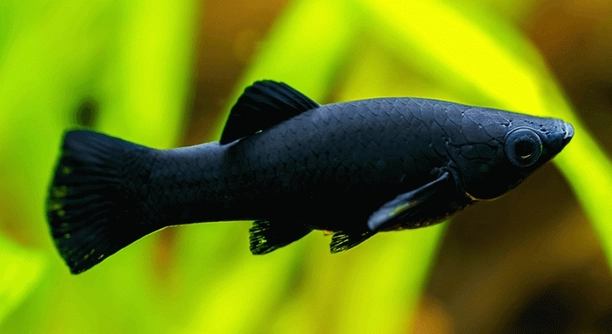
Black mollies are lively freshwater fish, known for their striking appearance and playful swimming patterns. Observing your black molly behaving differently can feel concerning, especially when it seems less active or struggles to swim in familiar ways.
Abnormal swimming in black mollies is often caused by water quality issues, internal infections, swim bladder problems, or stress from sudden environmental changes. Identifying the underlying cause is essential to restore normal behavior and maintain the fish’s overall health.
Understanding these common factors will help you address the issue promptly. Proper care and observation are key to keeping your black molly healthy and active.
Common Causes of Abnormal Swimming
When my black molly started swimming oddly, I first checked the tank conditions. Water quality plays a huge role in fish behavior. Ammonia, nitrite, or nitrate levels that are too high can weaken their health and affect movement. Temperature fluctuations also stress them, making swimming appear sluggish or erratic. Sometimes, overcrowding or aggressive tank mates can scare mollies, causing them to dart or hide frequently. Poor diet may contribute, especially if the fish is not getting enough essential nutrients. Swim bladder issues are another common reason; this internal organ helps with buoyancy, and any imbalance can make swimming difficult. Infections, whether bacterial, parasitic, or fungal, can impact their fins or overall mobility. Observing patterns, such as floating to one side or struggling at the surface, gives clues to the problem. Consistent monitoring and timely adjustments often prevent minor issues from becoming serious health threats.
Stress and minor water issues often show early signs in swimming behavior, making early intervention effective and manageable.
Noticing changes in movement requires patience. By addressing water quality, diet, and tank environment carefully, you can often restore your molly’s normal swimming. Regular checks, gradual water adjustments, and balanced feeding routines support recovery and long-term well-being, ensuring the fish remains active and vibrant.
Water Quality and Tank Environment
Poor water conditions are a major factor in abnormal swimming. Even slight changes can affect your molly’s comfort. Maintaining stable temperature, clean filters, and proper pH levels creates a healthy environment that supports normal behavior.
Testing water regularly is critical to keeping ammonia, nitrite, and nitrate within safe ranges. Frequent partial water changes help maintain clarity and remove toxins. Temperature consistency is equally important; sudden shifts can shock fish and impair movement. Tank size should match the number of fish, providing ample space to swim freely. Decorations and hiding spots reduce stress, giving mollies security and reducing erratic swimming. Monitoring interactions between tank mates is essential to prevent bullying or chasing, which can injure the fish or create fear-driven movement patterns. Feeding a varied and balanced diet strengthens the immune system, helping them resist infections that might affect mobility. Attention to these details ensures mollies remain healthy and their swimming behavior stays natural and consistent.
Swim Bladder Issues
Swim bladder problems are common in black mollies, affecting buoyancy and swimming. Overfeeding, gulping air, or infections can lead to the organ malfunctioning, causing the fish to float, sink, or swim unevenly.
When my molly experienced swim bladder problems, I noticed it tilting to one side and struggling to maintain balance. The condition can stem from dietary issues, such as overfeeding or feeding dry, compact flakes that expand in the stomach. Infections, either bacterial or parasitic, may also inflame the swim bladder, restricting proper function. Observing how the fish moves, whether it floats upside down, sinks quickly, or fails to stay at mid-level, helps identify the issue. Addressing the root cause, adjusting diet, and isolating affected fish for treatment can improve recovery and restore natural swimming.
Providing smaller, easily digestible meals and ensuring tank conditions are stable helps reduce stress on the swim bladder. In more severe cases, specific treatments or veterinary advice may be required to correct buoyancy issues and prevent recurring problems.
Signs of Stress
Stress in black mollies often shows through unusual swimming, hiding, or rapid gill movement. Environmental changes or aggressive tank mates trigger this behavior.
Stress can affect a molly’s health quickly. Sudden changes in water temperature, pH shifts, or overcrowding cause the fish to swim erratically or isolate in corners. Even minor disruptions, like moving decorations or adding new tank mates, may create anxiety. Mollies under stress may lose appetite, develop faded colors, or display fin clamping. Observing these subtle behaviors early allows for corrective actions, such as adjusting tank conditions or separating aggressive fish. Preventing stress through stable environments, proper nutrition, and careful monitoring is crucial for maintaining normal swimming and overall health.
Diet and Feeding Habits
Poor diet can lead to weak muscles and swim bladder problems in black mollies. Overfeeding or feeding inappropriate foods often causes bloating and uneven swimming.
Offering a balanced diet of high-quality flakes, frozen, or live foods keeps mollies healthy. Small, frequent meals prevent digestive issues and support normal movement.
Bacterial and Parasitic Infections
Infections can directly impact swimming ability. Bacteria and parasites may damage fins, internal organs, or the swim bladder, causing abnormal movement. Identifying early signs like clamped fins, lethargy, or unusual floating is essential. Prompt treatment with appropriate medication helps restore swimming behavior and prevents worsening health.
Tank Size and Layout
A cramped tank limits swimming and increases stress. Ensuring sufficient space and proper layout allows mollies to move naturally and reduces erratic behavior.
FAQ
Why is my black molly swimming sideways or upside down?
Swim bladder issues are the most common reason for this behavior. Overfeeding, gulping air while eating, or bacterial infections can make the swim bladder malfunction. Providing smaller, easily digestible meals and maintaining stable tank conditions often helps the fish regain normal balance.
Can water quality really affect my molly’s swimming?
Yes, water quality is critical. High levels of ammonia, nitrite, or nitrate can stress mollies, weaken muscles, and affect buoyancy. Even slight pH fluctuations or sudden temperature changes can cause erratic swimming. Regular testing and partial water changes are essential to keep water safe and stable.
Could stress from tank mates cause abnormal swimming?
Aggressive or overly active tank mates can stress black mollies. This stress often shows as darting, hiding, or clamped fins. Separating aggressive fish, adding hiding spots, and observing interactions carefully can reduce stress and restore normal movement.
How can diet affect swimming behavior?
A poor diet can lead to digestive issues, bloating, and swim bladder problems. Feeding high-quality flakes, frozen, or live foods in small, frequent portions supports digestion and prevents buoyancy issues. Avoid overfeeding and provide variety to ensure the fish gets all necessary nutrients.
Are infections a common reason for swimming problems?
Yes. Bacterial and parasitic infections can impact the swim bladder, fins, and internal organs, causing abnormal swimming. Early signs include lethargy, clamped fins, unusual floating, or sudden weight loss. Prompt identification and treatment with appropriate medication improve recovery.
Can tank size influence swimming patterns?
Smaller tanks restrict movement, causing stress and abnormal swimming. Black mollies need space to swim freely and explore. A well-planned layout with enough room and hiding spots helps them feel secure, encouraging natural swimming behavior. Overcrowding can worsen health issues and promote aggressive interactions.
Is temperature fluctuation a problem?
Sudden changes in water temperature can shock black mollies, leading to lethargy, erratic swimming, or hiding. Maintaining a stable temperature suitable for tropical fish (around 75–82°F) helps mollies remain active, supports digestion, and reduces the risk of illness.
Can I treat swim bladder issues at home?
Some mild swim bladder problems can improve with dietary adjustments, fasting for a day, or feeding peas to aid digestion. Severe cases caused by infection or internal damage may require medication or veterinary advice. Observing the fish closely helps determine if home care is enough.
How long does it take for a molly to recover?
Recovery depends on the cause. Minor water quality or diet issues may show improvement within a few days. Stress-related problems or mild infections might take one to two weeks. Severe infections or swim bladder damage may require longer recovery with proper treatment and monitoring.
Should I isolate a sick molly?
Yes, isolating a fish showing abnormal swimming can reduce stress and prevent the spread of infections. A separate quarantine tank allows you to treat the fish effectively while maintaining the health of other tank mates.
Are there signs I should watch for besides swimming?
Yes, other indicators include clamped fins, faded coloration, loss of appetite, unusual floating, rapid gill movement, or sudden weight loss. Observing overall behavior helps identify the root cause and determine the best corrective actions.
Can overfeeding alone cause swimming problems?
Overfeeding can cause bloating, constipation, and swim bladder issues. Feeding smaller portions and ensuring a balanced diet prevents these problems, helping mollies maintain normal swimming patterns and overall health.
Do hiding spots help with abnormal swimming?
Providing plants, caves, or decorations gives mollies places to feel safe. Stress from open or crowded tanks can cause erratic swimming. A secure environment encourages natural movement and reduces anxiety-related behaviors.
Can water changes alone fix abnormal swimming?
Water changes help if poor water quality is the cause. Regular partial changes remove toxins and stabilize pH. However, if swim bladder issues, infections, or stress are the reason, additional interventions like diet adjustment, medication, or isolation may be needed.
Is it normal for a black molly to rest at the bottom?
Occasionally resting is normal, but prolonged or frequent bottom-dwelling can indicate stress, swim bladder problems, or illness. Monitoring patterns and checking tank conditions ensures the fish is healthy and prevents worsening issues.
How do I know if my molly is stressed or sick?
Stress often shows as hiding, rapid gill movement, or erratic swimming. Illness may include lethargy, faded color, clamped fins, or unusual floating. Careful observation and prompt action, such as adjusting environment or providing treatment, improve recovery chances.
Can water pH affect swimming?
Yes, sudden pH shifts can stress black mollies and affect buoyancy. Keeping pH stable within the ideal range (7.0–8.5) supports normal swimming and overall health. Regular testing prevents surprises that could disrupt behavior.
Does lighting influence molly behavior?
Lighting affects activity levels. Too bright or sudden changes can stress mollies, leading to erratic swimming or hiding. Providing a consistent light cycle that mimics natural day and night supports normal behavior and reduces stress.
Are there preventative measures to avoid swimming problems?
Maintaining stable water conditions, proper tank size, balanced diet, and regular monitoring reduces risks. Quarantining new fish and observing for early signs of illness helps prevent swim bladder issues, infections, and stress-induced swimming problems. Prevention is easier than treating serious issues.
Can age or genetics play a role?
Older fish may naturally swim less actively, while some genetic traits can make certain mollies prone to swim bladder issues. Understanding your fish’s history helps set realistic expectations and guide proper care.
Is tank maintenance the most important factor?
Tank maintenance is critical but works best alongside proper diet, stress management, and observation. Clean filters, stable water conditions, and careful feeding routines create a healthy environment that supports normal swimming and reduces the risk of illness.
How often should I monitor my molly?
Daily observation is recommended. Even small changes in swimming, appetite, or color can indicate early problems. Frequent monitoring allows for prompt corrective action, reducing the likelihood of serious health issues.
Can I mix treatments for infections and swim bladder issues?
Careful combination is possible, but treatments should target the specific problem. Overuse or incorrect medication can harm the fish. Following product instructions and monitoring the fish’s response ensures safe and effective treatment.
Will my molly always return to normal swimming?
Most recover fully if the underlying cause is addressed promptly. Water quality issues, mild stress, or dietary problems often resolve quickly. Severe infections or structural swim bladder damage may require longer recovery, but attentive care improves chances significantly.
Are some black mollies more sensitive than others?
Yes, individual fish may respond differently to environmental changes, diet, or stress. Observing each fish’s behavior helps tailor care routines to maintain healthy swimming patterns and prevent recurring problems.
How do I prevent recurrence of abnormal swimming?
Consistent water testing, proper feeding, stress reduction, and regular observation are key. Preventative measures minimize swim bladder problems, infections, and stress, ensuring mollies remain active and healthy long-term.
Can I treat multiple causes at once?
Addressing multiple factors simultaneously, such as diet, water quality, and stress, can improve recovery. However, interventions should be gradual to avoid overwhelming the fish or creating additional stress. Prioritize causes based on severity and observable symptoms.
What if my molly doesn’t improve?
If no improvement occurs within a reasonable time, consult a veterinarian or aquatic specialist. Persistent abnormal swimming may indicate serious infection, internal damage, or chronic stress that requires professional guidance.
Are black mollies resilient to minor issues?
They are generally hardy, but repeated stress, poor water quality, or untreated infections can weaken them. Early intervention is critical to prevent long-term health problems and maintain normal swimming behavior.
Can quarantine prevent swimming problems?
Quarantining new fish reduces the risk of introducing infections and helps identify early issues. A separate tank allows safe observation and treatment before adding new mollies to the main tank.
Is observation more important than treatment?
Observation allows you to identify the root cause before applying interventions. Understanding behavior patterns ensures treatments target the actual problem, improving recovery chances and preventing unnecessary stress.
Do water conditioners help?
Yes, water conditioners remove chlorine, chloramine, and heavy metals, making tap water safe. Conditioning water supports gill function, reduces stress, and contributes to normal swimming behavior.
Can overcrowding cause permanent swimming issues?
Overcrowding mainly leads to stress, poor water quality, and injuries. Long-term effects are possible if conditions are not corrected, but most fish recover once space and environment improve.
How important is diet variety?
Variety ensures black mollies get essential nutrients. Feeding only one type of food can lead to deficiencies affecting digestion, swim bladder function, and overall activity levels. Alternating flakes, frozen, and live foods keeps them healthy and active.
Are all swim bladder issues treatable?
Most minor cases respond to diet changes or home care. Severe infections or structural damage may require medication or professional advice. Early detection increases success rates.
Does behavior differ between male and female mollies?
Males may swim more actively, while females may carry extra weight during pregnancy, temporarily affecting buoyancy. Awareness of these differences helps interpret swimming patterns accurately.
Can sudden tank changes trigger abnormal swimming?
Yes, rapid moves, water replacement, or adding new tank mates can shock mollies. Gradual adjustments minimize stress and maintain normal swimming behavior.
Is hiding normal for stressed mollies?
Hiding is a common stress response. Providing shelters and minimizing disturbances helps mollies feel secure and restores regular swimming over time.
How do I know if a fish is recovering?
Gradual return to normal swimming, regained appetite, brightened coloration, and relaxed fin movement indicate recovery. Continued observation ensures full restoration of health.
Are there long-term risks if ignored?
Ignoring abnormal swimming can lead to worsening infections, permanent swim bladder damage, or even death. Prompt attention is essential to prevent serious outcomes and maintain healthy fish.
Does water hardness affect swimming?
Extreme hardness or softness can stress mollies. Maintaining moderate water hardness suited for tropical fish supports proper buoyancy and overall health.
Can lighting cycles prevent stress-related swimming issues?
Yes, consistent day-night cycles reduce stress and encourage normal activity. Sudden changes in light intensity or duration may disrupt behavior and swimming patterns.
Are black mollies sensitive to tank decorations?
Sharp or unstable decorations can injure fins and cause erratic swimming. Smooth, stable décor with hiding spots supports natural behavior and reduces stress.
Do black mollies require companionship to swim normally?
They are social fish. A well-balanced group reduces stress and encourages natural swimming patterns. Isolation may lead to lethargy or abnormal movement.
Can temperature swings cause recurring problems?
Repeated fluctuations increase stress, weaken immunity, and may trigger chronic swim bladder or behavioral issues. Stable temperature management prevents these problems.
Is regular observation enough to prevent problems?
Observation is vital but must be combined with proper care, diet, and maintenance. Detecting early signs allows interventions before serious issues develop.
Can I combine water treatments safely?
Yes, but follow instructions carefully. Overlapping chemicals may harm fish. Introduce one treatment at a time and monitor the fish’s response closely.
Do black mollies adapt to minor environmental changes?
They can adapt gradually, but sudden changes often cause stress and abnormal swimming. Maintaining consistent conditions ensures comfort and stability.
Are pregnant females more prone to swimming issues?
Yes, added weight and internal pressure may affect buoyancy temporarily. Monitoring diet, tank space, and water quality helps prevent complications.
Can I prevent stress by arranging tank mates carefully?
Yes, choosing compatible species and avoiding aggressive fish reduces fear-driven swimming and promotes a calm, active environment.
How can I support recovery after illness?
Provide stable water, balanced diet, hiding spots, and, if needed, appropriate medication. Monitoring daily ensures the fish regains normal swimming and health.
Is it normal for mollies to swim near the surface?
Occasional surface swimming is normal, especially when feeding. Persistent surface staying may indicate oxygen deficiency, stress, or swim bladder issues requiring attention.
Do black mollies need exercise to swim properly?
Yes, sufficient space and stimulation promote muscle strength and normal movement. Overcrowding or lack of swimming room can lead to weakness and abnormal behavior.
Can improper feeding schedules affect swimming?
Irregular feeding can cause digestive stress and swim bladder problems. Consistent, small meals prevent bloating and maintain normal swimming patterns.
Are some black mollies genetically prone to issues?
Certain strains may have a higher likelihood of swim bladder problems. Understanding their history helps tailor care to prevent recurring swimming difficulties.
Can frequent water testing prevent swimming issues?
Yes, detecting ammonia, nitrite, nitrate, and pH fluctuations early prevents stress, illness, and abnormal swimming, ensuring a stable and healthy environment.
Does tank location matter for swimming behavior?
Placement near drafts, heaters, or direct sunlight can stress fish. Stable, quiet locations encourage calm, natural swimming patterns and reduce erratic behavior.
Can I use natural remedies for minor issues?
Some remedies, like feeding peas for constipation, help mild swim bladder problems. Always research carefully to avoid harming the fish or worsening the condition.
Are there signs of permanent swim bladder damage?
Persistent upside-down floating, inability to maintain balance, or chronic tilting may indicate structural damage. Early detection and care improve recovery chances.
Can changing water too quickly harm mollies?
Yes, rapid water changes can shock them. Gradual adjustments in temperature, pH, and composition prevent stress and support normal swimming.
Is quarantine only for new fish?
Quarantine can also isolate sick fish, reducing disease spread and allowing targeted treatment without stressing healthy tank mates.
Does overstocking increase abnormal swimming?
Yes, overcrowding raises stress, aggression, and water quality issues, all of which negatively affect swimming behavior. Adequate space is essential.
How important is consistent observation after treatment?
Critical. Daily monitoring ensures treatments are effective and prevents relapse, allowing timely adjustments and full recovery of normal swimming behavior.
Can multiple small issues add up to abnormal swimming?
Yes, minor stress, diet imbalances, slight water fluctuations, or low-quality food can combine to affect swimming. Addressing all factors improves overall health.
Are black mollies hardy despite swimming issues?
They are generally resilient if problems are identified early. With proper care, most recover fully from minor to moderate swimming abnormalities.
How long should I isolate a sick molly?
Isolation usually lasts until the fish shows stable swimming, regained appetite, and no visible signs of infection, typically one to two weeks depending on severity.
Do pregnant mollies need special care to swim normally?
Yes, extra space, calm tank conditions, and proper diet reduce stress and buoyancy issues, helping them maintain comfortable swimming.
Is observing behavior more effective than measuring water parameters?
Both are important. Behavior indicates how the fish responds to the environment, while water testing identifies underlying issues affecting swimming. Combining observation and measurements ensures comprehensive care.
Can temperature extremes trigger recurring swim bladder problems?
Yes, repeated exposure to too cold or too warm water stresses the fish, affecting buoyancy and overall health. Consistent temperature management prevents recurrence.
Are live foods better than flakes for swimming issues?
Live foods stimulate natural feeding behavior, aid digestion, and reduce constipation-related swim bladder problems. Balanced diets combining both are optimal for healthy movement.
Does tank decoration affect long-term swimming?
Proper layout encourages normal movement, reduces stress, and prevents injury. Sharp or unstable décor can hinder swimming and cause erratic behavior.
Can stress make minor infections worse?
Yes, stressed mollies have weaker immunity, allowing bacteria or parasites to worsen, leading to more noticeable swimming abnormalities.
Is it normal for mollies to occasionally float at the surface?
Yes, brief surface swimming is normal during feeding or exploration. Prolonged or constant surface staying signals possible oxygen, stress, or swim bladder issues.
Are black mollies sensitive to light intensity changes?
Yes, sudden bright or dim lighting can stress them, leading to erratic swimming. Gradual, consistent lighting supports calm and natural movement.
Does frequent tank rearrangement affect swimming?
Yes, constant changes can increase stress and disorientation, causing unusual swimming patterns. Stability in the tank layout encourages comfort and natural movement.
Can poor filtration contribute to abnormal swimming?
Yes, inefficient filters allow toxin buildup, reduce oxygen, and create currents that confuse or stress mollies, affecting swimming patterns. Proper filtration supports health and consistent movement.
Are all black mollies equally prone to swim bladder problems?
No, some are genetically more susceptible. Understanding your fish’s strain and history helps anticipate potential issues and guide preventive care.
Can gradual environmental adjustments prevent swimming problems?
Yes, slow changes in temperature, water chemistry, or tank setup reduce stress and allow mollies to adapt, maintaining normal swimming behavior.
Is daily observation more important than weekly?
Daily checks allow early detection of subtle changes in behavior, swimming, or health, improving response time and recovery chances.
Can improper aeration affect swimming?
Insufficient oxygen can make mollies lethargic or float near the surface. Adequate aeration supports energy levels and natural swimming.
Does stress affect color as well as swimming?
Yes, stressed mollies often display faded colors, clamped fins, and erratic swimming. Stable environment and proper care restore vibrancy and normal movement.
Can diet alone fix abnormal swimming?
Diet helps if the issue is digestive or swim bladder-related. Other causes like infections or stress require additional interventions for full recovery.
Are some black mollies more sensitive to water changes?
Yes, younger or weaker fish react strongly to sudden changes. Gradual adjustments minimize shock and prevent abnormal swimming.
Does tank placement near windows or vents matter?
Yes, drafts, sunlight, or temperature fluctuations can stress mollies. Placing the tank in a stable, quiet area supports normal swimming.
Can I mix new fish safely without affecting swimming?
Yes, but quarantine and gradual introduction reduce stress and prevent diseases that could impact swimming behavior.
Is it normal for mollies to swim quickly in bursts?
Short bursts are normal during feeding or play. Constant frantic swimming may indicate stress, poor water conditions, or health issues.
Do pregnant mollies swim differently?
Yes, added weight can temporarily affect buoyancy. Extra space, calm conditions, and proper nutrition help maintain comfort and normal movement.
Can black mollies adapt to minor water quality changes?
Yes, gradual changes are tolerated, but sudden fluctuations often cause stress and abnormal swimming. Stability is key for healthy behavior.
Final Thoughts
Watching a black molly struggle with swimming can be concerning, but it often signals issues that can be addressed with careful observation and proper care. Most abnormal swimming behaviors are linked to water quality, diet, stress, or swim bladder problems. By maintaining a clean tank, providing a balanced diet, and monitoring interactions with other fish, many issues can be resolved before they become severe. I have found that consistent attention to these areas helps mollies stay active and healthy. Even small changes in tank conditions, such as a slight pH shift or temperature fluctuation, can affect how a molly moves. Regular testing and gradual adjustments prevent stress and maintain stability, allowing your fish to swim naturally.
Swim bladder issues are a common reason for irregular movement in black mollies. Overfeeding, gulping air, or digestive problems can disrupt their buoyancy, causing them to float sideways or struggle at the bottom. Infections or parasites may also affect internal organs, impacting swimming. Early detection is important, as addressing the problem promptly increases the likelihood of full recovery. Diet adjustments, isolation for treatment, and careful observation can help mollies regain normal swimming patterns. Providing smaller, easily digestible meals and ensuring tank conditions remain stable often resolves minor swim bladder issues without medication. For more severe cases, veterinary advice or targeted treatments may be necessary, but most fish respond well when the underlying cause is identified and addressed.
Stress is another factor that can influence swimming behavior. Aggressive tank mates, overcrowding, sudden environmental changes, or insufficient hiding spaces can make mollies anxious and cause erratic movement. Providing a calm environment, sufficient space, and appropriate shelter helps reduce stress. Observing the fish daily for changes in activity, appetite, or coloration allows early intervention if problems arise. Maintaining a consistent light cycle, stable temperature, and proper filtration further supports overall health. Attention to these factors not only improves swimming but also enhances the fish’s immune system and longevity. By combining careful observation, balanced care, and preventive measures, black mollies can maintain normal swimming behavior and remain vibrant and active in the tank for years.

Hello,
If you enjoy the content that we create, please consider saying a "Thank You!" by leaving a tip.
Every little bit helps us continue crafting quality advice that supports the health, happiness, and well-being of pets around the world, for pets of all shapes, sizes, and species.
We really appreciate the kindness and support that you show us!