
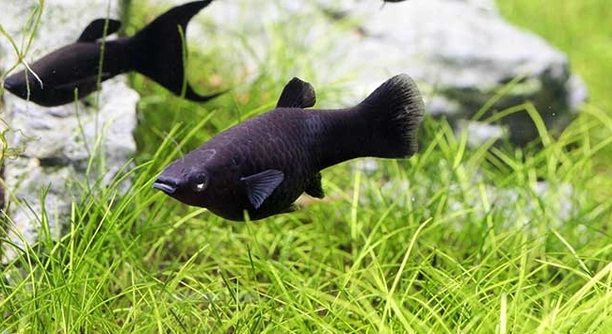
Have you ever noticed your black molly resting more than usual and wondered what might be behind this calm behavior, especially when everything in the tank appears normal and peaceful around your other fish today?
Black mollies usually become motionless due to stress, poor water quality, temperature fluctuations, or underlying illness. These factors disrupt physiological stability, reducing activity levels. Identifying environmental imbalances and implementing corrective measures helps restore normal behavior and supports overall health effectively.
As you continue reading, you will see how small changes and steady care can support a comfortable life for molly.
Common Environmental Factors
When a black molly starts staying still, the cause often ties back to something in its surroundings. Water that is too cold, too warm, or unstable can affect its comfort and energy. Changes in pH or rising ammonia levels also place stress on its body. Even small shifts in tank maintenance routines can influence how the fish behaves throughout the day. A crowded tank or sudden disturbances may overwhelm it, leading to long periods of rest. Consistent care helps prevent these issues from building up. When the tank feels steady and calm, the molly is more likely to stay active. Paying attention to these details makes a noticeable difference in its daily habits and overall well-being. With a balanced environment, your molly can settle into a healthier rhythm that supports normal movement and calm behavior.
A black molly responds quickly to environmental stress, so keeping conditions balanced helps reduce motionless behavior and supports long-term stability.
Stable water parameters, gentle tank routines, and calm surroundings create the foundation your molly needs to remain active and comfortable.
Health Related Causes
Illness can also make a black molly rest for long periods, especially when symptoms build slowly and go unnoticed during routine care.
When internal infections, parasites, or weakened immune function take hold, the molly often shows reduced movement and lowered sensitivity to activity around the tank. Poor appetite, clamped fins, or color changes may also appear as the fish becomes less energetic. These signs show the body is working harder than usual, and motionless behavior becomes a way for it to conserve strength. Catching these changes early helps prevent complications that can affect long-term health. Clean water, proper nutrition, and steady monitoring are essential steps. When symptoms persist, isolating the fish and adjusting care allows it to recover with less stress. Helping your molly feel secure supports both healing and normal behavior moving forward.
Behavioral Influences
Changes in social dynamics inside the tank can affect how a black molly behaves, especially when another fish becomes too dominant or territorial. Constant chasing or subtle pressure can make the molly withdraw and stay still for longer periods.
When a molly feels overwhelmed by tank mates, it often tries to reduce movement so it does not draw attention to itself. This can happen even in tanks that seem peaceful at first glance. Adjusting stocking levels, rearranging decorations, and giving the fish more hiding areas can help ease tension. These small adjustments make the space feel safer and allow the molly to relax without feeling threatened. Once the stress fades, normal activity usually returns. Paying attention to group behavior helps prevent these issues from repeating and supports a more comfortable environment for every fish in the tank.
Some mollies also slow down when they are adjusting to a new home or recovering from a recent change. Shifts in lighting, feeding routines, or tank layout can influence how confident they feel. Giving them time to settle in and keeping the environment calm helps them rebuild comfort and return to regular swimming patterns. Consistency is often enough to help them regain their usual movement.
Signs That Require Immediate Attention
Certain behaviors show that a molly needs help right away, especially when motionlessness is paired with physical symptoms. Listlessness combined with visible distress, rapid breathing, or a sudden shift in color can point to a developing issue that should be handled quickly.
When these signs appear together, the fish may be struggling with something that affects its breathing or internal balance. Swift action can make a significant difference. Testing the water, improving oxygen levels, and isolating the fish help create a stable setting while you identify what is causing the problem. Providing gentle care while keeping disturbances low supports recovery and reduces the risk of further stress. Monitoring the molly closely during this time helps guide the next steps and ensures that any changes in condition are noticed early.
How Tank Maintenance Affects Behavior
Regular upkeep prevents conditions that make a molly stay still for long periods. When water changes are missed or filters become clogged, stress builds quickly and influences how the fish responds to its environment throughout the day.
Keeping the tank clean supports stable parameters and reduces the chance of sudden changes that can overwhelm the molly.
The Role of Feeding Habits
Feeding routines influence energy levels and behavior, especially when the molly receives too much or too little food. Overfeeding leads to poor water quality, while underfeeding weakens the fish and reduces movement. A steady schedule helps maintain comfort and activity.
FAQ
Why is my black molly staying motionless at the bottom of the tank?
A black molly often rests at the bottom due to stress, illness, or water issues. Low oxygen, fluctuating temperatures, high ammonia, or pH imbalances can make it conserve energy. Providing stable water conditions, clean surroundings, and a calm tank encourages the fish to move normally again.
Can black mollies recover from stress quickly?
Yes, mollies can bounce back if the environment is corrected promptly. Reducing sudden changes, keeping the water clean, and limiting disturbances allows the fish to regain energy. Stress recovery depends on how long the fish experienced poor conditions and whether any illness is present.
How do I know if my molly is sick or just resting?
Look for additional signs like clamped fins, faded color, labored breathing, or loss of appetite. If these appear with motionlessness, it’s likely illness. Simple resting usually involves brief periods of stillness, normal color, and typical feeding behavior afterward.
Can water temperature affect a black molly’s activity?
Yes, temperature fluctuations significantly impact energy levels. Water that is too cold slows metabolism, while excessively warm water increases stress. Maintaining a consistent range between 75–82°F keeps mollies comfortable and reduces motionless behavior.
Do tankmates influence my black molly’s stillness?
Other fish can affect movement. Aggressive or territorial tankmates may cause mollies to hide or stay still. Rearranging decorations, adding hiding spots, and monitoring interactions can reduce stress and encourage normal swimming.
How often should I clean my tank to prevent this behavior?
Regular cleaning is essential. Partial water changes weekly, filter maintenance, and removing uneaten food prevent poor water quality. Keeping the tank stable helps mollies remain active and healthy.
Is motionlessness a sign of aging in black mollies?
Older mollies may naturally slow down, but extreme stillness should still be monitored. Aging fish may need more frequent care, stable temperatures, and softer feeding routines to maintain comfort and prevent health problems.
Can diet changes improve activity levels?
Yes, balanced feeding improves energy and overall health. High-quality flakes, occasional live or frozen foods, and consistent feeding schedules support activity. Avoid overfeeding to prevent water quality issues that stress the fish.
Should I isolate a motionless molly?
Isolation can be helpful if illness is suspected. A separate tank reduces stress from tankmates, allows focused observation, and prevents potential disease spread. Ensure the quarantine tank has stable water conditions similar to the main tank.
How do I prevent my molly from becoming motionless in the future?
Consistent tank maintenance, proper feeding, stable temperature, calm tankmates, and monitoring behavior are key. Early attention to environmental and health factors keeps your black molly active and comfortable over the long term.
What role does oxygen play in movement?
Low oxygen can make mollies stay at the bottom gasping or resting. Ensuring proper aeration with filters, air stones, or surface agitation keeps oxygen levels sufficient and encourages normal swimming.
Can stress from sudden changes make a black molly motionless for days?
Yes, sudden light, temperature, or water changes can trigger prolonged stillness. Gradual adjustments and creating a predictable routine help mollies regain confidence and resume typical activity levels.
Is it normal for a molly to float motionless near the surface?
Occasionally, yes, especially if resting or adjusting to oxygen levels. Persistent surface stillness combined with rapid breathing or color changes indicates a problem that needs attention.
Do black mollies need companions to stay active?
Mollies are social, but too many or aggressive companions can increase stress. A well-balanced group with peaceful interactions encourages movement while keeping the fish comfortable.
How long should I wait before worrying about motionlessness?
Brief rest is normal, but if a molly remains still for more than a day or shows other signs of distress, action is needed. Checking water, diet, tankmates, and potential illness can prevent complications.
Can I use medications if my molly stays still?
Only after identifying the issue. Medications are effective for confirmed infections or parasites. Incorrect use can worsen stress, so water testing, observation, and quarantine are recommended before treatment.
Are hiding spots important for activity levels?
Yes, hiding spots reduce stress and make mollies feel safe. Plants, rocks, and decorations allow them to rest without constant exposure, balancing comfort with movement.
Does light affect molly activity?
Yes, bright or inconsistent lighting can stress mollies. A stable light cycle supports natural rhythms, encourages movement, and prevents motionless periods caused by discomfort.
Can motionlessness be a sign of internal parasites?
Yes, parasites often cause lethargy, poor appetite, and stillness. Early detection and treatment are important. Quarantine, careful observation, and proper medication help prevent long-term health decline.
How do I know if the motionlessness is temporary or serious?
Temporary stillness involves brief periods with normal eating and swimming later. Serious issues involve persistent inactivity, visible illness, and behavioral changes that do not improve with stable care. Monitoring closely ensures timely intervention.
Is it common for pregnant female mollies to stay still?
Pregnant females may reduce movement to conserve energy. This is usually normal, but sudden motionlessness with other stress signs should be checked to rule out complications.
Does water hardness affect activity?
Yes, extreme hardness or softness can stress mollies and reduce movement. Maintaining moderate hardness appropriate for the species helps support normal behavior and overall health.
Can molly behavior indicate tank health?
Yes, their activity is a reliable indicator. Motionlessness, gasping, or hiding often reflects water problems, stress, or illness. Observing behavior helps catch environmental issues before they become serious.
How can I make the tank more comfortable?
Consistent temperature, stable pH, proper aeration, gentle lighting, and peaceful tankmates create comfort. A predictable environment encourages movement and reduces stress-related stillness.
What is the most common reason for motionlessness?
The most frequent reason is stress from water quality issues. Even subtle changes in temperature, pH, or ammonia levels can trigger inactivity. Addressing these promptly keeps mollies healthy and active.
How often should I monitor my molly’s behavior?
Daily observation is ideal. Noting changes in movement, color, or appetite helps catch problems early and allows timely care adjustments. Small, consistent checks support long-term health and activity.
Can motionless behavior resolve on its own?
Sometimes, yes, if caused by brief stress or minor adjustments. Persistent inactivity requires checking environmental conditions, tankmates, and health factors to ensure the fish recovers fully.
Does molly temperament vary by individual?
Yes, some mollies are naturally calmer and may rest more often. Observing their baseline behavior helps differentiate normal stillness from concerning inactivity.
Can sudden noise or vibration trigger motionlessness?
Yes, loud or frequent disturbances can make mollies freeze or hide. Reducing sudden noise or tank movement helps them feel secure and resume normal swimming patterns.
Is water flow important for activity?
Moderate water flow encourages movement and exercise. Stagnant water can reduce activity and make mollies more prone to staying still for extended periods.
Black mollies are naturally active fish, but periods of motionlessness can happen for a variety of reasons. Often, the causes are tied to environmental factors, such as unstable water conditions, temperature changes, or poor oxygen levels. Even small shifts in pH or minor lapses in tank maintenance can create stress, which leads the fish to stay still more than usual. By keeping a consistent care routine and paying attention to the tank’s overall health, many of these behaviors can be prevented. Observing your molly’s daily habits provides important insight into its comfort and wellbeing, making it easier to identify when something is out of balance.
Behavioral and social factors also play a role in how a black molly moves within the tank. Aggressive or overly dominant tankmates can make a molly retreat and spend long periods motionless in an effort to avoid confrontation. Providing hiding spots, rearranging decorations, and ensuring a well-balanced number of fish helps reduce stress and encourages normal activity. Similarly, feeding routines have a noticeable effect on energy levels. Underfeeding can leave a fish too weak to swim much, while overfeeding affects water quality and can indirectly cause motionless behavior. A consistent diet, combined with proper water care, gives mollies the stability they need to thrive and maintain healthy activity levels.
Health concerns should not be overlooked, as illness or parasites can result in prolonged stillness. Mollies showing signs of clamped fins, color fading, rapid breathing, or loss of appetite require careful observation and sometimes isolation for treatment. Early detection and action are key to recovery. Regular tank maintenance, careful monitoring, and a balanced environment all work together to support the overall wellbeing of your black molly. By paying attention to these factors and responding quickly to changes in behavior, you create conditions that help your fish remain comfortable, active, and healthy. A proactive approach allows mollies to enjoy a stable, stress-free environment while giving you confidence in their long-term care.

Hello,
If you enjoy the content that we create, please consider saying a "Thank You!" by leaving a tip.
Every little bit helps us continue crafting quality advice that supports the health, happiness, and well-being of pets around the world, for pets of all shapes, sizes, and species.
We really appreciate the kindness and support that you show us!