
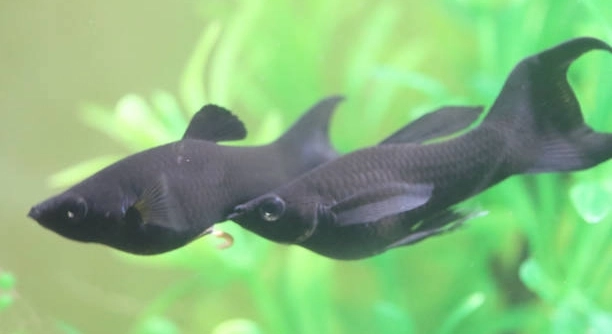
Do you ever find yourself admiring your black molly but unsure if its tank is big enough to keep it healthy and happy? Black mollies are lively fish that thrive in well-maintained environments with ample space to swim and explore. Ensuring the right tank size is important for their well-being.
A black molly requires a minimum tank size of 20 gallons for a single fish. Additional mollies need proportionally larger tanks, with at least 10 extra gallons per fish, to maintain water quality, reduce stress, and support healthy growth.
Providing the right space goes beyond mere measurements. Proper tank setup influences behavior, health, and the long-term happiness of your black molly.
Ideal Tank Size for Black Mollies
Choosing the right tank size is essential for black mollies to thrive. A single black molly needs at least a 20-gallon tank, but if you plan to keep a small group, the tank must be larger. Each additional molly requires roughly 10 gallons more to ensure adequate swimming space and maintain water quality. A spacious tank prevents overcrowding, reduces aggression, and supports healthy growth. Proper filtration and regular maintenance are also necessary to handle the bioload of multiple fish. Black mollies are active swimmers, and cramped spaces can cause stress, leading to weakened immune systems and potential illness. Including live plants and hiding spots can improve the environment, giving them areas to explore and rest. Remember that tank dimensions matter too—length and width allow horizontal swimming, which is more natural for mollies than height alone. Overall, planning for growth and activity is key when setting up a home for black mollies.
Proper space ensures mollies stay healthy and behave naturally, reducing stress and promoting longevity in your tank.
Keeping a tank large enough for black mollies also simplifies maintenance. Water parameters like ammonia, nitrites, and nitrates remain more stable in bigger tanks, lowering the risk of sudden changes that could harm the fish. Large tanks allow for more swimming room, which encourages natural behaviors like schooling and exploring, while smaller tanks often lead to competition for territory and resources. Proper tank size also makes it easier to incorporate plants, decorations, and hiding spots, creating a more stimulating environment. A healthy, spacious tank reduces stress-related diseases and supports breeding if desired. It also provides flexibility to add more fish later without compromising water quality or comfort. Planning the tank size carefully from the start will save time and prevent potential problems, ensuring your black mollies enjoy a safe, stable, and active environment that supports their long-term health.
Maintaining Tank Conditions
A suitable tank is only part of keeping black mollies healthy. Stable water conditions and proper care are equally important.
Temperature, pH, and filtration are crucial for their survival. Black mollies prefer temperatures between 72-78°F and slightly alkaline water with a pH of 7.5-8.5. Regular water changes maintain cleanliness and remove harmful toxins. Filtration must be strong enough to handle the tank size and fish population, preventing debris accumulation. Overfeeding should be avoided, as leftover food can foul water quickly. Monitoring water parameters with test kits helps catch issues early, keeping mollies healthy. Consistent care and observation allow you to detect stress or illness signs before they become serious problems. Adjusting care routines according to tank size and fish count ensures a stable environment. Balancing all these factors promotes natural behavior and longevity, making the tank a safe and thriving habitat for black mollies.
Tank Mates for Black Mollies
Black mollies do best with other peaceful fish. Aggressive or overly large species can stress them and disrupt tank harmony. Ideal tank mates include tetras, guppies, platies, and small catfish. Avoid slow-moving or delicate fish that may be outcompeted for food.
Choosing compatible tank mates requires careful attention to size, behavior, and water requirements. Mollies thrive in slightly alkaline, warm water, so other fish must tolerate similar conditions. Community tanks should be monitored for aggression and overcrowding. Adding too many fish can increase waste and make maintaining water quality more difficult. Mollies appreciate companions that share swimming space without territorial disputes. Planning the tank population from the start prevents stress and supports natural schooling behavior, improving overall health.
Introducing new fish should be gradual. Quarantining them for a few weeks can prevent disease transfer. Observe interactions carefully to ensure compatibility. Black mollies often become more active and display natural behaviors when housed with appropriate companions. A balanced mix improves tank dynamics and creates a lively, healthy environment, making maintenance easier and enhancing the visual appeal of your aquarium.
Feeding Black Mollies
Black mollies require a varied diet to stay healthy and active. High-quality flake or pellet foods can be supplemented with live or frozen options like brine shrimp or daphnia. Vegetables such as zucchini or spinach provide necessary fiber.
Feeding should be done in small amounts multiple times per day to prevent overfeeding and water pollution. Uneaten food should be removed to maintain clean water. Black mollies benefit from occasional protein-rich treats, but a primarily balanced diet with plant matter supports growth and coloration. Feeding routines should be consistent to establish a healthy rhythm and prevent stress. Monitoring appetite and adjusting portions according to activity levels helps avoid obesity and digestive issues.
Variety in feeding not only ensures proper nutrition but also encourages natural foraging behavior. Rotating between flakes, pellets, live food, and vegetables keeps mollies interested and reduces the risk of selective eating. Over time, proper feeding supports reproductive health and strengthens immunity, minimizing the risk of common diseases. A balanced diet also enhances coloration, making mollies more visually striking in the tank. Observing how your fish respond to different foods helps fine-tune their diet for optimal health and longevity.
Water Quality Requirements
Maintaining clean water is essential for black mollies’ health. Regular testing for ammonia, nitrites, and nitrates ensures a stable environment. Filtration should match the tank size, and partial water changes of 25% weekly help keep conditions optimal.
Black mollies prefer slightly alkaline water with a pH between 7.5 and 8.5. Sudden changes in temperature or pH can stress the fish, lowering immunity and increasing disease risk. Monitoring water hardness and temperature consistently provides a stable environment. Using dechlorinated water for changes prevents chemical damage, and adding live plants can help naturally absorb nitrates while offering hiding spots. Clean water ensures mollies swim actively and display natural behavior.
Tank Decorations and Plants
Including live plants and decorations enhances the habitat. Plants provide hiding spaces, reduce stress, and help maintain water quality. Smooth decorations prevent injury during swimming and play.
Breeding Black Mollies
Black mollies breed easily in home aquariums. Females are larger and rounder, while males display more vivid coloration. Providing a spacious tank with plants encourages natural spawning behavior. Frequent water changes and proper nutrition increase breeding success.
FAQ
What size tank is best for a single black molly?
A single black molly requires a minimum of 20 gallons. This size provides enough swimming space, helps maintain stable water quality, and reduces stress. Smaller tanks can lead to overcrowding, poor water conditions, and stunted growth, which affect overall health.
Can black mollies live with other fish?
Yes, black mollies thrive with peaceful, similarly sized fish. Suitable tank mates include guppies, platies, tetras, and small catfish. Avoid aggressive or slow-moving fish that may be stressed or outcompeted. Compatibility depends on behavior, size, and water parameter tolerance.
How often should I feed black mollies?
Feed black mollies small portions two to three times a day. Overfeeding can pollute water, while underfeeding may affect growth and energy. Include flake or pellet food as a staple, supplemented with live, frozen, or vegetable-based options for balanced nutrition.
What water parameters do black mollies need?
Black mollies prefer slightly alkaline water with a pH of 7.5-8.5. Temperature should range between 72-78°F. Moderate water hardness and stable conditions reduce stress. Regular testing of ammonia, nitrites, and nitrates ensures a safe, healthy environment.
Do black mollies require live plants in the tank?
Live plants are beneficial but not mandatory. They provide hiding spots, reduce stress, absorb excess nitrates, and improve water quality. Smooth decorations and plants also prevent injury while adding visual interest, making the tank environment more natural.
How often should I change the water in a black molly tank?
Weekly water changes of 25% are recommended. Frequent partial changes maintain water quality, remove toxins, and prevent buildup of nitrates and waste. Always use dechlorinated water at the correct temperature to avoid shocking the fish.
How do I tell male and female black mollies apart?
Females are generally larger and rounder, especially when carrying fry. Males are smaller with more vivid coloration and a pointed anal fin called a gonopodium. Recognizing these differences helps with breeding and maintaining a balanced tank population.
Can black mollies breed in a home aquarium?
Yes, black mollies breed readily. They are livebearers, meaning females give birth to fully formed fry. Providing ample space, plants for hiding, and consistent care improves survival rates of the young. A well-maintained tank encourages frequent and healthy breeding.
What should I do if my black molly becomes sick?
Monitor for signs such as lethargy, clamped fins, or unusual spots. Quarantine sick fish if possible, adjust water parameters, and consult treatment guides for common diseases like ich or fin rot. Maintaining water quality and proper nutrition prevents many illnesses.
Is a filter necessary for a black molly tank?
Yes, filtration is essential. A good filter removes waste, maintains water clarity, and ensures oxygen circulation. The filter should match the tank size and fish population. Regular cleaning and monitoring prevent clogs and maintain effectiveness.
How long do black mollies live?
With proper care, black mollies live around three to five years. Lifespan depends on tank size, water quality, diet, and stress levels. Providing a stable, spacious environment and consistent care promotes longevity and a healthy life.
What should I avoid in a black molly tank?
Avoid overcrowding, aggressive fish, sudden water changes, and overfeeding. Sharp decorations or rough surfaces can injure fish. Maintaining proper temperature, pH, and cleanliness prevents stress and disease. Planning tank population and setup ensures a safe, stable habitat for mollies.
Can black mollies adapt to brackish water?
Yes, black mollies tolerate slightly brackish water, though freshwater is preferred for most home tanks. Gradual adjustment is important. Brackish conditions can enhance health and coloration for some mollies but require careful monitoring of salinity and water quality.
How do I prevent stress in black mollies?
Stress can be minimized with proper tank size, compatible tank mates, stable water parameters, and hiding places. Consistent feeding and a quiet environment also help. Stress weakens immunity, so a well-planned setup is essential for overall health.
What is the best way to introduce new fish to a black molly tank?
Quarantine new fish for two to three weeks to prevent disease introduction. Acclimate them slowly to the tank water temperature and parameters. Introduce gradually and observe interactions to ensure compatibility and reduce stress on existing mollies.
This FAQ covers the most common concerns about black molly care, helping maintain a healthy, thriving tank environment.
Final Thoughts
Caring for black mollies is rewarding when the right environment and routine are maintained. Choosing the correct tank size is the foundation of their health and happiness. A minimum of 20 gallons for a single fish, with additional space for each added molly, ensures they have room to swim freely. Crowded tanks can cause stress, leading to weaker immune systems and a higher risk of illness. Along with size, the layout of the tank plays an important role. Including smooth decorations, hiding spots, and live plants allows black mollies to explore their environment safely while feeling secure. Plants not only create natural hiding places but also help stabilize water quality by absorbing excess nutrients. A thoughtful combination of tank size and layout promotes active behavior, reduces stress, and supports their overall well-being.
Water quality is equally critical to keeping black mollies healthy. Maintaining a stable pH of 7.5-8.5, moderate temperature between 72-78°F, and consistent filtration ensures a clean environment that supports their growth and natural behavior. Partial water changes of 25% each week help remove waste and prevent toxin buildup, while monitoring ammonia, nitrite, and nitrate levels keeps conditions safe. Overfeeding should be avoided, as uneaten food can quickly deteriorate water quality. A well-maintained tank allows black mollies to thrive, reducing the likelihood of stress-related illnesses. Providing proper care extends beyond size and cleanliness; observing their behavior and appetite regularly helps detect any early signs of stress or disease, allowing corrective actions to be taken promptly. Maintaining a consistent, stable environment is key to the long-term health and happiness of black mollies.
Diet and companionship also contribute significantly to their well-being. Black mollies need a varied diet that includes high-quality flake or pellet food, supplemented with live or frozen options and some plant matter. Feeding in small portions two to three times daily prevents overfeeding while keeping them nourished. Choosing compatible tank mates, such as guppies, platies, or tetras, ensures a harmonious community where mollies can swim and interact naturally. Aggressive or very slow-moving fish should be avoided, as they can stress mollies or compete for food. Proper tank population, balanced nutrition, and environmental enrichment together create a stable, healthy habitat. Following these practices provides black mollies with a safe and stimulating home, allowing them to display natural behaviors, grow strong, and live a longer, more fulfilling life.

Hello,
If you enjoy the content that we create, please consider saying a "Thank You!" by leaving a tip.
Every little bit helps us continue crafting quality advice that supports the health, happiness, and well-being of pets around the world, for pets of all shapes, sizes, and species.
We really appreciate the kindness and support that you show us!