
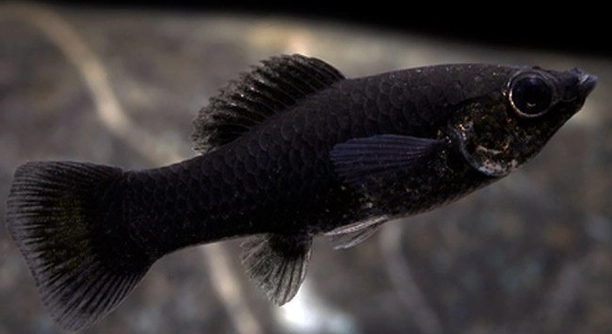
Do your black molly fish show signs of stress or unusual behavior in your aquarium? Managing their environment carefully can prevent illness and support their overall well-being. Observing subtle changes early helps maintain a healthy tank.
Black mollies should be quarantined when they display signs of disease, aggressive behavior, sudden injuries, after introduction to a new tank, or following exposure to contaminated water. Isolation helps prevent the spread of infection and allows focused care.
Proper quarantine practices protect both your black molly and the rest of your aquarium. Knowing the right times to isolate them ensures long-term health and stability.
Signs of Illness in Black Mollies
When a black molly becomes sick, you may notice changes in behavior or appearance. They might swim erratically, hide more often, or seem lethargic. Physical changes such as faded color, torn fins, or white spots can indicate common diseases like ich or fin rot. Monitoring their eating habits is also essential; a sudden loss of appetite often signals stress or illness. Quarantining the affected fish allows you to treat them without putting the healthy fish at risk. Early detection and isolation can prevent outbreaks and improve recovery. Observing each fish daily ensures you catch subtle signs before they become serious. Proper tank maintenance, including clean water and balanced feeding, supports recovery during quarantine.
Quarantining sick mollies prevents disease from spreading and gives you control over their care and treatment.
Separating the affected fish also allows for more precise medication dosages and consistent observation. It reduces stress from other tank mates and provides a safer environment for recovery.
Aggressive Behavior and Territorial Disputes
Aggressive mollies should be isolated to prevent injuries.
Aggression often arises when the tank is overcrowded or the hierarchy becomes unstable. Males may fight over territory or females, leading to stress and fin damage. Isolating aggressive individuals protects weaker fish and prevents escalation. Quarantine also provides a controlled space for observation and behavior correction. Adjusting tank decor and adding hiding spots can reduce conflicts once the fish are reintroduced. Consistent monitoring during isolation helps identify triggers and ensures a calmer environment for the group.
Introducing New Fish
New black mollies should always be quarantined before joining the main tank.
Bringing in new fish introduces a risk of disease and parasites. Even healthy-looking mollies can carry bacteria that spread quickly. Keeping them in a separate quarantine tank for at least two weeks allows you to monitor for unusual behavior or illness. During this time, provide clean water, proper nutrition, and observe for signs like lethargy, clamped fins, or white spots. This step protects your established community and reduces stress for both new and existing fish. Quarantine also gives you time to treat any minor issues before they affect the main tank.
Quarantine tanks should mimic the main aquarium environment. Matching temperature, pH, and hiding spots helps the new fish adjust and reduces shock when they are finally introduced to their permanent home.
Recovery from Injury
Injured black mollies need a safe space to heal.
Accidents, fights, or rough handling can leave your molly with torn fins or scratches. Isolating the injured fish prevents further harm and allows for focused care. Clean, well-oxygenated water supports healing, while careful feeding ensures they regain strength. Avoid overcrowding during recovery, as stress can slow the process. Observing the fish daily lets you monitor progress and detect infections early. Quarantine also allows for any necessary treatments, such as antibacterial medications, without affecting the main tank.
Providing gentle care during this time helps the molly recover fully. Simple steps like water changes, minimal disturbance, and nutritious food make a significant difference in speed and quality of recovery.
Exposure to Contaminated Water
Black mollies exposed to dirty or chemically imbalanced water should be quarantined immediately.
Contaminated water can carry bacteria, parasites, or harmful chemicals. Isolation prevents illness from spreading to other fish and allows you to treat the affected molly safely. Regular water testing supports long-term tank health.
Following a Tank Cleaning Accident
Accidents during tank maintenance, like chemical spills or sudden water changes, can stress fish.
Quarantining mollies after such events ensures they recover in a controlled environment. Stress weakens their immune system, making them more susceptible to disease. Observing them separately helps detect early signs of illness. Proper care, stable water conditions, and minimal disturbance during this period promote healing and reduce the risk of long-term health issues.
Post-Breeding Isolation
Separating pregnant or recently birthing mollies prevents stress and protects fry.
This allows mothers to recover fully and reduces risks of aggression or accidental harm from other fish.
FAQ
How long should I quarantine a new black molly?
New black mollies should be quarantined for at least two weeks. This period allows you to observe any signs of illness or stress before introducing them to your main tank. Proper quarantine reduces the risk of spreading disease and ensures a smoother transition for the new fish.
Can I keep multiple mollies in the same quarantine tank?
It’s best to limit the quarantine tank to one or two fish at a time. Overcrowding can increase stress and make it harder to detect illness. If multiple mollies must be quarantined together, ensure the tank is large enough, well-filtered, and has hiding spaces to reduce aggression.
What signs indicate my molly is sick?
Look for changes in swimming patterns, loss of appetite, faded color, clamped fins, or white spots. Lethargy, rubbing against surfaces, and rapid breathing are also warning signs. Early identification allows for faster treatment and reduces the chance of infecting other fish.
Should I use medication in the quarantine tank?
Yes, but only if necessary. Treating illness in a separate tank ensures the medication doesn’t affect the main aquarium’s ecosystem. Follow dosage instructions carefully, maintain water quality, and monitor the fish closely to track recovery.
Can stress alone make a molly sick?
Stress weakens the immune system, making fish more prone to disease. Causes include overcrowding, sudden water changes, or aggressive tank mates. Quarantining stressed fish gives them a calm environment to recover while reducing risks to other fish.
How do I set up a quarantine tank?
Use a small tank with a heater, filter, and hiding spots. Match the water parameters to your main tank, including temperature and pH. Add a gentle light schedule and provide clean, oxygenated water. Minimal disturbance helps the fish adapt quickly.
What should I feed my quarantined molly?
Offer a balanced diet appropriate for black mollies, such as high-quality flakes or frozen foods. Feeding small amounts two to three times a day prevents overfeeding and keeps water quality stable. Nutrition supports recovery and helps maintain energy during isolation.
Can I reuse a quarantine tank for different fish?
Yes, but clean it thoroughly between uses. Remove debris, disinfect surfaces, and ensure all equipment is free of leftover medication. This prevents cross-contamination and protects future fish from potential pathogens.
When is it safe to return a molly to the main tank?
Return the fish only after full recovery or completion of the quarantine period. Ensure they show normal behavior, healthy appetite, and no visible signs of disease. Gradually acclimate them to the main tank water to reduce stress.
Are there any long-term benefits to regular quarantines?
Regular quarantines prevent major outbreaks and maintain overall tank health. They allow early detection of disease, reduce stress from aggression or environmental changes, and ensure all fish thrive in a stable, controlled environment.
This FAQ covers the most common concerns and practical steps for quarantining black mollies. Following these practices keeps both your new and established fish healthy, minimizing risks and supporting a balanced aquarium.
Quarantining your black mollies is a critical step in maintaining a healthy and stable aquarium. Fish can hide signs of illness until it is too late, and even minor stress or injuries can quickly lead to serious health problems. A separate tank provides a controlled environment where you can monitor behavior, appearance, and appetite without interference from other fish. Observing mollies during quarantine allows you to identify early signs of disease, such as faded color, clamped fins, or lethargy, which can be easily overlooked in a crowded main tank. By taking the time to isolate new, sick, or stressed fish, you are reducing the risk of infections spreading, which protects both your existing stock and the overall balance of the aquarium. The process may seem like extra work, but the benefits far outweigh the effort, ensuring that each fish has the best chance to thrive.
Proper quarantine practices also support the recovery of injured or stressed mollies. Fish that experience physical trauma from aggression or accidental tank incidents are more vulnerable to infection and slower healing when kept in a group. A quarantine tank provides a safe, calm environment for healing, with stable water conditions and minimal disturbances. During this period, you can carefully administer treatments, adjust nutrition, and maintain optimal water quality without worrying about conflicts or competition from other fish. Even small changes, like hiding spots and gentle feeding schedules, can significantly improve recovery outcomes. Quarantine is not just about preventing disease; it is also about creating the right conditions for healing and stress reduction. Consistent care during this time ensures that once the molly returns to the main tank, it will be stronger, healthier, and less likely to succumb to illness or aggression.
Finally, quarantine is a long-term investment in the health and stability of your aquarium. By routinely isolating new fish, monitoring for disease, and allowing recovery from injuries, you maintain a safer environment for every inhabitant. A well-managed quarantine process minimizes sudden outbreaks, reduces stress-related illness, and creates more predictable tank dynamics. Over time, this leads to a more harmonious and resilient aquarium, where black mollies and other fish can thrive without frequent interventions. Taking quarantine seriously also builds your confidence as a fishkeeper, helping you recognize subtle health indicators and respond effectively. Ultimately, dedicating time to this practice ensures your aquarium remains a healthy, balanced ecosystem where each molly receives proper care and attention.

Hello,
If you enjoy the content that we create, please consider saying a "Thank You!" by leaving a tip.
Every little bit helps us continue crafting quality advice that supports the health, happiness, and well-being of pets around the world, for pets of all shapes, sizes, and species.
We really appreciate the kindness and support that you show us!