
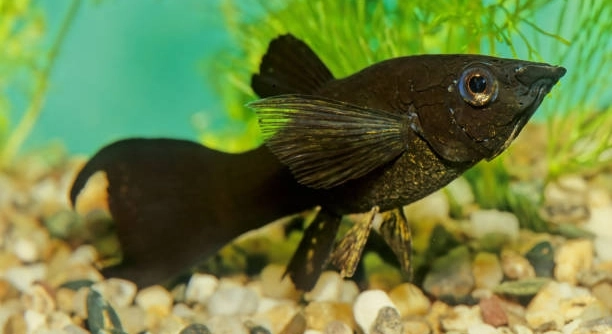
Fry are delicate and tiny, and watching them swim freely in an open tank is often calming and satisfying. Many fishkeepers enjoy observing their movement but sometimes notice fry behaving differently than expected. This behavior can be puzzling at first glance.
Fry may refuse to swim freely due to stress, inadequate water conditions, or limited swimming space. Ensuring proper temperature, oxygen levels, and hiding spots helps them feel secure, promoting natural swimming behavior and overall growth. Monitoring environmental factors is crucial.
Observing fry behavior reveals more than just their swimming patterns. Small changes in their environment can have significant effects on their health and activity.
Understanding Fry Stress
Fry are very sensitive to their surroundings, and even small changes can make them stop swimming freely. Sudden movements, loud noises, or too many other fish in the tank can increase stress levels. When stressed, fry often hide at the bottom or cling to plants instead of exploring open areas. Water quality is also important. High ammonia or nitrite levels, incorrect pH, or low oxygen can all make fry lethargic. Maintaining clean water with gentle filtration helps them feel safe. Temperature fluctuations also affect activity; water that is too cold or too warm can slow them down. Fry need a calm environment with stable conditions to develop properly. Providing plants, hiding spaces, and a quiet atmosphere can encourage them to swim more naturally. Observing these small details can make a big difference in their comfort and growth, helping them thrive in a home tank.
Even small improvements in tank conditions can quickly increase fry activity and confidence, helping them explore more freely.
Fry may also react to overcrowding or competition for food. When too many fry are in one tank, some can feel threatened and avoid open areas. Separating them or providing additional hiding spaces allows them to move more freely. Feeding small, frequent meals reduces stress over limited food, keeping fry active and healthy. Choosing compatible tankmates and monitoring behavior regularly ensures all fry have space to grow. Over time, a balanced environment promotes natural swimming patterns, better health, and faster development. Consistent observation and adjustments can prevent long-term stress and inactivity.
Water Quality and Environment
Clean water is essential for fry to swim freely. Regular testing and gentle changes help maintain stability.
Poor water conditions can stunt growth and reduce activity. Fry exposed to high ammonia, nitrites, or sudden temperature shifts may hide constantly. Even slight overcrowding can increase stress, limiting movement. Plants and hiding spots provide safety, but the water itself must remain stable and free from toxins. Using a reliable filter and performing regular water changes ensures oxygen levels are sufficient. Gentle circulation prevents fry from being swept away while still keeping the water clean. Monitoring pH, temperature, and chemical balance prevents sudden shocks. Fry adapt better in calm, stable water than in constantly changing or contaminated conditions. Adjusting feeding routines, tank size, and hiding spaces alongside water quality helps fry swim confidently. Each of these factors works together to support growth, activity, and overall health. Observing how fry respond allows adjustments that keep them happy and swimming naturally.
Feeding Habits and Fry Behavior
Overfeeding can make fry sluggish and less willing to explore open spaces. Small, frequent meals are better than large amounts at once, as uneaten food can pollute the water and increase stress levels.
Fry need tiny, easily digestible food to stay active. Overfeeding not only reduces swimming but also affects water quality, making the tank less safe. Feeding small portions several times a day ensures all fry get nutrition without leftover food decaying. Fry may compete for food, and the weaker ones might stay hidden if they can’t access it. Adjusting feeding routines helps maintain energy levels, encourages movement, and supports steady growth. Watching how they respond to food can guide portion sizes and feeding frequency.
Live or frozen foods often stimulate activity. Fry react more naturally to moving food, which encourages swimming. Rotating food types ensures they receive all necessary nutrients. A mix of powdered food, tiny flakes, or newly hatched brine shrimp supports healthy development. Fry that are well-fed and comfortable in their environment will swim more confidently, explore open spaces, and grow stronger. Balancing food quantity and quality directly impacts activity levels and overall health.
Tank Layout and Hiding Spaces
Too few hiding spots can make fry feel unsafe and avoid open swimming areas. Plants and small decorations provide security and reduce stress.
Fry rely on a sense of safety to explore their surroundings. Without adequate hiding spots, they may cling to tank edges or stay at the bottom. Plants, rocks, and gentle décor break lines of sight and give fry confidence to swim. Overcrowded tanks reduce effective hiding spaces, causing timid behavior. Proper spacing between objects allows fry to navigate freely while feeling protected. Tank design also affects water flow and oxygen distribution. Balanced layout with open areas and shelters promotes natural swimming patterns and healthy activity. Observing fry behavior in relation to hiding spots shows if adjustments are needed to reduce stress and encourage exploration.
Light and Temperature
Fry are sensitive to strong or fluctuating light. Bright light can make them hide, while dim or consistent lighting encourages exploration and swimming.
Maintaining a stable water temperature is crucial. Sudden changes can shock fry, causing them to stay at the bottom or near hiding spots instead of moving freely.
Social Behavior and Interaction
Fry respond to the presence of other fish. Overcrowding or aggressive tankmates can make them timid, while calm companions allow more freedom. Proper separation and observing interactions help fry swim without fear.
Monitoring Growth
Tracking fry growth helps identify issues early. Uneven growth may indicate stress, poor feeding, or inadequate water conditions, which affect swimming activity.
Adjusting Tank Conditions
Small changes in filtration, water flow, or décor can significantly improve fry confidence and activity. Consistent adjustments promote natural behavior and overall health.
FAQ
Why do fry hide instead of swimming freely?
Fry hide mainly because they feel unsafe. Sudden movements, strong light, or loud noises can startle them. Lack of hiding spaces in the tank also makes them retreat to corners or the bottom. Providing plants, decorations, and gentle lighting helps fry feel more secure and encourages them to explore open areas naturally.
How can I tell if water quality is affecting fry swimming?
Check for high ammonia, nitrite, or nitrate levels, as well as sudden temperature changes. Poor water quality often causes fry to become sluggish or stay near the bottom. Regular testing, small water changes, and gentle filtration help maintain stable conditions that support healthy swimming and overall growth.
What is the best feeding routine for fry?
Fry need small, frequent meals instead of large amounts at once. Overfeeding can pollute water, reduce oxygen, and make fry less active. Feed powdered food, tiny flakes, or live/frozen options like brine shrimp multiple times a day. Observing how fry respond to feeding helps adjust portion size and frequency for optimal growth.
Do tankmates affect fry behavior?
Yes. Aggressive or larger fish can stress fry, causing them to hide or avoid open areas. Calm or similar-sized companions allow fry to move freely. Overcrowding reduces hiding spots, making fry timid. Adjusting tankmates and monitoring interactions ensures fry feel safe and swim naturally.
How important are hiding spaces in the tank?
Hiding spaces are crucial. Fry need places to retreat when stressed. Plants, rocks, or small decorations provide safety and reduce fear, allowing fry to gradually explore open areas. Without proper shelters, fry may stay hidden constantly, which limits movement and slows development.
Does light affect fry swimming?
Yes. Too bright or fluctuating light can stress fry and cause them to hide. Consistent, moderate lighting promotes comfort and natural swimming. Positioning the tank away from direct sunlight or using adjustable aquarium lights helps maintain a stable environment that encourages activity.
How does temperature influence fry activity?
Fry are very sensitive to water temperature. Sudden drops or spikes can shock them, making them stay near the bottom or under plants. Maintaining a stable, species-appropriate temperature helps fry swim confidently, explore their tank, and feed regularly without stress.
Why do some fry grow slower than others?
Uneven growth can be caused by competition for food, poor water conditions, or genetic differences. Slower-growing fry may stay hidden more often. Observing feeding behavior, separating fry if necessary, and maintaining stable water quality ensures all fry get nutrition and space to grow properly.
Can water flow affect fry swimming?
Yes. Strong currents can make fry exhausted or force them to cling to plants and decorations. Gentle water flow supports oxygenation without overwhelming fry. Adjusting filter strength and positioning helps fry move naturally and maintain energy levels.
What are signs that fry are healthy and active?
Healthy fry swim freely, respond to food, and explore open areas without constant hiding. Their coloration is even, and they show steady growth. Observing daily behavior helps identify stress or illness early, allowing for adjustments in feeding, water quality, or tank setup to support activity and well-being.
How often should I change water for fry?
Regular small water changes are best. Changing 10-20% of water weekly or biweekly keeps ammonia and nitrites low without shocking fry. Large or infrequent changes can disturb the environment and stress fry, reducing swimming and feeding activity. Consistency is key for a stable habitat.
What should I do if fry are not swimming after all adjustments?
If fry remain inactive, review all environmental factors: water quality, temperature, tank layout, hiding spaces, and feeding routine. Consider separating fry to reduce stress or consult experienced aquarists. Continuous observation and patient adjustments usually help fry regain confidence and start exploring the tank freely.
How can I encourage shy fry to swim more?
Gradually reduce stressors such as bright light or strong currents. Add more plants or decorations to create secure pathways. Feed in small, frequent amounts to keep them active. Over time, shy fry often gain confidence and begin swimming naturally in open areas.
Can fry behavior indicate tank issues?
Yes. Consistent hiding, sluggish movement, or refusal to eat can signal poor water quality, temperature problems, or overcrowding. Observing behavior is a reliable way to detect issues early. Addressing these factors quickly helps fry regain normal activity and healthy growth patterns.
Final Thoughts
Fry are small and delicate, and their behavior can tell a lot about their environment. Observing fry swimming or hiding helps understand how they feel in their tank. When fry refuse to swim freely, it usually signals that something in their surroundings is not ideal. Stress, poor water quality, lack of hiding spaces, or improper temperature can all make fry timid and inactive. Each of these factors affects their comfort and growth. Paying attention to these signs allows for early corrections and improves overall fry health. Over time, small adjustments in tank conditions and feeding routines can make a big difference in their confidence and activity levels.
Providing a stable and calm environment is one of the most important steps to encourage fry to explore open spaces. Water quality must be consistently monitored, and parameters like ammonia, nitrite, and temperature should remain within safe ranges. Plants, rocks, and gentle décor give fry places to hide and reduce stress, which in turn encourages swimming. Feeding small, frequent meals ensures all fry receive enough nutrition without overloading the tank or creating waste that harms water quality. Gentle water flow, consistent lighting, and careful attention to tankmates all contribute to a comfortable environment. Fry that feel safe are more likely to swim naturally and interact with their surroundings, which supports both physical growth and behavioral development.
Watching fry thrive is rewarding because it reflects the care given to their habitat. Adjusting feeding routines, tank layout, and environmental factors gradually teaches fry to navigate open areas with confidence. Even small changes, such as adding a plant or slightly adjusting water temperature, can have noticeable effects on behavior. Understanding fry behavior also helps anticipate potential problems before they affect health or growth. By observing and responding to their needs, fry can develop stronger swimming skills, better coordination, and overall resilience. Patience and consistent care ensure that fry not only survive but grow into healthy, active fish capable of exploring their tank freely.

Hello,
If you enjoy the content that we create, please consider saying a "Thank You!" by leaving a tip.
Every little bit helps us continue crafting quality advice that supports the health, happiness, and well-being of pets around the world, for pets of all shapes, sizes, and species.
We really appreciate the kindness and support that you show us!