
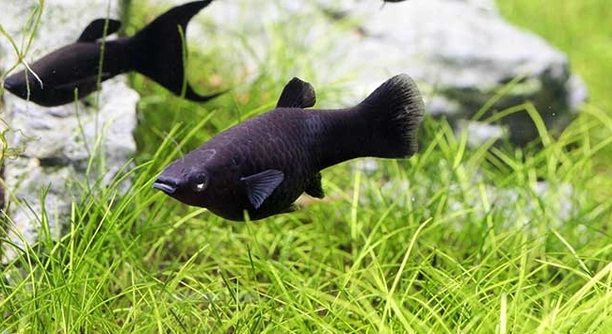
Do you ever find yourself setting up a new aquarium and wondering how to create the best environment for your black molly? Ensuring they thrive requires attention to water quality, temperature, and general tank conditions.
Black mollies require stable water conditions, including a temperature range of 75–82°F, pH levels between 7.0 and 8.5, moderate hardness, proper filtration, regular water changes, adequate tank size, and appropriate lighting to maintain optimal health and reduce stress.
Maintaining these conditions is essential for the overall well-being of black mollies and helps prevent common health issues. Proper care ensures a vibrant and active aquarium environment.
Water Temperature and Stability
Maintaining a consistent water temperature is essential for black mollies. They thrive best in water between 75 and 82°F. Sudden fluctuations can stress them, weaken their immune system, and make them prone to disease. Using a reliable heater and thermometer helps ensure the water stays within the correct range. Avoid placing the tank near windows or vents, as drafts or sunlight can cause rapid temperature changes. Gentle water circulation helps distribute heat evenly throughout the aquarium.
Even small drops or spikes in temperature can upset black mollies’ balance and lead to sluggish behavior.
Monitoring and stabilizing water temperature is one of the simplest ways to support your black mollies’ health. Consistency reduces stress and encourages natural behavior, such as swimming actively and breeding. It is also important to acclimate new fish slowly to avoid shock. When making adjustments, do so gradually over several hours. Regular checks of the thermometer and heater ensure the tank remains safe. Seasonal changes in room temperature may require small adjustments to maintain stability. Pairing temperature control with other conditions like filtration and water chemistry creates a reliable, healthy environment that allows black mollies to thrive long-term.
Filtration and Water Quality
A strong filter keeps water clean and removes harmful toxins.
Proper filtration ensures that waste and debris do not build up, which could harm black mollies. A filter rated for the tank’s size provides steady water flow without creating strong currents that stress the fish. Biological filtration is crucial for breaking down ammonia and nitrites into less harmful substances. Regular maintenance, such as rinsing filter media in tank water, keeps the system efficient without killing beneficial bacteria. Combined with consistent water changes, a quality filtration system helps maintain clear, healthy water. Monitoring ammonia, nitrite, and nitrate levels regularly allows quick action if imbalances occur.
Filtration works together with water chemistry to create a stable environment for black mollies. Even small amounts of waste can change pH or hardness levels, impacting health over time. Using a combination of mechanical, chemical, and biological filtration ensures maximum water quality. This prevents cloudy water and reduces the risk of bacterial or fungal infections. Pairing filtration with proper feeding habits avoids overloading the system with excess food. Overall, maintaining excellent water quality through effective filtration is a cornerstone of black molly care and contributes to their longevity, coloration, and activity. Regular testing and maintenance keep the tank environment predictable and safe, promoting natural behavior and reducing stress for every fish in the aquarium.
pH Levels and Water Hardness
Black mollies thrive in slightly alkaline water, with pH between 7.0 and 8.5. Maintaining proper water hardness supports their biological functions and helps prevent stress-related illnesses.
Consistent pH levels are critical for black mollies’ health. Sudden changes can lead to stress, reduce appetite, and increase vulnerability to disease. Regular testing ensures the water stays within the optimal range. Using buffering agents or natural substrates can help stabilize pH. Water hardness also plays a role in their overall well-being, influencing metabolic processes and skeletal development. Both pH and hardness should be adjusted gradually to avoid shocking the fish.
Monitoring pH and hardness allows for a controlled environment where black mollies can swim actively, reproduce, and display vibrant coloration. Soft water can be balanced with minerals, while overly hard water can be diluted with conditioned water. Combining these measures with proper filtration and stable temperature ensures a healthy, stress-free tank. Regular testing prevents unnoticed shifts that could harm the fish, making the tank more predictable and safe. These adjustments maintain overall vitality and support long-term health for black mollies.
Tank Size and Space Requirements
Black mollies need adequate space to swim freely and establish territories. A minimum of 20 gallons is recommended for a small group.
Providing enough space reduces aggression, supports healthy growth, and allows for proper schooling behavior. Overcrowding leads to stress, weakened immunity, and potential fin damage. Decorating the tank with plants and hiding spots encourages natural behaviors and helps shy individuals feel secure. Space also allows for better water circulation and more stable water chemistry. A larger tank accommodates more fish while maintaining proper environmental conditions, making it easier to manage daily maintenance and monitor health effectively.
Lighting Conditions
Black mollies benefit from moderate lighting that mimics natural daylight. Too much light can encourage algae growth, while too little can dull their coloration.
Providing a consistent light cycle of 8–10 hours per day helps regulate their behavior and supports plant growth if live plants are present.
Proper Diet and Feeding
Black mollies require a varied diet of high-quality flake food, frozen or live foods, and occasional vegetables. Balanced nutrition ensures healthy growth, vibrant colors, and active behavior. Feeding small amounts two to three times daily prevents overfeeding and water quality issues. Regularly observing their appetite helps detect early health problems.
Regular Water Changes
Performing water changes of 25–30% weekly keeps the tank clean and removes toxins. This simple practice maintains a stable environment for black mollies and supports long-term health.
FAQ
What is the ideal tank size for black mollies?
A minimum of 20 gallons is recommended for a small group of black mollies. Larger tanks provide more swimming space, reduce stress, and help maintain stable water conditions. Overcrowding can lead to aggression and health issues, so giving them enough room is essential.
How often should I change the water?
Weekly water changes of 25–30% are ideal. This removes accumulated waste, uneaten food, and toxins while maintaining stable water chemistry. Regular changes prevent spikes in ammonia and nitrites, keeping black mollies healthy and active. Combining water changes with proper filtration maximizes water quality.
What pH and hardness do black mollies need?
Black mollies thrive in slightly alkaline water, with pH between 7.0 and 8.5. Moderate water hardness supports biological functions and helps prevent stress-related illnesses. Gradual adjustments are key to avoid shocking the fish. Testing water regularly ensures levels remain optimal.
What is the best water temperature?
They prefer temperatures between 75–82°F. Sudden changes can stress them and weaken immunity. Using a reliable heater and thermometer ensures consistent warmth. Avoid placing the tank near vents or windows to prevent temperature fluctuations. Gentle circulation helps distribute heat evenly.
How much light do black mollies need?
Moderate lighting for 8–10 hours a day works best. Excessive light can encourage algae growth, while too little can dull their coloration. A timer can maintain a consistent light cycle, helping regulate their behavior and supporting live plant growth.
What should I feed black mollies?
A varied diet is essential. High-quality flake food, frozen or live foods, and occasional vegetables ensure healthy growth and vibrant colors. Feeding small amounts two to three times a day prevents overfeeding and keeps the water clean. Monitoring appetite can help detect early health issues.
Can black mollies live with other fish?
Yes, they are generally peaceful and can coexist with other livebearers or small community fish. Avoid aggressive species that may nip fins. Providing plants and hiding spaces reduces stress and encourages natural behavior. Tank mates should thrive in similar water conditions.
How do I prevent diseases?
Maintaining stable water parameters, proper filtration, and a balanced diet are crucial. Quarantine new fish to prevent introducing illnesses. Observing behavior and appearance daily helps catch problems early. Regular water changes and clean tanks reduce the risk of bacterial or fungal infections.
Do black mollies need live plants?
While not required, live plants offer hiding spots and improve water quality. They reduce stress, promote natural behavior, and can help maintain stable pH levels. Hardy plants like Java fern or Anubias are suitable and require low to moderate lighting.
How do I handle breeding black mollies?
They are livebearers, giving birth to fully formed fry. Providing plants or breeding boxes gives fry a safe place to hide. Separate adults from fry if necessary to prevent them from being eaten. A varied diet supports both adult health and fry growth.
Can black mollies tolerate brackish water?
Yes, they can adapt to slightly brackish conditions. Adding a small amount of aquarium salt supports their health and simulates natural habitats. Gradual changes are necessary to prevent stress. Monitoring water parameters ensures they remain within safe limits.
How often should I clean the filter?
Clean filter media in tank water every 2–4 weeks to remove debris while preserving beneficial bacteria. Avoid using tap water directly, as chlorine can kill helpful bacteria. Proper maintenance keeps water clear and supports a healthy environment for black mollies.
What signs indicate stress in black mollies?
Signs include clamped fins, reduced activity, loss of appetite, or hiding excessively. Stress can result from poor water quality, overcrowding, sudden temperature shifts, or incompatible tank mates. Addressing the cause quickly prevents illness and improves overall well-being.
Can black mollies live in freshwater only?
Yes, they can survive in freshwater but often thrive better with slightly brackish conditions. Adding a small amount of aquarium salt can improve health, coloration, and breeding success. Monitoring water quality ensures they remain comfortable and active.
How long do black mollies live?
With proper care, black mollies can live 3–5 years. Maintaining stable water conditions, balanced nutrition, and a clean environment supports longevity. Observing behavior and health regularly helps catch issues early and prolongs their lifespan.
Are black mollies sensitive to water changes?
They can tolerate gradual changes, but sudden or large water replacements may stress them. Always match temperature, pH, and hardness when adding new water. Gradual adjustments and small weekly changes keep them comfortable and reduce the risk of illness.
How can I encourage breeding?
Maintain stable water conditions, provide a balanced diet, and ensure adequate space. Adding live plants or breeding boxes offers fry a safe place. Slightly increasing temperature and adding a small amount of aquarium salt can also encourage reproduction.
Do black mollies need specific tank decorations?
They do well with hiding spots like plants, rocks, or caves. Decorations reduce stress, allow natural exploration, and create territories. Avoid overcrowding the tank, as black mollies need open swimming areas alongside sheltered spaces. A balanced layout supports both activity and safety.
What is the best way to acclimate new black mollies?
Float the sealed bag in the tank for 15–20 minutes to match temperature. Gradually mix small amounts of tank water into the bag over 30–60 minutes. Slowly releasing them reduces stress and minimizes the risk of shock from sudden water differences.
How do I maintain water clarity?
Proper filtration, regular water changes, and avoiding overfeeding are key. Removing debris and uneaten food prevents cloudiness and maintains a healthy environment. Occasional vacuuming of the substrate also helps keep the water clear and supports overall tank hygiene.
What are common black molly health issues?
Stress, poor water quality, and nutritional deficiencies can lead to fin rot, ich, or fungal infections. Observing behavior, maintaining stable conditions, and providing a balanced diet prevent most health problems. Early detection allows for prompt treatment and recovery.
How can I improve black molly coloration?
A varied diet, stable water conditions, and moderate lighting enhance coloration. Stress-free environments and proper nutrition promote vibrant fins and body color. Healthy adults with good water quality display their natural black shades more vividly, making the aquarium visually appealing.
Are black mollies aggressive?
They are generally peaceful but may show mild territorial behavior in crowded tanks. Adequate space, hiding spots, and compatible tank mates reduce aggression and allow harmonious community living. Observation ensures no fish are being bullied or stressed by others.
Can black mollies adapt to different water types?
Yes, they are adaptable to freshwater and slightly brackish water. Gradual acclimation ensures comfort. Monitoring pH, hardness, and temperature ensures they thrive in varying conditions without stress or health issues.
How do I prevent algae growth in a black molly tank?
Moderate lighting, proper feeding, and regular water changes control algae. Avoid overfeeding and provide plants to compete with algae. Maintaining clean surfaces and using a balanced light cycle reduces excessive growth, keeping the tank healthy and visually appealing.
Is it necessary to quarantine new fish?
Yes, quarantining prevents introducing diseases or parasites. Observing new arrivals for 2–4 weeks allows early detection of illness before adding them to the main tank. This protects existing black mollies and maintains overall tank health.
What is the best substrate for black mollies?
Sand or fine gravel works best. It supports plant growth and prevents injury while allowing natural foraging. Avoid sharp or rough substrates that could damage fins. A well-chosen substrate complements decorations and promotes a safe, comfortable environment.
How do I handle sick black mollies?
Isolate affected fish in a separate hospital tank. Adjust water conditions, provide appropriate medication, and monitor recovery closely. Early intervention increases the chances of full recovery and prevents the spread of illness to healthy tank mates.
Can black mollies live alone?
They prefer groups of at least three to five. Social interaction encourages natural behavior and reduces stress. While they can survive alone, their activity and well-being improve significantly when kept with other black mollies or compatible community fish.
What are the signs of breeding readiness?
Males display darker coloration and develop a pointed anal fin. Females appear fuller in the abdomen when carrying fry. Observing these physical cues helps prepare for breeding and provides a safe environment for offspring.
How can I reduce stress for black mollies?
Stable water, adequate space, compatible tank mates, and hiding spots reduce stress. Avoid sudden changes in temperature, pH, or lighting. Regular monitoring and gentle handling support mental and physical health, keeping black mollies active and healthy.
Is it safe to add salt to a black molly tank?
Yes, small amounts of aquarium salt support health, improve coloration, and prevent certain parasites. Gradually adding salt prevents stress. Monitor water parameters to ensure levels remain safe and beneficial for black mollies.
How often should I feed black mollies?
Two to three small feedings per day are ideal. This prevents overfeeding, reduces waste, and maintains water quality. Observing appetite ensures they receive proper nutrition without negatively affecting tank conditions.
Can black mollies live with shrimp or snails?
Yes, they generally coexist peacefully with small, non-aggressive invertebrates. Shrimp and snails help clean the tank and do not compete for space, creating a balanced ecosystem that benefits all inhabitants.
Do black mollies require special care in winter?
Indoor tanks usually maintain stable conditions, but check heaters to prevent temperature drops. Maintain feeding schedules and monitor water quality closely to ensure fish remain healthy during cooler months. Gradual adjustments avoid stress from seasonal changes.
How can I tell if water quality is poor?
Cloudy water, algae overgrowth, unusual behavior, or discolored fins indicate water problems. Regular testing for ammonia, nitrites, nitrates, pH, and hardness allows early intervention, preventing stress and disease in black mollies.
Are black mollies sensitive to chlorine or chloramine?
Yes, tap water containing chlorine or chloramine can harm them. Using a water conditioner neutralizes these chemicals, making the water safe. Always treat new water before adding it to the tank to protect fish health.
What temperature adjustments are needed for breeding?
Slightly raising the temperature within their safe range encourages reproductive activity. Gradual increases prevent stress. Maintaining stable pH, hardness, and water quality supports successful breeding and the health of both adults and fry.
Do black mollies need air stones or extra oxygenation?
While not required in well-filtered tanks, air stones can improve oxygen levels and water circulation. This is helpful in heavily stocked aquariums or during higher temperatures, ensuring black mollies remain active and healthy.
How do I introduce new black mollies to an existing tank?
Float the new fish in the tank for 15–20 minutes to match temperature. Gradually add small amounts of tank water into the bag over 30–60 minutes. Slowly release them to reduce stress and avoid shocking the fish.
What plants are best for black molly tanks?
Hardy plants like Java fern, Anubias, and hornwort provide hiding spaces, improve water quality, and are low-maintenance. They reduce stress, encourage natural behavior, and tolerate moderate light levels, complementing black mollies’ environment.
Can black mollies tolerate slightly salty water?
Yes, adding small amounts of aquarium salt mimics brackish conditions, improving health and coloration. Gradual changes prevent stress, and monitoring ensures water parameters remain safe and stable for all inhabitants.
Do black mollies require supplements?
A balanced diet usually provides necessary nutrients. Occasional supplementation with vitamins or greens supports coloration, growth, and overall health. Avoid over-supplementing, as excess can pollute water and harm fish.
How long should lights stay on daily?
A consistent 8–10 hour light cycle mimics natural conditions. This supports activity, coloration, and plant growth while preventing excessive algae development. Using a timer ensures a steady schedule without manual adjustments.
Can black mollies tolerate tankmates with different water needs?
It is best to choose species with similar temperature, pH, and hardness requirements. Incompatible water needs can cause stress and illness, so selecting appropriate tankmates ensures a harmonious community and reduces maintenance issues.
How do I prevent fin damage in black mollies?
Avoid sharp decorations, overcrowding, and aggressive tankmates. Providing adequate swimming space, smooth substrate, and hiding areas reduces stress and prevents torn or damaged fins. Proper nutrition and stable water conditions support recovery if minor injuries occur.
Are black mollies sensitive to noise or vibrations?
Excessive vibration or sudden loud noises can stress them, causing hiding or erratic swimming. Keeping the tank in a stable, quiet location supports calm behavior and overall health, minimizing the risk of stress-related illness.
How can I tell if a black molly is sick?
Signs include clamped fins, loss of appetite, unusual swimming patterns, discoloration, or visible spots. Early detection allows treatment before conditions worsen. Observing behavior daily ensures prompt action for maintaining health and well-being.
Is tank cycling necessary before adding black mollies?
Yes, cycling establishes beneficial bacteria that break down waste. This prevents ammonia and nitrite spikes, which are toxic. Fully cycled tanks provide a safe environment, reducing stress and supporting long-term health for black mollies.
Can black mollies live with bettas?
Caution is advised. Bettas can be aggressive, especially males. Tank size, hiding spaces, and individual temperaments affect compatibility. Observing interactions closely is crucial to prevent stress or injury. Generally, other peaceful species are safer companions.
Do black mollies need constant monitoring?
Regular observation helps detect early signs of illness, stress, or water issues. Daily checks for behavior, feeding, and appearance allow prompt action, ensuring a stable environment and healthy, active fish.
What is the maximum number of black mollies per tank?
Stocking depends on tank size. A minimum of 20 gallons suits 3–5 black mollies. Overcrowding causes stress, aggression, and poor water quality. Larger tanks allow more fish while maintaining health and activity.
How do I handle sudden water parameter changes?
Adjust gradually by mixing small amounts of new water or using buffers. Sudden changes can shock fish, causing stress or illness. Careful monitoring and step-by-step adjustments ensure a safe environment.
Are black mollies prone to specific diseases?
Common issues include fin rot, ich, and fungal infections, often linked to poor water quality or stress. Proper care, nutrition, and tank maintenance reduce the risk. Prompt treatment is necessary for recovery.
Do black mollies require seasonal care adjustments?
Indoor tanks remain stable, but monitor temperature, water changes, and feeding during seasonal shifts. Small adjustments prevent stress, keeping fish healthy throughout the year.
Can black mollies tolerate slightly different water chemistry?
Yes, but gradual acclimation is necessary. Rapid changes in pH, hardness, or salinity can stress them. Monitoring and adjusting water parameters carefully ensures safety and promotes long-term health.
How often should I test water parameters?
Weekly testing for pH, hardness, ammonia, nitrites, and nitrates is recommended. Regular monitoring prevents unnoticed changes, maintains stability, and ensures black mollies remain healthy and stress-free.
Is it necessary to remove uneaten food immediately?
Yes, leftover food decomposes and affects water quality. Removing it prevents ammonia spikes, reduces algae growth, and supports a clean, healthy environment for black mollies.
Can black mollies live in planted or unplanted tanks?
They adapt to both, but plants provide hiding spaces, improve water quality, and reduce stress. A mix of open swimming areas and planted zones creates a balanced, comfortable environment.
How do I acclimate black mollies to a new tank?
Float the bag in the tank to match temperature, then gradually mix tank water over 30–60 minutes. Slowly releasing them reduces stress and prevents shock, ensuring smooth adjustment to new conditions.
Do black mollies require specific water flow?
Moderate water flow is ideal. Too strong currents can stress them, while stagnant water may reduce oxygen levels. Proper filtration and circulation maintain healthy, comfortable swimming conditions.
Can black mollies coexist with goldfish?
Not recommended. Goldfish produce more waste and prefer cooler water. Temperature and water chemistry differences make them incompatible, leading to stress and potential health issues. Peaceful tropical species are safer companions.
How do I maintain long-term black molly health?
Stable water conditions, balanced diet, proper tank size, and regular monitoring are essential. Combined with preventive care, these measures support longevity, vibrant coloration, and active behavior. Attention to small details ensures a thriving, healthy aquarium environment.
What is the easiest way to prevent stress?
Maintain consistent water parameters, avoid overcrowding, provide hiding spots, and choose compatible tank mates. A calm, stable environment encourages natural behavior, improves health, and reduces susceptibility to illness.
Can black mollies tolerate fluctuating temperatures for short periods?
Short-term minor fluctuations are usually tolerated, but prolonged or frequent changes cause stress. Keeping temperature within the ideal range prevents illness and supports overall vitality.
Are black mollies suitable for beginners?
Yes, they are hardy and adaptable, making them a good choice for new aquarists. Following basic care practices ensures they remain healthy and active. Regular observation and simple maintenance are enough to keep them thriving.
How do I prevent overcrowding?
Plan tank size according to the number of fish, with at least 20 gallons for a small group. Avoid adding too many fish at once. Proper stocking ensures stable water quality and reduces stress-related issues.
What equipment is essential for black molly care?
A reliable heater, thermometer, quality filter, substrate, and moderate lighting are key. Optional items include air stones, live plants, and hiding spots. Maintaining these essentials ensures a stable, healthy, and comfortable environment.
Do black mollies need any seasonal feeding adjustments?
Indoor tanks usually allow consistent feeding year-round. However, slight adjustments may be needed during temperature changes. Monitoring appetite ensures proper nutrition and avoids overfeeding.
How do I detect early signs of illness?
Clamped fins, loss of appetite, unusual swimming, discoloration, or spots indicate health issues. Early detection allows prompt treatment, preventing severe problems and promoting recovery.
Can black mollies live with other livebearers?
Yes, they are compatible with similar species like guppies and platies. Ensure tank conditions match all species’ needs and provide enough space to prevent territorial disputes and stress.
How do I support fry survival?
Provide hiding places with plants or breeding boxes. Separate adults if necessary to prevent predation. Maintaining clean water and a balanced diet ensures fry grow healthy and strong.
**Are black mollies sensitive to
Maintaining a healthy black molly tank requires attention to several key factors. Water temperature, pH, and hardness need to remain stable to prevent stress and support overall health. A reliable heater, thermometer, and regular water testing help maintain these parameters. Gradual adjustments are important when conditions change to avoid shocking the fish. Consistency in temperature and chemistry encourages active behavior, vibrant coloration, and natural feeding patterns. Tank size also plays a significant role, as overcrowding can lead to aggression, reduced immunity, and stunted growth. A minimum of 20 gallons is recommended for a small group, allowing fish enough space to swim freely and establish territories. Adding plants and decorations provides hiding spaces, reduces stress, and encourages natural behaviors while maintaining open swimming areas.
Filtration and regular water changes are equally important in sustaining a healthy environment. A properly rated filter removes debris, waste, and harmful chemicals while supporting beneficial bacteria that break down ammonia and nitrites. Weekly water changes of 25–30% help maintain clear water, remove toxins, and prevent algae growth. Overfeeding should be avoided, as uneaten food can degrade water quality and promote bacterial or fungal growth. Balanced feeding with high-quality flake food, frozen or live foods, and occasional vegetables ensures proper nutrition, supporting growth, reproduction, and vibrant coloration. Observing feeding habits and appetite also helps detect early signs of illness, allowing for quick intervention. Combining proper filtration, water changes, and controlled feeding creates a stable environment where black mollies can thrive over the long term.
Finally, black mollies benefit from careful monitoring and preventive care. Regular observation of behavior, appearance, and tank conditions helps detect stress or illness early. Providing compatible tank mates and maintaining moderate lighting encourages natural behavior while preventing unnecessary stress. Live plants can improve water quality, offer hiding spots, and enhance the tank’s overall environment. Quarantining new fish, maintaining stable water parameters, and managing seasonal changes further support their health and longevity. Attention to these details ensures black mollies remain active, colorful, and resilient. By following these practices consistently, a black molly tank can provide a safe, balanced, and thriving environment, allowing the fish to live a full and healthy life.

Hello,
If you enjoy the content that we create, please consider saying a "Thank You!" by leaving a tip.
Every little bit helps us continue crafting quality advice that supports the health, happiness, and well-being of pets around the world, for pets of all shapes, sizes, and species.
We really appreciate the kindness and support that you show us!