
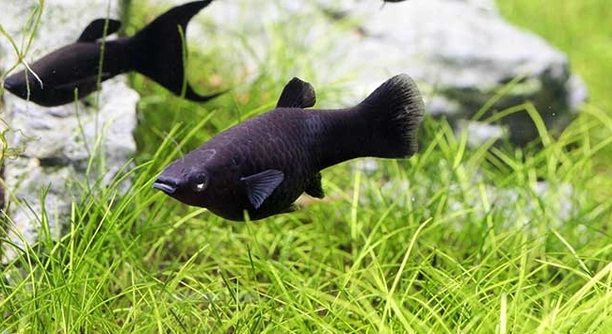
Many aquarium keepers look for peaceful fish that fit nicely into shared setups, and black mollies become a popular option. Their behavior, size, and adaptability make them appealing choices for community environments in home aquariums.
Black mollies are generally suitable for community tanks because they display calm behavior, adapt to water conditions, and coexist well with peaceful species. Their temperament and consistent activity levels make them reliable additions to mixed aquariums when maintained under care.
Peaceful behavior, simple care needs, and calm activity help black mollies support balanced community setups, offering a smooth experience overall.
Behavior and Compatibility
Black mollies tend to settle quickly into shared aquariums, making them dependable for keepers who appreciate calm, predictable behavior. Their interactions with tank mates remain gentle, which supports a stable environment where each species can move comfortably. I find that their steady swimming and easygoing nature help create a balanced atmosphere that reduces stress for other fish. They also adapt well to different setups, so mixing them with peaceful species often feels straightforward. When kept with similar sized fish that prefer mild conditions, black mollies show consistent activity without overwhelming the space. Their simple habits can make care routines easier to handle, especially for keepers who enjoy maintaining an organized layout. By choosing suitable companions and avoiding aggressive species, these fish can support harmony in a shared aquarium. Over time, their steady presence becomes a reassuring part of the tank, providing gentle movement and clear predictability in daily tank life.
Their compatibility improves when the aquarium remains spacious, stable, and well maintained. Peaceful tank mates respond positively to the calm activity black mollies display. I notice their steady behavior often encourages smoother interactions, especially when the environment supports swimming and consistent conditions that keep stress levels low for every species.
Keeping black mollies comfortable depends on maintaining water conditions that stay stable and easy for them to handle. Their preference for mild parameters helps simplify the setup, and this can reduce the chance of conflicts with other peaceful fish. I find that managing space, feeding, and filtration creates a smoother experience overall. When these needs stay consistent, black mollies remain active without placing pressure on the rest of the tank. This balanced approach supports steady social behavior and makes the aquarium feel calm. With proper care, they contribute to a peaceful setup that supports long term health for every species.
Tank Requirements and Care
Black mollies thrive when their tank provides stable water quality, clear filtration, and enough space to move comfortably. Their preference for mild conditions makes upkeep easier, and I find that regular maintenance keeps them active. Consistent monitoring helps prevent stress and supports healthy behavior across the entire aquarium each day.
Maintaining black mollies in a shared aquarium becomes simpler when you understand the conditions they rely on to stay comfortable. These fish appreciate mild salinity, steady temperature, and clean water that remains well filtered. I find that keeping these factors consistent helps maintain their steady activity without creating tension in the tank. Their appetite stays healthy when meals are balanced and offered in moderate portions, which prevents excess waste that could disrupt water stability. Providing open swimming space and gentle circulation supports their natural movement and keeps them relaxed. When choosing decorations, smooth structures and open areas work well because they prevent accidental stress from overcrowded layouts. Regular maintenance, including partial water changes, helps maintain clarity and reduces issues that could impact long term health. Observing behavior also plays a key role, since early signs of discomfort give you time to adjust conditions before they affect other species. Black mollies respond positively to structured routines, which makes them reliable additions to community tanks. With care that stays steady and intentional, these fish adapt easily and contribute to a balanced environment where every species can coexist peacefully. Their calm presence brings a soft rhythm to the aquarium, making upkeep feel manageable.
Feeding and Dietary Needs
Black mollies stay healthier when their meals remain balanced and consistent. I find that offering a mix of quality flakes, vegetables, and occasional protein keeps their activity steady. This approach supports stable behavior in shared tanks and helps prevent small issues caused by irregular feeding habits.
A nutritious diet supports their digestion, color, and overall comfort in community setups. I usually include blanched vegetables like spinach or zucchini because they provide needed fiber without adding stress to the aquarium. High quality flakes or pellets work well as a daily base, giving them steady nutrition. Occasional additions like brine shrimp or daphnia help maintain energy and interest during feeding. Keeping portions moderate prevents leftover food from causing problems in the water. When meals stay predictable and controlled, black mollies adjust easily and behave calmly around tank mates. Feeding them with care supports long term stability across the entire aquarium.
Black mollies benefit from a routine that avoids sudden changes in their diet. Their digestive system handles plant based foods well, so including those regularly makes feeding simpler. I find that spreading meals into small portions throughout the day helps reduce stress and competition. It also keeps the water cleaner by preventing buildup from excess food. Maintaining this balance gives them a steady rhythm that supports predictable behavior. Offering variety ensures they receive enough nutrients to stay active without overwhelming their system. When combined with stable water conditions, these habits improve their health and reduce issues caused by inconsistent feeding schedules. This approach keeps them comfortable and helps maintain harmony in community aquariums.
Ideal Tank Mates
Choosing peaceful species as companions helps keep interactions calm and predictable. I find that fish with similar temperaments adjust well to the steady behavior of black mollies, which reduces tension and supports a balanced aquarium that stays easy to manage each day.
Ideal companions include species that prefer mild water conditions and avoid aggressive behavior. Platies, guppies, tetras, and corydoras often pair well because they respect space and move calmly around the tank. I notice these combinations work best when the aquarium stays spacious, clean, and well maintained. This reduces crowding and gives each species room to swim without pressure. Avoiding fish known for chasing or nipping prevents stress that might disrupt the tank. Adding groups of compatible species also helps create a smoother rhythm throughout the aquarium. When you maintain balance in both population and behavior, the environment remains peaceful. Black mollies respond positively to these setups, contributing steady movement and maintaining calm interactions with their tank mates.
Common Issues to Watch For
Black mollies may show signs of stress when water conditions shift too quickly, so keeping the tank stable prevents many problems. I find that early observation helps you adjust small details before they affect the entire aquarium or disrupt peaceful interactions.
Overcrowding can also create tension, especially when space becomes limited. Maintaining enough room for gentle swimming keeps their behavior steady. Watching for fin nipping or sudden hiding helps you identify issues early, giving you time to correct the setup and keep the environment calm.
Breeding Considerations
Breeding black mollies in community tanks requires consistent monitoring because they reproduce quickly and can overwhelm the space if not managed carefully. I find it helpful to provide hiding spots for fry while also controlling adult behavior. Stable water conditions and gentle filtration support the breeding process without creating pressure on the rest of the aquarium. Feeding the fry small, frequent meals helps them grow steadily while reducing competition with adults. Separating the young when necessary protects them from being eaten and keeps the population under control. When breeding stays intentional, the tank remains balanced.
Lifespan and Long Term Care
Black mollies live longer when their environment stays clean and predictable. I find that regular maintenance, steady feeding habits, and stable parameters support their health through every stage. Keeping their needs consistent helps them remain active and calm in shared tanks.
FAQ
Are black mollies peaceful with other fish?
Yes, black mollies are generally peaceful and do well with other calm species. I’ve noticed that keeping them with fish of similar size and temperament reduces stress. Aggressive or overly active fish can create tension, so pairing them carefully ensures a harmonious tank environment. Their steady swimming and gentle behavior usually make them reliable companions for community setups.
How often should I feed black mollies?
Feeding them once or twice daily works well. I like to provide small portions to prevent leftover food from fouling the water. Including a mix of quality flakes, vegetables, and occasional protein ensures their diet stays balanced. Overfeeding can lead to health issues and water quality problems, so sticking to a routine helps maintain both their health and the tank’s cleanliness.
What water conditions do black mollies need?
Black mollies thrive in stable, mild conditions. I keep the temperature around 75–82°F and maintain a pH between 7.0 and 8.0. They can tolerate slightly brackish water, which can even encourage better coloration. Consistent water parameters reduce stress and help them stay active without creating problems for other peaceful species in the tank.
Do black mollies breed easily in community tanks?
Yes, black mollies breed quickly. I find that providing hiding spots for fry prevents adults from eating them. Regular monitoring and separating fry when necessary helps control population growth. Feeding the young small, frequent meals supports steady growth without competing with adults. Stable water and calm tank conditions make breeding more manageable.
Can black mollies live with aggressive fish?
It’s not recommended. I’ve seen that aggressive tank mates stress black mollies, leading to hiding, fin damage, or reduced activity. They do best with peaceful species that tolerate similar water conditions. Ensuring proper tank size and ample swimming space also helps reduce conflicts and maintains calm interactions.
How long do black mollies live?
With proper care, black mollies usually live 3–5 years. I find that stable water, consistent feeding, and a balanced community environment help them reach their full lifespan. Keeping stress low and monitoring for disease early also contributes to a longer, healthier life.
What is the best tank size for black mollies?
A minimum of 20 gallons works for a small group. I’ve learned that more space is better because black mollies are active swimmers. Overcrowding can increase stress, which may lead to behavioral issues or illness. Adequate swimming areas and hiding spots support their calm and consistent behavior.
Do black mollies require special filtration?
Moderate filtration is sufficient. I use a filter that maintains clean water without creating strong currents that overwhelm them. Gentle circulation keeps them comfortable and supports the tank’s overall stability. Regular water changes also help maintain quality and reduce stress for black mollies and their tank mates.
Can black mollies tolerate brackish water?
Yes, a small amount of salt in the water is fine. I’ve seen that brackish conditions can enhance their coloration and sometimes improve health. However, gradual adjustments are key, as sudden changes can stress them. Keeping salinity stable prevents issues and helps maintain peace in community tanks.
What common health issues should I watch for?
Fin rot, ich, and stress-related illnesses are the most common. I monitor water quality carefully and watch for unusual behavior like lethargy or clamped fins. Early detection and treatment make a big difference. Maintaining consistent water parameters, feeding properly, and avoiding aggressive tank mates keeps black mollies healthy and active.
Black mollies are a practical and reliable choice for community tanks because of their calm nature and adaptability. Their peaceful behavior allows them to coexist with other gentle species without causing major disruptions. I have seen tanks where black mollies maintain steady activity without creating tension, even when the aquarium is home to multiple species. They swim openly, interact in a predictable manner, and respond well to stable conditions, which helps keep the overall environment balanced. This predictability makes them ideal for keepers who want a community tank that feels organized and manageable. Their simple care needs and compatibility with other calm fish reduce the risk of conflicts, making daily maintenance easier. In my experience, when black mollies are introduced thoughtfully, they quickly establish themselves as a harmonious part of the tank.
Maintaining black mollies successfully relies on providing stable water conditions, balanced feeding, and adequate space. These fish thrive in tanks with consistent temperature, pH, and water quality, which minimizes stress and supports long-term health. I find that feeding them small portions of flakes, vegetables, and occasional protein helps them stay active and prevents leftover food from affecting the tank. Ensuring enough swimming space and hiding spots reduces stress and supports natural behaviors. Their moderate activity levels make them easy to observe, and their social interactions remain calm when tank mates are chosen carefully. Regular monitoring of water parameters and routine maintenance are crucial to keeping both black mollies and their companions healthy. Over time, this consistency creates an aquarium where behavior remains predictable, and the tank environment stays pleasant and stable.
Black mollies also provide the added benefit of contributing visual interest and gentle movement to a community aquarium. Their dark coloration contrasts nicely with other species, adding depth and variation to the tank without being overwhelming. I have noticed that their presence often encourages other peaceful fish to explore open areas, improving activity throughout the aquarium. When breeding occurs, providing protection for fry helps maintain balance while supporting natural behaviors, adding another layer of life to the tank. With thoughtful care, regular feeding, and careful selection of tank mates, black mollies continue to thrive and enrich shared environments. Their calm temperament, adaptability, and easy maintenance make them a consistent and rewarding addition, helping community aquariums stay lively yet manageable.

Hello,
If you enjoy the content that we create, please consider saying a "Thank You!" by leaving a tip.
Every little bit helps us continue crafting quality advice that supports the health, happiness, and well-being of pets around the world, for pets of all shapes, sizes, and species.
We really appreciate the kindness and support that you show us!