
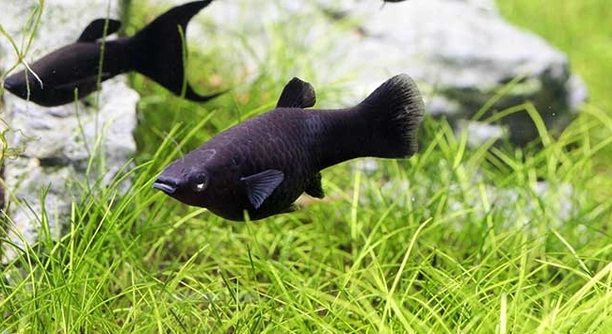
Do you ever notice your black molly swimming in tight circles around the tank and wonder if something is wrong with its behavior or health? These small fish can show unusual swimming patterns for several reasons.
A black molly swimming in circles is often caused by stress, water quality issues, or internal parasites. Inadequate tank conditions, improper diet, or sudden environmental changes can disrupt normal behavior, leading to repetitive circular swimming as a response to discomfort or illness.
Observing these patterns early can help prevent serious health problems and keep your black molly active and healthy in its tank environment.
Common Causes of Circular Swimming
Black mollies may swim in circles for several reasons. One frequent factor is water quality. High levels of ammonia, nitrites, or nitrates can irritate their gills, making them swim erratically. Another reason is stress caused by overcrowding or sudden changes in temperature or lighting. Sometimes, nutritional deficiencies affect their energy and coordination, leading to repetitive movements. Internal parasites or infections can also interfere with normal swimming patterns. Observing behavior alongside water tests helps identify these issues early. Tank decorations or strong currents may also influence movement. Some mollies naturally explore by swimming in loops, but persistent circling indicates a problem. Monitoring feeding habits and ensuring a balanced diet can reduce unusual swimming. Regular maintenance and partial water changes improve overall tank health. Behavior can also vary between individual mollies. Stress, illness, and environmental factors combine to shape how these fish swim. Paying attention to patterns helps maintain a healthy and calm aquarium for all inhabitants.
Regular water testing and tank cleaning are essential to prevent ongoing issues and protect your molly’s health.
Watching your black molly closely provides clues to its needs. Addressing water, diet, and stressors keeps it active and safe while helping you maintain a balanced tank.
Stress and Environmental Factors
Stress often triggers repetitive swimming in black mollies.
Environmental changes like moving the tank, sudden temperature shifts, or new tankmates can increase stress. Mollies are sensitive to these factors, and continuous circling is a natural stress response. Proper acclimation and consistent tank conditions help prevent this behavior.
Overcrowding is a common stressor in aquariums. When too many fish occupy a small space, black mollies compete for oxygen, food, and swimming space. This constant competition can lead to anxiety and repeated circular swimming. In addition, strong water currents or aggressive tankmates may force mollies into defensive patterns. Providing hiding spots and open swimming areas allows them to feel secure. Temperature fluctuations affect metabolism and activity, so keeping a stable temperature is crucial. A balanced diet strengthens immunity and reduces stress responses. Stress-related swimming is often temporary if conditions improve quickly. Recognizing early signs of stress ensures your molly recovers without lasting health effects. Consistent care, careful observation, and gradual changes create a stable environment that encourages normal, healthy behavior in black mollies.
Water Quality Issues
Poor water quality is a major factor in circular swimming. Ammonia, nitrite, or nitrate spikes can irritate your molly’s gills and affect its balance. Regular testing and partial water changes help maintain safe levels.
Maintaining proper water parameters is crucial for black mollies. Sudden changes in pH, hardness, or temperature can stress them and cause abnormal swimming. Using a reliable water testing kit and performing weekly partial water changes keeps conditions stable. Removing uneaten food and waste reduces harmful chemical buildup. Filters should run efficiently to maintain oxygen levels. Observing your fish while testing water helps correlate behavior with environmental conditions. Clear, clean water encourages natural swimming and reduces health risks.
Over time, consistent water care prevents long-term stress and illness. Black mollies thrive in clean, stable tanks with balanced chemistry. Proper filtration, careful feeding, and routine maintenance support overall well-being. Monitoring parameters helps identify issues before they affect behavior, ensuring your fish stay active and healthy in a secure environment.
Internal Parasites
Internal parasites can lead to erratic swimming, including circular patterns. Infected mollies may show other signs like loss of appetite or weight loss. Treatment often requires medication from a fish store or vet.
Parasites like worms or protozoa disrupt digestion and energy levels, causing mollies to swim in loops. Infection can result from contaminated food, new fish introductions, or unclean tanks. Quarantining new fish and avoiding live foods from unreliable sources reduces risk. If circling continues, a medicated treatment plan may be necessary. Observation is key to catching infections early. Signs such as lethargy, frayed fins, or unusual spots often accompany swimming issues. Prompt treatment helps restore normal activity.
Addressing parasites involves both treatment and preventive measures. Maintaining tank cleanliness, using quarantines, and monitoring dietary quality strengthen fish immunity. Regular observation ensures early detection of any recurring issues. Consistent care reduces the chance of reinfection, keeping black mollies active and healthy while minimizing stress from illness. Preventive strategies combined with proper medication create a safe, stable environment where your fish can swim naturally without discomfort.
Overfeeding and Diet Issues
Overfeeding can make black mollies swim in circles as their digestive system struggles. Uneaten food also pollutes the tank, increasing stress and affecting water quality. Feeding small portions and removing leftovers prevents both behavioral and health problems.
A poor diet lacking essential nutrients can impact energy and coordination. Mollies need a mix of plant-based foods and high-quality pellets. Providing variety supports digestion, immune health, and normal swimming patterns. Observing feeding habits helps identify if diet is causing abnormal behavior.
Tank Size and Space
Limited swimming space can cause repetitive circular swimming. Black mollies need room to explore and move freely. Small tanks or overcrowding increase stress, leading to erratic movement patterns.
Observation and Early Intervention
Watching your molly closely allows early detection of issues. Noticing circling behavior early makes it easier to correct water, diet, or stress-related problems before they worsen.
FAQ
Why does my black molly swim in circles all the time?
Persistent circular swimming is usually linked to stress, illness, or environmental issues. Poor water quality, overcrowding, sudden temperature changes, and internal parasites are common triggers. Monitoring tank conditions and fish behavior helps identify the cause and address it before it worsens.
Can overfeeding make my black molly swim in circles?
Yes. Overfeeding can cause digestive issues and lead to bloating or discomfort, making your molly swim abnormally. Leftover food also pollutes the water, creating an unhealthy environment. Feeding small, controlled portions and removing uneaten food prevents these problems.
Do water changes help if my molly is swimming in circles?
Regular water changes stabilize water quality, removing harmful chemicals like ammonia and nitrates. Clean, stable water reduces stress and improves overall fish health. Weekly partial water changes of 20–30% are usually effective for small to medium tanks.
Can tankmates affect circular swimming?
Aggressive or overly active tankmates can stress black mollies. Stress can manifest as repetitive circular swimming. Providing hiding spots and ensuring compatible fish species helps mollies feel safe and maintain normal behavior.
Do parasites cause this behavior?
Internal parasites or infections can disrupt digestion and energy, causing repetitive swimming. Other signs include lethargy, loss of appetite, or unusual spots. Quarantining new fish, maintaining tank hygiene, and seeking medicated treatments can prevent or resolve parasite problems.
Is tank size important for preventing circling?
Yes. Small or overcrowded tanks limit movement, increase stress, and can cause erratic swimming. Black mollies need adequate space to explore freely. A tank of at least 20 gallons for a small group is recommended, with open areas for swimming.
Does water temperature affect my molly’s swimming?
Sudden temperature fluctuations or consistently cold or hot water can stress mollies. Stress often shows as repetitive swimming or erratic movement. Keeping a stable temperature between 72–78°F supports metabolism, digestion, and natural activity.
Can poor diet lead to circling behavior?
Nutritional deficiencies affect energy, digestion, and coordination. Black mollies need a mix of plant-based foods, high-quality pellets, and occasional protein sources. Variety and proper portions promote health and prevent abnormal swimming patterns.
How can I tell if my molly is stressed?
Signs of stress include circling, hiding, loss of appetite, rapid gill movement, or frayed fins. Environmental factors like water quality, tankmates, and sudden changes often cause stress. Addressing these factors early improves recovery.
When should I consult a vet or fish expert?
If circular swimming persists despite improving water quality, diet, and tank conditions, or if you notice additional symptoms like lethargy, weight loss, or visible parasites, professional advice is necessary. Early intervention can prevent serious illness and promote full recovery.
Can enrichment help reduce circling?
Yes. Adding decorations, plants, and open swimming areas provides stimulation and reduces stress. Mollies benefit from varied terrain and hiding spots, which encourage natural exploration and minimize repetitive behavior caused by boredom or environmental stress.
Is it normal for black mollies to swim in small loops occasionally?
Occasional looping is not always a problem. Sometimes, mollies swim in small circles while exploring or playing. Persistent, continuous circling, especially combined with other warning signs, indicates a potential issue that needs attention.
How long does it take for a molly to recover from stress or illness?
Recovery depends on the cause. Improving water quality, diet, or treating parasites can show results within days to weeks. Severe illness may take longer. Regular observation ensures the molly regains normal behavior without setbacks.
Are there preventive measures to stop circling behavior?
Maintaining stable water conditions, a proper diet, adequate tank space, compatible tankmates, and enrichment are the best preventive measures. Quarantining new fish and monitoring health regularly reduces the chance of stress, disease, or abnormal swimming patterns.
Can sudden changes in lighting cause circling?
Yes. Mollies are sensitive to sudden light shifts. Bright, harsh light or abrupt changes can increase stress and lead to repetitive swimming. Gradual lighting adjustments or consistent schedules help them stay calm.
Is circling always linked to disease?
Not always. Sometimes it is a temporary stress response or minor environmental adjustment. However, if it continues or other symptoms appear, it often signals illness or poor tank conditions. Observation and correction of possible causes are important for fish welfare.
Can tank plants influence swimming behavior?
Yes. Dense plants or poorly placed decorations can restrict movement or force repetitive swimming. Balanced planting with open swimming areas supports natural behavior while providing hiding spots for security.
Does water hardness affect my black molly?
Extreme water hardness or sudden changes can stress mollies, causing abnormal swimming. Maintaining moderately hard water consistent with species requirements ensures comfort and normal activity levels.
How often should I test my water?
Weekly testing of ammonia, nitrite, nitrate, and pH levels is recommended. Frequent checks help detect early problems before they affect fish behavior or health, keeping the tank stable and safe.
Are black mollies sensitive to chemicals in tap water?
Yes. Chlorine, chloramines, or heavy metals can irritate gills and cause stress. Using water conditioners or filtered water prevents chemical exposure, ensuring safer tank conditions and reducing abnormal swimming behavior.
Can temperature swings at night affect swimming?
Sudden drops in temperature at night can stress mollies. Maintaining a stable day-night temperature range with a reliable heater or aquarium thermostat helps prevent stress-induced circling and keeps behavior consistent.
Is it possible that my molly is just exploring?
Occasional looping can be exploratory behavior. If the tank is large, water is clean, and the molly shows no other symptoms, minor circling may be normal. Persistent patterns with additional signs usually indicate an underlying issue.
Do water flow and currents affect circling?
Strong currents or improper filtration can force mollies into repetitive swimming. Ensuring gentle flow, balanced filtration, and open swimming spaces reduces stress and encourages natural movement patterns.
What are signs that circling is serious?
Persistent, continuous swimming combined with lethargy, loss of appetite, frayed fins, bloating, or unusual spots indicates a serious issue. Immediate intervention with water adjustments, diet, or treatment is necessary to prevent long-term damage or death.
Can quarantine tanks prevent circling behavior?
Quarantining new fish prevents the introduction of parasites or disease, which can trigger circling behavior. Observing new fish in isolation allows early detection of issues before they affect the main tank population.
How important is tank maintenance for preventing abnormal swimming?
Routine tank maintenance, including water changes, cleaning, and filter upkeep, prevents stress and disease. Regular care maintains water quality, reduces chemical buildup, and supports normal behavior in black mollies.
Can seasonal changes affect swimming patterns?
Sudden seasonal temperature or light shifts can stress mollies. Keeping conditions stable year-round, with appropriate heaters and lighting schedules, minimizes behavioral changes like circling.
Does tank shape matter for swimming behavior?
Yes. Narrow or awkwardly shaped tanks can limit swimming space, forcing repeated circular movement. A well-proportioned tank with open areas allows natural exploration and reduces stress-related behavior.
Can combining all preventive measures eliminate circling?
While not guaranteed, maintaining stable water quality, proper diet, suitable tank size, enrichment, and careful monitoring significantly reduces the chance of abnormal swimming. Prevention is always easier than treatment and helps mollies remain healthy and active.
How long should I observe before taking action?
Minor circling can be temporary, but persistent patterns over 24–48 hours, especially with other symptoms, should prompt corrective measures. Early observation ensures quick intervention and prevents more serious problems.
Are black mollies more prone to circling than other fish?
They are sensitive to environmental changes and stress, making them more likely to show repetitive swimming compared to hardier species. Proper care tailored to their needs reduces this tendency.
Does water clarity influence swimming behavior?
Murky or polluted water increases stress and can contribute to abnormal swimming. Clean, clear water improves comfort, visibility, and natural movement patterns for black mollies.
Can adding companions reduce circling?
Appropriate tankmates can provide social interaction, but overcrowding or aggressive species increases stress. Choosing compatible companions helps mollies feel secure without triggering repetitive movement.
Should I change tank setup if circling persists?
If water quality, diet, and tankmates are optimal, adjusting tank layout, adding open swimming areas, and creating hiding spots can reduce stress-induced circling. Observation after changes shows effectiveness.
Can lighting timers help reduce circling?
Yes. Consistent day-night cycles with timers prevent sudden changes that stress mollies. Gradual, predictable lighting supports normal behavior and reduces erratic swimming.
Is it necessary to isolate a circling molly?
Isolation is only needed if illness or aggression is suspected. Otherwise, addressing water, diet, and environmental factors in the main tank is usually sufficient. Isolation helps prevent disease spread and allows focused treatment.
How do I track improvements in swimming behavior?
Observe and record patterns before and after changes in diet, water quality, or tank setup. Noting feeding response, energy levels, and swimming style helps gauge recovery and guides further adjustments.
Can stress from humans handling the tank cause circling?
Frequent or rough handling can stress mollies, causing repeated swimming. Minimizing disturbance, performing gentle maintenance, and avoiding sudden movements helps keep them calm.
Do black mollies need hiding places to prevent circling?
Yes. Plants, caves, or decorations allow mollies to feel secure. Safe spots reduce stress and repetitive swimming caused by feeling exposed or threatened.
Are all circling behaviors linked to health problems?
Not all. Occasional loops can be normal exploration. Persistent or combined with other warning signs usually indicates stress, environmental issues, or illness. Monitoring and intervention help differentiate normal from problematic behavior.
Can temperature gradients in the tank affect circling?
Uneven temperatures create stress zones. Mollies may swim in circles near more comfortable areas or avoid colder spots. Maintaining uniform temperature reduces stress-related behavior.
Should I adjust feeding schedules to prevent circling?
Yes. Regular, small feedings support digestion and reduce stress. Avoiding large, irregular meals prevents discomfort and abnormal swimming.
Do mollies ever swim in circles naturally?
Occasional circling while exploring or playing is natural. Persistent, continuous patterns, especially with other symptoms, signal a problem. Regular observation distinguishes between normal behavior and issues needing correction.
How can I improve my molly’s overall tank experience?
Stable water quality, proper diet, suitable tank size, gentle lighting, enrichment, compatible tankmates, and consistent maintenance create a healthy environment that encourages natural swimming and reduces stress-induced circling.
Final Thoughts
Black mollies are small, lively fish that bring energy to any aquarium, but their behavior can sometimes raise concerns. Circular swimming is one of the most noticeable patterns that often signals a problem. While occasional loops may be harmless and simply reflect exploration, persistent or repetitive circling usually indicates an underlying issue. Stress, poor water quality, dietary imbalances, parasites, or overcrowding are the most common reasons behind this behavior. Observing your fish closely and understanding the subtle signs of discomfort are important steps in maintaining their well-being. Paying attention to factors like water parameters, tank size, and diet can prevent many of the problems that cause abnormal swimming.
Maintaining a stable and healthy environment is the key to preventing and correcting circular swimming. Regular water testing, partial water changes, and proper filtration reduce harmful chemicals like ammonia, nitrites, and nitrates that irritate mollies and affect their swimming patterns. Ensuring a balanced diet with plant-based foods, high-quality pellets, and occasional protein supports digestion, energy, and overall health. Tank size, layout, and the number of tankmates also play a major role. Overcrowding or aggressive companions increase stress, which may appear as repetitive circling. Providing hiding spots and open areas for swimming allows your mollies to feel secure while exploring their space naturally. Even minor changes in lighting or temperature can cause stress, so keeping conditions consistent helps maintain calm and normal behavior.
Early observation and intervention are essential for keeping black mollies healthy. Noticing changes in swimming patterns, appetite, or energy levels allows you to address problems before they escalate. Parasites, infections, and other health issues respond better to treatment when caught early. Preventive care, such as quarantining new fish, maintaining proper water quality, and offering enrichment, reduces stress and minimizes the likelihood of abnormal behavior. By focusing on these areas, you can create a stable, comfortable environment that encourages natural swimming and healthy growth. With consistent attention and care, black mollies can thrive, swim normally, and remain a visually engaging part of your aquarium for years.

Hello,
If you enjoy the content that we create, please consider saying a "Thank You!" by leaving a tip.
Every little bit helps us continue crafting quality advice that supports the health, happiness, and well-being of pets around the world, for pets of all shapes, sizes, and species.
We really appreciate the kindness and support that you show us!