
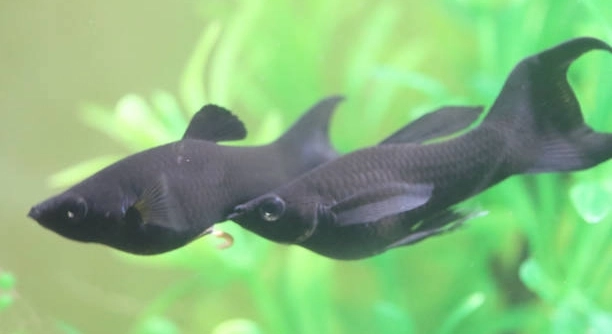
Have you ever thought about keeping black mollies in a home aquarium but weren’t sure where to start? These small, sleek fish are peaceful and active, making them a popular choice for both beginners and enthusiasts alike.
Setting up the perfect black molly tank requires careful attention to water quality, temperature, and tank size. A 20-gallon tank with stable pH, moderate filtration, and consistent heating ensures the fish thrive, promoting natural behavior and vibrant coloration.
Maintaining the right conditions will make caring for black mollies easier and more enjoyable while supporting their long-term health and activity.
Choosing the Right Tank and Location
Selecting the correct tank size is essential for black mollies to thrive. A minimum of 20 gallons is recommended, as it provides enough space for swimming and reduces stress. Position the tank away from direct sunlight and drafts, which can cause temperature fluctuations and algae growth. Using a sturdy stand ensures the tank remains stable and level, preventing accidental tipping or water spills. Before adding any water, rinse the tank thoroughly to remove dust and residues from manufacturing. Choosing a location with easy access to electrical outlets allows proper placement of filters and heaters without creating hazardous cords. Avoid high-traffic areas that may stress the fish, but ensure the tank is visible enough for regular monitoring. Consistent lighting, either from a timer or natural indirect light, helps regulate fish activity and encourages healthy plant growth. Taking time with placement prevents complications later and contributes to a balanced, thriving tank environment.
Proper tank placement and size reduce stress and promote healthy, active black mollies while simplifying maintenance.
A good location and sufficient tank volume improve oxygen circulation and water quality, supporting long-term health. By carefully considering tank positioning, you create a stable environment where mollies can swim freely. This stability minimizes aggressive behavior and reduces the likelihood of illness. Consistent light exposure encourages regular feeding patterns and helps live plants flourish. Adequate space also allows for decorations and hiding spots without overcrowding the fish. A well-chosen location provides easy access for cleaning and water testing, making routine care less disruptive. Considering the tank stand and surrounding area ensures safety and prevents accidents. Proper setup at this stage saves time and effort later while keeping the fish stress-free. Overall, thoughtful planning creates a balanced ecosystem where black mollies can grow and display their natural colors and behavior effectively.
Water Conditions and Filtration
Maintaining stable water conditions is key for black mollies. They thrive in slightly brackish to freshwater environments with a pH around 7.5 to 8.
Filtration removes waste and prevents buildup of harmful chemicals, keeping water clear and safe.
Proper water parameters encourage active swimming, reduce stress, and prevent common diseases. Consistent monitoring of temperature and pH is essential. Black mollies prefer water between 75°F and 82°F, which supports their metabolism and immune system. A reliable filter ensures ammonia and nitrite levels remain low, while occasional water changes maintain clarity and nutrient balance. Aeration helps maintain oxygen levels, especially in a densely stocked tank. Salt additions may be needed if keeping brackish water, but only in recommended amounts. Using a water conditioner removes chlorine and heavy metals, making tap water safe for fish. Regular testing of ammonia, nitrite, nitrate, and pH helps detect problems early, preventing long-term issues. Combining filtration, proper temperature, and pH management creates a healthy environment that promotes longevity and vibrant coloration. Consistency is crucial, as fluctuations can stress mollies and trigger disease outbreaks. A well-maintained water system forms the foundation of a successful black molly tank, supporting both fish health and overall aquarium stability.
Feeding Your Black Mollies
Black mollies need a varied diet to stay healthy. Providing a mix of flakes, pellets, and occasional live or frozen foods ensures proper nutrition and vibrant coloration.
A balanced feeding routine includes high-quality flake food as the main diet, supplemented with bloodworms, brine shrimp, or daphnia two to three times a week. This variety provides essential proteins, fats, and vitamins, supporting growth and reproduction. Avoid overfeeding, as leftover food can pollute the tank and harm water quality. Feed small amounts that the fish can consume in about two minutes. Observing their eating habits helps adjust portions and maintain a healthy weight. Occasionally adding blanched vegetables, such as zucchini or spinach, provides fiber and minerals. Consistent feeding schedules reinforce natural behavior and activity levels.
Monitoring feeding patterns ensures each fish receives nutrition while minimizing waste. Adjusting portions based on tank size and population prevents water contamination and supports a stable environment.
Decorating and Hiding Spots
Live or artificial plants create shelter and reduce stress for black mollies. They provide hiding spots and surfaces for grazing on biofilm.
Using rocks, driftwood, and caves adds structure and breaks up open swimming areas. Plants such as Java fern, Anubias, and hornwort are low-maintenance and compatible with mollies. Arranging decorations to leave open swimming space while creating shaded retreats promotes natural behavior. Secure heavy ornaments to prevent toppling during cleaning or strong currents. Live plants improve water quality by absorbing nitrates, while decorations offer visual interest and mental stimulation for the fish. Hiding spots are essential for fry and timid fish, reducing aggression and competition. Balancing aesthetic appeal with functionality creates a calm and engaging tank.
A well-decorated tank encourages natural activity, lowers stress, and provides safe spaces for all tank inhabitants. Thoughtful placement of plants and structures improves water flow and oxygenation. Incorporating vertical and horizontal spaces ensures fish can explore and rest safely. Decorations also serve as breeding sites for black mollies, offering security for fry and reducing parental aggression. Live plants support beneficial bacteria, enhancing the tank’s biological filtration. Rotating or adding new elements occasionally keeps the environment stimulating without overwhelming the fish. Proper decoration and hiding spots contribute directly to mollies’ health, social behavior, and visual appeal, making daily observation more enjoyable and rewarding.
Lighting and Temperature
Black mollies thrive under consistent lighting, ideally 8 to 10 hours per day. Using a timer helps maintain a stable day-night cycle and prevents algae overgrowth.
Temperature should remain between 75°F and 82°F. Sudden changes can stress the fish, so a reliable heater and thermometer are essential for stability.
Tank Maintenance
Regular water changes of 20-25% weekly keep ammonia, nitrite, and nitrate levels safe. Cleaning the substrate prevents debris buildup and maintains water clarity. Using a siphon simplifies gravel cleaning without disturbing fish. Monitoring filter performance ensures proper circulation and removes waste efficiently.
Breeding Black Mollies
Black mollies breed easily in home tanks. Providing dense plant cover or breeding mops protects fry from being eaten. Consistent water quality and temperature encourage mating behavior and increase fry survival.
Monitoring Fish Health
Observe fish daily for signs of illness, such as discoloration, clamped fins, or unusual swimming. Early detection prevents disease spread and supports recovery.
FAQ
How often should I feed my black mollies?
Feed black mollies once or twice a day with small portions they can eat within two minutes. Overfeeding can pollute the tank and stress the fish. Supplement their diet with occasional live or frozen foods and blanched vegetables to maintain balanced nutrition.
Can black mollies live with other fish?
Yes, black mollies are generally peaceful and can live with other non-aggressive community fish of similar size. Avoid fin-nipping species or very aggressive tankmates, as mollies can become stressed. Proper tank size and hiding spots help reduce territorial behavior.
How do I prevent algae in a black molly tank?
Controlling light duration, maintaining clean water, and avoiding overfeeding help reduce algae growth. Adding live plants competes with algae for nutrients. Regular water changes and occasional scrubbing of tank surfaces keep algae under control.
Do black mollies need salt in their water?
Black mollies tolerate slightly brackish water, and adding aquarium salt can support health and prevent disease. Use small amounts according to the tank size, and avoid sudden changes to prevent stress. Freshwater mollies can survive without salt if water quality is stable.
What temperature is best for black mollies?
Keep water between 75°F and 82°F. Use a reliable heater and thermometer to maintain stability. Sudden fluctuations can cause stress, reduce immunity, and affect breeding. Consistent temperature helps mollies stay active and healthy.
How do I tell if my black molly is sick?
Signs of illness include clamped fins, faded colors, lethargy, erratic swimming, or spots on the body. Early detection allows prompt treatment and isolation of affected fish. Maintaining clean water and proper nutrition reduces the risk of disease.
How often should I change water in a black molly tank?
Weekly water changes of 20-25% are recommended. Regular maintenance prevents buildup of ammonia, nitrites, and nitrates. Using a siphon to clean the substrate and checking filter performance ensures a healthy, stable environment for mollies.
Do black mollies need hiding spots?
Yes, hiding spots reduce stress and provide safety, especially for fry and timid individuals. Live plants, rocks, caves, or artificial decorations create shelter and encourage natural behavior. Hiding spots also prevent aggression in community tanks.
How fast do black mollies grow?
Black mollies grow steadily, reaching adult size in about six to eight months under proper care. Growth depends on diet, water quality, tank size, and population density. Consistent feeding and stable conditions support healthy development.
Can black mollies breed in a community tank?
Yes, black mollies breed easily in community tanks. Provide dense plant cover or breeding mops to protect fry. Consistent temperature and water quality encourage mating behavior. Remove adults if predation on fry becomes a concern.
What is the lifespan of black mollies?
With proper care, black mollies can live 3 to 5 years. Maintaining stable water conditions, a balanced diet, and regular tank maintenance supports longevity. Avoid overcrowding and stress to maximize lifespan.
How do I acclimate new black mollies to my tank?
Float the bag in the tank for 15-20 minutes to match water temperature. Gradually add small amounts of tank water to the bag over 30-60 minutes. Release fish gently to minimize stress and reduce the risk of shock.
Can black mollies survive in unheated water?
They can survive in cooler temperatures temporarily, but prolonged exposure below 70°F stresses the fish, weakens immunity, and slows metabolism. A stable, heated environment is ideal for health, growth, and breeding.
How do I maintain water pH for black mollies?
Black mollies prefer a pH around 7.5 to 8. Test water regularly and make small, gradual adjustments if needed. Using buffering substrates or products designed for aquariums helps stabilize pH without shocking the fish.
Are black mollies prone to common diseases?
Yes, they can develop fin rot, ich, or fungal infections if water quality is poor. Maintaining clean water, consistent temperature, and a balanced diet reduces disease risk. Prompt isolation and treatment of affected fish prevent outbreaks.
Can I keep black mollies in a small tank?
A minimum of 20 gallons is recommended. Smaller tanks limit swimming space, increase stress, and make maintaining stable water conditions difficult. Adequate space ensures active behavior and supports a healthy environment.
How do I clean the filter without harming beneficial bacteria?
Rinse filter media gently in tank water removed during water changes, not tap water, to preserve beneficial bacteria. Avoid deep scrubbing that removes too much biological filtration. Regular filter maintenance keeps water clear and safe.
What plants are safe for black mollies?
Java fern, Anubias, hornwort, and java moss are hardy and compatible with mollies. These plants tolerate moderate light and help improve water quality by absorbing nitrates. Avoid delicate or soft-leaved plants that mollies may nibble excessively.
Do black mollies need a strong water current?
Moderate water flow is sufficient. Strong currents can stress mollies, making swimming difficult and reducing feeding efficiency. Filters that provide gentle circulation and aeration are ideal.
How many black mollies can I keep in a 20-gallon tank?
A 20-gallon tank can comfortably house 5 to 6 adult black mollies. Avoid overcrowding to prevent stress, aggression, and water quality issues. Adjust population according to filtration and tank size.
What is the best substrate for a black molly tank?
Sand or fine gravel works well. Smooth surfaces prevent injury, allow rooting of live plants, and make cleaning easier. Avoid sharp or coarse substrates that can damage fins or skin.
Can black mollies tolerate slightly brackish water?
Yes, they handle mild brackish conditions, which can enhance coloration and health. Gradually add aquarium salt and monitor water parameters to avoid sudden stress or negative effects.
Do black mollies need supplemental vitamins?
A varied diet usually provides sufficient nutrition. Occasional vitamin-enriched flakes or frozen foods can support health, especially during stress, breeding, or illness. Over-supplementing is unnecessary and may pollute the tank.
How do I encourage black mollies to breed?
Maintain stable water conditions, provide hiding spots for fry, and feed high-quality protein foods. Consistent temperature and light cycles help trigger natural breeding behavior. Healthy adults will mate readily when comfortable in their environment.
Are black mollies good for beginner aquariums?
Yes, they are hardy, adaptable, and tolerant of a range of water conditions. With proper tank setup, feeding, and maintenance, they are manageable for first-time fish keepers while remaining active and visually appealing.
Can black mollies live with shrimp or snails?
Yes, peaceful shrimp and snails can coexist. Mollies may nibble occasionally, but generally they do not harm these invertebrates. Ensure enough hiding spots to prevent stress for all tank inhabitants.
What should I do if my black molly develops white spots?
White spots usually indicate ich, a common parasite. Quarantine affected fish, raise the water temperature slightly, and treat with an appropriate ich medication. Maintain clean water to prevent recurrence.
How often should I test my tank water?
Test ammonia, nitrite, nitrate, and pH at least once a week. More frequent testing may be necessary in newly established tanks or heavily stocked aquariums. Regular monitoring helps prevent problems before they affect fish health.
Is it necessary to trim plants in a black molly tank?
Yes, trimming prevents overgrowth that blocks swimming space and reduces light penetration. Regular pruning keeps the tank organized and ensures plants remain healthy, benefiting both fish and water quality.
How do I prevent fin damage in black mollies?
Avoid sharp decorations and aggressive tankmates. Maintain clean water and proper nutrition, as poor conditions can weaken fins. Providing ample swimming space reduces collisions and stress-related fin tearing.
Can black mollies eat algae?
Yes, they may graze on algae, supplementing their diet. However, rely on a balanced feeding routine to ensure adequate nutrition. Excessive algae may indicate overfeeding or poor water maintenance.
Do black mollies need a separate breeding tank?
Not strictly, but a dedicated breeding tank increases fry survival. Providing dense plants or breeding mops in the main tank can work, though adult mollies may eat fry if no hiding spaces exist.
How do I introduce new black mollies to an established tank?
Acclimate slowly by floating the bag and gradually adding tank water. Avoid overcrowding and monitor for aggression or signs of stress. Quarantine new fish when possible to prevent disease introduction.
Can black mollies tolerate cooler temperatures at night?
Slight nightly drops are acceptable, but prolonged exposure below 70°F can stress fish. Maintain a heater to keep temperature within the ideal range for health and activity.
How do I encourage natural behavior in black mollies?
Provide swimming space, live plants, and varied diet. Hiding spots, gentle water flow, and consistent light cycles support natural activity, breeding, and social interaction. Observing fish and adjusting conditions enhances their well-being.
Are black mollies sensitive to chlorine in tap water?
Yes, chlorine and chloramines are harmful. Always treat tap water with a water conditioner before adding it to the tank. Proper treatment prevents gill damage and stress.
How can I tell the difference between male and female black mollies?
Males are slimmer with a pointed anal fin, while females are larger with a rounded anal fin. Observing behavior and body shape during feeding and swimming can also help identify sexes.
Is it safe to use decorations from another tank?
Yes, if cleaned and disinfected thoroughly. Avoid chemicals or residues that could harm water quality. Boiling or soaking in dechlorinated water helps remove pathogens and algae.
What are signs of stress in black mollies?
Stress indicators include hiding, clamped fins, loss of color, erratic swimming, or reduced appetite. Identifying and addressing environmental issues such as water quality, tankmates, or lighting can relieve stress.
Do black mollies need aeration?
Yes, especially in densely stocked or warmer tanks. Air stones or filter output can increase oxygen levels, improving health, activity, and overall metabolism.
Can black mollies live alone?
They can survive alone but are social and more active in groups. Keeping at least three mollies reduces stress and encourages natural swimming patterns and interaction.
How do I prevent nitrate buildup in the tank?
Regular water changes, proper filtration, and avoiding overfeeding reduce nitrate accumulation. Live plants also absorb nitrates, helping maintain stable water quality.
Can black mollies tolerate tap water directly?
No, tap water must be treated to remove chlorine, chloramines, and heavy metals. Using a conditioner ensures safe water for mollies and prevents gill or skin damage.
How often should I clean the substrate?
Clean the substrate weekly during water changes to remove waste and debris. Siphoning prevents buildup, keeps water clear, and supports beneficial bacteria growth.
Are black mollies compatible with goldfish?
No, goldfish are cold-water fish and produce high waste, which can stress mollies. Temperature and water quality differences make them poor tankmates.
How do I encourage black mollies to explore the tank?
Provide open swimming areas, hiding spots, and varied decorations. A mix of live plants and rocks stimulates exploration while offering safety and enrichment.
Do black mollies need vitamins in their diet?
Occasional supplementation is beneficial if diet is limited. A varied diet with flakes, pellets, and occasional live foods usually provides enough nutrients. Overuse is unnecessary.
How do I keep fry safe in a community tank?
Provide dense plants or breeding mops as hiding spots. Monitor adults, and consider a separate nursery tank if predation becomes a problem. Feeding finely crushed food supports fry growth.
Can black mollies tolerate soft water?
Yes, but slightly harder water with some minerals supports health, reproduction, and coloration. Maintain stable conditions to prevent stress and illness.
How do I reduce aggression in a black molly tank?
Provide enough space, hiding spots, and balanced male-to-female ratios. Avoid overcrowding and aggressive tankmates. Regular monitoring ensures all fish remain safe and stress-free.
Is frequent water testing necessary for a stable tank?
Yes, testing ensures ammonia, nitrite, nitrate, and pH remain safe. Early detection of issues prevents disease and supports long-term health.
What should I do if a black molly refuses food?
Check water quality, temperature, and tankmates for stress factors. Offering varied foods or live options can encourage eating. Persistent refusal may indicate illness and require isolation or treatment.
Can black mollies live in a planted tank only?
Yes, they thrive in a well-planted tank with enough open swimming areas. Plants provide shelter, grazing surfaces, and improve water quality while supporting natural behavior.
Do black mollies need a strict light cycle?
Yes, consistent lighting of 8-10 hours per day supports natural activity, feeding, and plant growth. Use a timer for stability and to prevent algae overgrowth.
How do I prevent diseases in black mollies?
Maintain clean water, stable temperature, balanced diet, and proper tankmates. Quarantine new fish, avoid overfeeding, and monitor regularly to catch issues early. Healthy conditions minimize illness risk.
Can black mollies survive with fluctuating pH?
Sudden pH changes stress mollies and weaken immunity. Gradual adjustments and buffering help maintain stability. Frequent testing ensures a safe environment.
How long can black mollies go without food?
They can survive 2-3 days, but longer fasting causes stress and weakens immunity. Regular feeding supports health, growth, and breeding behavior.
Are black mollies sensitive to chlorine tablets or treatments?
Yes, untreated chemicals can harm fish. Always follow proper dosing instructions and remove residues before adding mollies.
Do black mollies need gravel or sand?
Either is fine, as long as it’s smooth and safe. Substrate supports plant growth, hides waste, and allows natural foraging behavior. Avoid sharp edges that can injure fins.
How do I safely move black mollies to a new tank?
Acclimate slowly using floating and gradual water mixing. Minimize stress by handling gently and avoiding sudden temperature or chemical changes. Quarantine if needed.
Can black mollies survive in a nano tank?
Small tanks under 20 gallons are not ideal due to limited swimming space and unstable water conditions. Stress and health issues are more likely.
Do black mollies need air stones if the tank is filtered?
Not always, but additional aeration can improve oxygen levels, especially in warm or densely stocked tanks. Gentle flow is sufficient.
How can I tell if my tank is too crowded?
Signs include stressed or aggressive behavior, poor growth, and deteriorating water quality. Follow stocking guidelines and adjust population if necessary.
Can black mollies tolerate fluctuating temperatures?
Rapid or wide swings cause stress, illness, and poor activity. Maintain stable temperatures using a reliable heater and monitoring system.
Is it safe to use driftwood in a black molly tank?
Yes, as long as it is properly cleaned and soaked to remove tannins. Driftwood provides hiding spots and surfaces for algae and biofilm.
How do I keep black mollies active in the tank?
Provide open swimming space, moderate water flow, and varied diet. Hiding spots and plants encourage exploration and natural behavior. Stable conditions reduce stress and promote activity.
Can black mollies live with bettas?
Bettas may be aggressive toward black mollies, especially males. Careful observation and ample hiding spots are necessary, though compatibility is not guaranteed.
Do black mollies need soft or hard water?
Moderately hard water is preferred. Soft water is tolerable, but minerals support growth, coloration, and reproduction. Maintain stable parameters.
How do I prevent fin rot in black mollies?
Keep water clean, maintain stable temperature, avoid aggression, and provide balanced nutrition. Early treatment with antibacterial medications helps prevent spread and damage.
Can black mollies eat flake food alone?
Yes, high-quality flakes can form the main diet. Supplementing with occasional live, frozen foods, or vegetables ensures balanced nutrition and promotes health and color.
How do I acclimate black mollies from a pet store?
Float the bag for 15-20 minutes, then gradually add tank water over 30-60 minutes. This prevents shock from temperature and water parameter differences.
Can black mollies survive in low-light tanks?
They survive but prefer moderate lighting for plant growth, activity, and natural behavior. Stable conditions remain more important than intense light.
Do black mollies need special water conditioners?
A standard dechlorinator is sufficient to remove chlorine and chloramines. Additional conditioners may be used for mineral supplementation if necessary.
How do I encourage black mollies to eat vegetables?
Blanch zucchini, spinach, or peas to soften them. Offer small amounts during feeding alongside regular flakes or pellets. Over time, fish learn to nibble on vegetables.
What is the ideal group size for black mollies?
Keep at least three to five mollies together. They are social and more active in groups, which reduces stress and encourages natural swimming patterns.
How do I treat black mollies for parasites?
Quarantine affected fish and use appropriate anti-parasitic medication. Maintain clean water and monitor for improvement. Isolate sick fish to prevent spread.
Can black mollies live in freshwater only?
Yes, freshwater is sufficient if water quality is maintained. Slightly brackish water may enhance health, but it is not strictly necessary for survival.
Are black mollies compatible with tetras?
Yes, small, peaceful tetras are compatible. Ensure sufficient space, hiding spots, and avoid overcrowding to maintain harmony.
How do I prevent aggression between male black mollies?
Keep a higher ratio of females, provide hiding spots, and maintain ample swimming space. Overcrowding or insufficient structure increases aggression risk.
Do black mollies need a heater in summer?
If room temperature is stable between 75°F and 82°F, a heater may not be necessary. Monitor water closely to avoid temperature fluctuations.
How often should I remove uneaten food?
Immediately after feeding or within a few minutes, remove leftovers. This prevents decay, ammonia spikes, and water quality issues.
Can black mollies tolerate tap water with chloramine?
Not without treatment. Use a water conditioner that neutralizes chloramine to prevent gill damage and stress.
Do black mollies need a separate tank for fry?
Not always, but it increases fry survival. Dense plants or breeding mops can
Setting up a black molly tank takes careful planning, attention to detail, and consistent care. Choosing the right tank size, location, and decorations lays the foundation for a healthy environment. A minimum of 20 gallons provides enough space for swimming, reduces stress, and makes maintaining water quality easier. Positioning the tank away from direct sunlight and drafts helps keep temperature stable and prevents algae overgrowth. Adding live plants, hiding spots, and decorations not only enhances the look of the tank but also provides security and comfort for the fish. Black mollies are active and social, so creating a balanced habitat with open swimming space and sheltered areas allows them to exhibit natural behaviors. Each decision, from tank placement to decoration arrangement, contributes to a stable ecosystem that supports the health and longevity of the fish.
Water quality is the most important factor in keeping black mollies healthy. Maintaining consistent temperature, pH, and filtration ensures that the fish remain active, stress-free, and disease-resistant. Weekly water changes, regular substrate cleaning, and proper filter maintenance prevent harmful buildup of ammonia, nitrites, and nitrates. Monitoring water parameters, including pH and temperature, helps catch problems early and reduces the risk of illness. Filtration and gentle aeration keep oxygen levels stable and support beneficial bacteria that break down waste. Black mollies thrive in slightly harder water with stable mineral content, and occasional use of salt in small, controlled amounts can enhance their health. Paying attention to these details helps prevent common issues such as fin rot, ich, or stress-related illnesses, and supports strong, vibrant fish that display their natural colors and behavior.
Feeding and social considerations also play a key role in the success of a black molly tank. A balanced diet of high-quality flakes or pellets, supplemented with live or frozen foods and blanched vegetables, promotes growth, reproduction, and overall vitality. Overfeeding should be avoided, as leftover food can degrade water quality and create unhealthy conditions. Keeping a small group of black mollies together encourages social interaction and activity while minimizing stress. Hiding spots, plants, and decorations create areas for rest and protection, especially for fry or timid individuals. Observing behavior, feeding patterns, and physical appearance regularly helps detect early signs of stress or illness. By maintaining consistent care, providing proper nutrition, and ensuring a stable, stimulating environment, black mollies can thrive for several years, offering enjoyment and satisfaction while creating a healthy, balanced aquarium ecosystem.

Hello,
If you enjoy the content that we create, please consider saying a "Thank You!" by leaving a tip.
Every little bit helps us continue crafting quality advice that supports the health, happiness, and well-being of pets around the world, for pets of all shapes, sizes, and species.
We really appreciate the kindness and support that you show us!