
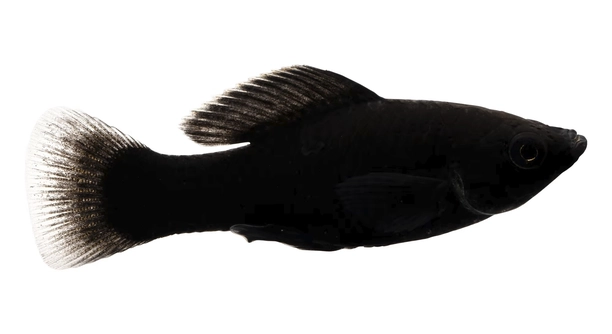
Is your black molly losing its striking color, leaving its once-vibrant scales looking dull or faded? Many fish owners notice these changes and feel concerned about their pet’s overall health and well-being.
Color loss in black mollies is typically caused by a combination of stress, poor water quality, insufficient nutrition, and natural aging. Ensuring stable tank conditions, balanced feeding, and monitoring health are essential to maintain their pigmentation.
Understanding the underlying reasons will help you take proper care and restore your molly’s appearance and vitality in its environment.
Common Causes of Color Loss in Black Mollies
Stress is one of the main reasons black mollies lose their color. Sudden changes in water temperature, overcrowding, or aggressive tank mates can all contribute to stress. Poor water quality is another factor. High ammonia, nitrite, or nitrate levels irritate fish and affect their pigmentation. Nutrition plays a key role as well. A diet lacking in essential vitamins and carotenoids can cause dullness in their scales. Natural aging also leads to gradual fading, which is normal over time. By observing your molly’s behavior and appearance, you can identify stressors and address them early. Small adjustments in tank conditions, diet, and social environment often result in noticeable improvement. Regular monitoring and maintenance help ensure your molly remains healthy and vibrant, minimizing the risk of further color loss. Attention to detail in care routines can make a significant difference in their overall well-being.
Color loss can signal underlying health issues if combined with lethargy or reduced appetite.
By focusing on water quality, proper feeding, and a stable environment, you create conditions for your black molly to regain its natural pigmentation. Consistent care helps prevent recurring issues and supports long-term health. Understanding these factors allows for informed decisions regarding tank setup and maintenance, ensuring your molly thrives visually and physically. Regular observation helps you notice subtle changes early, making interventions simpler. Combining balanced nutrition with a stress-free habitat directly influences scale brightness and overall vitality, creating a more resilient and healthy fish. Adjustments in lighting and tank decor may also positively affect coloration, enhancing your molly’s natural beauty. Careful planning and routine checks maintain optimal conditions, supporting your molly’s energy levels and immune system. Over time, these efforts result in a visibly healthier, more vibrant black molly, reflecting the attention and effort invested in its care.
Improving Diet for Better Pigmentation
Providing a nutrient-rich diet can significantly improve your black molly’s color. Include high-quality flakes, frozen foods, and occasional live treats.
A varied diet should contain essential vitamins, minerals, and carotenoids to support pigmentation. Feeding small portions multiple times daily prevents overfeeding and maintains water quality.
Black mollies thrive on a mix of protein and plant-based foods. High-quality flake or pellet food designed for mollies is a good staple. Supplementing with frozen brine shrimp, daphnia, or bloodworms provides extra protein and nutrients. Leafy greens, spirulina, or specially formulated algae wafers enhance natural coloration. Rotating foods ensures a balance of vitamins, minerals, and carotenoids, which are vital for vibrant pigmentation. Avoid overfeeding, as excess food can foul water and cause stress, impacting color. Regular monitoring of your molly’s response to diet helps identify which foods improve brightness most effectively. A consistent feeding routine, combined with clean water, supports health and vitality. Over time, proper nutrition leads to stronger immune function, increased activity, and a noticeable enhancement in scale color.
Maintaining Optimal Water Conditions
Consistent water parameters are essential for black mollies. Keep the temperature between 75–82°F, pH around 7.0–8.5, and monitor ammonia, nitrite, and nitrate levels regularly to prevent stress and color loss.
Regular water changes help maintain clarity and reduce toxins. Using a reliable water testing kit allows you to detect harmful fluctuations early. Avoid overcrowding the tank, as it increases waste and stresses fish. Proper filtration and aeration ensure oxygen levels remain stable, supporting overall health. Mollies are sensitive to sudden changes, so gradual adjustments in water chemistry are important to minimize stress. Observing behavior and physical appearance provides clues about water quality and tank stability.
Stability in water conditions directly affects your molly’s coloration. Even minor fluctuations can cause fading, so keeping parameters steady promotes long-term vibrancy and health in your fish.
Reducing Stress in Black Mollies
Stress reduces pigment intensity and weakens the immune system in black mollies. Limit tank disruptions, aggressive companions, and sudden environmental changes.
Providing hiding spots, stable lighting, and gentle water flow helps mollies feel secure. Avoid tapping on the glass or rearranging decorations frequently, as these actions can trigger stress responses. Monitoring interactions between tank mates is crucial; dominant or territorial fish may bully mollies, causing fading. Gradual introductions and sufficient space help mollies coexist peacefully. Stress management also includes regular feeding schedules and minimizing overcrowding. Healthy social dynamics reduce color loss and improve overall activity.
Long-term stress can lead to illness and permanent pigmentation changes. By creating a calm environment and predictable routine, you support your black molly’s natural color and vitality. Observing behavior daily allows you to intervene early if stress signs appear. Combining environmental stability with proper nutrition ensures your molly maintains a healthy, vibrant appearance while thriving in its habitat. Consistent care and attention prevent repeated fading episodes.
Lighting and Tank Environment
Proper lighting enhances black molly coloration. Provide 8–10 hours of light daily, using a timer for consistency. Avoid direct sunlight, which can overheat the tank and promote algae growth.
Decor and plants offer shelter and reduce stress. Darker backgrounds can make the molly’s black scales appear more vibrant and healthy.
Monitoring Health and Disease
Illness can cause color fading in black mollies. Watch for signs like clamped fins, lethargy, or unusual spots. Quarantine new fish before adding them to the main tank.
Gradual Adjustments and Patience
Color restoration takes time. Sudden changes in diet, water, or environment can worsen fading. Consistency and observation are key to supporting your molly’s recovery.
Choosing Compatible Tank Mates
Peaceful companions reduce stress and prevent bullying. Avoid aggressive or overly active species that compete for food or territory.
FAQ
Why is my black molly turning gray?
A black molly may turn gray due to stress, poor water conditions, or nutritional deficiencies. Sudden temperature changes, overcrowding, and aggressive tank mates can all cause stress. Low-quality or unbalanced diets can also lead to dull coloration. Consistent care, stable water parameters, and a nutrient-rich diet usually restore natural color over time.
Can illness cause color loss in black mollies?
Yes, diseases like bacterial or parasitic infections can make mollies lose their vibrant black color. Signs include clamped fins, lethargy, and unusual spots on the body. Quarantining new fish, maintaining clean water, and monitoring for behavioral changes help prevent disease-related fading.
How long does it take for a black molly to regain its color?
The timeframe varies depending on the cause. With proper water quality, nutrition, and reduced stress, some mollies regain their color within weeks. Persistent issues may require more time. Gradual improvements are normal, and patience is important, as rapid changes can stress the fish further.
Do black mollies naturally lose color as they age?
Yes, some fading is normal with aging. Older mollies may appear lighter or less intense in color. However, sudden or dramatic fading usually indicates stress, poor diet, or water problems rather than natural aging. Maintaining good care can slow age-related color loss.
Can lighting affect my molly’s color?
Lighting influences pigmentation. Too little light can make scales appear dull, while intense or inconsistent lighting may cause stress. Providing 8–10 hours of consistent, moderate lighting and a timer ensures a stable environment and enhances natural coloration. Dark backgrounds and plants also make colors more noticeable.
Is diet really that important for coloration?
Absolutely. Black mollies need a balanced mix of protein and plant-based foods. Flakes, pellets, frozen brine shrimp, daphnia, and vegetables like spirulina support pigmentation. Rotating foods ensures they receive necessary vitamins and carotenoids. Overfeeding or poor-quality food can harm water quality and cause fading.
Can tank mates affect my molly’s color?
Yes, aggressive or territorial fish can stress black mollies, leading to color loss. Peaceful tank mates and adequate space reduce stress and help maintain vibrant pigmentation. Observing social interactions and separating aggressive fish when needed improves overall health and appearance.
Do water changes really help prevent color loss?
Regular water changes remove toxins, stabilize parameters, and reduce stress. Mollies are sensitive to ammonia, nitrite, and nitrate spikes, which can dull coloration. Weekly partial water changes, proper filtration, and monitoring water quality maintain a healthy environment and support vibrant colors.
What should I do if my molly’s color doesn’t improve?
If color loss persists despite stable water, proper diet, and low stress, consult a veterinarian specializing in fish. Persistent fading may indicate an underlying illness or genetic factors. Early intervention increases the chances of recovery and overall health.
Can stress from handling affect color?
Frequent or rough handling can trigger stress, which dulls pigmentation. Avoid unnecessary interaction, rearranging tank decor, or tapping on the glass. A calm, predictable environment is key to maintaining your black molly’s natural color.
How do I prevent future color loss?
Maintain stable water parameters, provide balanced nutrition, limit stressors, and monitor health regularly. Proper lighting, compatible tank mates, and routine cleaning support long-term pigmentation. Observation and consistency are essential to preventing repeated fading and keeping mollies vibrant and healthy.
Black mollies are naturally vibrant fish, but their color can fade for a variety of reasons. Stress, poor water quality, and improper nutrition are the main factors that affect their pigmentation. Paying attention to tank conditions, diet, and social environment is crucial for maintaining their natural black color. Even small changes in temperature, pH, or water cleanliness can cause noticeable fading. Observing your molly daily helps catch issues early, allowing you to address them before they become more serious. Regular water testing and routine maintenance are simple steps that make a significant difference in their overall health and appearance.
Providing a balanced diet is another essential factor in keeping black mollies vibrant. Foods rich in protein and plant-based nutrients support strong pigmentation, while occasional live or frozen foods give extra vitamins and minerals. Avoid overfeeding, as excess food can degrade water quality and contribute to stress. Including algae, spirulina, or specially formulated pellets encourages the deep black coloration mollies are known for. Gradually introducing dietary changes and rotating foods ensures your molly receives a consistent supply of nutrients. Over time, consistent care and proper nutrition improve not only coloration but also activity levels, immune system strength, and overall vitality.
Maintaining a calm, stable environment supports long-term health and color retention. Providing hiding spots, compatible tank mates, and stable lighting reduces stress and encourages natural behavior. Patience is important, as color restoration may take weeks depending on the underlying cause. Avoid sudden changes in water, decorations, or feeding routines, as these can reverse progress. By keeping a consistent routine, monitoring health, and addressing stress factors, you give your molly the best chance to regain and maintain its deep black color. Over time, these small, steady efforts create a healthier, more vibrant fish that reflects the attention and care invested in its habitat.

Hello,
If you enjoy the content that we create, please consider saying a "Thank You!" by leaving a tip.
Every little bit helps us continue crafting quality advice that supports the health, happiness, and well-being of pets around the world, for pets of all shapes, sizes, and species.
We really appreciate the kindness and support that you show us!