
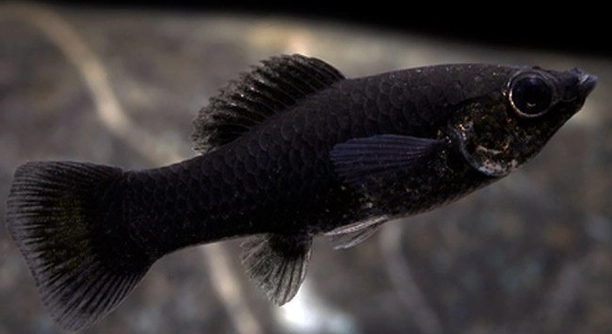
Do you ever find yourself adjusting your aquarium lights and wondering how your Black Molly will react? These small, energetic fish can be sensitive to sudden changes in their environment, especially when it comes to light.
Black Mollies can tolerate brief light changes, but sudden shifts may stress them. Stress can affect their appetite, behavior, and overall health, making gradual adjustments the safest approach to maintain their well-being and stability in the tank environment.
Understanding how light impacts your fish will help you create a more comfortable and healthy habitat for your Black Molly. Careful observation and simple strategies can prevent unnecessary stress and keep them thriving.
How Black Mollies Respond to Sudden Light Changes
Black Mollies are naturally active fish that rely on stable conditions to feel secure. Sudden light changes can startle them, causing quick darting movements, hiding, or even temporary loss of appetite. In my experience, even a few seconds of sudden bright light can make them swim frantically. Over time, repeated exposure to abrupt light shifts may weaken their immune system, making them more prone to illness. Providing shaded areas and consistent lighting schedules helps them adapt without unnecessary stress. Observing their behavior closely after a light change gives insight into how sensitive each fish is, as some may adjust faster than others. Avoid turning lights on or off abruptly, especially during feeding or tank maintenance. Gradual adjustments, like using a dimmer or a timer, allow them to acclimate naturally. Their response can also indicate overall tank health, as stressed fish are often more reactive to environmental changes.
Stress responses in Black Mollies can include hiding, rapid swimming, or color fading. Monitoring these signs is essential.
Gradually acclimating Black Mollies to light changes is key. I usually adjust lighting in small increments, over several minutes, to mimic natural sunrise or sunset conditions. This approach reduces panic swimming and helps maintain normal feeding patterns. Consistent light cycles, ideally 10–12 hours per day, create a predictable environment that improves overall well-being. Plants and decorations can provide shaded retreats, giving fish an option to escape if a sudden glare occurs. Even small tanks benefit from diffused lighting, which softens the impact of abrupt changes. Keeping tank lights on a timer ensures regularity and prevents accidental overexposure or dark periods. Over time, Black Mollies become accustomed to the rhythm, showing calmer swimming, stable color, and better appetite. Observation remains crucial; even with gradual adjustments, some fish may need additional cover or dimming during particularly bright periods. Proper lighting management supports long-term health and reduces unnecessary stress for your Black Mollies.
Practical Tips for Managing Light Transitions
Using dimmers or timers helps maintain consistent lighting schedules for Black Mollies, preventing sudden shocks that can cause stress.
When adjusting lighting, always aim for gradual changes rather than abrupt shifts. Start by slowly increasing or decreasing brightness over several minutes. Introduce shaded areas with plants or tank decorations so fish can retreat if they feel overwhelmed. Avoid turning on strong overhead lights directly over the tank; indirect lighting is less stressful. Monitor your fish’s behavior during transitions. Signs of stress, such as rapid swimming, hiding, or dull coloration, indicate that adjustments are too fast. In addition, pairing light changes with feeding times can help your Black Mollies associate the shift with routine rather than danger. Over time, consistent management of lighting cycles reduces sudden reactions and promotes calmer, healthier behavior. Consistency is the most effective way to ensure Black Mollies thrive despite environmental changes, keeping them active, healthy, and visually vibrant in their aquarium.
Minimizing Stress During Light Changes
Providing shaded areas and consistent lighting routines helps Black Mollies feel secure. Sudden light shifts can cause panic swimming or hiding, so gradual adjustments reduce stress. Small decorations or plants act as refuges during brighter periods, giving them control over their environment.
I usually adjust lighting slowly, increasing or decreasing brightness in small steps over several minutes. Using a timer ensures the cycle remains consistent every day, preventing accidental exposure to abrupt light changes. Observing their behavior during these adjustments helps me identify which areas of the tank feel safe. Some fish prefer staying near decorations, while others gradually explore open areas. Over time, Black Mollies adapt more confidently, swimming naturally and feeding normally even as light levels shift. Maintaining a calm, predictable environment strengthens their overall health and reduces stress-related behaviors.
Shaded spots and consistent light patterns are essential for acclimating Black Mollies. I arrange plants and ornaments to provide both cover and open areas. This allows fish to choose when to retreat and when to swim freely. Gradual light adjustments combined with these safe zones minimize stress, promote feeding, and encourage normal behavior.
Signs of Stress in Black Mollies
Rapid swimming, hiding, and color fading are common indicators of stress caused by sudden light changes. Monitoring these signs helps address issues early.
Stress in Black Mollies can be subtle. Some may become less active, stay in corners, or refuse food. Others may show trembling fins or irregular breathing. Observing their daily routines and behavior patterns allows me to identify which fish are more sensitive to light shifts. Consistent monitoring also helps detect early signs of illness that may be exacerbated by stress. Changes in water conditions or sudden environmental disturbances often amplify these stress behaviors, making careful management of light and surroundings critical. Over time, fish become more resilient with predictable routines.
When stress signs appear, it’s important to act promptly. I usually check water quality, ensure lighting is gradual, and provide additional hiding spots. Adjusting tank conditions and observing behavior prevents prolonged stress, keeping Black Mollies healthy and active. Regular routines and stable environments encourage natural activity, proper feeding, and vibrant coloration, reinforcing their overall well-being.
Adjusting Tank Lighting
Gradually changing light intensity helps Black Mollies adapt without stress. I usually increase or decrease brightness in small increments, giving them time to adjust naturally to the new lighting conditions. Consistent routines prevent panic reactions and support normal behavior.
Using a timer ensures lights turn on and off at the same time every day. This predictability reduces sudden surprises for the fish and helps maintain their natural activity patterns. Observing how they respond during transitions shows whether adjustments are too fast or just right.
Choosing the Right Light Type
LED and fluorescent lights are both suitable, but I prefer LED lights for gradual dimming and energy efficiency. Adjustable lights allow control over intensity and timing, which reduces sudden exposure and stress. Proper light placement ensures even coverage without glare.
Creating Safe Zones
Plants, rocks, and ornaments act as shaded areas where Black Mollies can retreat. These safe zones give fish control over their environment and reduce panic during sudden light changes.
How quickly can Black Mollies adapt to sudden light changes?
Black Mollies generally need a few minutes to several hours to adjust, depending on their temperament and previous exposure. Some fish are more sensitive and may show signs of stress immediately, such as rapid swimming, hiding, or dull coloration. Over time, consistent light schedules help them adapt faster. Gradual light adjustments reduce panic responses and allow them to maintain normal feeding and swimming patterns. Observing individual behavior is key, as some Mollies might require additional shaded areas or slower transitions to feel secure.
What signs indicate that my Black Molly is stressed by lighting?
Stress in Black Mollies can appear as hiding, erratic swimming, clamped fins, or loss of appetite. Color fading or trembling may also occur. These behaviors usually happen shortly after a sudden change in light intensity or duration. I have noticed that even minor adjustments, like flipping a bright overhead light on, can trigger short-term panic. Long-term stress may weaken immunity and increase susceptibility to illness. Providing shaded zones and maintaining consistent lighting cycles helps reduce these stress indicators. Monitoring daily behavior makes it easier to spot subtle changes before they escalate.
Can Black Mollies recover from repeated light stress?
Yes, but recovery depends on how often stress occurs and the overall tank environment. Consistent light cycles, shaded areas, and gradual transitions help fish regain normal behavior. Recovery can take a few days to a couple of weeks, depending on the severity of stress and water quality. I usually see improved swimming patterns, brighter coloration, and restored appetite once the environment becomes stable again. Avoiding sudden changes and maintaining a calm habitat promotes long-term health and prevents repeated stress from impacting their immune system.
Is it necessary to provide shaded areas for Black Mollies?
Shaded zones are very important. They give fish a place to escape sudden bright light, reducing panic and stress. Plants, rocks, or aquarium ornaments create these retreats effectively. I often place taller plants near the sides or back of the tank so Black Mollies can move in and out of light gradually. Even in smaller tanks, a few well-placed decorations make a noticeable difference in behavior. Fish feel safer and exhibit more natural swimming and feeding patterns when they have access to these shaded spots.
How long should lights be on in a Black Molly tank each day?
A consistent cycle of 10–12 hours of light daily works best. This mimics natural day and night periods, supporting normal activity and feeding routines. Using a timer ensures predictability and prevents accidental overexposure or abrupt darkness. I set the lights to come on gradually if possible, reducing sudden brightness. Even minor deviations from the schedule can trigger stress, especially in sensitive Mollies. Regularity in lighting promotes calmer behavior, stable coloration, and overall health. Maintaining a steady cycle is easier for both the fish and the caretaker.
What type of lighting is safest for Black Mollies?
LED lights are ideal because they allow gradual dimming and even coverage, preventing sudden glare. Fluorescent lights also work but may lack fine-tuning control. Proper placement ensures brightness is evenly distributed without creating harsh spots. I avoid high-intensity lights directly above the tank, as they can startle fish. Adjustable fixtures let me mimic natural sunrise and sunset, which mollies respond to calmly. Indirect lighting and shaded areas combined reduce panic responses and encourage normal behavior.
Can stress from sudden light changes affect health long-term?
Yes, repeated or severe stress can weaken the immune system, reduce appetite, and make Black Mollies more prone to illness. Long-term exposure to abrupt light changes may lead to chronic stress behaviors, such as hiding constantly or swimming frantically. I make sure to maintain consistent lighting, shaded areas, and gradual adjustments to prevent these effects. Healthy fish show regular swimming, vibrant colors, and normal feeding, indicating they are coping well with environmental conditions. Preventing stress is always easier than trying to correct health issues later.
Are younger Black Mollies more sensitive to light changes?
Younger fish are often more sensitive because they are still developing and learning to navigate their environment. They may hide more frequently or panic faster when exposed to sudden brightness. I provide additional cover and slower light adjustments for juveniles to help them acclimate. Over time, they gradually become more resilient to light changes and less reactive than newly introduced adults. Observing their response daily ensures they remain healthy and comfortable during growth stages.
Does tank size affect how Black Mollies handle light changes?
Yes, smaller tanks make sudden light changes more intense because the space limits movement and shaded areas. Larger tanks provide more room to escape bright spots, reducing stress. I have noticed that Mollies in smaller setups need extra decorations and careful light management to feel secure. Even small tanks can work well with thoughtful placement of plants or ornaments that create retreats and diffuse light, allowing fish to maintain normal activity patterns despite sudden environmental changes.
How can I make light transitions smoother for my Black Mollies?
Gradual adjustments are the best method. I increase or decrease brightness over several minutes, sometimes combining dimmers with timers. Shaded zones give fish optional retreat areas, and observing behavior during transitions helps me gauge speed. Predictable light schedules and consistent routines reduce panic, stabilize feeding, and maintain normal swimming patterns, keeping Black Mollies healthy and stress-free.
Black Mollies are lively and adaptable fish, but they are also sensitive to their environment, especially sudden changes in light. Abrupt shifts can startle them, causing quick swimming, hiding, or even temporary changes in appetite. Over time, repeated exposure to sudden lighting can create stress, which affects their overall health. Observing their behavior after light adjustments is a simple way to understand how your fish are coping. By noticing when they hide, dart, or change color, you can better gauge whether the environment is safe and comfortable for them. Small measures, such as using plants, rocks, or other decorations, can give them shaded spots to retreat to when the light is too intense. Gradual adjustments are key, and even small steps in brightness or timing can make a big difference in how they respond. A calm and stable environment encourages healthy activity, feeding, and social interaction among the fish.
Using a consistent light schedule is also important for Black Mollies. They thrive when exposed to 10–12 hours of light daily, which mimics a natural day and night cycle. A timer can help maintain regularity, preventing sudden exposure to brightness or darkness that may trigger stress. Even small deviations in timing can make sensitive fish react, so predictability in lighting helps them feel secure. Over time, they adjust to these cycles, and their behavior becomes calmer and more stable. Providing shaded areas within the tank enhances this effect, giving fish the option to move between brighter and darker spaces as they choose. This ability to control their exposure helps them feel more confident and reduces the likelihood of stress-related issues. Consistent observation is important, especially after introducing new lighting equipment or rearranging the tank. Noticing small changes in behavior early allows adjustments before stress becomes a bigger problem.
Finally, the type and placement of lighting are factors that influence how well Black Mollies cope. LED lights are often preferred because they allow gradual dimming and even coverage, which reduces sudden glare. Fluorescent lights can work but usually do not provide the same level of control. Positioning lights in a way that avoids harsh spots or direct overhead intensity helps prevent panic reactions. Safe zones, created with decorations, plants, or rocks, give fish the choice to retreat if they feel overwhelmed. Gradual transitions combined with these shaded areas encourage normal swimming, feeding, and social interaction. By maintaining predictable light schedules, observing behavior, and providing areas of cover, Black Mollies can live in a healthy, low-stress environment. Careful attention to these details ensures that their energetic and social nature continues to thrive without unnecessary anxiety caused by sudden light changes.

Hello,
If you enjoy the content that we create, please consider saying a "Thank You!" by leaving a tip.
Every little bit helps us continue crafting quality advice that supports the health, happiness, and well-being of pets around the world, for pets of all shapes, sizes, and species.
We really appreciate the kindness and support that you show us!