
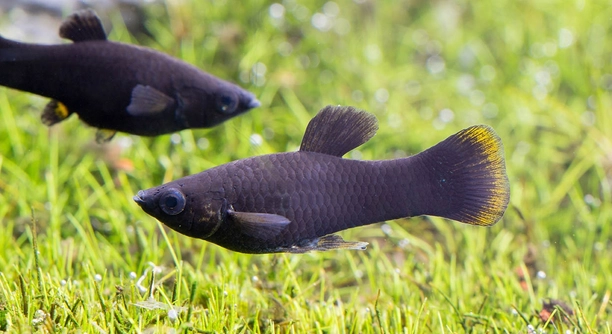
Black Mollies are popular freshwater fish known for their striking appearance and peaceful nature. Observing their behavior closely can help ensure they remain healthy and happy in your aquarium environment over time.
Certain Black Molly behaviors, such as sudden hiding, rapid gill movement, erratic swimming, or changes in appetite, indicate stress, illness, or environmental imbalance. Monitoring these actions is crucial for maintaining optimal water conditions and ensuring the fish’s overall well-being.
Recognizing these signs early can prevent serious health issues and keep your Black Mollies thriving in a stable, well-maintained aquarium.
Sudden Hiding
Black Mollies may suddenly hide in corners or behind decorations, signaling discomfort or stress. This behavior often occurs when water quality fluctuates or tank mates are aggressive. Even small changes in temperature or pH can make them seek shelter. Observing their patterns helps detect problems early. Regular water testing and consistent feeding schedules can reduce stress. Mollies may also hide when feeling threatened, so ensure there are enough hiding spots. Overcrowding often causes them to retreat frequently, which can affect their health. Avoid sudden loud noises or tapping on the glass, as these can trigger hiding. Providing plants or structures gives them security. Healthy Mollies usually explore, so persistent hiding requires attention.
Sudden hiding usually indicates stress or discomfort in the tank. Identifying and correcting the cause quickly helps prevent long-term health issues.
Ensuring your aquarium is balanced and calm is key. Mollies are sensitive to changes, and consistent maintenance keeps them comfortable. Observe their behavior daily, maintain water parameters, and provide adequate hiding spaces. Overcrowding, poor water quality, or aggressive tank mates often cause hiding. By addressing these factors, you can keep your Mollies active and healthy.
Rapid Gill Movement
Rapid gill movement is a clear sign of breathing difficulty in Black Mollies. It can result from poor oxygen levels, high ammonia, or disease. Observing gill activity helps detect problems before they worsen. Mollies exposed to low oxygen may gasp near the water surface. Regular water changes and proper filtration improve oxygen levels. Adding plants can also help maintain balanced oxygen. Disease or parasites may also cause faster gill movement. Quarantining new fish and monitoring for symptoms is important. Stress can exacerbate this behavior, so keeping the tank stable is crucial.
Rapid gill movement usually signals oxygen imbalance or early illness. Prompt action ensures your fish recover quickly and remain healthy.
Maintaining proper tank conditions prevents most causes of rapid gill movement. High ammonia or nitrite levels irritate gills and stress Mollies. Frequent water testing and partial water changes maintain a safe environment. Aeration, such as an air stone or strong filtration, increases oxygen levels and reduces strain. Mollies may also show rapid gill movement when fighting parasites or bacterial infections. Isolating affected fish and consulting treatment options helps stop the spread of illness. Consistent observation, along with good diet and clean water, keeps your Mollies thriving. Paying attention to subtle changes in gill activity allows early intervention, preventing more serious health problems from developing.
Erratic Swimming
Erratic swimming often shows stress, illness, or poor water conditions. Mollies may dart, spin, or bump into tank decorations. Observing this behavior helps prevent serious health problems and signals the need for tank maintenance.
Inconsistent swimming patterns can be caused by fluctuations in temperature, pH, or ammonia levels. Overcrowding or aggressive tank mates may also trigger stress, causing Mollies to swim unpredictably. Disease or internal parasites can impact balance and coordination, resulting in sudden spinning or darting. Providing enough space, stable water conditions, and a balanced diet reduces stress and supports normal swimming behavior. Plants and decorations give hiding spots and reduce anxiety.
Parasites, infections, or injuries often make Mollies swim erratically. Quarantining affected fish and maintaining clean water prevents the spread of illness. Observation is key to identifying triggers and correcting issues quickly.
Loss of Appetite
Loss of appetite indicates stress, illness, or water imbalance in Black Mollies. Identifying the cause ensures they return to healthy eating habits.
Mollies may stop eating due to poor water quality, temperature fluctuations, or aggressive tank mates. Internal parasites, bacterial infections, or stress from overcrowding can also reduce appetite. Offering high-quality food and maintaining consistent feeding routines helps restore normal behavior. Sometimes, slowly introducing new foods or varying diet encourages eating. Regular observation ensures that appetite changes are caught early, preventing weight loss or malnutrition.
Prolonged loss of appetite can weaken immune systems and increase vulnerability to disease. Monitoring water parameters, maintaining cleanliness, and providing a balanced diet are essential. Some Mollies respond to slight adjustments in temperature or tank arrangement. Observing behavior closely helps identify the underlying cause and address it promptly. Quarantining sick fish prevents illness from spreading. Attention to feeding patterns ensures that your Mollies remain healthy, energetic, and active in the aquarium environment. Consistency and careful care often resolve appetite issues efficiently.
Clamped Fins
Clamped fins indicate stress, poor water conditions, or illness. Mollies keep their fins close to their body when uncomfortable or unwell. Immediate attention can prevent worsening health.
Poor water quality, sudden temperature changes, or bacterial infections often cause clamped fins. Observing tank conditions and making adjustments restores normal fin movement.
Color Fading
Color fading occurs when Black Mollies lose their vibrant black hue. Stress, poor diet, or illness often cause this change. Maintaining stable water parameters and a nutritious diet helps preserve their natural color.
Color changes can signal nutrient deficiencies, aging, or stress from overcrowding. Mollies may appear dull or patchy if water conditions fluctuate. Regular water testing, balanced feeding, and sufficient tank space improve color retention. Keeping tank lighting moderate also helps maintain natural pigmentation.
Lethargy
Lethargy is a common sign of health issues in Black Mollies. Inactive fish may rest at the bottom or hide for long periods. Regular observation of activity levels helps detect problems early and maintain fish health.
FAQ
Why is my Black Molly hiding all the time?
Hiding is often a sign of stress or discomfort. Water quality, sudden changes in temperature, aggressive tank mates, or overcrowding can make Mollies retreat. Providing plants, decorations, and adequate space helps them feel secure. Regular water testing and stable conditions reduce hiding behavior.
What causes rapid gill movement in my Mollies?
Rapid gill movement usually signals low oxygen levels or irritation from poor water quality. High ammonia, nitrite, or nitrate levels can also stress gills. Improving aeration, performing partial water changes, and checking filtration keeps oxygen levels stable. Disease or parasites may also cause this, requiring quarantine and treatment.
Why is my Molly swimming erratically?
Erratic swimming can result from stress, illness, or environmental issues. Temperature fluctuations, aggressive tank mates, or overcrowding often trigger this. Parasites or infections affect balance, causing spinning or darting. Ensuring stable water conditions, adequate space, and proper nutrition helps maintain normal swimming patterns.
What causes loss of appetite in Black Mollies?
Loss of appetite may indicate stress, disease, or poor water quality. Internal parasites, bacterial infections, and sudden changes in tank conditions are common causes. Offering high-quality food, consistent feeding schedules, and monitoring water parameters helps restore normal eating. Sometimes, varying diet or introducing new foods encourages feeding.
Why are my Mollies’ fins clamped?
Clamped fins usually show stress, poor water conditions, or infection. Sudden temperature shifts, overcrowding, or bacterial infections trigger this behavior. Observing tank conditions and maintaining cleanliness can restore normal fin movement. Providing hiding spaces reduces stress, helping Mollies feel secure.
Why is my Black Molly losing color?
Color fading often reflects stress, poor diet, or illness. Inconsistent water quality, nutrient deficiencies, or overcrowding can cause pigmentation loss. Stable water parameters, a nutritious diet, and moderate lighting preserve vibrant color. Addressing stressors and environmental issues supports natural pigmentation over time.
Why is my Molly lethargic?
Lethargy indicates possible health problems. Poor water quality, low oxygen, disease, or stress can make Mollies inactive. Monitoring activity, performing regular water tests, and maintaining consistent tank conditions encourage normal behavior. Quarantining sick fish and treating infections early prevents further decline.
Can temperature affect my Black Molly’s behavior?
Yes. Mollies are sensitive to temperature fluctuations. Too low or too high temperatures can stress them, causing hiding, erratic swimming, or loss of appetite. Maintaining a stable temperature suited to freshwater tropical fish keeps them active, healthy, and less prone to illness.
How do I know if my Molly is sick?
Signs of illness include clamped fins, faded color, rapid gill movement, erratic swimming, hiding, lethargy, or loss of appetite. Regular observation and water testing help detect issues early. Quarantining affected fish and treating specific illnesses promptly ensures recovery and protects other tank inhabitants.
What can I do to prevent these behaviors?
Consistent water quality, proper filtration, stable temperature, balanced diet, and adequate tank space reduce stress and prevent abnormal behaviors. Observing Mollies daily and addressing environmental or health issues quickly helps maintain a thriving, active, and vibrant aquarium.
Are tank mates important for Black Mollies’ behavior?
Yes. Aggressive or territorial fish can stress Mollies, leading to hiding, clamped fins, or lethargy. Choosing compatible species and avoiding overcrowding ensures peaceful interaction. Providing hiding spots and space helps Mollies feel safe and reduces stress-related behaviors.
How often should I check water parameters?
Regular testing is essential. Ammonia, nitrite, nitrate, pH, and temperature should be monitored weekly or more frequently during tank setup or when unusual behaviors appear. Maintaining stable parameters prevents stress, disease, and abnormal behaviors, keeping Black Mollies healthy and active.
Can diet affect my Molly’s behavior?
Yes. Poor nutrition can lead to faded color, lethargy, or loss of appetite. A balanced diet with high-quality flakes, pellets, and occasional live or frozen foods ensures proper growth, energy, and vitality. Feeding consistent portions prevents overfeeding and maintains water quality.
What should I do if my Molly shows multiple concerning behaviors?
If several behaviors appear simultaneously, check water parameters first, then inspect for illness or parasites. Quarantine affected fish if needed and adjust tank conditions. Prompt action prevents worsening health, supports recovery, and maintains overall tank stability, ensuring your Mollies thrive.
How long does it take for behavior to return to normal?
Recovery depends on the cause. Water quality adjustments may show results within days, while illness treatment can take one to several weeks. Consistent monitoring, proper care, and a stress-free environment speed up the return to normal behavior.
Can stress alone cause multiple behaviors in Mollies?
Yes. Stress from poor water quality, aggressive tank mates, or overcrowding can trigger hiding, clamped fins, erratic swimming, loss of appetite, and color fading. Reducing stress through stable conditions, proper tank setup, and compatible species is crucial for their health and wellbeing.
Black Mollies are resilient and beautiful fish, but their behaviors often communicate more than we realize. Observing their daily actions can reveal a lot about their health and comfort in the tank. Sudden hiding, erratic swimming, clamped fins, or loss of appetite are not random—they are signals that something in their environment needs attention. By noticing these behaviors early, you can prevent minor issues from becoming serious problems. Consistency in water quality, temperature, and tank setup plays a crucial role in keeping Mollies comfortable. Stress and illness are often connected to changes in their environment, so maintaining a stable and clean tank is essential for their overall wellbeing.
Understanding your Mollies’ behaviors also helps in providing proper care tailored to their needs. Rapid gill movement may indicate low oxygen, while faded color or lethargy often points to stress or dietary issues. Each sign provides clues that guide the necessary adjustments. Addressing water conditions, tank mates, and diet can resolve most behavioral problems. For instance, providing hiding spots or moderate tank lighting can reduce stress and prevent frequent hiding. A balanced diet with high-quality flakes, pellets, or occasional live food maintains energy and coloration. Regular observation allows you to respond quickly, minimizing the risk of illness and helping your Mollies remain active and vibrant.
Overall, caring for Black Mollies is about attentiveness and routine. They thrive in well-maintained environments where temperature, water quality, and tank space are consistent. Observing their behavior daily ensures that any early warning signs are addressed promptly. Small adjustments, such as adding plants, improving filtration, or adjusting feeding schedules, often have a significant impact on their health. By understanding what each behavior indicates, you can create a stable and comfortable environment that supports their natural activity, coloration, and growth. Paying attention to these details allows Black Mollies to flourish, making your aquarium both visually appealing and a healthy home for your fish.

Hello,
If you enjoy the content that we create, please consider saying a "Thank You!" by leaving a tip.
Every little bit helps us continue crafting quality advice that supports the health, happiness, and well-being of pets around the world, for pets of all shapes, sizes, and species.
We really appreciate the kindness and support that you show us!