
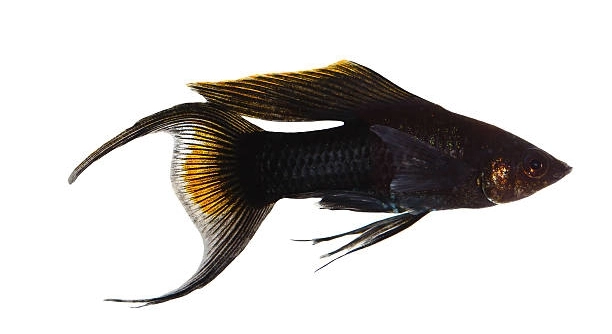
Black mollies are lively, small freshwater fish that add charm to any aquarium. Observing their behavior and appearance can help you spot early signs of illness before problems become serious. Maintaining their health is essential for a thriving tank.
Illness in black mollies can manifest through various physical and behavioral changes. Common indicators include abnormal swimming patterns, discoloration, fin damage, lethargy, loss of appetite, swelling, or unusual spots. Prompt identification allows for timely care and treatment.
Recognizing these warning signs is crucial for preventing serious health issues. Understanding how to respond will help your black mollies stay healthy and active.
Lethargy and Reduced Activity
Black mollies are usually active swimmers, exploring every corner of the tank. When you notice them staying in one spot for long periods or moving sluggishly, it can be a sign of illness. Lethargy may indicate stress, poor water conditions, or internal health issues that need attention. Observing your fish regularly allows you to detect changes early.
This slowed activity often signals the need for immediate water testing and possible adjustments to temperature, pH, or cleanliness.
When a black molly becomes lethargic, start by checking the tank’s water parameters. Ensure the temperature is stable, pH levels are appropriate, and ammonia or nitrate levels are within safe limits. Stress can also result from overcrowding or sudden changes in the environment. Providing a balanced diet and monitoring behavior over the following days can help identify whether the fish is recovering or if veterinary intervention is necessary. Consistent observation ensures your mollies stay lively and reduces the risk of complications.
Loss of Appetite
A black molly that refuses food may be showing signs of disease or stress. Loss of appetite can quickly weaken their condition and affect overall health.
Monitor their feeding habits closely, noting any sudden changes.
If your black molly stops eating, first inspect the water quality. Poor water conditions or sudden environmental changes can suppress appetite. Illnesses such as internal parasites, bacterial infections, or digestive issues can also cause refusal to eat. Offer a variety of foods, including high-quality flakes, frozen, or live options, to encourage feeding. If the fish continues to ignore food, isolating it in a quarantine tank can help prevent the spread of potential disease. Observing its behavior and physical appearance in isolation makes it easier to identify symptoms like swelling, discoloration, or abnormal swimming. Prompt response to a loss of appetite ensures faster recovery and maintains the health of your other tank mates.
Discoloration and Spots
Changes in color or unusual spots on a black molly can indicate infection, parasites, or poor water conditions. Keep a close eye on fading, redness, or white patches, as these often signal an underlying health issue.
Discoloration may develop gradually or appear suddenly. Fungal infections often show as white or gray fuzzy patches, while bacterial infections can cause red streaks or sores. External parasites like ich present as small white dots across the body and fins. Environmental factors such as high nitrate levels or sudden pH shifts can also stress the fish, leading to dull or faded colors. Regular observation and consistent water testing help catch these issues early.
Addressing discoloration starts with isolating the affected fish in a quarantine tank if possible. Treat infections with appropriate medications while maintaining clean water and stable conditions. Adjusting diet to include nutrient-rich foods can support immune function. Monitoring recovery over several days allows you to ensure improvement and prevent further complications in the main tank.
Fin Damage
Torn or frayed fins are common in stressed or sick black mollies. Damage may come from fights, rough surfaces, or infections and should not be ignored.
Damaged fins can worsen if left untreated. Poor water quality or bacterial infections may prevent healing and lead to more severe problems. Maintaining clean water and reducing stress are essential.
Treating fin damage begins with ensuring the tank is free from sharp objects and aggressive tank mates. Regular water changes reduce the risk of bacterial or fungal infections slowing recovery. Medications designed for fin rot can help repair tissue and prevent further deterioration. Offering a varied, protein-rich diet strengthens fin regeneration and supports overall health. Keep observing the fish daily to note any improvement or new damage. With proper care, fins typically recover fully, restoring your black molly’s natural appearance and mobility.
Swollen Body or Belly
A swollen body or belly in black mollies can indicate internal issues such as constipation, dropsy, or organ problems. Immediate observation and care are essential to prevent further complications.
Monitor for additional symptoms like raised scales, difficulty swimming, or lethargy. Early intervention improves recovery chances.
Rapid Gill Movement
Rapid or heavy gill movement often signals oxygen deficiency, gill disease, or poor water quality. Ensure proper aeration and check for ammonia or nitrite spikes that could stress your fish.
Providing clean, well-oxygenated water and maintaining stable tank conditions supports healthy breathing and reduces stress.
Clamped Fins
Clamped fins, where fins are held close to the body, usually indicate stress, illness, or poor water conditions. Observing this behavior early can help address underlying causes quickly.
Consistent water quality checks, reducing tank overcrowding, and monitoring for infection help your black molly regain normal fin position.
How can I tell if my black molly is sick?
Signs of illness in black mollies include lethargy, loss of appetite, discoloration, spots, clamped fins, fin damage, and swelling. Observing swimming patterns, behavior, and physical appearance daily helps detect problems early. Quick identification increases the chance of successful treatment and recovery.
What should I do if my black molly stops eating?
Start by checking water quality, including temperature, pH, and ammonia levels. Offer a variety of high-quality foods such as flakes, frozen, or live options. If the fish continues to refuse food, isolate it in a quarantine tank and monitor for other symptoms like swelling or unusual spots.
Why does my black molly have clamped fins?
Clamped fins often indicate stress, illness, or poor water conditions. Reduce overcrowding, remove aggressive tank mates, and maintain stable water parameters. Check for infections or parasites and consider a mild treatment if necessary. Healthy water and reduced stress usually allow fins to return to normal.
How can I treat fin damage in black mollies?
Remove sharp objects and aggressive tank mates to prevent further injury. Ensure clean water through regular changes and consider medications for bacterial or fungal infections. Provide a nutrient-rich diet to support tissue regeneration. Daily monitoring helps track recovery and prevents additional damage.
What causes discoloration or spots on black mollies?
Discoloration may result from bacterial or fungal infections, parasites, or environmental stress such as poor water quality. White patches often indicate fungal growth, while red streaks suggest bacterial issues. Regular water testing and observation can help identify the exact cause.
Why is my black molly lethargic?
Lethargy can be caused by poor water quality, disease, stress, or sudden environmental changes. Monitor water parameters, ensure proper tank temperature, and reduce stress factors such as overcrowding. Providing a balanced diet and observing behavior daily supports recovery.
How do I handle a swollen or bloated black molly?
Swelling can indicate constipation, dropsy, or internal organ problems. Check for raised scales, abnormal swimming, or lethargy. Adjust feeding habits, provide clean water, and consider appropriate medications if necessary. Isolating the fish in a quarantine tank allows closer monitoring and prevents spreading illness.
Can poor water conditions make black mollies sick?
Yes. High ammonia, nitrite, nitrate levels, sudden pH changes, or fluctuating temperatures can stress black mollies and weaken their immune system. Regular water testing, partial water changes, and maintaining stable tank conditions prevent illness and promote healthy fish.
How long does it take for a sick black molly to recover?
Recovery depends on the illness type and severity. Mild infections or stress-related issues may improve within a few days, while serious bacterial, fungal, or parasitic infections could take weeks. Consistent care, proper water conditions, and suitable treatment are key to faster recovery.
Is it necessary to quarantine a sick black molly?
Quarantining sick fish is highly recommended to prevent disease spread and allow focused care. Use a separate tank with clean water, stable conditions, and monitor for additional symptoms. Medications can be applied safely, and recovery is easier when the fish is isolated from healthy tank mates.
What diet supports recovery in sick black mollies?
A varied, protein-rich diet helps strengthen the immune system and supports tissue repair. Include high-quality flakes, frozen or live foods, and occasional supplements if needed. Feeding small amounts several times a day encourages appetite without overloading the digestive system.
When should I consult a vet for my black molly?
If symptoms persist despite proper care, water adjustments, and basic treatment, consult a vet experienced with fish. Severe signs like persistent swelling, rapid gill movement, or continuous lethargy require professional advice to prevent permanent damage or loss.
How can I prevent future illness in black mollies?
Maintain stable water conditions, provide a balanced diet, avoid overcrowding, and regularly observe behavior. Quarantine new fish before adding them to the tank, and act quickly at the first sign of illness. Consistent care keeps your black mollies healthy and active.
What are common mistakes that lead to illness?
Overfeeding, irregular water changes, poor tank hygiene, overcrowding, and ignoring early warning signs are common causes. Ensuring proper water quality, feeding appropriately, and monitoring behavior prevents most health issues in black mollies and supports long-term well-being.
Can stress alone make a black molly sick?
Yes. Stress from aggressive tank mates, sudden water changes, or poor environmental conditions weakens the immune system, making mollies more susceptible to infections. Reducing stress through stable conditions and careful tank management is essential for maintaining health.
How often should I check my black molly’s health?
Daily observation is ideal. Watch swimming patterns, appetite, fins, coloration, and general activity. Regular checks help detect minor issues before they become severe, ensuring timely care and a healthy aquarium environment.
Caring for black mollies requires careful attention to their environment and health. These small, active fish can bring life to an aquarium, but they rely on consistent water quality, proper nutrition, and a stress-free habitat to thrive. Monitoring their behavior and appearance every day allows you to notice early signs of illness, such as lethargy, clamped fins, loss of appetite, or discoloration. Addressing these issues quickly is important, as small problems can quickly become serious if left untreated. Simple habits like regular water changes, keeping the tank clean, and maintaining proper temperature and pH levels can prevent many health problems before they arise. Observing your mollies closely helps you understand their normal behavior, making it easier to identify when something is wrong. This daily care is not complicated, but it does require dedication and attention to detail to keep your fish healthy and active.
Understanding the common signs of illness in black mollies helps you respond promptly and appropriately. For example, torn fins or spots on the body often indicate infections or parasites, while swelling or bloating can suggest internal issues. Rapid gill movement may signal stress or low oxygen levels in the tank. Knowing how to address these problems is essential. Providing a balanced diet with high-quality flakes, frozen, or live food supports their immune system and promotes recovery. Quarantining sick fish can prevent the spread of disease and allows you to focus on treatment without disturbing healthy tank mates. Additionally, maintaining stable water conditions and reducing stress factors such as overcrowding or aggressive tank mates improves recovery times. Taking these steps creates a safer and healthier environment for your black mollies, allowing them to display their natural energy and beauty.
Consistency and observation are the most effective tools in keeping black mollies healthy. Small changes in behavior or appearance often provide early warnings of illness. Addressing water quality issues, improving nutrition, and minimizing stress can prevent minor problems from becoming severe. While some illnesses require treatment or professional advice, many health issues are avoidable with routine care and attention. Regular monitoring, proper tank maintenance, and understanding the signs of disease not only protect your black mollies but also create a more enjoyable aquarium experience. Over time, you will become more familiar with your fish and their needs, making it easier to recognize when intervention is necessary. Keeping these practices in mind ensures that your black mollies can live long, healthy lives while remaining active and vibrant members of your aquarium.

Hello,
If you enjoy the content that we create, please consider saying a "Thank You!" by leaving a tip.
Every little bit helps us continue crafting quality advice that supports the health, happiness, and well-being of pets around the world, for pets of all shapes, sizes, and species.
We really appreciate the kindness and support that you show us!