
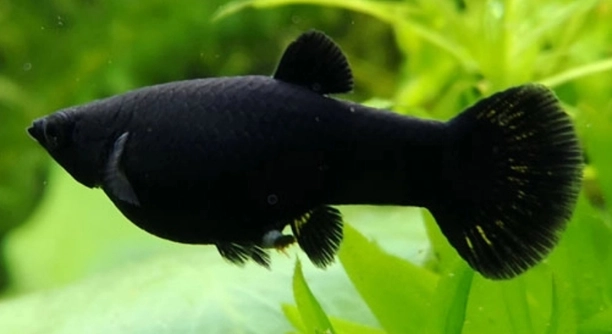
Are your black molly fish not growing as expected despite your care and attention? Many aquarists face this issue, often feeling frustrated when their fish fail to thrive. Growth problems can stem from several environmental and dietary factors.
Black molly growth can be hindered by improper water conditions, inadequate nutrition, overcrowding, stress, or health issues. Ensuring stable water parameters, balanced feeding, and proper tank maintenance is essential for optimal development and long-term well-being of the fish.
Understanding these common causes will help you improve your black molly’s growth and overall health, making it easier to create a thriving aquatic environment.
Water Quality and Parameters
Maintaining stable water conditions is crucial for black molly growth. Fluctuations in temperature, pH, or hardness can stress the fish and slow development. Black mollies prefer slightly alkaline water with a pH between 7.0 and 8.5 and temperatures around 24–28°C. Ammonia, nitrite, and nitrate levels should be monitored regularly, as high levels can damage gill function and overall health. Frequent partial water changes help remove waste and toxins, keeping the environment clean. Over time, even small inconsistencies in water quality can stunt growth. Equipment such as filters and heaters must function properly, and regular maintenance is necessary to prevent malfunctions. Observing fish behavior provides clues about water conditions; lethargy, clamped fins, or loss of appetite often indicate stress. Ensuring the tank is well-aerated and not overcrowded supports better oxygen distribution and reduces territorial conflicts that can hinder development.
Poor water conditions can prevent growth despite proper feeding and care. Consistent monitoring is essential to maintain a healthy environment.
Regular testing of water chemistry and attentive maintenance supports healthy growth. Adjusting temperature and pH gradually ensures fish remain stress-free. Clean tanks reduce disease risk and create an environment where black mollies can thrive. Monitoring and correcting water parameters is one of the most effective ways to encourage steady growth and maintain vibrant, active fish. Proper filtration, regular partial water changes, and careful observation of behavior form the foundation of successful black molly care, promoting both health and size.
Diet and Nutrition
A balanced diet is essential for black molly growth. Feeding too little or offering low-quality food can slow development.
Black mollies require a mix of protein, vegetables, and occasional live or frozen foods. Providing high-quality flakes or pellets fortified with vitamins ensures proper nutrition. Supplementing with blanched vegetables like spinach or zucchini supports healthy digestion and adds essential fiber. Feeding small amounts multiple times a day prevents overfeeding and water contamination. Rotating protein sources, including brine shrimp or daphnia, encourages steady growth and stronger immune function. Nutritional deficiencies can cause slow growth, dull coloration, and weakened health. Monitoring the size and weight of fish helps adjust portion sizes and feeding frequency. Overfeeding can lead to bloating and poor water quality, both of which hinder development. Maintaining a consistent feeding schedule and observing how fish consume food ensures they receive the nutrients necessary for optimal growth and vitality.
Proper nutrition directly influences size, energy levels, and overall health. Adjusting diet supports consistent development.
Providing a varied, nutrient-rich diet is key for black molly growth. Flakes and pellets should be supplemented with fresh vegetables and occasional live or frozen protein. Balanced feeding encourages proper organ development, vibrant coloration, and robust immunity. Small, frequent meals reduce waste and prevent bloating while ensuring adequate nutrient intake. By monitoring growth and adjusting food types and portions, it is possible to address deficiencies and promote healthy development. Attention to both quality and quantity of food helps maintain energy levels, prevent stunted growth, and enhance the longevity of black mollies, giving them the best chance to thrive in a home aquarium.
Overcrowding
Overcrowding can stress black mollies and slow their growth. Too many fish in one tank reduces swimming space and increases competition for food.
When the tank is overcrowded, fish experience higher stress levels, which suppress growth hormones and weaken the immune system. Limited space also leads to more waste buildup, making it harder to maintain clean water. Black mollies need room to swim freely and establish territories, especially males, which can become aggressive if cramped. Providing adequate space and avoiding overstocking ensures each fish receives proper nutrition and experiences less stress, supporting steady growth and overall health.
Overcrowding also increases the risk of disease, as pathogens spread faster in densely populated tanks. Ensuring the correct fish-to-gallon ratio and observing interactions helps reduce stress, allowing black mollies to grow at a normal pace. Providing hiding spots and decorations can further relieve tension and create a more comfortable environment.
Stress Factors
Stress from environmental or social factors can inhibit growth in black mollies. Frequent changes or disturbances affect their well-being.
Loud noises, sudden movements, or improper lighting can trigger stress responses. Social stress from aggressive tank mates or overcrowding can also stunt development. Chronic stress reduces appetite, slows metabolism, and weakens the immune system, making fish more vulnerable to disease. Black mollies thrive in a stable environment with consistent routines and calm surroundings. Maintaining a predictable feeding schedule, proper tank setup, and compatible tank mates minimizes stress. Observation is key, as stressed fish often hide, gasp at the surface, or display clamped fins.
Reducing stress helps mollies use energy for growth rather than survival. Balanced social interactions, a calm environment, and routine care encourage healthy development. Avoiding sudden changes and monitoring behavior allows early intervention, ensuring fish remain comfortable. Proper tank placement away from high-traffic areas, consistent water parameters, and minimizing conflicts all contribute to lower stress levels. Supporting a peaceful environment enables black mollies to focus on feeding, activity, and growth without unnecessary strain on their health.
Inadequate Tank Size
A small tank limits swimming space and reduces oxygen levels, both of which can slow black molly growth. Fish need room to move and establish territories to thrive.
Keeping black mollies in an undersized tank increases stress and competition. A minimum of 20 gallons is recommended for a small group to ensure healthy development and proper water quality.
Poor Filtration
Insufficient filtration allows waste to accumulate, causing ammonia and nitrite spikes that harm growth. Proper filtration maintains clean, oxygen-rich water essential for black mollies’ health.
Illness and Parasites
Diseases and parasites can stunt growth by draining energy and affecting nutrient absorption. Sick fish may eat less and show slow development, making early detection and treatment crucial for recovery.
Incompatible Tank Mates
Aggressive or fast-moving tank mates can stress black mollies, limit access to food, and stunt growth. Choosing peaceful companions ensures a balanced environment conducive to proper development.
FAQ
Why isn’t my black molly growing even though I feed it regularly?
Feeding alone doesn’t guarantee growth. Poor water quality, stress, or inappropriate tank conditions can prevent black mollies from reaching their full size. Even with regular feeding, fish need a balanced diet, proper tank size, and stable water parameters to develop correctly.
How much should I feed my black molly daily?
Feed small portions two to three times per day. Overfeeding can pollute the water and cause bloating, while underfeeding slows growth. Aim for an amount the fish can consume in 2–3 minutes, adjusting based on activity and size.
Can water temperature affect growth?
Yes, black mollies thrive in 24–28°C water. Temperatures below or above this range can stress them, slow metabolism, and reduce appetite. Consistent temperature with minimal fluctuations supports healthy growth.
Does tank size really matter?
Absolutely. A cramped tank stresses fish, limits swimming space, and increases waste buildup. For a small group of black mollies, at least 20 gallons is recommended. Larger tanks allow better oxygen distribution, territory establishment, and social balance.
What foods promote growth the most?
High-quality flakes or pellets with protein and vitamins are essential. Supplementing with blanched vegetables and occasional live or frozen foods like brine shrimp improves nutrition. A varied diet supports digestion, coloration, and overall development.
Can stress stunt growth permanently?
Chronic stress can slow growth and weaken the immune system, but addressing stress early can reverse some effects. Avoid aggressive tank mates, overcrowding, and sudden environmental changes to help mollies recover and grow normally.
How often should I check water quality?
Test ammonia, nitrite, nitrate, pH, and hardness at least weekly. Frequent monitoring prevents toxic buildup and allows early adjustments, ensuring the tank remains a safe environment for healthy growth.
Are there signs of illness that affect growth?
Yes. Loss of appetite, lethargy, clamped fins, or unusual swimming indicate health issues. Parasites, bacterial infections, or poor nutrition can all slow growth. Early detection and treatment help restore normal development.
Can molly fish outgrow their tank?
Yes, over time. As black mollies grow, their space requirements increase. An initially adequate tank may become cramped, leading to stress and slower growth. Planning for adult size helps prevent these problems.
Is water hardness important?
Black mollies prefer slightly hard, alkaline water. Too soft or acidic water affects metabolism and can stunt growth. Maintaining stable hardness and pH supports proper skeletal and organ development.
How do I know if my black molly is stressed?
Signs include hiding, erratic swimming, gasping at the surface, or refusing food. Stress impacts growth and health, so correcting environmental issues and monitoring behavior is critical.
Can breeding affect growth?
Pregnant females may appear smaller or grow more slowly due to energy devoted to reproduction. Ensuring proper nutrition and minimal stress during pregnancy helps maintain health and encourages continued growth post-birth.
Does lighting impact growth?
Indirectly, yes. Proper lighting supports natural activity patterns and feeding behavior. Extreme brightness or constant darkness can stress fish and affect appetite, indirectly influencing growth rates.
Should I quarantine new fish?
Yes, quarantining prevents disease transmission that could stunt growth. A separate tank for 2–4 weeks allows observation and treatment before introducing new mollies to the main aquarium.
How long does it take for a black molly to reach full size?
With ideal conditions, black mollies reach adult size within 6–12 months. Growth depends on diet, water quality, stress levels, tank size, and overall health. Regular care ensures steady development.
Can decorations or hiding spots influence growth?
Yes, adequate hiding spots reduce stress by allowing fish to establish territories and escape aggression. This encourages normal behavior, feeding, and growth. Avoid overcrowding the tank with too many decorations.
Is it normal for some mollies to grow faster than others?
Yes. Genetics, sex, and social hierarchy influence growth rates. Providing consistent nutrition, space, and clean water helps all fish reach their potential, even if some remain naturally smaller.
Can overfeeding ever help growth?
No, overfeeding causes water quality issues, bloating, and poor health. Balanced portions multiple times a day are more effective for steady growth than excessive feeding.
Do water changes affect growth?
Yes, regular partial water changes remove toxins and maintain stable conditions. This reduces stress and supports metabolic processes necessary for healthy growth.
What is the ideal number of mollies per tank?
A small group of 4–6 in a 20-gallon tank is ideal. Overcrowding increases stress, competition, and disease risk, all of which can slow growth. Maintaining proper ratios ensures balanced social interactions and space.
How can I tell if diet deficiencies are affecting growth?
Dull coloration, slow development, and reduced activity often indicate nutritional gaps. Adjusting diet with protein-rich foods and vegetables corrects deficiencies and promotes healthier growth.
Do male and female mollies grow at the same rate?
Males often stay smaller than females. Females grow larger due to reproductive requirements. Understanding this difference helps set realistic expectations for tank population growth.
Are store-bought foods enough for growth?
Not always. High-quality pellets or flakes are a good base, but supplementing with vegetables and occasional live or frozen foods ensures proper nutrients for steady growth.
Can sudden environmental changes affect growth?
Yes, rapid temperature shifts, new tank mates, or water chemistry changes stress fish. Gradual adjustments and stability are essential to maintain growth and health.
How do I encourage growth in a small tank?
Provide frequent water changes, a high-quality diet, proper filtration, and minimal stress. While tank size limits growth potential, consistent care helps fish reach a healthy size within the available space.
What is the role of filtration in growth?
Filtration keeps water clean, removes harmful chemicals, and provides oxygenation. Poor filtration leads to toxic buildup, slowing growth and increasing susceptibility to illness. Regular maintenance supports healthy development.
Can black mollies recover from stunted growth?
If the causes are corrected—proper diet, clean water, low stress—black mollies can regain healthy growth. Chronic or severe damage may limit full recovery, so early intervention is crucial.
How important is observation for growth?
Watching behavior, appetite, and size changes helps detect stress, disease, or dietary issues early. Timely adjustments improve health and support steady growth.
Can tank location affect growth?
Indirectly. Tanks in noisy or high-traffic areas stress fish, affecting appetite and metabolism. Placing tanks in quiet, stable environments supports healthy development.
Are vitamins necessary for growth?
Yes, vitamins aid metabolism, immunity, and tissue development. Supplementing through high-quality food or occasional additives ensures mollies grow properly and maintain vibrant health.
How do I prevent growth problems before they start?
Maintain clean water, provide proper nutrition, avoid overcrowding, reduce stress, and monitor health. Consistency in care is the most effective way to support healthy black molly growth.
Can I mix black mollies with other species without affecting growth?
Only with peaceful, similarly sized species. Aggressive or fast-moving tank mates reduce access to food and increase stress, both of which can slow growth. Careful selection ensures a harmonious tank environment.
What is the biggest factor in healthy growth?
Water quality, diet, and stress management are the most critical. Maintaining these factors consistently ensures mollies reach their full size and remain vibrant and active.
How do I know when my molly is reaching full growth?
Adult size is typically seen at 6–12 months. Females may reach 3–4 inches, males slightly smaller. Steady growth, consistent energy, and vibrant coloration indicate healthy development.
Are there signs of slowed growth I should watch for?
Lethargy, smaller size compared to tank mates, reduced appetite, or dull color can indicate slowed growth. Addressing underlying issues early improves recovery and prevents long-term stunting.
Is tank maintenance really necessary for growth?
Yes, regular water changes, filter cleaning, and monitoring reduce stress, prevent illness, and create conditions for optimal growth. Neglecting maintenance directly impacts fish size and health.
How often should I feed live foods?
Once or twice weekly is sufficient. Overuse can introduce parasites or imbalance the diet. Live foods supplement nutrients, supporting growth without causing harm.
Can stress from humans affect growth?
Yes, constant tapping, sudden movements, or frequent handling can stress mollies. Calm, predictable interactions help maintain appetite and normal growth patterns.
Does genetics play a role in size?
Yes, some black mollies naturally grow larger than others. Genetics influence maximum size, but proper care ensures each fish reaches its potential.
How do I prevent disease from affecting growth?
Quarantine new fish, maintain clean water, feed properly, and monitor health. Early detection and treatment reduce growth problems caused by illness.
Can I help a molly grow faster?
Focus on stable water, high-quality diet, low stress, and adequate space. Growth is gradual and cannot be rushed without risking health.
How do I know if my black molly is stressed from tank mates?
Signs include hiding, chasing, fin nipping, or reduced feeding. Separating aggressive fish or adjusting the population balance reduces stress and supports growth.
Are there supplements that help growth?
Occasional vitamin-rich foods or fortified flakes help, but overuse can harm water quality. Balanced feeding and proper care are more effective.
How long before I see growth improvements?
With corrected conditions, noticeable growth may appear within a few weeks to months. Patience and consistent care are essential for lasting results.
Can low oxygen levels affect growth?
Yes, insufficient oxygen slows metabolism, reduces appetite, and causes lethargy. Proper aeration and water movement maintain oxygenation and healthy growth.
Should I remove slow-growing mollies from the tank?
Not necessarily. Evaluate water, diet, and stress first. Adjusting conditions often allows slower fish to catch up without removal.
Can temperature fluctuations permanently stunt growth?
Frequent extreme changes can have lasting effects on metabolism and health. Maintaining stable conditions prevents permanent stunting.
Is feeding too often harmful?
Yes, frequent overfeeding pollutes water and stresses digestion. Small, measured meals support steady growth and tank cleanliness.
Do hiding spots really matter?
Yes, they reduce stress and aggression, allowing mollies to feed and swim without interruption. A well-structured tank promotes growth.
Can growth problems be reversed completely?
If addressed early, most growth issues can be corrected. Long-term neglect or chronic stress may limit full recovery, so timely intervention is critical.
How does tank lighting affect appetite?
Proper lighting encourages normal activity and feeding. Excessive brightness or darkness can stress mollies, indirectly affecting growth.
What should I do if my molly isn’t growing despite good care?
Reassess water quality, tank size, diet, and stress factors. Correcting hidden issues usually restores growth and improves overall health.
Are younger mollies more sensitive to growth issues?
Yes, juveniles are more vulnerable to poor conditions, stress, and nutritional deficiencies. Extra attention during early stages ensures proper development and long-term health.
Can I mix male and female mollies without affecting growth?
Yes, balanced ratios prevent aggression and allow females to feed properly. Overcrowding or too many males can create stress and stunt growth.
Does tank decoration type matter?
Yes, smooth surfaces and plants reduce injury risk and stress. Sharp or overcrowded decorations hinder movement and growth.
Is it normal for growth to slow at certain stages?
Yes, growth rates vary with age, reproductive cycles, and seasonal changes. Consistent care ensures overall healthy development.
How can I track my molly’s growth effectively?
Measure length monthly and monitor weight if possible. Keep notes on behavior, color, and feeding response to detect early issues.
Do black mollies need vitamins in every meal?
No, a balanced diet with occasional supplementation is sufficient. Over-supplementing can harm water quality and health.
Can multiple stress factors combine to stunt growth?
Yes, overcrowding, poor water, and aggressive tank mates together intensify stress, slowing growth more than any single factor.
How do I encourage shy mollies to eat?
Provide hiding spots, feed in calm areas, and avoid disturbances. Gradual acclimation reduces stress and promotes appetite.
Are there growth differences between wild and tank-bred mollies?
Wild mollies may grow differently due to genetics and environmental adaptation. Tank-bred fish respond better to controlled care, diet, and conditions.
Can growth issues indicate underlying genetic problems?
Occasionally, slow growth results from genetics. Even with ideal care, some fish may remain smaller. Proper environment maximizes potential regardless of genetics.
How much space do juveniles need compared to adults?
Juveniles require proportionally more space relative to size for swimming and growth. Avoid overcrowding to ensure steady development.
Can stress from breeding affect other fish’s growth?
Yes, aggressive breeding behaviors can intimidate tank mates, reduce feeding opportunities, and increase stress, indirectly slowing their growth.
Does water flow affect growth?
Moderate flow encourages exercise and proper oxygenation. Excessive flow can stress mollies and reduce feeding efficiency, impacting growth.
How important is consistent care for growth?
Consistency in feeding, water changes, and monitoring is the most reliable factor in achieving healthy growth and preventing stunting.
Can molly fry affect adult growth?
Yes, if adults share space with numerous fry, competition for food can increase stress and limit nutrient availability, slowing adult growth.
Is it normal for some mollies to remain smaller than others?
Yes, individual growth varies due to genetics, sex, and social hierarchy. Proper care helps all fish reach their maximum potential within these limits.
Can growth be accelerated safely?
No method safely speeds growth beyond natural rates. Focus on optimal conditions, balanced diet, and low stress for steady, healthy development.
How do I know if my filtration is sufficient for growth?
Water clarity, oxygen levels, and stable chemical parameters indicate effective filtration. Inadequate systems show algae buildup, cloudy water, or frequent stress signs in fish.
Does tank color or lighting intensity affect growth?
Indirectly. Natural or soft lighting reduces stress and encourages feeding, supporting metabolism and normal growth patterns.
Can I mix different molly varieties without affecting growth?
Yes, as long as tank conditions, size, and social dynamics are managed. Avoid aggressive or dominant varieties that may stress others.
Are there signs that diet changes are needed for growth?
Slowed growth, reduced color, or decreased activity suggest nutritional gaps. Adjusting protein, vegetables, and supplementation restores proper development.
How can I prevent stress from human interaction?
Limit sudden movements, tapping, or handling. Regular but calm observation ensures fish remain comfortable and maintain normal growth.
What is the most common reason black mollies stop growing?
Stress, poor water quality, and inadequate nutrition are the leading causes. Addressing these factors promotes recovery and consistent growth.
Can tank water hardness influence molly size?
Yes, maintaining slightly hard, alkaline water supports metabolism and skeletal development, helping mollies reach full size.
How do I balance multiple growth factors effectively?
Regular monitoring of water, diet, space, and stress levels ensures all conditions are optimal, supporting healthy, steady growth in black mollies.
Are seasonal changes important for growth?
Minor seasonal fluctuations affect metabolism and activity. Maintaining stable temperature and light reduces stress and prevents growth delays.
Can stress from tank cleaning affect growth?
Yes, frequent disturbances or rough cleaning can stress fish. Gentle maintenance preserves calm, supporting steady development.
How do I ensure slow-growing mollies catch up?
Correct water parameters, provide high-quality food, reduce stress, and monitor feeding opportunities. Consistent care allows them to reach normal size over time.
Is hiding behavior normal if growth is slow?
Yes, stressed or shy fish may hide more. Reducing stress and ensuring access to food encourages growth and confidence.
Do black mollies need social interaction for growth?
They benefit from group interaction but not overcrowding. Balanced social dynamics reduce stress and encourage healthy development.
How important is daily observation for growth?
Observing activity, appetite, and behavior daily helps detect issues early, allowing adjustments that support steady, healthy growth.
Can water additives help growth?
Only if used to correct deficiencies. Routine use of unnecessary additives can harm water quality and hinder growth rather than promote it.
How long should I wait before changing feeding routines for growth?
Observe for 1–2 weeks after dietary adjustments. Changes too quickly can stress fish and disrupt nutrient intake, affecting growth.
Are black mollies sensitive to light changes?
Moderate lighting changes are fine, but sudden extremes stress fish and affect metabolism, indirectly impacting growth.
Can tank position near windows affect growth?
Yes, direct sunlight can cause temperature fluctuations and algae growth, stressing mollies and limiting growth potential.
Do male molly hierarchies impact female growth?
Yes, aggressive males can stress females, reducing feeding efficiency and slowing growth. Proper ratios reduce stress and encourage normal development.
How do I choose the best diet for slow-growing mollies?
Select high-protein flakes or pellets, supplement with vegetables, and occasionally offer live or frozen foods. Consistency ensures proper nutrient absorption and steady growth.
Can juvenile black mollies be overfed?
Yes, overfeeding juveniles can harm water quality and cause digestive issues. Small, frequent meals support healthy growth without stressing the tank environment.
Does tank shape matter for growth?
Longer tanks provide more swimming space, reducing stress and supporting exercise, which contributes to healthier development and size.
Are there common mistakes that stunt growth?
Overcrowding, poor diet, unstable water, stress, and lack of observation are frequent issues. Correcting these ensures mollies grow at their potential.
Can black mollies adapt to suboptimal conditions?
They can survive, but growth will be slower and health may suffer. Optimal care maximizes size, longevity, and vitality.
Do stress and illness interact to affect growth?
Yes, stressed fish are more prone to disease, compounding growth delays. Maintaining low stress and good hygiene supports recovery and normal development.
What is the most reliable way to ensure growth?
Stable water, proper diet, low stress, adequate space, and consistent monitoring together create the best conditions for healthy black molly growth.
How do I manage slow-growing and fast-growing fish together?
Ensure ample food, hideouts, and space. Observe
Final Thoughts
Ensuring the healthy growth of black mollies requires consistent attention to several key factors. Water quality is the foundation of a thriving tank. Stable temperature, proper pH, and regular monitoring of ammonia, nitrite, and nitrate levels are essential. Partial water changes help maintain clean water, reduce stress, and prevent the buildup of toxins that can inhibit growth. A well-functioning filter and adequate aeration support oxygen levels and circulation, allowing mollies to swim comfortably and maintain energy for proper development. Even small fluctuations in water parameters can slow growth, so consistency is crucial. Observing behavior such as lethargy, hiding, or gasping at the surface can provide early indications of water-related stress, allowing timely adjustments to prevent long-term health issues.
Diet plays an equally important role in promoting growth. Black mollies require a balanced mix of protein, vegetables, and occasional live or frozen foods. High-quality flakes or pellets fortified with vitamins form the foundation of their nutrition, while blanched vegetables like spinach or zucchini support healthy digestion. Rotating protein sources, including brine shrimp or daphnia, encourages proper development and strengthens the immune system. Feeding small portions multiple times a day prevents overfeeding, reduces waste, and ensures that each fish receives adequate nutrients. Careful observation of appetite and feeding behavior allows adjustments to portion sizes and food types. Avoiding deficiencies is critical, as inadequate nutrition can lead to stunted growth, weakened health, and dull coloration, even in tanks with otherwise ideal conditions.
Environmental and social factors also impact growth. Overcrowding, incompatible tank mates, or insufficient hiding spots can increase stress, reduce access to food, and hinder normal development. Providing enough swimming space and maintaining a balanced population allows each fish to establish territory, feed properly, and interact without excessive stress. Stressful conditions, whether from environmental changes, aggressive tank mates, or human activity, reduce metabolism and suppress growth hormones. Early intervention, careful observation, and preventive measures are key to minimizing stress and ensuring that black mollies grow steadily. By focusing on stable water conditions, balanced nutrition, and a supportive environment, fishkeepers can create a healthy habitat where black mollies can thrive and reach their full potential, promoting not only size but overall vitality and longevity.

Hello,
If you enjoy the content that we create, please consider saying a "Thank You!" by leaving a tip.
Every little bit helps us continue crafting quality advice that supports the health, happiness, and well-being of pets around the world, for pets of all shapes, sizes, and species.
We really appreciate the kindness and support that you show us!