
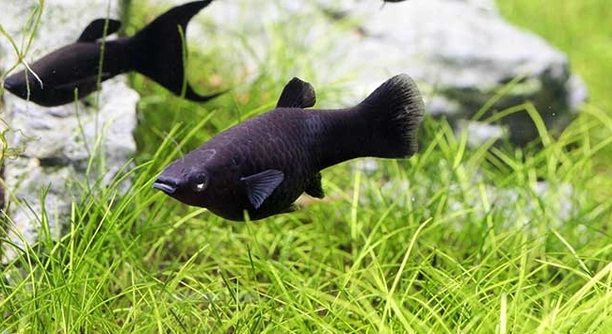
Black Mollies are popular aquarium fish, admired for their shiny black scales and peaceful behavior. Many owners notice small air bubbles in the tank and wonder if these tiny disturbances affect their fish’s daily life or comfort.
Black Mollies are generally not bothered by small air bubbles in the water. These fish are accustomed to a range of water movements and surface activity, and minor bubbles do not interfere with their swimming, feeding, or overall well-being.
Understanding how air bubbles interact with your fish can improve tank management and ensure a healthier environment for your Mollies.
How Air Bubbles Form in Aquariums
Air bubbles appear in aquariums from several common sources. When water is poured in too quickly, tiny pockets of air get trapped. Filters, pumps, and air stones push oxygen into the water, creating bubbles that rise to the surface. Even plants release oxygen during photosynthesis, which can produce small bubbles on their leaves or stems. While these bubbles may look dramatic at first, they are usually harmless. In most cases, they are a normal sign that your aquarium is properly aerated. Observing them can help you understand the water movement and how equipment is affecting the environment.
These bubbles rarely cause stress to Black Mollies. They tend to ignore minor surface activity unless the bubbles are unusually large or sudden.
Keeping bubbles at a manageable level ensures your fish stay comfortable. Adjusting water flow, placement of equipment, and gentle pouring techniques can prevent excessive bubbles while still maintaining healthy oxygen levels for your Black Mollies. Monitoring the tank daily allows you to catch unusual patterns early, ensuring the environment remains calm and suitable. Your fish will swim freely, feed well, and interact naturally without being distracted by normal aeration bubbles. With simple adjustments, the tank maintains balance without unnecessary stress on the Mollies.
Effects of Excessive Air Bubbles
Large amounts of bubbles can disturb fish if they create strong currents or turbulence.
Excessive bubbles can stress Black Mollies by forcing them to swim against currents continuously. This constant movement can tire the fish, interfere with feeding, and make hiding more difficult. In severe cases, it may cause minor injuries or disrupt natural behavior patterns. Adjusting pump strength, repositioning equipment, or reducing agitation can prevent this issue. By controlling the source of strong bubbles, you can maintain a calm and stable environment that supports healthy growth and normal activity. Regular observation ensures your Mollies remain unaffected, allowing you to enjoy their peaceful presence without the stress of uncontrolled bubbles.
Observing Black Mollies Around Bubbles
Black Mollies usually ignore small bubbles, swimming normally and interacting with their environment. They may occasionally swim through clusters of bubbles, but this behavior is brief and does not indicate discomfort. Their natural curiosity allows them to adapt easily to minor water movement in the tank.
Even when bubbles gather near the surface or around decorations, Mollies continue feeding and exploring. They do not display signs of stress such as frantic swimming, hiding excessively, or gasping at the surface. Observing their behavior over time helps determine if bubbles are impacting their daily activities or if adjustments are needed in tank setup. Consistent patterns of calm behavior show that bubbles are a minor aspect of their environment rather than a disturbance.
Bubbles can create small currents that slightly shift floating plants or debris, but Black Mollies navigate these changes with ease. Their agility allows them to weave through any rising bubbles without harm. Maintaining proper water conditions, such as temperature, pH, and oxygen levels, remains far more important than worrying about typical bubble formation. These fish are resilient, and minor aeration keeps the tank healthy and dynamic.
Managing Bubble Formation in the Aquarium
Positioning filters, pumps, and air stones correctly reduces excessive bubbles while maintaining oxygenation. Adjusting the flow prevents strong currents that might stress fish or disturb substrate.
Strong bubbles can be minimized by lowering pump output or repositioning air stones away from swimming areas. Ensuring gentle water movement keeps Mollies comfortable and prevents them from expending extra energy swimming against currents. Floating decorations, plants, and surfaces near the water intake can be rearranged to diffuse bubbles. Regular maintenance, such as cleaning filters and monitoring equipment, also helps control bubble intensity. These adjustments create a calm environment, allowing Black Mollies to thrive without interference from excessive water agitation.
Identifying Stress from Bubbles
Black Mollies rarely show stress from small bubbles, but unusual behavior can be a sign. Rapid swimming, hiding for long periods, or gasping at the surface may indicate excessive agitation in the tank. Monitoring these behaviors helps maintain a healthy environment.
Adjusting water flow and bubble sources can reduce stress. Minor changes, like repositioning air stones or lowering filter output, often restore calm. Mollies respond quickly when the environment is balanced, returning to normal swimming and feeding patterns.
Bubble Impact on Feeding
Small, gentle bubbles do not affect Black Mollies’ feeding habits. They continue to graze on algae, flakes, or pellets without disruption, even near rising bubbles.
Maintaining Balanced Aeration
Proper aeration ensures oxygen levels remain stable without over-stimulating fish. This balance supports health and activity.
Preventing Bubble Accumulation
Routine cleaning and equipment checks prevent excessive bubble buildup. Keeping surfaces and filters maintained minimizes unnecessary turbulence and keeps the tank stable.
FAQ
Can Black Mollies breathe air from the surface?
Yes, Black Mollies can breathe air from the surface using their modified swim bladder, which functions like a lung. This adaptation helps them survive in low-oxygen environments. However, they rely primarily on gill respiration, so surface breathing is usually occasional and not a sign of distress.
Do bubbles cause Black Mollies to jump out of the tank?
Typically, bubbles alone do not make Black Mollies jump. Jumping is more often a reaction to sudden disturbances, bright light, or aggressive tank mates. Keeping a secure lid and maintaining calm water conditions helps prevent accidental escapes. Bubbles that create gentle currents are unlikely to trigger this behavior.
Are certain types of bubbles more bothersome than others?
Yes, large or fast-moving bubbles from high-powered pumps or air stones can be more noticeable. Gentle, small bubbles are generally ignored. Adjusting the equipment to produce steady, moderate bubbles helps maintain comfort for the fish.
Can excessive bubbles affect feeding?
Small bubbles usually do not interfere with feeding. Black Mollies adapt easily and continue to graze on algae, flakes, or pellets. Only strong currents or large bubbles that disrupt the water surface may make feeding slightly more challenging. Observing their behavior during feeding ensures they are not stressed.
Do bubbles impact breeding behavior?
Normal bubbles have little to no effect on breeding. Black Mollies continue to mate and hide fry in plants or decorations. Excessive agitation, however, may cause temporary stress, prompting adults to seek calmer areas. Ensuring moderate bubble activity supports natural breeding behavior without interference.
Can bubbles harm fry?
Newly hatched fry are delicate and may be affected by strong currents or large bubbles. Gentle aeration and hiding places help protect fry while allowing water circulation. Small bubbles are generally safe, but intense bubbling near breeding areas should be minimized to prevent accidental harm.
How can I tell if bubbles are stressing my Mollies?
Signs of stress include frantic swimming, hiding excessively, gasping at the surface, or reduced feeding. Observing normal, relaxed behavior indicates the bubbles are not causing issues. Adjusting water flow or equipment placement can quickly alleviate any stress if observed.
Do water temperature and quality influence bubble effects?
Yes, water that is too warm, cold, or poorly maintained can amplify stress from any disturbance, including bubbles. Maintaining stable temperature, pH, and cleanliness ensures that normal bubble activity remains harmless and comfortable for Black Mollies.
Are bubbles necessary for a healthy aquarium?
Bubbles help oxygenate the water, which is vital for fish health. They also improve circulation and prevent stagnant areas. While small bubbles are beneficial, excessive or strong agitation should be controlled to avoid discomfort or stress. Proper balance ensures a thriving environment.
Can adjusting air stones or filters reduce bubble stress?
Yes, repositioning or reducing the output of air stones and filters can control bubble size and movement. Placing them away from main swimming areas and lowering intensity provides a calmer environment while maintaining adequate oxygenation. Regular observation ensures the adjustments meet the fish’s needs.
Do Black Mollies ever use bubbles to play?
While not exactly play, Black Mollies may swim through bubbles out of curiosity. This behavior is brief and does not indicate discomfort. It can also be a form of exploration, helping them navigate and understand water movement in their tank.
Is it safe to remove all bubbles from the tank?
Completely removing bubbles is not recommended. Aeration is important for oxygen levels and water circulation. The goal is to manage bubble intensity, ensuring gentle movement that supports health while preventing excessive stress or strong currents.
How often should I check bubble levels?
Daily observation is ideal. Regular checks allow you to notice changes caused by filter clogging, equipment shifts, or sudden increases in surface agitation. Early adjustments prevent unnecessary stress and maintain a stable, comfortable environment for Black Mollies.
Do bubbles affect other tank inhabitants differently?
Yes, some species are more sensitive than Black Mollies. Fry, delicate fish, or slow swimmers may be disturbed by strong bubbles. Observing all tank inhabitants ensures that aeration supports the overall health and harmony of the aquarium community.
Can bubbles remove surface film or impurities?
Yes, bubbles help break surface tension and remove minor debris or oils. This contributes to a cleaner water surface, promoting better oxygen exchange and healthier conditions for Black Mollies. Proper circulation from gentle bubbles benefits both fish and plants without creating stress.
What adjustments are recommended for a tank with too many bubbles?
Lower pump or air stone output, reposition equipment, or reduce water agitation. These changes decrease strong currents while keeping adequate oxygen levels. Observing fish behavior after adjustments ensures they are comfortable, feeding normally, and swimming freely without disruption from excessive bubbles.
Do plants or decorations affect bubble behavior?
Yes, surfaces can trap or redirect bubbles, creating small clusters. Plants, rocks, and ornaments influence bubble flow, which may create temporary currents. Strategic placement of decor and gentle aeration prevents excessive turbulence and keeps the tank calm for Black Mollies.
Can bubbles signal water quality issues?
Occasionally, persistent foam or unusual bubbles may indicate excess proteins, poor filtration, or contamination. Regular cleaning, water changes, and equipment checks prevent buildup and maintain a healthy, clear environment for Black Mollies.
Are bubbles more common in certain water conditions?
Yes, warmer water can hold less gas, causing more visible bubbles, while cooler water holds more. Surfactants or leftover food can also increase surface bubbles. Understanding your tank’s water conditions helps manage bubble formation without affecting fish comfort.
How do I ensure bubbles remain safe for Black Mollies?
Maintain gentle aeration, monitor fish behavior, position equipment thoughtfully, and perform regular maintenance. Adjust output levels as needed and provide calm areas with plants or hiding spots. These steps create a stable environment where bubbles support oxygenation without causing stress.
What signs indicate the tank is well-balanced despite bubbles?
Fish swimming calmly, feeding regularly, and interacting naturally indicate a balanced environment. Clear water, minimal surface foam, and moderate, consistent bubble activity show that aeration is effective yet non-disruptive. Monitoring these indicators ensures ongoing comfort and health for Black Mollies.
Do seasonal changes affect bubble behavior?
Yes, temperature fluctuations and changes in light cycles can slightly alter oxygen release from plants and water chemistry. Bubbles may appear more or less prominent. Maintaining stable conditions and monitoring equipment output helps keep aeration consistent throughout seasonal changes.
Can I use bubble activity to enrich the tank environment?
Gentle bubbles can encourage exploration and natural swimming patterns. They help circulate water and create small, dynamic currents that stimulate fish activity without causing stress. Observing Mollies interacting with these movements ensures enrichment is safe and beneficial.
How do I balance aeration with fish comfort?
Start with moderate equipment output, adjust based on observation, and provide calm zones. Ensure water quality, temperature, and hiding spots remain optimal. The balance is achieved by combining adequate oxygenation with minimal disturbance to the fish’s natural behavior.
Are there long-term effects of unmanaged bubbles?
Strong or excessive bubbles over time can cause minor stress, energy loss, or slight behavioral changes. Regular monitoring, equipment adjustments, and proper tank management prevent these effects, ensuring Mollies remain healthy and active in a stable, comfortable environment.
Can bubble intensity be measured?
Indirectly, yes. Observing current strength, bubble size, and fish behavior indicates intensity. Adjusting air stone output or pump flow helps control levels. While precise measurement tools are uncommon in home aquariums, careful observation is sufficient to maintain safe conditions.
Do Black Mollies ever get used to large amounts of bubbles?
They may adapt to moderate currents over time, but excessively strong bubbles can still cause stress. Providing areas with calmer water ensures the fish have options for rest and normal activity, preventing long-term fatigue or discomfort.
Is it normal for bubbles to cluster in certain areas?
Yes, clusters often form near air stones, plant leaves, or uneven surfaces. This is natural and usually harmless, as long as currents remain moderate and fish can navigate freely. Adjusting equipment or decor placement can reduce clustering if necessary.
Can air stones alone meet oxygen needs?
Yes, properly sized air stones can provide sufficient oxygenation in combination with regular water changes. Placement and output should be adjusted to prevent strong currents while keeping oxygen levels stable for Black Mollies.
Do bubbles affect water temperature?
Minorly, as bubbles slightly increase surface agitation, aiding heat distribution. They do not significantly change water temperature but can help maintain even warmth throughout the tank, supporting fish comfort and health.
Are there alternatives to bubbles for aeration?
Yes, surface skimmers, gentle filtration, or circulating pumps can aerate water without creating noticeable bubbles. Choosing equipment that balances oxygenation with minimal disturbance supports a calm and healthy environment for Black Mollies.
Can I combine multiple aeration methods safely?
Yes, combining gentle air stones with moderate filtration or surface agitation enhances oxygen levels without stressing fish. Observing fish behavior ensures that multiple sources do not create excessive turbulence or strong currents.
How frequently should equipment output be adjusted?
Adjustments depend on fish behavior, tank size, and seasonal conditions. Daily observation and minor tweaks help maintain gentle currents. Equipment output should be modified only when changes are necessary to prevent over-agitation or insufficient aeration.
Do bubbles help with tank cleanliness?
Yes, they improve water circulation and prevent stagnant areas. This helps distribute nutrients, reduce debris buildup, and maintain a balanced environment for fish and plants. Proper bubble management enhances cleanliness without creating stress.
Are Black Mollies more tolerant of bubbles than other species?
Generally, yes. Their agility and surface breathing adaptation make them resilient to gentle aeration. However, very strong currents or large bubbles can still stress them, so observation and moderation are important.
Do bubbles influence algae growth?
Indirectly, by improving water movement and oxygen distribution. Circulation reduces stagnant areas where algae can accumulate excessively. Maintaining balanced aeration supports tank health and helps manage unwanted algae growth naturally.
Can bubbles affect pH or water chemistry?
Minor agitation from bubbles has little impact on pH. Strong, continuous surface agitation may increase gas exchange slightly, but typical aeration does not significantly alter water chemistry. Regular testing ensures stability for Black Mollies.
Is it safe to leave air stones running overnight?
Yes, continuous gentle aeration is beneficial. Air stones provide steady oxygenation while preventing stagnant water, especially in tanks with many fish or heavy plant growth. Ensuring output remains moderate prevents unnecessary stress.
What should I do if bubbles suddenly increase?
Check filters, pumps, and water flow for issues. Sudden increases can result from clogging, repositioning, or changes in water conditions. Adjust equipment and observe fish behavior to restore a calm and safe environment.
Can bubbles help with plant growth?
Yes, bubbles improve oxygenation and circulation, benefiting root and leaf development. Gentle currents prevent debris buildup on leaves and distribute nutrients evenly, promoting healthier aquatic plants that contribute to a balanced ecosystem for Black Mollies.
Are foam or persistent bubbles a concern?
Yes, excessive foam may indicate protein buildup or poor water quality. Regular water changes, cleaning filters, and monitoring tank conditions prevent long-term problems while keeping aeration safe for Black Mollies.
Do bubbles ever indicate a problem with filtration?
Occasionally, abnormal bubbling patterns can signal equipment issues or blockages. Checking and cleaning filters ensures proper operation and prevents strong currents that could stress Black Mollies. Proper maintenance keeps bubbles gentle and beneficial.
How long does it take for fish to adapt to new bubble patterns?
Usually a few hours to a couple of days, depending on intensity. Mollies adjust quickly to gentle currents, but very strong or sudden bubbles may require additional time or equipment adjustment for full acclimation.
Can I use bubbles to hide tank imperfections?
Yes, gentle aeration can mask minor surface debris or water imperfections, improving tank aesthetics. The key is moderation, as excessive agitation may stress fish rather than enhance appearance.
Do bubbles affect water hardness or mineral content?
No, bubbles have little effect on water hardness or mineral levels. They primarily influence oxygen distribution and surface agitation, leaving chemical properties largely unchanged. Regular testing ensures overall water stability.
Is bubble behavior different in planted tanks?
Yes, plants release oxygen during photosynthesis, creating small bubbles. These are normal and generally beneficial. Arranging plants strategically can help diffuse bubbles and maintain even circulation throughout the tank.
Can Black Mollies use bubbles as navigation cues?
Yes, they may respond to subtle currents caused by bubbles while exploring. This behavior is brief and natural, helping them understand water flow and locate areas for feeding or shelter.
How do I balance bubbles in community tanks?
Observe the most sensitive species and adjust equipment accordingly. Gentle, consistent aeration keeps all inhabitants comfortable. Providing hiding spots and calm areas ensures that even delicate species are not stressed by bubble activity.
Do bubbles help with oxygen during nighttime?
Yes, aeration compensates for reduced photosynthesis from plants at night. Steady bubbles maintain oxygen levels, supporting fish respiration while keeping the water circulated and balanced throughout dark periods.
Can bubbles interfere with medication or water treatments?
Minor bubbles do not interfere, but very strong agitation may reduce contact time for surface-applied treatments. Adjusting aeration temporarily during treatment ensures effectiveness without causing stress.
Are there visual signs that bubbles are too strong?
Yes, rapid swimming against currents, constant surface chasing, or hiding indicates strong agitation. Mollies that remain calm and feed normally show that bubble activity is within a safe range.
Do different sizes of Black Mollies react differently?
Smaller or younger fish may be more affected by strong currents. Adult Mollies handle gentle to moderate bubbles well. Providing calm zones ensures that all sizes can navigate the tank safely.
Can bubbles help prevent stagnation in corners?
Yes, gentle bubbles circulate water to prevent debris accumulation and stagnant areas. This improves oxygenation and overall water quality without stressing Black Mollies.
Is it necessary to turn off bubbles during water changes?
Not necessarily, but adjusting output prevents sudden turbulence. Keeping gentle aeration during water changes maintains oxygen levels while avoiding unnecessary stress from agitation.
How do I monitor bubble effects long-term?
Observe feeding, swimming patterns, hiding behavior, and overall health. Consistent behavior indicates safe aeration, while sudden changes may require equipment adjustments. Long-term monitoring ensures a stable and comfortable environment.
Do bubbles impact aquarium noise levels?
Yes, more aeration can create subtle bubbling sounds. While minor noise is harmless, overly loud bubbles may indicate high output or improper placement of equipment, which can be adjusted for a quieter tank.
Can bubbles interact with heater output?
Yes, bubbles help distribute heat evenly throughout the tank. Gentle aeration ensures consistent temperature without creating cold or hot pockets, supporting fish comfort and stability.
Do fish use bubbles for orientation?
Black Mollies may sense small currents from bubbles while navigating. This is natural and helps them find surfaces, feeding areas, and calm zones within the tank.
Are bubbles important in high-density tanks?
Yes, additional aeration prevents oxygen depletion and improves circulation. In densely stocked tanks, managing bubble intensity is crucial to balance oxygenation with comfort for all fish.
How do I combine bubbles with filtration effectively?
Use gentle air stones and moderate filtration output together. This creates even circulation and oxygenation without strong currents, supporting a calm and healthy environment for Black Mollies and other tank inhabitants.
Do bubbles impact the aesthetic of the tank?
Yes, small, consistent bubbles can enhance visual appeal by creating movement and sparkle. Avoid excessive bubbling that disrupts the natural look or stresses fish. Proper placement of equipment and decor balances aesthetics with comfort.
Can I leave equipment running during vacations?
Yes, gentle aeration and properly maintained filtration ensure oxygen levels and water circulation remain stable while away. Checking equipment before leaving prevents over-agitation or malfunction that could affect Black Mollies.
Do Black Mollies prefer calm or bubbly areas?
They enjoy a balance. Gentle bubbles provide stimulation, while calm zones offer resting areas. This combination supports normal behavior, feeding, and overall health without causing stress or fatigue.
Are there visual indicators of well-managed bubbles?
Yes, small, rising bubbles that disperse naturally and minimal surface foam indicate balanced aeration. Observing fish swimming freely and feeding normally confirms the environment is suitable and safe.
How can I maintain safe bubbles during tank expansion?
Adjust equipment proportionally to the new volume. Ensure gentle circulation, monitor fish behavior, and provide calm areas. Incremental changes prevent sudden strong currents while maintaining adequate oxygenation for Black Mollies.
Can bubble patterns change with tank shape?
Yes, corners, uneven surfaces, and obstacles influence bubble paths. Placement of air stones, plants, and filters should account for tank shape to maintain even circulation and prevent localized turbulence.
Do bubbles affect aquarium lighting?
Indirectly, by shifting floating plants or surface debris that interact with light. Minor effects are harmless and do not impact fish health. Maintaining consistent lighting schedules supports normal behavior and plant growth.
Are bubbles more noticeable in shallow tanks?
Yes, shallow water exaggerates surface movement and bubble visibility. Adjusting air stone output or positioning ensures gentle aeration that does not stress Black Mollies despite tank depth.
Can bubbles aid in distributing food particles?
Yes, gentle currents help suspend flakes or pellets, making feeding easier. Excessive agitation should be avoided, but controlled bubble movement can improve food availability for all fish.
Do seasonal water chemistry changes influence bubble formation?
Yes, temperature and dissolved gas levels fluctuate seasonally, affecting bubble size and frequency. Monitoring conditions and adjusting equipment helps maintain consistent aeration and fish comfort year-round.
Can strong bubbles lead to injury?
Yes, extreme currents or large bubbles can cause minor physical strain or contact with tank surfaces. Gentle, controlled aeration prevents injuries while maintaining proper oxygenation and circulation.
Do Black Mollies interact with bubbles socially?
They may swim through bubbles together out of curiosity, but this is not structured social behavior. It is a brief and natural response to water movement, demonstrating adaptability rather than play.
How do bubbles affect floating plants?
Bubbles can gently move floating plants, preventing stagnation and distributing light exposure. Too strong agitation may uproot delicate species, so monitoring flow ensures plant and fish stability.
Can bubbles help reduce harmful gases?
Yes, surface agitation improves gas exchange, reducing excess carbon dioxide and promoting oxygenation. Proper bubble management contributes to a healthier environment without causing stress to Black Mollies.
Do bubbles influence disease prevention?
Indirectly, by improving circulation and oxygenation. Healthy water conditions make fish more resilient to disease. Gentle bubbles, combined with regular maintenance, support overall tank hygiene and fish immunity.
Are bubble effects cumulative over time?
Moderate bubbles are generally harmless over long periods. Excessive agitation, however, can cause minor stress or fatigue if not managed. Observing long-term behavior ensures the tank remains a stable and safe environment.
How do I balance multiple bubble sources?
Combine air stones,
Black Mollies are resilient fish that adapt well to their aquarium environment. Small air bubbles are a normal part of a well-aerated tank and usually do not bother them. These bubbles come from filters, pumps, air stones, and even plants during photosynthesis. While they may rise to the surface or gather around decorations, Mollies rarely react in a negative way. They continue swimming, feeding, and exploring as usual. Observing their behavior over time helps determine whether bubble activity is within a safe and comfortable range. If they appear calm and active, it is a good indication that the tank environment is balanced, and the bubbles are serving their intended purpose without causing stress.
Proper management of bubbles is important to maintain a healthy environment for Black Mollies. Gentle aeration supports oxygen exchange, improves water circulation, and prevents stagnant areas where debris can accumulate. Adjusting filter output, repositioning air stones, and considering tank layout are simple ways to control bubble intensity. Providing calm zones with plants or decorations gives Mollies areas to rest if needed. Even minor adjustments can make a noticeable difference in maintaining a comfortable tank. Daily observation of the fish and the water’s surface allows early detection of any excessive agitation, helping to prevent long-term stress or behavioral changes. These steps ensure that bubbles remain a helpful part of the tank rather than a source of disturbance.
Understanding the role of bubbles in an aquarium helps create a stable and thriving environment for Black Mollies. While small bubbles are harmless and even beneficial, excessive turbulence can cause temporary stress, especially for fry or more delicate fish. Maintaining proper water quality, temperature, and consistent aeration supports their overall health and natural behavior. Black Mollies thrive when they have both stimulation from gentle water movement and calm areas for resting and feeding. With thoughtful equipment management and routine observation, bubbles can enhance the tank’s oxygen levels, circulation, and visual appeal without compromising the fish’s comfort. By keeping these factors in balance, Mollies can remain active, healthy, and content in their aquatic home.

Hello,
If you enjoy the content that we create, please consider saying a "Thank You!" by leaving a tip.
Every little bit helps us continue crafting quality advice that supports the health, happiness, and well-being of pets around the world, for pets of all shapes, sizes, and species.
We really appreciate the kindness and support that you show us!