
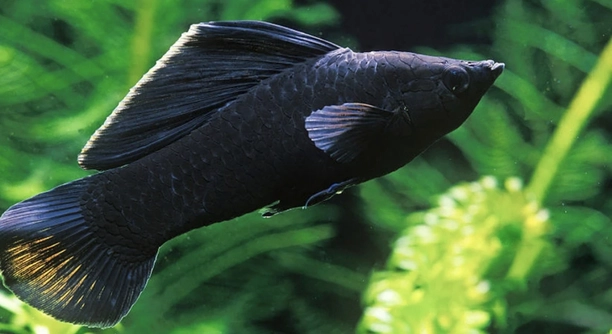
Feeding Black Mollies may seem simple, but many fish owners make subtle mistakes that can affect their health and growth. These small errors often go unnoticed, yet they have a lasting impact on your fish’s wellbeing and lifespan.
Black Mollies often suffer from feeding mistakes such as overfeeding, providing inappropriate food, or inconsistent schedules. These errors can lead to digestive issues, stunted growth, and water quality problems, ultimately compromising the health and vitality of the fish.
Learning about proper feeding routines and common pitfalls will help your Black Mollies thrive and maintain a healthy, active life in your aquarium.
Overfeeding Your Black Mollies
Many fish owners think feeding more is better, but overfeeding can be harmful. Black Mollies have small stomachs, and extra food can lead to bloating, swim bladder problems, and poor digestion. Uneaten food also decomposes quickly in the tank, increasing ammonia levels and stressing your fish. Over time, repeated overfeeding can stunt growth and make fish more prone to disease. Feeding the right amount ensures proper nutrition and keeps the tank clean. Observing your Mollies during feeding helps gauge how much they can eat in a few minutes. Feeding small portions multiple times a day is often better than one large meal. It keeps fish active and reduces leftover food waste. Consistent, measured feeding supports a stable aquatic environment and promotes healthy behavior.
Overfeeding may seem harmless at first, but it can quietly harm your Mollies’ health and tank quality over time.
Keeping portions controlled and feeding slowly allows your Mollies to digest efficiently and reduces the risk of bloating, illness, or water contamination. Paying attention to feeding habits helps maintain a balanced environment.
Inconsistent Feeding Schedules
Black Mollies benefit from regular feeding times, but skipping or randomly feeding can stress them. Consistency helps regulate metabolism and digestion, keeping fish active and healthy.
Irregular feeding may cause aggression among fish as they compete for unexpected food, leading to uneven nutrition and stress. A fixed schedule helps them anticipate meals, maintain energy, and reduces the likelihood of overfeeding at once. Daily routines also help monitor appetite and detect early signs of illness. Feeding at the same time each day stabilizes water conditions because leftovers are minimized. Using a timer or reminder ensures you don’t miss meals, which is especially helpful for busy fish owners. Even slight schedule changes can affect growth and behavior, so aim for consistency. Regular feeding routines also make observing changes in appetite or activity easier, allowing prompt adjustments to diet or tank conditions. Consistent care strengthens the overall health of your Black Mollies while keeping the aquarium balanced.
Feeding Inappropriate Foods
Black Mollies need a balanced diet rich in protein, fiber, and essential nutrients. Feeding only flakes or low-quality foods can lead to poor growth, weak immunity, and health problems.
High-quality pellets or flakes formulated for livebearers provide balanced nutrition. Occasionally supplementing with blanched vegetables, such as zucchini or spinach, adds fiber and promotes digestion. Live or frozen foods like brine shrimp, daphnia, or bloodworms supply protein and stimulate natural feeding behavior. Avoid feeding human food or processed snacks, as these can upset stomachs and introduce harmful chemicals. A varied diet ensures Mollies receive all necessary nutrients, supporting vibrant colors, active swimming, and proper reproduction. Observing your fish during feeding helps confirm they accept the food and consume it completely, reducing waste and maintaining tank water quality.
Feeding inappropriate foods over time weakens your Mollies and can make them prone to disease. Balanced nutrition is essential for long-term health, energy, and growth, keeping your aquarium stable and thriving.
Overreliance on Live Foods
Live foods are highly nutritious and stimulate natural hunting instincts in Black Mollies, but feeding them exclusively can cause dietary imbalance. Mollies require plant-based foods as part of their daily nutrition.
Feeding live foods only may result in excess protein intake, leading to kidney strain and digestive issues. While brine shrimp or daphnia are excellent for occasional treats or supplements, they should not replace pellets or flakes. Plant matter, such as blanched vegetables or algae wafers, provides fiber and essential vitamins, supporting digestion and overall health. Mixing live, frozen, and plant-based foods ensures a complete diet, maintains proper growth, and reduces disease risk. Carefully portioning live foods prevents overfeeding, avoiding leftover waste that can pollute the tank. Offering a balanced combination supports coloration, vitality, and longevity, while keeping Mollies active and healthy.
Ignoring Vegetable Intake
Black Mollies require plant-based foods for fiber and overall health. Skipping vegetables can cause digestive problems and reduce nutrient intake, weakening their immune system.
Blanched vegetables like zucchini, spinach, or peas should be offered regularly. They aid digestion, prevent bloating, and contribute to long-term health, keeping Mollies active and healthy in the tank.
Feeding Too Quickly
Rapid feeding can lead to overeating and choking. Mollies may swallow more than they can digest, causing bloating or swim bladder issues. Slow, measured feeding prevents these problems and allows all fish to eat evenly, maintaining overall tank health and reducing food waste.
Uneven Feeding Among Fish
In a community tank, some Mollies may dominate feeding while others get little. This can cause malnutrition and stress for weaker fish, affecting growth and overall health. Observing feeding patterns ensures all fish receive enough nutrition and remain active.
Using Only Flakes
Relying solely on flakes limits nutritional variety. While convenient, flakes often lack essential vitamins and fiber. Combining flakes with pellets, vegetables, and occasional live foods ensures a balanced diet, supports growth, and maintains Mollies’ vibrant coloration.
How often should I feed my Black Mollies?
Black Mollies do best with small, frequent meals rather than one large feeding. Feeding two to three times daily in measured portions ensures they receive enough nutrition without overloading their digestive system. Observing how quickly they eat helps determine the right amount.
Can I feed my Black Mollies human food?
Human food is not suitable for Black Mollies. Ingredients like salt, sugar, or oils can harm their digestive system and overall health. Stick to fish-specific pellets, flakes, and occasional vegetables to meet their nutritional needs safely.
Are live foods necessary for Black Mollies?
Live foods are beneficial but not strictly necessary. They provide protein and encourage natural foraging behavior, but relying solely on live foods can cause nutrient imbalance. A mix of high-quality flakes, pellets, and plant matter is sufficient for most health needs.
What vegetables are safe for Black Mollies?
Blanched vegetables like zucchini, spinach, peas, and cucumber are safe. These provide fiber, prevent constipation, and contribute essential vitamins. Always remove uneaten vegetables after a few hours to avoid water contamination.
Is it okay to overfeed occasionally?
Even occasional overfeeding can harm Black Mollies. It may cause bloating, swim bladder issues, and poor water quality. Sticking to small, controlled portions consistently is far safer than treating overfeeding as harmless.
How do I know if my Mollies are getting enough food?
Healthy Mollies are active, show bright coloration, and have smooth swimming patterns. If they appear lethargic, have sunken bellies, or compete aggressively for food, these may indicate insufficient feeding or improper portioning.
Can Black Mollies eat only flakes?
Feeding only flakes is not recommended. While flakes provide basic nutrition, they lack fiber and some vitamins. Combining flakes with pellets, vegetables, and occasional live or frozen foods ensures a balanced diet.
Should I adjust feeding for fry or pregnant Mollies?
Yes, fry and pregnant females need more frequent feeding with smaller portions. This supports growth and reproductive health while reducing stress. Offer finely crushed pellets or specialized fry foods alongside vegetables to meet their higher nutritional demands.
What signs indicate overfeeding?
Uneaten food in the tank, bloated bellies, slow swimming, or increased waste levels are signs of overfeeding. Adjust portion sizes accordingly and monitor feeding behavior closely to maintain a healthy environment.
Can feeding mistakes affect water quality?
Yes, overfeeding and uneaten food decompose, raising ammonia and nitrite levels. This stresses Mollies, making them prone to illness. Maintaining proper feeding routines directly supports both fish health and tank water quality.
How long can Black Mollies go without food?
Healthy adult Mollies can survive a couple of days without food, but extended periods without proper nutrition can cause stress, weaken immunity, and stunt growth. Always maintain a consistent feeding schedule.
Are frozen foods better than live foods?
Frozen foods are convenient, safe, and nutritious, retaining most vitamins and proteins. They reduce the risk of introducing parasites or bacteria compared to live foods. Alternating between frozen and live foods provides dietary variety without compromising health.
How do I prevent feeding dominance in a community tank?
Observe feeding carefully, distribute food across the tank, and consider multiple feeding spots. This ensures all Mollies get access to nutrition, preventing weaker fish from being underfed. Rotating food types can also reduce competition.
Can feeding mistakes cause disease?
Improper feeding can weaken immunity, making Black Mollies more susceptible to diseases like fin rot, ich, or digestive infections. Balanced nutrition, controlled portions, and varied diets are crucial for preventing health problems.
How can I tell if my Mollies like a new food?
Watch their behavior during feeding. If they approach the food eagerly, eat it quickly, and remain active afterward, they likely accept it. Reluctance, spitting out food, or ignoring it indicates it may not be suitable or appealing.
What is the best combination of foods for Black Mollies?
A balanced diet includes high-quality flakes or pellets, blanched vegetables, and occasional live or frozen foods. This mix ensures adequate protein, fiber, and essential vitamins while encouraging natural foraging and healthy behavior in your fish.
How important is portion control?
Portion control prevents overfeeding, water contamination, and digestive issues. Feeding small amounts that Mollies can finish within a few minutes keeps them healthy and the aquarium stable. Monitoring intake and adjusting amounts as needed is essential for long-term health.
What should I do if a fish refuses food?
If a Black Molly refuses food, check water quality, temperature, and health. Sometimes stress, illness, or poor water conditions cause appetite loss. Offering a variety of foods and ensuring proper environment helps stimulate feeding. Persistent refusal may require consulting a veterinarian.
How can I safely introduce new foods?
Introduce new foods gradually by mixing them with familiar options. Start with small amounts to observe acceptance and digestion. This reduces stress, prevents waste, and ensures your Mollies adapt without upsetting their digestive system.
Are treats like bloodworms necessary?
Treats are optional but beneficial. Bloodworms, brine shrimp, or daphnia provide protein and variety. Offer them sparingly to supplement the diet, not replace core nutrition from flakes, pellets, and vegetables.
What feeding mistakes are most common?
Overfeeding, inconsistent schedules, reliance on a single food type, and neglecting vegetables are frequent errors. These can harm health, reduce growth, and pollute water. Awareness and proper routines prevent these issues, supporting healthy, vibrant Black Mollies.
How can I monitor feeding effectively?
Observe every feeding session, watch for leftover food, check fish behavior, and ensure all individuals eat. Keep notes on appetite, preferences, and portion sizes to maintain balanced nutrition and healthy tank conditions.
Can improper feeding affect breeding?
Yes, poor nutrition reduces fertility, egg quality, and fry survival. Balanced diets rich in protein, fiber, and vitamins improve reproductive success and ensure healthy, active offspring.
How long does it take to correct feeding mistakes?
Improving diet and feeding habits can show results within weeks. Adjust portions, diversify food, and maintain schedules consistently. Fish regain energy, color, and activity as their health stabilizes, reflecting the benefits of proper feeding practices.
Is there a risk of obesity in Black Mollies?
Overfeeding and excessive protein can lead to obesity, causing swim bladder problems, reduced mobility, and health decline. Maintaining controlled portions and a balanced diet prevents weight-related issues.
How important is observation during feeding?
Observing Mollies ensures they eat adequately, receive proper portions, and allows detection of early health issues. Regular monitoring helps maintain water quality and ensures all fish thrive in a balanced environment.
What adjustments should I make for seasonal changes?
During warmer months, metabolism increases, so slightly more frequent feeding may be necessary. In cooler months, reduce portions to prevent overfeeding. Monitoring activity and appetite helps tailor feeding to seasonal needs.
How do I handle picky eaters?
Offer a variety of foods, including vegetables, pellets, and occasional live or frozen treats. Rotate options and feed in small amounts to encourage acceptance, ensuring picky Mollies receive balanced nutrition without stress.
Can feeding errors be reversed easily?
Most feeding mistakes can be corrected with consistent diet adjustments, controlled portions, and proper schedules. Recovery may take weeks, but healthy water quality and balanced nutrition restore vitality, color, and activity levels in Black Mollies.
Are there long-term effects of feeding mistakes?
Repeated overfeeding, poor diet, or inconsistent feeding can stunt growth, weaken immunity, and shorten lifespan. Correcting routines and maintaining balanced nutrition minimizes risks and supports long-term health and vitality.
How do I transition from flakes to a more varied diet?
Mix small amounts of new foods with flakes gradually. Increase new foods over days while reducing flakes, observing acceptance and digestion. This ensures a smooth transition without digestive stress or waste issues.
How critical is fiber for Black Mollies?
Fiber prevents constipation and supports digestive health. Vegetables and some algae supplements provide necessary fiber, promoting regular bowel movements and reducing bloating or swim bladder problems.
What role does protein play in their diet?
Protein supports growth, reproduction, and energy. High-quality flakes, pellets, and occasional live foods provide adequate protein. Overfeeding protein-heavy foods can cause kidney or liver strain, so balance is key.
How do I prevent feeding-related aggression?
Distribute food evenly across the tank, feed multiple small portions, and monitor interactions. This prevents dominant fish from monopolizing food, ensuring weaker Mollies eat adequately and stress levels remain low.
Can feeding mistakes affect water clarity?
Yes, leftover food decomposes and clouds water, raising ammonia and nitrite levels. Proper feeding routines and portion control maintain clear, healthy water, reducing the risk of stress and disease for Black Mollies.
What is the best approach to correcting multiple feeding mistakes?
Assess current habits, adjust portion sizes, diversify food, and implement consistent schedules. Introduce plant matter and monitor all fish. Gradually correcting routines restores health, water quality, and natural behaviors. Patience and observation are essential for long-term improvements.
How do I balance convenience and nutrition?
Use high-quality flakes or pellets for daily feeding, supplement with vegetables and occasional live or frozen foods. This approach saves time while providing complete nutrition, supporting vibrant, healthy Black Mollies.
What are early warning signs of feeding issues?
Lethargy, bloated bellies, uneven growth, aggression, or leftover food indicate feeding problems. Addressing these signs promptly prevents serious health or water quality consequences.
How much variation in diet is recommended?
Offer at least three types of food regularly: flakes or pellets, vegetables, and occasional live or frozen foods. Variation ensures complete nutrition, encourages natural behavior, and prevents dietary deficiencies.
Can feeding errors be avoided entirely?
Yes, careful planning, consistent schedules, portion control, and diet diversity prevent most common feeding mistakes. Awareness and observation are key to maintaining healthy, vibrant Black Mollies.
What is the role of observation in preventing feeding mistakes?
Regularly watching feeding behavior helps detect early signs of overfeeding, underfeeding, or refusal. Observation allows adjustments before health issues or water problems arise, ensuring long-term fish welfare.
Are there special considerations for community tanks?
In community tanks, distribute food across multiple spots to reduce competition. Ensure all species receive appropriate nutrition. Monitor for dominant fish, and adjust portions or feeding methods to maintain balance and reduce stress.
How does feeding affect coloration in Black Mollies?
Balanced nutrition with adequate protein, vitamins, and vegetables enhances natural coloration. Poor diets or overfeeding can dull colors, while a varied, controlled diet keeps them vibrant and visually healthy.
Can stress from feeding mistakes affect behavior?
Yes, improper feeding can increase aggression, lethargy, or hiding behavior. Maintaining a stable diet and schedule reduces stress, promoting healthy, active, and social behavior in Black Mollies.
How important is timing for feeding?
Feeding at consistent times helps regulate metabolism, digestion, and behavior. Consistent timing reduces competition, prevents overfeeding, and supports stable tank conditions for all fish.
What adjustments are needed for different tank sizes?
In larger tanks, distribute food evenly to prevent overfeeding in some areas and starvation in others. Smaller tanks require careful portioning to avoid water quality issues. Adjust feeding based on population and tank volume.
Can feeding mistakes be linked to diseases like ich or fin rot?
Indirectly, yes. Poor nutrition weakens immunity, making fish more susceptible to infections like ich or fin rot. Balanced feeding routines help maintain strong immune systems, reducing disease risk.
How do I maintain feeding consistency during vacations?
Use automatic feeders for flakes or pellets to maintain schedule. Prepare pre-portioned frozen or vegetable foods for short absences. Avoid leaving excessive food that can decay and harm water quality.
Is it better to underfeed than overfeed?
Slight underfeeding is safer than overfeeding. Excess food pollutes water and causes digestive problems. Controlled, slightly smaller portions ensure fish remain healthy while maintaining tank cleanliness.
How long should it take to see improvements after correcting feeding mistakes?
Visible improvements, such as activity levels, coloration, and appetite, can appear in a few weeks. Full recovery of growth and health may take longer depending on prior feeding errors. Consistency is essential.
What tools can help manage feeding?
Automatic feeders, portion scoops, and timers help maintain consistent feeding. Observation and record-keeping ensure all fish receive appropriate nutrition and reduce mistakes. These tools simplify care and maintain a balanced aquarium environment.
How do I teach myself proper feeding habits?
Observe fish behavior, research dietary needs, and maintain a schedule. Start small, monitor results, and adjust gradually. Learning from mistakes while being consistent ensures long-term health and balanced care for Black Mollies.
How do feeding mistakes affect fry survival?
Improper feeding reduces fry growth, immunity, and survival rates. Providing finely crushed food, small portions, and plant matter ensures proper nutrition for fry development and healthy growth into adulthood.
What is the role of fiber in preventing swim bladder issues?
Fiber from vegetables aids digestion and prevents constipation, a common cause of swim bladder problems. Including plant matter regularly keeps Mollies’ digestive systems functioning properly and maintains buoyancy.
How do I prevent leftovers from decomposing in the tank?
Feed small portions that fish can finish in minutes. Remove uneaten food promptly. Proper portion control and observation prevent decomposition, protecting water quality and fish health.
Are feeding mistakes more common with beginners?
Yes, beginners often overfeed, rely on a single food type, or neglect schedules. Learning proper portions, diet variety, and observation skills reduces mistakes and ensures healthy Black Mollies.
What is the best strategy for feeding multiple Mollies at once?
Distribute food evenly in multiple locations, feed small amounts gradually, and rotate food types. This ensures all fish eat properly, reduces aggression, and maintains tank balance.
Can feeding mistakes cause long-term behavioral changes?
Yes, overfeeding or inconsistent feeding can increase aggression, lethargy, or hiding. Correct routines restore normal behavior, but prolonged mistakes may have lasting effects on social dynamics.
How important is water monitoring in relation to feeding?
Regularly checking ammonia, nitrite, and nitrate levels is critical. Overfeeding increases waste, impacting water quality. Maintaining clean water supports health and reinforces the benefits of proper feeding practices.
Are there signs of nutrient deficiency in Black Mollies?
Pale coloration, slow growth, poor fin development, and low activity may indicate nutrient deficiencies. Balanced diets with varied food sources prevent these issues and promote healthy development.
What is the most reliable way to prevent feeding errors?
Plan a consistent feeding schedule, provide portion-controlled meals, rotate food types, and observe fish behavior. Maintaining a structured routine ensures all Black Mollies remain healthy, active, and well-nourished.
How can I correct picky eating habits?
Introduce a variety of foods gradually, mix with familiar favorites, and offer in small amounts. Persistence and observation help Mollies accept new foods and maintain balanced nutrition.
What is the impact of feeding mistakes on longevity?
Improper feeding reduces lifespan by weakening immunity, slowing growth, and increasing disease risk. Correcting feeding routines, portion sizes, and diet variety helps Mollies live longer, healthier lives.
Can overfeeding affect tank plants or other species?
Yes, excess food decomposes, releasing nutrients that encourage algae growth and may harm plants. It can also stress other species, causing aggression or health issues. Proper portioning prevents these problems.
How do I ensure juveniles receive enough food?
Feed juveniles small, frequent portions of finely crushed flakes or specialized fry foods. Monitor their growth and adjust feeding to ensure they develop healthily without overfeeding the tank.
Are frozen or freeze-dried foods easier to manage than live foods?
Yes, frozen and freeze-dried foods are convenient, safer, and reduce the risk of disease. They retain nutrients and can be portioned accurately, simplifying feeding routines.
What are common mistakes with feeding vegetables?
Mistakes include offering uncooked or too large pieces, leaving uneaten vegetables too long, or skipping them entirely. Properly prepared vegetables support digestion and nutrition without compromising water quality.
Can feeding mistakes influence breeding behavior?
Yes, poor diet or inconsistent feeding reduces fertility, egg production, and fry survival. Balanced nutrition and controlled feeding encourage healthy reproductive behavior in Black Mollies.
How long should each feeding session last?
Feeding sessions should be short, around 2–5 minutes. This ensures fish consume the food before it decomposes, prevents overfeeding, and allows for observation of fish behavior.
How do I know if my feeding routine is effective?
Fish remain active, healthy, and show proper growth. Water quality stays stable, and all individuals eat adequately. Regular observation and consistent portioning indicate a successful feeding routine.
Is it necessary to adjust feeding for different life stages?
Yes, juveniles, adults, and pregnant females have varying nutritional needs. Adjust portion size, frequency, and food type to match growth, reproduction, and activity levels.
How can I reduce stress during feeding?
Feed small portions gradually, distribute food evenly, and maintain a consistent schedule. A calm environment reduces competition and stress, encouraging healthy feeding behavior.
Are frozen vegetables safe for Black Mollies?
Yes, frozen vegetables can be fed after thawing and lightly blanching. They provide fiber, vitamins, and minerals while being convenient and reducing preparation time.
How do I manage feeding when away for extended periods?
Automatic feeders for flakes or pellets, pre-portioned frozen or vegetable foods, and temporary tank mates management ensure fish remain fed without water quality issues during absences.
What are signs that my Mollies are underfed?
Sunken bellies, lethargy, aggression during feeding, or slow growth indicate underfeeding. Adjust portion sizes and observe behavior to ensure proper nutrition.
Can feeding mistakes affect social behavior?
Yes, overfeeding, underfeeding, or uneven distribution can increase aggression, competition, or hiding. Consistent, balanced feeding supports healthy social interactions in the tank.
How do I rotate foods effectively?
Introduce different food types in cycles, alternating flakes, pellets, vegetables, and occasional live or frozen foods. This prevents nutrient deficiencies and encourages natural feeding behaviors.
How important is cleanliness after feeding?
Removing uneaten food and monitoring waste prevents water contamination. Clean feeding practices reduce disease risk and maintain a healthy environment for Black Mollies.
How do feeding mistakes affect growth rates?
Improper feeding, overreliance on a single food type, or inconsistent portions can stunt growth. Balanced nutrition and controlled feeding support proper development and size.
What tools help with portion control?
Spoons, scoops, automatic feeders, and observation techniques allow precise feeding. Consistent portions reduce waste, prevent overfeeding, and maintain tank health.
**How do I prevent aggression
Feeding Black Mollies correctly is essential for their health, growth, and overall wellbeing. Many common mistakes, such as overfeeding, inconsistent schedules, or relying on a single type of food, can have long-term effects on both the fish and the aquarium environment. Overfeeding can cause bloating, swim bladder issues, and water pollution, while inconsistent feeding may stress the fish and affect metabolism. A balanced diet that includes high-quality flakes or pellets, vegetables, and occasional live or frozen foods provides the nutrients Mollies need to remain active, colorful, and healthy. Observing feeding behavior is equally important, as it allows owners to notice early signs of appetite loss, digestive problems, or dominance behaviors that could prevent some fish from eating enough. By paying attention to these details, you ensure all fish in the tank thrive and enjoy a stable, clean environment.
Consistency is another key factor in proper feeding routines. Black Mollies benefit from a set schedule that regulates their metabolism and helps them anticipate meals. Feeding small, measured portions several times a day is often better than one large feeding, as it prevents overeating and reduces leftover food that could contaminate the tank. Including vegetables in the diet provides essential fiber and supports proper digestion, preventing bloating or constipation. Combining flakes or pellets with live or frozen foods supplies the protein and variety needed for optimal health. Regularly monitoring fish during feeding allows you to adjust portions and food types as needed, ensuring that all individuals receive enough nutrition. This careful approach promotes long-term vitality and reduces stress, keeping the fish active, social, and visually vibrant.
Long-term care of Black Mollies requires attention, observation, and thoughtful feeding practices. Small adjustments, such as introducing new foods gradually, controlling portions, and maintaining a consistent schedule, can prevent common mistakes and improve overall fish health. A balanced diet, regular observation, and awareness of potential feeding errors help avoid disease, growth problems, and behavioral issues. Providing proper nutrition contributes to reproductive success in pregnant females and fry survival, while also enhancing coloration and activity levels. Feeding mistakes are often easy to correct, but prevention is always better than reaction. By committing to careful feeding practices, maintaining water quality, and ensuring a variety of food types, you support the long-term health, happiness, and appearance of your Black Mollies. Proper feeding is a straightforward but vital part of aquarium care that directly affects every aspect of their wellbeing.

Hello,
If you enjoy the content that we create, please consider saying a "Thank You!" by leaving a tip.
Every little bit helps us continue crafting quality advice that supports the health, happiness, and well-being of pets around the world, for pets of all shapes, sizes, and species.
We really appreciate the kindness and support that you show us!