
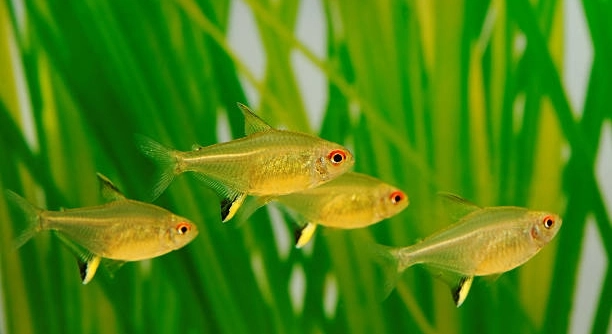
Lemon tetras are small, colorful fish that bring life to any aquarium. Many owners notice their shy behavior, especially when first introduced to a new tank or surrounded by more active tank mates.
The most effective way to reduce shyness in lemon tetras is by creating a stable and calm environment. Providing plenty of hiding spots, maintaining consistent water parameters, and slowly introducing them to feeding routines encourages confidence and natural activity.
Observing these simple adjustments can help you understand your tetras’ behavior and improve their comfort in the aquarium over time.
Understanding Lemon Tetra Behavior
Lemon tetras are naturally timid, especially when they are new to a tank. They tend to hide behind plants, decorations, or rocks to feel secure. Sudden movements, loud noises, or changes in lighting can make them retreat further. They are schooling fish, so having at least six together helps reduce stress and increases confidence. Observing their interactions can reveal which fish are more dominant and which prefer staying in the background. Maintaining a consistent feeding schedule also helps them become familiar with human presence. Over time, they may begin to explore the tank more freely. Proper water conditions, including temperature between 72-80°F, a pH of 6.5-7.5, and regular water changes, create a stable environment. Gradually adding new decorations or rearranging plants allows them to adapt without feeling threatened. Patience is key, as forcing interaction can increase stress. Small adjustments make a significant difference in their comfort and activity levels.
Keeping lemon tetras in groups is essential to make them feel secure and reduce hiding behavior.
Providing varied plants and hiding spots ensures tetras have safe areas while encouraging exploration. Consistent tank maintenance and feeding routines support their natural confidence. Over time, subtle changes in their surroundings can help them interact more actively with each other. Observing their body language and swimming patterns offers insights into comfort levels. Gradually introducing gentle movements near the tank encourages them to recognize humans as non-threatening. Adjusting lighting and maintaining clean water creates a predictable environment. Avoiding sudden changes in temperature, pH, or tank mates prevents unnecessary stress. The combination of social grouping, habitat enrichment, and stability promotes calmer, more outgoing behavior. Feeding small portions at regular intervals reinforces positive associations with humans. Even small improvements, like adding floating plants or gentle current, help tetras feel safer. These steps collectively allow shy lemon tetras to exhibit natural behaviors while maintaining health and comfort in the tank.
Feeding and Interaction Tips
Regular feeding schedules create a sense of routine that helps reduce shyness. Small portions spread throughout the day encourage active foraging.
Offering a variety of foods, such as flakes, frozen, and live options, supports their diet and stimulates natural behavior. Introducing food gradually and observing how each tetra reacts provides insight into their comfort level. Avoid overcrowding during feeding, as competition can increase stress. Hand-feeding or placing food in specific areas repeatedly can help tetras associate humans with positive experiences. Over time, they may swim closer during feeding, showing increased trust. Monitoring feeding responses also indicates overall health and ensures all fish receive adequate nutrition. Environmental enrichment, such as floating plants or gentle water currents, complements feeding routines and encourages exploration. Simple, consistent strategies for feeding and interaction make lemon tetras more confident and reduce their tendency to hide, creating a more engaging aquarium experience.
Tank Setup for Confidence
Providing plenty of plants and hiding spots reduces stress and encourages tetras to explore. Decorations, rocks, and floating plants give them safe areas and create a more natural environment for movement and interaction.
A tank with varied hiding spaces allows lemon tetras to feel secure while swimming freely. Using live plants such as Java fern or Anubias not only improves water quality but also mimics their natural habitat. Arranging decorations in small clusters creates corners where they can retreat if startled. A gentle filter and minimal current prevent overwhelming movement that might scare them. Proper lighting, set on a regular day-night cycle, also helps tetras feel safe and reduces sudden shadows. Overcrowding should be avoided; at least six tetras are needed for social comfort, but too many can increase stress. Subtle adjustments in tank layout gradually build confidence, allowing shy tetras to explore more openly.
Maintaining clean water is equally important for their comfort. Regular water changes, testing for ammonia and nitrate, and keeping temperature steady between 72-80°F ensure a stable environment. Sudden changes in water chemistry can make tetras hide or act skittish. Using soft substrate reduces stress when they forage along the bottom. Even small tank tweaks, like adding a new plant slowly, can influence confidence positively. Observing how tetras respond to each change helps identify what works best for the group. This careful attention to setup ensures lemon tetras feel secure and gradually become more interactive and active.
Gradual Human Interaction
Start by standing near the tank quietly during feeding times. Consistent presence reduces fear over time.
Begin with slow movements and minimal disturbance. Gradually, tetras may swim closer, recognizing humans as non-threatening. Avoid tapping the glass or sudden gestures, which trigger hiding. Over repeated exposure, feeding near the same spots builds trust. Observing their reactions allows adjustment of your approach to avoid stress. Using a consistent schedule for interactions helps them anticipate human presence positively. Introducing small changes, like gently moving plants or decorations while they watch, can also build confidence. Patience and steady routines ensure tetras adapt without fear.
Hand-feeding or offering food with tweezers can encourage boldness. Providing small portions repeatedly helps tetras associate humans with positive experiences. Over time, shy individuals may swim toward the front of the tank during feeding, showing growing comfort. Maintaining calm, steady interactions prevents stress and supports social behavior. Grouping tetras ensures that timid fish feel less exposed when exploring near humans. Combining environmental enrichment with consistent feeding routines strengthens trust and confidence. Monitoring behavior during interactions helps identify which tetras are adjusting well and which may need more time. This approach gradually fosters bolder, more active lemon tetras.
Light and Temperature Control
Consistent lighting helps lemon tetras feel secure. A regular day-night cycle reduces stress and encourages normal activity. Avoid harsh or flickering lights, as sudden changes can make tetras retreat to hiding spots.
Maintaining a stable temperature between 72-80°F is important. Sudden fluctuations can cause skittish behavior. Use a reliable heater and thermometer to ensure water remains consistent. Stability in temperature and lighting together promotes calmer, more confident fish.
Introducing Tank Mates
Choose peaceful tank mates to prevent bullying. Aggressive or overly active fish can increase hiding and stress. Compatible species, such as small rasboras or corydoras, encourage natural schooling behavior without intimidation.
Monitoring Health
Regular observation is key to reducing shyness. Healthy fish are more likely to explore and interact. Watch for changes in swimming, appetite, or coloration. Early detection of illness helps maintain a stress-free environment.
Water Quality Maintenance
Keep water clean and stable. Regular changes, filter checks, and testing for ammonia, nitrites, and nitrates ensure a safe habitat for lemon tetras. Clean water supports confidence and natural behavior.
FAQ
How long does it take for lemon tetras to stop hiding?
Lemon tetras typically start showing more confidence within a few weeks of being introduced to a stable tank. The exact time depends on factors like the number of hiding spots, water stability, and presence of tank mates. Gradual human interaction and consistent feeding also speed up adaptation.
Can shy lemon tetras become social with humans?
Yes, with patience. Standing near the tank during feeding, moving slowly, and offering food in predictable spots can help them associate humans with safety. Over time, they may swim closer during feeding and explore more openly, showing signs of trust and comfort.
What tank setup encourages bold behavior?
A mix of plants, rocks, and decorations provides security while allowing exploration. At least six tetras together reduce stress. Avoid overcrowding and maintain a gentle filter current. Proper lighting and a stable temperature range between 72-80°F also support confidence and natural swimming patterns.
How important is water quality for reducing shyness?
Very important. Consistent water parameters, regular changes, and monitoring ammonia, nitrites, and nitrates help lemon tetras feel safe. Unstable water or sudden changes can increase hiding, so keeping a predictable environment is essential for encouraging activity and reducing stress.
Do tank mates affect their behavior?
Yes. Aggressive or very active species can increase hiding. Peaceful companions, such as small rasboras or corydoras, help tetras feel safe and encourage schooling behavior. Observing interactions helps ensure shy tetras are not stressed by more dominant fish.
Can feeding routines influence confidence?
Absolutely. Regular, small feedings at consistent times allow tetras to anticipate food and reduce fear. Using tweezers or placing food in the same spot reinforces positive association with humans. Gradual exposure during feeding supports boldness and exploration.
Are hiding spots necessary if tetras are already comfortable?
Yes. Even confident tetras use hiding areas when stressed, sick, or during sudden environmental changes. Providing natural cover ensures they always have a safe retreat and supports long-term comfort and natural behavior.
Does tank lighting affect shyness?
Yes, lighting that is too harsh or inconsistent can make lemon tetras retreat. A steady day-night cycle, soft lighting, and avoiding sudden changes help them explore freely. Floating plants can also diffuse light, offering a sense of security while still allowing activity.
How can I tell if a tetra is too stressed?
Signs include hiding constantly, erratic swimming, loss of appetite, or pale coloration. Monitoring these behaviors helps identify stress early. Adjusting water quality, tank mates, lighting, or feeding routines often reduces stress and encourages normal activity.
Should I rearrange the tank to encourage exploration?
Yes, but do it gradually. Moving decorations or adding plants slowly prevents sudden stress. Observing how tetras respond to small changes allows them to adjust while building confidence. Avoid drastic rearrangements, as they can trigger hiding rather than curiosity.
Is it normal for some tetras to remain shy longer than others?
Yes, individual temperament varies. Some fish are naturally timid and may take more time to explore. Providing stable conditions, consistent interaction, and social grouping helps even the shyest tetras gradually gain confidence. Patience and observation are key.
Can water temperature fluctuations increase hiding?
Yes. Sudden temperature changes can stress tetras, causing them to hide or become inactive. Keeping the water steady between 72-80°F with a reliable heater ensures comfort. Slow adjustments are better if temperature changes are needed.
Do lemon tetras ever stop hiding completely?
Most become more active over time, especially when confident in their environment. They may still hide occasionally, which is natural, but consistent care, proper tank setup, and gentle interaction significantly reduce excessive shyness.
How does tank size impact behavior?
A larger tank with enough swimming space and hiding areas encourages exploration and reduces stress. Overcrowding increases competition and hiding behavior. Providing a balanced environment with adequate space for schooling promotes confidence and natural activity.
What role do plants play in reducing shyness?
Plants offer security, diffuse light, and provide places to retreat when tetras feel threatened. Live plants improve water quality and simulate a natural habitat, helping fish feel safer and more likely to explore. Varied plant placement encourages natural swimming patterns.
Can shy tetras affect others in the tank?
Yes. Timid fish may influence group behavior, especially in small tanks. A confident school encourages shy individuals to follow, but if all fish are overly timid, it can create a stressed environment. Balanced grouping and calm tank mates improve overall activity.
How often should I check water parameters for shy tetras?
Regular monitoring, at least weekly, is recommended. Keeping ammonia, nitrites, and nitrates within safe limits ensures a stable environment. Sudden changes in water chemistry are stressful, so consistent checks help maintain comfort and reduce hiding behavior.
Does feeding live food make tetras bolder?
Yes. Live food encourages natural foraging behavior and stimulates activity. Introducing small amounts of live or frozen food at predictable times can build confidence. Observing how each fish approaches food helps gauge comfort levels and adjust feeding strategies accordingly.
How do I know if a tetra is becoming more confident?
Signs include exploring open areas, swimming near the front of the tank, responding calmly to human presence, and interacting with other tetras. Gradual increases in activity and reduced hiding indicate growing comfort in their environment.
Are there any common mistakes that prolong shyness?
Sudden tank changes, aggressive tank mates, inconsistent feeding, or poor water quality can all increase hiding. Overhandling or tapping the glass also stresses tetras. Avoiding these mistakes and maintaining steady routines promotes natural, confident behavior over time.
Final Thoughts
Lemon tetras are small, delicate fish that thrive in calm and stable environments. Their natural shyness can make them seem timid at first, but with patience and proper care, they can become more active and comfortable. Understanding their behavior is the first step in helping them feel secure. They rely on both their surroundings and their social group to gain confidence. A tank with plenty of hiding spots, stable water conditions, and gentle tank mates allows them to explore without fear. Over time, even the shyest individuals may start swimming closer to the front of the tank and interacting more with their surroundings. It is important to remember that this process takes time, and forcing interaction or making sudden changes can increase stress rather than reduce it. Consistency is key, and small adjustments often have the biggest impact on their overall comfort.
Maintaining a proper environment involves several important factors. Water quality is critical, and regular testing for ammonia, nitrites, and nitrates ensures that the tank remains safe. Temperature should be kept steady, ideally between 72-80°F, and lighting should follow a regular day-night cycle. Overcrowding should be avoided, as lemon tetras feel more confident in groups of at least six, but too many fish can cause stress. Providing a mix of live plants, rocks, and decorations gives them areas to hide and encourages exploration. Even minor changes, such as rearranging plants or adding a new decoration gradually, can support their natural curiosity. Feeding routines also contribute to their comfort. Offering small portions consistently, using varied foods, and placing food in predictable spots helps them associate humans with safety rather than fear. Monitoring behavior during feeding and interactions gives insight into how comfortable they feel in their environment.
Social interaction is equally important for reducing shyness. Lemon tetras are schooling fish, and being part of a cohesive group gives them confidence. Gentle exposure to human presence, such as standing quietly near the tank during feeding, gradually helps them recognize people as non-threatening. Over time, they may swim closer, showing curiosity and trust. Observing each fish individually is important, as some will adapt faster than others. Patience is essential, and celebrating small signs of progress, like exploring open areas or responding calmly to movements outside the tank, can be very rewarding. By combining stable water conditions, proper tank setup, consistent feeding, and gentle interaction, lemon tetras can gradually become more confident and active. Providing this balance ensures their long-term health and happiness, while allowing owners to enjoy their lively colors and natural behavior.

Hello,
If you enjoy the content that we create, please consider saying a "Thank You!" by leaving a tip.
Every little bit helps us continue crafting quality advice that supports the health, happiness, and well-being of pets around the world, for pets of all shapes, sizes, and species.
We really appreciate the kindness and support that you show us!