
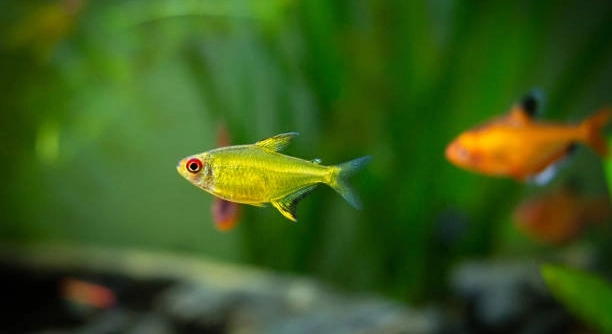
Lemon tetras are small, colorful freshwater fish that bring life to any aquarium. Their bright yellow hue and active swimming patterns make them appealing additions for hobbyists seeking a lively tank companion.
Lemon tetras are naturally social fish and generally thrive in groups. Keeping one alone can lead to stress, reduced activity, and health issues. While survival is possible, solitary lemon tetras may not exhibit their full natural behaviors.
Knowing how to properly care for a lemon tetra can improve its well-being. This guide will explore the benefits and challenges of keeping them alone.
Why Lemon Tetras Prefer Groups
Lemon tetras are schooling fish, naturally designed to swim and interact with others of their kind. In groups, they display lively behaviors such as synchronized swimming, playful chasing, and color display, which are essential for their mental stimulation. Being alone can make them appear shy, lethargic, or withdrawn. In a group, they feel safer, as their instinct for protection against predators is activated. They often establish a loose social hierarchy, helping to reduce stress and aggression. Tankmates provide constant interaction, which promotes healthier feeding habits and activity levels. Observing a group of lemon tetras swimming together is visually engaging and indicates a balanced environment. Without companions, their natural instincts are suppressed, and this can lead to unusual behaviors, like hiding constantly or showing signs of depression. Group living supports their immune system, improves overall health, and encourages them to display their natural colors fully. Small groups of at least six are recommended to ensure their well-being.
Groups of six to ten lemon tetras are ideal for social stimulation and maintaining natural behavior patterns.
Keeping lemon tetras in a group ensures active swimming, healthy eating, and vibrant coloration. Their social nature helps them feel secure and reduces stress. A group encourages interaction, which is essential for mental and physical health. Observing multiple tetras together shows their natural dynamics, providing a more engaging aquarium experience. Solo fish often hide or swim less, limiting their potential to thrive. Group care is a simple yet effective way to promote longevity, prevent illness, and enhance the tank’s visual appeal. By providing proper companionship, their natural behaviors emerge, making the aquarium lively and balanced.
Potential Issues of Keeping a Single Lemon Tetra
A lone lemon tetra may appear quiet and calm, but underlying stress can affect health.
Keeping one lemon tetra alone increases the risk of stress-related illness, behavioral issues, and limited social interaction. Stress can weaken immunity, making them more susceptible to common fish diseases. They may swim less, hide frequently, or lose color, signaling reduced vitality. Social deprivation also affects feeding patterns, as they might eat less without others nearby. While they can survive alone, their natural instincts for group dynamics are suppressed, reducing overall life satisfaction. In contrast, a group encourages movement, play, and natural interactions, which are important for longevity and well-being. Solitary tetras may develop abnormal behaviors, including aggression toward other tankmates if introduced later. Tank size and environment can partially compensate, but companionship remains crucial for mental and physical stimulation. Understanding these risks helps plan a healthier, more engaging aquarium setup for lemon tetras.
Tank Considerations for Solitary Lemon Tetras
Even when kept alone, lemon tetras need a well-structured tank with hiding spots, plants, and open swimming areas. Proper water conditions, temperature, and filtration are essential to maintain their health and reduce stress.
A 20-gallon tank is generally sufficient for a single lemon tetra, but space alone cannot replace social interaction. Plants, rocks, and gentle currents provide stimulation and encourage natural behaviors. Consistent water parameters—temperature around 72-78°F, pH 6.5-7.0, and regular filtration—support their health. Frequent water changes prevent toxins from building up, which can otherwise stress the fish. Even with careful care, a solitary tetra may still show signs of inactivity or hiding. Attention to lighting and decor can partially compensate for the lack of companions by creating an enriched environment.
Feeding patterns are also affected by solitary living. They may require more attention during mealtimes, as competition with other tetras is absent. Offering small, frequent portions of varied foods, including flakes, micro pellets, and occasional live foods, encourages proper nutrition. Observation during feeding helps ensure the fish eats adequately. Providing both surface and mid-water foods can stimulate activity. Tank enrichment, such as floating plants or gentle currents, motivates swimming and exploration. Though solitary care is possible, these measures are necessary to support mental and physical health and mimic aspects of their natural habitat.
Alternatives to Keeping a Single Lemon Tetra
Companion fish can improve a solitary tetra’s well-being, even if the exact species differs. Peaceful schooling fish are ideal options to maintain harmony.
Small, peaceful species such as guppies, rasboras, or other tetras can coexist with lemon tetras, providing stimulation without aggression. Choosing tankmates with similar water requirements ensures compatibility and reduces stress. These companions allow for natural social behaviors, encouraging active swimming and interaction. Careful monitoring is needed initially to observe reactions and prevent territorial disputes. Gradual introductions in a well-decorated tank help reduce tension. Environmental enrichment, such as plants and hiding spaces, supports adaptation. The presence of compatible companions enhances color vibrancy, feeding behavior, and overall vitality, helping the lemon tetra feel secure and engaged within its environment.
Tank size and layout play key roles when adding companions. A 30-gallon tank or larger is recommended to prevent overcrowding and ensure each species has space to explore. Decorations, plants, and gentle water flow create zones for privacy and activity, reducing potential stress. Feeding routines should accommodate all species, offering varied diets to meet nutritional needs. Observation during the first few weeks is crucial to detect signs of stress or aggression. Successful integration depends on careful selection, preparation, and ongoing monitoring. A harmonious community not only benefits the lemon tetra but improves the overall dynamic of the aquarium, making it visually appealing and lively.
Signs of Stress in a Solitary Lemon Tetra
A solitary lemon tetra may hide frequently, swim less, or lose its bright coloration. Reduced activity and loss of appetite are common indicators of stress in a single fish.
Other signs include clamped fins, erratic swimming, and staying at the tank bottom. Stress weakens immunity and can lead to illness if not addressed promptly.
Feeding Tips for a Lone Lemon Tetra
Feeding a solitary lemon tetra requires attention to portion size and variety. Offer small, frequent meals of flakes, micro pellets, and occasional live or frozen foods to maintain proper nutrition. Observe the fish during feeding to ensure it eats enough without overfeeding.
Benefits of a Well-Planned Tank
A carefully arranged tank with plants, rocks, and hiding spots can reduce stress for a solitary lemon tetra. Such an environment encourages natural exploration, swimming, and occasional resting areas.
Water Quality Maintenance
Regular water changes, proper filtration, and monitoring of pH and temperature are essential. Consistent water quality supports the health and longevity of a solitary lemon tetra.
FAQ
Can a lemon tetra survive completely alone?
Yes, a lemon tetra can survive alone, but it is not ideal. They are social fish by nature, and being alone can cause stress, lethargy, and suppressed natural behaviors. Survival is possible with proper care, but the fish will not display its full potential in terms of activity and coloration.
How many lemon tetras should I keep together?
A group of at least six lemon tetras is recommended. Small groups allow them to interact, swim together, and feel secure. Larger groups, up to ten or twelve, further enhance social behaviors, reduce stress, and create a more dynamic aquarium environment.
Will a solitary lemon tetra eat less?
Yes, solitary lemon tetras may eat less due to stress or lack of social stimulation. Observing feeding behavior is important, and offering small, frequent meals can encourage regular eating. Including a variety of foods, such as flakes, micro pellets, and occasional live or frozen foods, helps maintain proper nutrition.
Can tankmates help a solitary lemon tetra?
Adding peaceful tankmates can improve a solitary tetra’s quality of life. Suitable companions include small, non-aggressive species like guppies, rasboras, or other tetras. Proper tank size, gradual introductions, and adequate hiding spots are important to prevent stress and encourage healthy social behavior.
What are the signs of stress in a single lemon tetra?
Stress signs include hiding, clamped fins, reduced swimming, loss of coloration, and decreased appetite. Erratic swimming or staying at the bottom of the tank can also indicate discomfort. Stress weakens immunity, making the fish more prone to illness if conditions are not improved.
Does a solitary lemon tetra need a bigger tank?
A larger tank cannot fully replace companionship but can help reduce stress. Providing 20-30 gallons with plants, rocks, and open swimming areas creates enrichment. Proper water parameters, filtration, and regular maintenance are crucial to support the fish’s mental and physical health.
How often should I change the water for a single lemon tetra?
Regular water changes are essential. Changing 20-25% of the tank water weekly helps maintain clean, balanced conditions. Stable temperature, pH, and ammonia levels prevent stress and promote overall health. Consistent monitoring ensures the fish stays healthy despite being solitary.
Will a solitary lemon tetra show natural behaviors?
A lone lemon tetra may exhibit limited natural behaviors. Group interactions like schooling, playful chasing, and synchronized swimming are absent. However, proper tank enrichment with plants, decorations, and gentle currents can encourage some exploration and activity, partially compensating for the lack of companions.
Can solitary lemon tetras breed?
Breeding is unlikely in a solitary setting. Lemon tetras require groups for courtship and mating behaviors. Without a partner, reproductive instincts are suppressed. If breeding is the goal, keeping a small group in a well-planted tank is necessary to provide the social triggers needed for spawning.
How do I improve the life of a single lemon tetra?
Providing environmental enrichment is key. Plants, hiding spots, gentle water flow, and varied food options help reduce stress. Regular monitoring of water quality, temperature, and behavior ensures the fish remains healthy. Occasional visual stimulation, such as mirrors or reflections, can encourage movement, but companionship is still the best solution for social well-being.
Are solitary lemon tetras more prone to disease?
Yes, stress from isolation can weaken the immune system, increasing susceptibility to common fish diseases like ich or fin rot. Maintaining clean water, proper diet, and monitoring for early signs of illness helps reduce risk and keeps the fish healthier for longer.
Is it possible to introduce a solitary tetra to a group later?
Yes, but it requires careful planning. Gradual introduction with observation and adequate hiding spaces prevents aggression. Tank size and compatible species are important to ensure a smooth transition. With patience, the fish can adjust and enjoy social interactions it previously lacked.
Can decorations replace other lemon tetras for stimulation?
Decorations provide mental stimulation and hiding places, but they cannot fully replace the social interaction of other tetras. While plants, rocks, and gentle currents can encourage exploration and movement, they do not fulfill the natural schooling instincts that promote well-being.
Do solitary lemon tetras live as long as those in groups?
They can live close to the average lifespan, but stress from isolation may reduce vitality and increase disease risk. Proper care, enriched environment, and attentive feeding can help a solitary tetra maintain health, though social companionship remains optimal for longevity and quality of life.
Keeping a lemon tetra alone is possible, but it comes with challenges that need attention. These fish are naturally social, and isolation can affect both their behavior and health. A solitary lemon tetra may survive, but it often shows signs of stress, such as hiding, swimming less, or losing color. Even in a well-maintained tank with proper water parameters, feeding, and decorations, a single tetra may not display its full potential. It may spend more time resting or avoiding open spaces, which is a clear sign that social interaction is missing from its environment. Observing a lone fish carefully and responding to these signs is important to ensure its well-being.
Creating a comfortable environment is crucial for a solitary lemon tetra. Providing plenty of plants, rocks, and open swimming areas can help reduce stress and encourage natural behaviors. Water quality should be consistently monitored, with regular partial water changes to maintain stable pH, temperature, and cleanliness. Offering varied foods, including flakes, micro pellets, and occasional live or frozen options, supports proper nutrition and keeps the fish active during feeding. Decorations and hiding spaces provide stimulation, but they are not a complete substitute for companionship. While a well-planned tank can improve the quality of life for a single tetra, the absence of other lemon tetras means that natural schooling behavior and social interaction will always be limited. This makes it important to consider long-term effects on the fish’s mental and physical health.
For those who cannot keep a group of lemon tetras, careful planning and observation are key. Adding peaceful, compatible tankmates may help provide some social interaction, but species choice and tank preparation are critical to prevent aggression or stress. Regular observation during feeding, swimming, and resting periods can help detect early signs of illness or discomfort. Even with the best care, a solitary lemon tetra will not fully experience the active, vibrant behaviors seen in groups, but a mindful approach can help it live a healthy and comfortable life. Understanding their natural tendencies and needs allows you to provide the best possible environment, balancing stimulation, nutrition, and water quality. Ultimately, while keeping a lemon tetra alone is manageable, ensuring their mental and physical health requires dedication, proper tank setup, and careful attention to their behavior over time.

Hello,
If you enjoy the content that we create, please consider saying a "Thank You!" by leaving a tip.
Every little bit helps us continue crafting quality advice that supports the health, happiness, and well-being of pets around the world, for pets of all shapes, sizes, and species.
We really appreciate the kindness and support that you show us!