
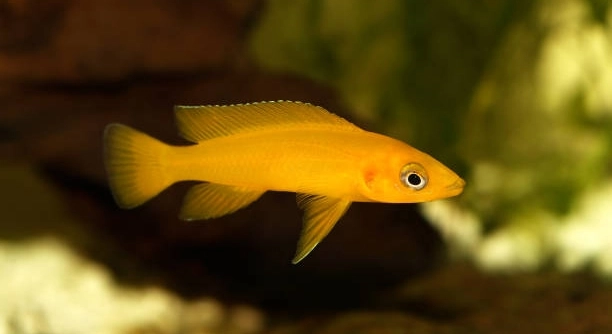
Lemon tetras are small, lively fish that add bright color to any aquarium. Many owners notice these fish rarely swim near the top, often sticking to the middle or lower areas of the tank. Their behavior can seem puzzling.
Lemon tetras typically avoid the top of the tank due to environmental preferences and natural instincts. Factors such as water quality, tank lighting, temperature, and stress levels influence their swimming patterns, causing them to favor calmer, shaded areas closer to the middle or bottom.
Observing their habits more closely can help improve tank conditions and fish comfort. Small adjustments can make a noticeable difference in their behavior and health.
Tank Lighting and Its Effect on Lemon Tetras
Bright lighting can make lemon tetras feel exposed. In well-lit tanks, they often stay lower where shadows provide a sense of safety. Strong overhead lights can stress these fish, causing them to avoid the top layers entirely. Even moderate lighting can alter their swimming patterns if there aren’t enough shaded areas. Adding floating plants or decorations can create pockets of shade and reduce stress, encouraging more natural movement. Observing their response to changes in lighting can help identify the right balance, ensuring they feel secure while still showing off their bright colors. Lemon tetras are sensitive to sudden changes, so adjusting the intensity gradually is best. Properly designed lighting not only supports their comfort but also benefits plant growth and overall tank aesthetics. Careful attention to light placement and duration is key to maintaining a balanced, healthy environment for these small, delicate fish.
Adjusting light intensity gradually is the best way to help them feel comfortable.
Providing adequate shaded areas reduces stress and encourages natural swimming patterns. Observing their response can guide small adjustments for a balanced tank environment.
Water Temperature and Swimming Preferences
Lemon tetras thrive in stable temperatures between 72-78°F.
Temperature fluctuations can make them avoid the top, as warmer surface layers may feel less comfortable. Maintaining a consistent environment supports their activity and reduces stress.
Even minor variations in water temperature can influence lemon tetra behavior significantly. They naturally prefer cooler, mid-level waters and may move lower if the surface becomes too warm or variable. Heaters should be reliable and placed to circulate heat evenly without creating hot spots. Regularly monitoring the water with an accurate thermometer ensures conditions stay within their preferred range. Sudden drops or rises can cause hesitation, increased hiding, or erratic swimming. Tank size and filtration also play roles in maintaining uniform temperature. Combining proper heating with consistent lighting and oxygen levels creates an environment where lemon tetras feel secure enough to explore upper areas. This stability is essential for their feeding habits, energy levels, and overall health. Observing how they respond over time can guide small adjustments for comfort and vitality.
Tank Cover and Surface Access
Lemon tetras often avoid the top when there is little cover. Open surfaces make them feel exposed to threats, so they stick lower where they feel safer. Adding floating plants or gentle decorations encourages more confident movement near the top.
Providing cover near the surface is crucial for reducing stress. Floating plants create natural hiding spots and shade, which helps lemon tetras feel secure. Without cover, they may avoid feeding at the top, affecting their nutrition and energy levels. Even simple additions, like small driftwood pieces or broad-leafed plants, can make a big difference. Their natural instinct is to seek protection while remaining active, so designing the tank with these elements supports their comfort. Observing how they interact with added plants allows owners to fine-tune placement, ensuring the top area is safe yet accessible. Over time, they may explore more freely as they grow accustomed to shaded zones.
Consistency in cover and structure matters. Lemon tetras gradually gain confidence near shaded areas when protection is reliable. Repeatedly changing the layout can increase stress and push them lower. A stable environment encourages natural swimming, feeding, and social behavior.
Water Quality and Oxygen Levels
Poor water quality discourages top-level swimming. Low oxygen or high ammonia levels can make lemon tetras uncomfortable near the surface, leading them to remain in middle or lower areas. Regular testing is important to maintain comfort.
Lemon tetras are sensitive to chemical imbalances and low oxygen. Excess ammonia, nitrites, or nitrates can cause stress, reducing activity and changing swimming patterns. Proper filtration, regular water changes, and monitoring parameters ensure a healthier environment. Oxygen levels can be maintained with gentle aeration or surface agitation, allowing fish to breathe comfortably. Stressed fish are more likely to hide or cling to mid-level areas, avoiding exposed surfaces entirely. By maintaining clean water and stable oxygen, owners support natural behaviors and energy. Consistent maintenance is key to preventing long-term health issues, which often appear when conditions fluctuate or are neglected. Observation of their movement patterns can indicate if adjustments are needed, helping to keep them active and comfortable.
Tank Mates and Social Stress
Lemon tetras avoid the top when tank mates are aggressive or overly active. Larger, dominant fish can make them feel threatened, keeping them in lower or mid-level areas for safety and comfort.
Even peaceful species that chase or nip can cause stress. Lemon tetras feel safest among similarly sized, calm fish. Adjusting the mix or adding more hiding spots can reduce tension, allowing them to explore upper areas more confidently.
Feeding Patterns and Surface Activity
Lemon tetras usually feed in the middle layers. They naturally take food from water columns rather than the surface, which explains their lower swimming preference. Surface feeding should be slow and consistent to encourage exploration of upper areas without stress.
Tank Depth Considerations
Deep tanks can discourage top-level swimming. Lemon tetras feel safer staying closer to mid and lower layers when the water column is tall. Shallow or moderately deep tanks promote more even swimming throughout the aquarium.
Stress and Sudden Changes
Rapid changes in environment or routine make lemon tetras hesitant to swim near the top. Stable conditions are crucial for comfort, health, and confident movement throughout the tank.
FAQ
Why do lemon tetras stay at the bottom of the tank?
Lemon tetras often stay lower in the tank due to natural instincts and environmental comfort. They feel safer near the bottom, where there is more cover and less exposure. Shadows, plants, and decorations provide security, which reduces stress and encourages normal behavior.
Can adjusting the lighting make them swim near the top?
Yes. Bright or harsh lighting can make lemon tetras avoid the top. Adding floating plants or diffused light helps create shaded areas. Gradually adjusting intensity allows them to explore upper areas without feeling threatened, promoting natural swimming patterns.
Do water temperature changes affect their position in the tank?
Absolutely. Lemon tetras prefer stable temperatures between 72-78°F. If the surface water is warmer or fluctuates, they move to mid or lower layers. Using a reliable heater and monitoring with a thermometer keeps conditions stable, supporting comfort and consistent behavior.
Does tank depth influence their swimming habits?
Yes, deep tanks often discourage top-level swimming. Lemon tetras feel more secure in mid and lower areas when the water column is tall. Shallow or moderately deep tanks allow them to explore upper layers more confidently while feeling safe.
Will aggressive tank mates change their swimming levels?
Definitely. Larger or active fish can make lemon tetras stay lower to avoid confrontation. Even peaceful species that chase or nip cause stress. Providing hiding spots and compatible tank mates encourages safer, more relaxed swimming near the top.
Can feeding habits encourage surface swimming?
To some extent. Lemon tetras naturally feed in the mid-water column. Surface feeding should be slow and consistent to help them become comfortable near the top. Offering occasional floating foods in shaded areas can gradually increase their confidence.
How does water quality affect their vertical movement?
Poor water quality discourages top-level swimming. High ammonia, nitrite, or nitrate levels, and low oxygen, make them uncomfortable. Proper filtration, regular water changes, and aeration keep conditions healthy. Lemon tetras will explore upper areas more when the water is clean and oxygenated.
Do sudden changes in the tank cause them to avoid the top?
Yes. Rapid changes in temperature, lighting, or layout can make lemon tetras hesitant. Stability is key. Gradual adjustments and maintaining a consistent routine help them feel secure, reducing stress and allowing freer movement throughout the tank.
Are there specific decorations that help them explore higher levels?
Floating plants, broad-leafed plants, and driftwood near the surface give lemon tetras a sense of safety. These elements provide shade and hiding spots, encouraging exploration of upper areas while maintaining a natural environment.
How can I tell if my lemon tetras are stressed?
Signs of stress include clinging to the bottom, hiding, erratic swimming, or loss of color. Monitoring behavior regularly and ensuring stable water parameters, appropriate tank mates, and adequate cover helps prevent long-term stress and encourages normal movement.
Can I train them to swim near the top?
Yes, gradually. Using slow feeding routines, adding safe surface cover, and maintaining stable conditions encourages confidence. Over time, lemon tetras may explore the top more frequently while feeling secure.
How important is consistent maintenance for their swimming habits?
Very important. Regular water testing, cleaning, and monitoring temperature, oxygen, and chemical levels ensure lemon tetras feel safe throughout the tank. Consistency reduces stress and encourages natural vertical movement, supporting health and overall well-being.
Do all lemon tetras behave the same way in a tank?
Individual behavior varies. While most prefer mid to lower areas, some may explore upper layers more readily depending on personality, tank setup, and environmental conditions. Observing their habits helps tailor care to support confidence and activity.
Can adding more fish influence their top-level swimming?
Yes, in moderation. Adding similarly sized, calm tetras can provide social reassurance, encouraging exploration. Overcrowding or adding aggressive species increases stress, pushing them lower. Proper stocking balances social comfort and space to swim throughout the tank.
What else can improve their comfort near the top?
Stable lighting, clean water, gentle tank mates, and surface cover all help. Gradual adjustments, observation, and patience are key. Supporting their natural instincts while providing safety encourages them to use the entire water column confidently and consistently.
Lemon tetras are small, lively fish that bring a lot of color and movement to an aquarium. Observing their behavior can sometimes be confusing, especially when they avoid swimming near the top of the tank. This is often not a sign of illness but a reflection of their natural instincts and preferences. They feel more secure in mid-level or lower areas where there is cover and shade. Elements like plants, driftwood, and decorations play a major role in creating a comfortable environment for them. These areas allow lemon tetras to feel safe while still being active and social with other fish. Understanding this behavior helps in designing a tank that meets their needs and supports their overall health.
Environmental factors are also a key reason why lemon tetras stay away from the top of the tank. Lighting, water temperature, water quality, and oxygen levels all influence where they feel comfortable swimming. Bright or harsh lighting can make them feel exposed, while unstable temperatures or poor water quality can increase stress. Providing shaded areas, stable temperatures, and clean water encourages natural movement throughout the tank. Tank mates also matter—aggressive or overly active fish can make lemon tetras avoid exposed areas. Choosing calm, similarly sized fish and providing enough hiding spots reduces tension, making them more willing to explore upper levels. Gradual adjustments to the environment are important, as sudden changes can further stress these fish and limit their movement.
Maintaining consistent care is essential for keeping lemon tetras comfortable and healthy. Regular monitoring of water parameters, proper filtration, gradual lighting adjustments, and observing social interactions all contribute to a balanced tank. Even small details, like adding floating plants or ensuring gentle surface cover, can make a noticeable difference in their behavior. Over time, these efforts help lemon tetras gain confidence and make better use of the entire water column. Paying attention to their habits not only improves their comfort but also enhances their colors and energy, allowing them to thrive. By understanding their natural tendencies and providing a secure, stable environment, lemon tetras can display their full range of behaviors and remain healthy, active members of the aquarium.

Hello,
If you enjoy the content that we create, please consider saying a "Thank You!" by leaving a tip.
Every little bit helps us continue crafting quality advice that supports the health, happiness, and well-being of pets around the world, for pets of all shapes, sizes, and species.
We really appreciate the kindness and support that you show us!