
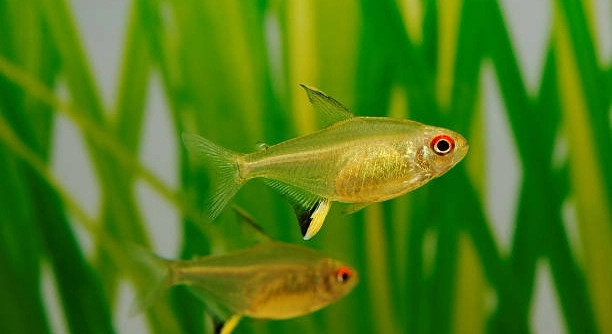
Do you ever notice your lemon tetras swimming in a lively group but behaving slightly differently from one another? Observing their movements can reveal small variations in how they interact with each other and explore their surroundings.
Lemon tetras do exhibit individual personalities. Each fish may display unique behaviors, preferences, and social interactions that distinguish it from its tank mates. These differences can be consistent and noticeable, reflecting distinct temperaments among the species.
Recognizing these subtle traits can make caring for your lemon tetras more engaging and rewarding, offering insight into their social dynamics and natural behaviors.
Observing Personality in Lemon Tetras
Watching lemon tetras in their tank reveals small but distinct behaviors. Some fish are more adventurous, swimming toward new decorations or exploring corners, while others stay close to the group. Certain tetras are bolder, approaching your hand near the tank, whereas some are shy and retreat quickly. Feeding time can also highlight differences. Some fish will eagerly dash forward, while others hang back, waiting for the right moment. Even among schooling fish, subtle preferences appear, like favoring specific areas of the tank or interacting differently with certain tank mates. Over time, these consistent behaviors create a sense of individual personality that can be observed daily. Keeping notes or simply paying attention during feeding and play helps identify these traits. Recognizing them allows for better tank management, ensuring that each fish’s needs and comfort levels are met, which can improve overall health and reduce stress.
These behaviors are consistent enough to be recognized as unique traits of individual lemon tetras.
Tracking these patterns over weeks highlights the subtle differences in activity levels, risk-taking, and interaction, offering a clearer picture of their personalities.
Encouraging Natural Behavior
Providing a varied environment encourages natural personality expression in lemon tetras.
Offering plants, hiding spots, and open swimming areas allows each fish to explore and behave according to its temperament. Some tetras will use hiding spots frequently, while others prefer open water. Regular feeding routines, combined with occasional treats, can encourage bolder tetras to become more interactive, while shy individuals gradually gain confidence. Observing how each fish responds to changes in the tank environment provides insight into its personality. Over time, these small adjustments make a noticeable difference in their behavior. A well-structured environment supports social interactions, reduces aggression, and promotes natural activity patterns, which is particularly important in community tanks where multiple species are present. By providing a stimulating setting and consistent care, lemon tetras can display their full range of behaviors. This also enhances the viewing experience, allowing you to appreciate each fish’s unique temperament and interactions within the school, making tank maintenance more engaging and informative.
Social Dynamics in Lemon Tetras
Lemon tetras form schools, but even within these groups, individual differences are clear. Some fish lead the group, while others follow. Aggression is minimal, but dominance can appear around food or favorite spots in the tank, highlighting their social hierarchy.
Individual tetras show unique social preferences. Some are more interactive, swimming near others, while some prefer to keep a little distance. During feeding, bolder fish often get first access to food, while shyer tetras wait their turn. Observing these patterns over time can reveal consistent behavior, helping you understand the dynamics within your school. Recognizing which fish are leaders or followers allows you to manage tank space and resources more effectively, ensuring each fish feels secure. Social interactions are subtle but important for overall health, and respecting these roles reduces stress in the tank.
Monitoring these interactions also helps identify any fish that may be struggling or stressed. A fish that consistently avoids others or is frequently chased may need adjustments in tank layout or hiding spots. By paying attention to how each tetra engages with its group, you can encourage more balanced social behavior. Offering a variety of spaces, both open and covered, allows each fish to choose comfort zones that suit its personality. Over time, these observations enhance your understanding of their needs and create a more harmonious environment for all tetras.
Feeding Behavior and Preferences
Lemon tetras have individual feeding styles. Some rush eagerly to food, while others take a cautious approach, waiting for others to eat first.
Feeding behavior highlights personality differences. Some tetras are quick, darting to the surface at every feeding, while others are slower and deliberate, choosing specific spots or types of food. These differences can influence how you distribute food in the tank, ensuring that all fish receive enough nutrition. Some fish may prefer floating food, while others focus on sinking pellets. Paying attention to these preferences helps maintain health and reduces competition during meals. Feeding times become a way to observe and engage with each tetra’s personality, noting their unique patterns and reactions. Adjusting portions and feeding locations can help shy or slower fish gain confidence, encouraging balanced growth and reducing stress in the tank.
Stress and Personality
Lemon tetras respond differently to stress. Some hide immediately when the tank environment changes, while others stay curious and explore. Recognizing these reactions helps in creating a stable environment that reduces anxiety for the more sensitive individuals.
Stress levels can influence behavior consistently. Fish that are easily startled may need more hiding spaces, gentle lighting, and minimal sudden movements around the tank. Those that are bolder can adapt quickly to changes but still benefit from a structured environment. Observing how each tetra reacts during water changes, new decorations, or introduction of other fish can guide adjustments in tank setup and care. Supporting individual needs ensures all tetras remain healthy and active, maintaining balance within the school.
Breeding Behavior
Breeding lemon tetras can reveal individual traits. Some are more proactive in selecting spawning sites, while others may be hesitant or avoid interaction. Personality affects their mating strategies, including timing and location.
Activity Levels
Different lemon tetras exhibit varying activity levels. Some swim constantly, while others rest more frequently, reflecting their unique energy patterns.
FAQ
Do lemon tetras really have different personalities?
Yes, lemon tetras do display unique personalities. Some are bold and adventurous, exploring the tank or approaching new objects first, while others are shy and cautious, preferring to stay close to the group. These differences are consistent and observable over time, making each fish distinct in its behavior.
How can I tell which tetras are more outgoing?
Outgoing tetras usually swim near the front of the tank, approach food quickly, and investigate new decorations or hiding spots first. They may also interact more with other fish, often leading the school during movement. Shyer tetras tend to hang back and avoid attention.
Do personalities affect feeding behavior?
Yes, feeding behavior is influenced by personality. Bold fish often rush to food, while cautious ones wait for a safe moment. Some prefer specific types of food, like flakes at the surface or pellets that sink, which can help identify individual preferences and ensure proper nutrition.
Can tank setup impact personality expression?
A varied environment encourages natural behaviors. Plants, rocks, and open swimming areas allow tetras to express individual traits. Bold fish explore new spaces quickly, while shy fish use hiding spots. Adjusting lighting, decorations, and tank layout can help all fish feel comfortable and reduce stress.
Do lemon tetras show leadership in schools?
Yes, within a school, certain tetras often take the lead. These fish swim at the front, guide movement, and may assert dominance during feeding. Observing leadership patterns helps understand social hierarchy and ensures all tetras have space to move freely without constant competition.
How do stress and environment affect their personalities?
Stressful situations, like sudden changes in water or tank rearrangements, reveal individual responses. Bold tetras adapt quickly, while shy fish hide or move cautiously. Providing hiding spaces, consistent routines, and gentle handling supports all temperaments and reduces long-term stress.
Do personalities change over time?
While some traits remain stable, personalities can evolve. Fish may become bolder with experience or more cautious if repeatedly stressed. Observing changes over months helps you adjust tank conditions and care to match their needs, keeping the environment suitable for each tetra’s temperament.
Can lemon tetras be trained or conditioned?
Yes, to some extent. Bold and curious tetras can learn to approach feeding spots on cue or follow familiar routines. Shyer tetras may take longer, but consistent positive reinforcement and gentle handling encourage interaction and confidence.
Does breeding show personality differences?
During breeding, differences are clear. Proactive tetras choose sites and engage actively, while hesitant ones wait or avoid interaction. Observing these patterns helps understand social dynamics and ensures proper care during spawning periods.
Should I separate aggressive tetras?
Aggression is usually mild, but some dominant individuals may chase or block shy tetras. If stress becomes frequent, creating more hiding spaces or temporarily separating fish can maintain harmony. Most personality differences do not require separation but need observation to ensure balanced social interactions.
How can I use this information to improve my tank?
Understanding personalities allows better tank management. You can adjust feeding methods, provide appropriate hiding spaces, and monitor social dynamics. Recognizing individual behaviors improves health, reduces stress, and makes observing the tank more engaging, revealing the unique traits of each lemon tetra.
Are personality differences noticeable to beginners?
Even beginners can see subtle differences with patience. Paying attention during feeding, exploration, or school movement helps identify which fish are bold, shy, or energetic. Noticing these traits makes care easier and enhances appreciation for their distinct behaviors.
Do personalities influence overall health?
Yes, personality affects stress levels, social interactions, and feeding success. Bold fish often adapt quickly, while shy ones may need more support to eat properly and avoid bullying. Tailoring care to individual needs promotes healthier, happier tetras.
Can I mix lemon tetras with other species safely?
Yes, their personalities influence compatibility. Bold tetras may interact confidently with other fish, while shy ones could be intimidated. Observing individual behavior and providing ample space and hiding spots ensures all fish coexist peacefully without excessive stress.
Does personality affect lifespan?
Indirectly, yes. Fish that experience chronic stress due to dominance struggles, inadequate hiding spots, or poor feeding may have shorter lifespans. Supporting each tetra’s temperament and ensuring a balanced environment helps maintain health and longevity across the school.
Is it worth observing these traits daily?
Daily observation is very useful. Noting feeding habits, social interactions, and reactions to changes helps identify stress, illness, or behavioral shifts. Recognizing personalities enhances care, strengthens your understanding of their needs, and makes tank management more effective and rewarding.
How much do personalities vary between tetras?
Variations are noticeable but subtle. Some tetras are consistently bold, some shy, and others moderate in behavior. These differences may affect feeding, activity, and social roles, but all fish can coexist with proper tank setup and monitoring.
What should I do if a shy tetra is not eating?
Offer food in quiet areas or near hiding spots. Smaller portions or slower feeding times reduce competition. Observing gradual confidence and adjusting the environment helps encourage proper nutrition without forcing interaction, supporting health and comfort for shy individuals.
Can I use personalities to enrich their environment?
Yes. Providing challenges, like floating plants or varied hiding spaces, engages both bold and shy tetras differently. Bold fish explore, while shy fish feel secure. This stimulation encourages natural behaviors, reduces boredom, and allows each fish’s personality to shine within a safe environment.
Are personality observations consistent across tanks?
Yes, patterns generally hold across different setups. Bold fish remain adventurous, and shy fish stay cautious. Environmental differences may influence behavior intensity, but individual traits are consistent enough to plan feeding, social arrangements, and habitat adjustments based on observed personalities.
Final Thoughts
Observing lemon tetras closely reveals that they are far more than simple swimming decorations in a tank. Each fish exhibits subtle but consistent behaviors that distinguish it from its tank mates. Some tetras are bold, swimming confidently through open spaces, exploring new decorations, and quickly approaching food. Others are shy, preferring to stay near plants or behind hiding spots, moving cautiously when changes occur in the tank. These differences are not random. Over time, it becomes clear that personality traits are consistent, showing that each fish has its own temperament. Recognizing these individual traits makes caring for lemon tetras more engaging. Instead of treating all fish the same, observing their habits and adjusting the environment to meet their needs ensures a balanced and healthy community.
Personality in lemon tetras affects more than just how they swim or eat. Social interactions within the school can vary depending on temperament. Bold fish often take the lead, guiding movements and sometimes asserting dominance during feeding, while shy tetras may follow or avoid conflict. These dynamics influence feeding habits, access to favorite areas, and even stress levels. By observing these patterns, aquarists can make subtle adjustments to the tank. Adding more plants, creating hiding spots, or adjusting feeding locations can help ensure all fish feel safe and comfortable. Understanding each fish’s personality also makes it easier to notice changes in behavior that could indicate stress or illness. Recognizing individual traits is not only interesting but also practical for maintaining the health and well-being of the entire group.
Caring for lemon tetras with awareness of their personalities allows for a more rewarding experience. By paying attention to their individual behaviors, preferences, and interactions, aquarists can provide an environment that meets both the social and physical needs of each fish. Shy fish benefit from quiet spaces and gradual exposure to food and activity, while bold fish thrive with room to explore and opportunities to interact with the group. Feeding, tank setup, and social monitoring can all be adjusted based on personality observations. Over time, this careful attention fosters a harmonious and healthy tank, where each lemon tetra has the opportunity to display its natural behaviors. Observing these traits also creates a deeper connection with the fish, as you start to understand their preferences and quirks. Paying attention to these details ultimately improves the quality of care, ensuring that all tetras remain active, healthy, and thriving in their aquatic environment.

Hello,
If you enjoy the content that we create, please consider saying a "Thank You!" by leaving a tip.
Every little bit helps us continue crafting quality advice that supports the health, happiness, and well-being of pets around the world, for pets of all shapes, sizes, and species.
We really appreciate the kindness and support that you show us!