
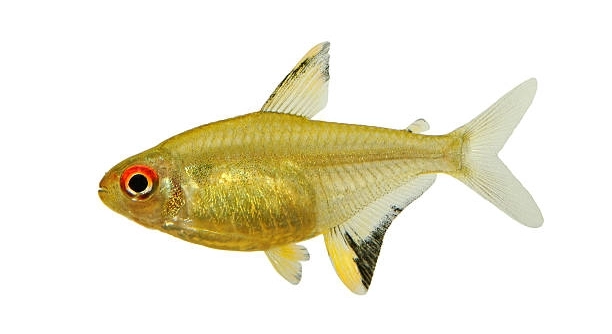
Lemon Tetras are small, bright fish that bring life to any aquarium. They often move with energy, exploring their surroundings and interacting with other fish in subtle, interesting ways that reflect their natural behaviors.
Lemon Tetra curiosity is expressed through their active exploration, keen observation of objects, interaction with tank mates, and reaction to environmental changes. These behaviors indicate intelligence, environmental awareness, and a natural tendency to investigate unfamiliar stimuli within their habitat.
Observing these fish can reveal more than just their playful movements. Their patterns of behavior offer insights into their needs, preferences, and unique personalities in a simple yet engaging way.
Exploring Their Environment
Lemon Tetras spend a lot of time swimming around their tank, carefully checking every corner. They glide over plants, rocks, and decorations, often pausing to inspect something new. Their small size allows them to move quickly, making sudden turns and changes in direction when something catches their attention. When a new plant or ornament is added, they approach it cautiously, circling and sometimes nudging it. The fish often swim in groups, which allows them to observe both the object and each other’s reactions. This behavior helps them feel secure while learning about changes in their surroundings. Their curiosity is not limited to objects; they notice water flow, bubbles, and even small changes in light or shadows. Watching them can reveal subtle differences in personality, as some fish are bolder while others are more reserved, creating an interesting dynamic in the aquarium and showing just how sensitive these tiny fish are to their environment.
Regular exploration helps Lemon Tetras stay active and mentally stimulated, improving overall health and encouraging natural behaviors that reflect their instincts.
Keeping track of how they explore can help you understand their preferences. Observing patterns, such as favorite hiding spots or the areas they frequent, provides insight into tank layout and plant placement. Over time, this attention to behavior can guide adjustments for a more engaging and comfortable environment.
Interaction With Tank Mates
Lemon Tetras often communicate through subtle movements and body language with other fish.
These fish respond to one another by swimming in synchronized patterns or following each other closely. This interaction often includes gentle nudges or quick turns to signal attention.
Social behavior is an important aspect of their curiosity. They observe each other constantly, noticing who is exploring, feeding, or hiding. This attention allows them to learn and respond quickly to changes in the group. A fish that suddenly swims toward a new object may attract others to investigate it, demonstrating a collective awareness. By observing these interactions, you can see different personalities within the tank, as some fish take on leadership roles while others remain cautious observers. This social dynamic keeps the fish active and mentally engaged, as they must continuously interpret the behavior of their tank mates and respond appropriately. Understanding these behaviors can also help identify stress, aggression, or bonding within the group, ensuring a healthier, more balanced aquarium.
Response to New Objects
Lemon Tetras often approach new objects with caution, circling and examining them from multiple angles. They may touch the item lightly with their fins or bodies to gather more information. Their behavior is careful but consistent, showing both curiosity and a need to assess safety.
Introducing a new plant, decoration, or even a small toy can spark a series of investigative behaviors. The fish often swim slowly around the object, occasionally pausing to hover nearby or make small nips at corners. This cautious exploration helps them understand potential threats and opportunities in their environment. Over time, repeated interactions with the same object can reveal their memory and learning abilities, as they may become more confident approaching it or begin to use it as a hiding or resting spot. Their reactions also vary individually, with bolder fish leading the inspection while more timid ones observe from a distance, highlighting the subtle differences in personality within the school.
Their curiosity extends to changes in light or water movement around new objects. Even a slight shadow or ripple can attract attention, causing the fish to investigate further. This sensitivity to environmental changes shows how finely tuned their senses are.
Feeding Curiosity
Lemon Tetras show excitement when food is introduced, often investigating the source immediately. They follow movement and changes in water with keen attention, swimming toward the offering quickly.
During feeding, the fish display a combination of observation and action. They watch for the exact moment food is released and often inspect it before consuming. This behavior reflects not just hunger but also a natural curiosity about the environment and objects within it. They may swim around floating flakes or sinking pellets, nudging them gently with their mouths or fins. Some fish appear more confident, taking the first bite, while others hang back and observe, learning from their peers’ actions. This careful observation ensures they understand how to approach new food safely, reducing the risk of injury or stress. Over time, their feeding patterns reveal preferences, such as which types of food they like best or which areas of the tank they feel safest eating in. Watching these behaviors can provide insights into both their physical health and mental stimulation.
Interaction With Water Flow
Lemon Tetras often swim along currents, testing the strength and direction of water in the tank. They adjust their movement, sometimes pausing to hover in calmer areas, showing awareness and adaptability to changing conditions.
Some fish seem drawn to bubbles or ripples created by filters. They investigate the movement closely, weaving through streams of water and occasionally chasing the bubbles. This behavior demonstrates their sensitivity to environmental changes and natural curiosity about dynamic elements within their habitat.
Investigating Hiding Spots
They explore plants, rocks, and small decorations thoroughly. Every nook and cranny receives careful attention as the fish check for safety or potential shelter.
Lemon Tetras often dart in and out of hiding spots, observing both the space and the reactions of nearby fish. Their careful investigation allows them to find preferred resting areas while staying alert to surroundings. These behaviors indicate a natural balance between curiosity and self-preservation.
Response to Human Presence
They often swim closer to the glass when someone approaches, watching movement outside the tank carefully.
How can I tell if my Lemon Tetra is curious?
Curiosity in Lemon Tetras is shown through their behavior in the tank. They actively explore new objects, swim around decorations, and interact with plants or water features. They may hover near unusual items or change direction frequently to inspect something from different angles. Their movements are deliberate, and they often watch their surroundings carefully before approaching anything new. A curious fish will also observe tank mates, noting how others react to objects or changes. These behaviors indicate mental engagement and comfort with the environment, which are positive signs for their well-being.
Do Lemon Tetras interact with each other when exploring?
Yes, these fish often investigate their surroundings together. When one fish approaches a new plant or decoration, others may follow to observe or inspect the object. They communicate subtly through movement, sometimes nudging or turning quickly to indicate interest. This group investigation helps build social bonds while keeping each fish aware of potential threats or opportunities. Some individuals take the lead while others observe, showing personality differences within the school. These social interactions support mental stimulation and healthy behavior.
What role does the environment play in their curiosity?
The tank setup greatly influences how Lemon Tetras behave. Plants, rocks, and ornaments encourage exploration and give the fish spaces to hide and investigate. Water flow, lighting, and bubbles from filters also attract attention, prompting the fish to test currents or follow moving elements. A varied environment with multiple textures, levels, and hiding spots keeps them engaged and reduces stress. Observing which areas they frequent can guide placement of decorations or plants to maximize interaction and comfort. Even small changes, like adding a new decoration, can spark active investigation and mental stimulation.
How do they react to new food?
When introducing food, Lemon Tetras show a combination of curiosity and caution. They may hover near the source, watch movements, and gently touch new flakes or pellets before eating. Some fish take the lead in sampling, while others observe and learn from their peers. This behavior ensures safety and allows them to adjust to unfamiliar items. Repeated exposure can teach them what is safe and preferred, revealing individual preferences. Watching their feeding habits also helps identify health issues, as less curious or inactive fish may need attention or adjustment in diet.
Do they respond to human activity?
Yes, Lemon Tetras often watch people outside the tank. They swim closer to the glass, follow movements, and sometimes pause to observe. This is a sign of awareness and natural curiosity. While they do not recognize humans personally, repeated gentle interactions can encourage them to approach regularly. They learn patterns, such as feeding times, and may show anticipation by gathering near the surface. Observing their reactions can help gauge comfort levels and ensure the tank is calm and stress-free.
Can their curiosity affect their health?
Curiosity itself is beneficial for mental and physical health. Active exploration keeps Lemon Tetras engaged, encourages swimming, and reduces stress. However, unsafe objects or aggressive tank mates can cause injury if their curiosity leads them into danger. Providing a safe, stimulating environment ensures that their investigative behaviors promote well-being rather than risk. Monitoring interactions with new items or tank mates allows you to support natural curiosity without compromising safety.
How do I encourage curiosity in my Lemon Tetras?
Introduce varied decorations, plants, and small hiding spots to keep their environment interesting. Gentle changes in water flow, light patterns, or the occasional new object encourage investigation. Feeding in different areas or using floating and sinking foods can also stimulate exploration. Observing their behavior and adding elements they investigate most helps create a balanced, engaging habitat where their natural curiosity thrives.
What signs show they are losing interest in the tank?
A lack of exploration, spending long periods hiding, or ignoring food may indicate boredom, stress, or illness. If they stop investigating new objects or do not respond to other fish, it is important to check water quality, tank layout, and health. Adjusting the environment or enriching the habitat can restore natural curiosity and activity levels.
Lemon Tetras are small but remarkably engaging fish. Their curiosity is one of the most noticeable traits, and it shows in many aspects of their behavior. From swimming around new decorations to observing their tank mates, they are constantly exploring and learning about their environment. This exploration is not random—it is deliberate and often cautious. By watching them, you can see subtle differences in personality, as some fish are bold and eager while others are careful and observant. Each fish responds to changes in the tank in its own way, which makes observing them both interesting and informative. Over time, this curiosity also helps them adapt to their surroundings, building confidence and improving their overall well-being. It is clear that a stimulating environment is key to encouraging natural behavior, and Lemon Tetras are excellent at demonstrating this.
Providing a suitable habitat allows these fish to express their natural curiosity fully. Plants, rocks, ornaments, and hiding spots give them opportunities to explore safely, while water flow, light, and even bubbles add dynamic elements that attract their attention. Their interactions with these elements reveal how sensitive and aware they are of small changes in their environment. Even something as simple as a new plant can trigger a series of investigative behaviors, showing how they balance caution and interest. Feeding also plays a role in encouraging curiosity. Lemon Tetras approach new food carefully, often observing before sampling, which demonstrates both intelligence and social learning. Watching how they respond to food, tank mates, and environmental changes can help aquarists better understand their preferences and needs. This understanding can guide adjustments to the tank setup, making it a more enriching and comfortable home.
Curiosity in Lemon Tetras is more than just a behavior—it is a reflection of their health and comfort. Active, engaged fish are generally healthy fish, and their willingness to explore can indicate that the tank conditions are suitable. Observing these behaviors regularly provides insights into both their mental and physical well-being. When they lose interest in exploring or interacting, it can signal that something needs attention, whether it is water quality, tank layout, or the presence of stressors. Encouraging natural curiosity through a varied and safe environment keeps them active, reduces stress, and supports a balanced life in captivity. Lemon Tetras may be small, but their inquisitive nature is a window into their intelligence and adaptability, making them a fascinating species to observe and care for in any aquarium setting.

Hello,
If you enjoy the content that we create, please consider saying a "Thank You!" by leaving a tip.
Every little bit helps us continue crafting quality advice that supports the health, happiness, and well-being of pets around the world, for pets of all shapes, sizes, and species.
We really appreciate the kindness and support that you show us!