
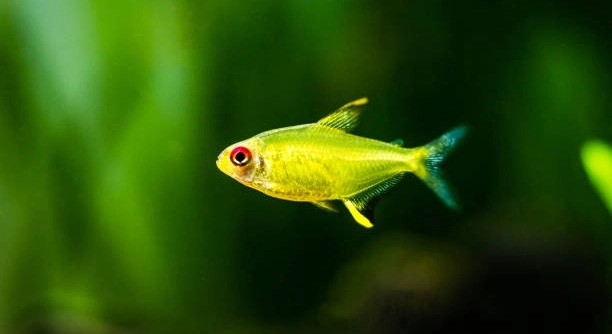
Are your Lemon Tetras swimming slower than usual or showing unusual behavior in the tank? Observing your fish regularly helps identify subtle changes that may indicate health concerns, keeping your aquarium environment safe and stable for them.
Parasites in Lemon Tetras often present through physical symptoms such as frayed fins, cloudy eyes, bloating, or unusual spots. Behavioral changes, including lethargy and loss of appetite, also serve as clear indicators requiring prompt attention and care.
Recognizing these warning signs early can protect your fish and maintain a healthy, vibrant aquarium environment for your Lemon Tetras.
Lethargy and Weak Swimming
When Lemon Tetras are infected with parasites, one of the first signs you may notice is lethargy. They may spend more time near the bottom of the tank, barely responding to feeding, or swimming in slow, uneven patterns. Unlike typical resting behavior, this sluggishness appears persistent and can signal that something is affecting their internal health. Parasites often interfere with nutrient absorption or damage internal organs, which directly impacts energy levels. Observing your fish closely over several days can help distinguish normal rest from signs of illness. Other behaviors like hiding more than usual or failing to interact with tank mates can also accompany lethargy, reinforcing the likelihood of a parasitic infection. Immediate action is essential because prolonged weakness can make Lemon Tetras more susceptible to secondary infections. Maintaining a clean tank and monitoring water quality are key steps in preventing worsening health issues caused by parasites, helping the fish regain normal activity and vigor.
Persistent lethargy in Lemon Tetras requires quick intervention to prevent further health decline and ensure the fish recover fully.
Addressing slow swimming starts with isolating affected fish if possible. Checking water parameters like pH, temperature, and ammonia levels ensures environmental stress isn’t worsening their condition. Treating the tank with appropriate anti-parasitic medication under careful dosage guidelines can remove the parasites, restoring energy levels. Regular observation after treatment confirms recovery, and continued monitoring prevents future outbreaks, keeping the fish active and healthy.
Loss of Appetite
A sudden drop in feeding response is a strong indicator of parasitic infection in Lemon Tetras. Even favorite foods may go untouched, and the fish may show visible signs of discomfort while attempting to eat.
Loss of appetite often leads to rapid weight loss, weakening the fish and making recovery more challenging without proper care.
Addressing feeding issues involves providing a stress-free environment and high-quality food. Infected fish may require smaller, more frequent meals that are easier to digest. Ensuring clean water conditions supports immune function, helping them recover faster. Anti-parasitic treatments can restore appetite by removing the underlying infection. Observing gradual improvement in feeding behavior indicates treatment effectiveness, while persistent refusal to eat signals the need for further intervention. Maintaining a consistent routine and avoiding sudden changes in diet or tank setup also helps Lemon Tetras regain normal feeding patterns and overall vitality.
Frayed Fins and Damaged Scales
Frayed fins and damaged scales are common physical signs of parasites in Lemon Tetras. Torn fins, ragged edges, or missing scales can appear suddenly and worsen if the infection continues.
Parasites often attach to the fish’s body, causing irritation and tissue damage. This can lead to increased fin fraying as the fish rubs against surfaces or fights off discomfort. Scales may lift or fall off, leaving the skin vulnerable to secondary bacterial infections. Observing these changes early allows for prompt treatment, reducing the risk of permanent damage. Regular water changes and maintaining optimal tank conditions support healing while preventing further parasite activity.
Treatment should involve isolating affected fish and applying appropriate anti-parasitic medications. Monitor fin regrowth and scale recovery over time. Improving water quality and avoiding overcrowding ensures the fish have a stress-free environment to heal. Continuous observation is essential to detect recurring signs or complications, keeping the Lemon Tetras safe and healthy.
Cloudy Eyes
Cloudy eyes can indicate internal or external parasitic infection. The condition often appears as a hazy film over one or both eyes, impairing vision.
This symptom arises because parasites can affect the fish’s immune system or directly damage eye tissue. A cloudy eye can reduce feeding efficiency and increase vulnerability to stress. It often occurs alongside other symptoms such as lethargy or loss of appetite. Immediate attention is necessary to prevent worsening infection and to protect the fish from further health complications.
Treatment involves carefully isolating the affected Lemon Tetras and applying recommended medications that target the specific parasite. Maintaining excellent water quality is crucial, as poor conditions can exacerbate eye damage. Cleaning decorations and substrates helps remove lingering parasites that may reinfect the fish. Regular observation ensures the cloudiness gradually clears, and the fish regain normal vision. Supporting recovery with high-quality food boosts immunity, helping prevent additional issues while keeping the tank environment safe and stable.
White Spots on the Body
White spots appearing on Lemon Tetras’ bodies are a clear sign of parasitic infection. These small, pinhead-sized spots often spread quickly if untreated.
The spots may cause the fish to scratch against tank surfaces, leading to further irritation. Observing them early allows for timely treatment with anti-parasitic medication, helping prevent complications.
Bloated Abdomen
A bloated abdomen in Lemon Tetras can indicate internal parasites affecting digestion or organ function. Fish may appear swollen, with scales slightly raised along the body.
Proper treatment involves identifying the parasite type and applying the correct medication. Maintaining clean water reduces stress, supporting recovery. Regular monitoring ensures the bloating decreases as the infection resolves.
Rapid Gill Movement
Rapid gill movement is often a response to irritation caused by parasites. The fish may appear to gasp near the water surface.
This symptom requires prompt attention, as it can indicate severe stress or oxygen deprivation, which worsens if left untreated.
How can I tell if my Lemon Tetra has parasites?
You can often notice parasites through changes in behavior and physical appearance. Look for sluggish swimming, hiding more than usual, loss of appetite, frayed fins, cloudy eyes, white spots, bloating, or rapid gill movement. Observing your fish closely over several days helps distinguish normal variations from signs of infection.
Regular tank checks are important. Poor water quality can worsen symptoms or mimic parasitic issues. If you notice multiple warning signs, it is likely that parasites are present. Early detection is key because prompt treatment can prevent severe health problems and secondary infections.
What types of parasites commonly affect Lemon Tetras?
Common parasites include external ones like ich (white spot disease), flukes, and protozoans, as well as internal worms such as nematodes and intestinal protozoans. External parasites usually attach to fins, scales, or gills, causing irritation and visible signs. Internal parasites affect digestion and nutrient absorption, leading to bloating and weight loss.
Identifying the specific parasite helps in selecting the correct treatment. Some medications target only external parasites, while others treat internal infections. Consulting a professional or using a reliable aquarium guide can prevent misuse of medication and ensure effective care.
Can parasites in Lemon Tetras be treated at home?
Yes, many parasitic infections can be treated at home with proper care. Anti-parasitic medications are available in liquid or tablet form, depending on the type of parasite. Isolating affected fish in a quarantine tank can help prevent spread.
Maintaining clean water and monitoring tank conditions is crucial during treatment. Following dosage instructions carefully ensures the fish recover safely. Multiple treatments may be necessary, depending on the parasite lifecycle. Observing changes in behavior and appearance helps track recovery.
How can I prevent parasites from infecting my Lemon Tetras?
Regular water changes, proper filtration, and avoiding overcrowding are essential. Quarantining new fish before adding them to the main tank reduces the risk of introducing parasites. Feeding high-quality food and avoiding overfeeding helps maintain strong immune systems.
Cleaning decorations, substrate, and equipment regularly prevents parasite buildup. Monitoring water parameters such as temperature, pH, and ammonia levels keeps the environment stable. Preventive measures are more effective than treating infections after they occur, ensuring Lemon Tetras remain healthy and active.
Are parasites dangerous to other fish in the tank?
Yes, parasites can spread quickly to other fish. External parasites like ich or flukes are highly contagious, and internal parasites can contaminate shared food or water. Acting promptly to isolate infected fish helps protect the rest of the tank.
Monitoring all tank inhabitants for similar signs ensures early detection. Treating the entire tank or quarantine units may be necessary, depending on the parasite type. Keeping tanks clean and avoiding overcrowding reduces the risk of widespread infection, keeping all fish healthy.
What should I do if my Lemon Tetra shows multiple symptoms?
Immediate isolation in a quarantine tank is recommended to prevent the spread of infection. Testing water quality ensures that environmental stressors aren’t worsening the condition. Administering the correct anti-parasitic medication based on observed symptoms is critical.
Observe your fish daily, noting changes in swimming, appetite, and physical appearance. Adjust treatment as needed and maintain clean, stable tank conditions. Follow up for several weeks after treatment to ensure the parasites are fully eliminated and no new symptoms appear.
Can stress make Lemon Tetras more vulnerable to parasites?
Yes, stress weakens the immune system, making fish more susceptible. Poor water quality, overcrowding, sudden temperature changes, or aggressive tank mates can increase stress levels. Parasites often exploit these conditions to infect fish more easily.
Maintaining a calm, stable environment with clean water, appropriate tank mates, and sufficient space helps reduce stress. Healthy, unstressed fish are more resilient to infections, and preventive measures like quarantine and proper feeding further minimize risk.
How long does it take for Lemon Tetras to recover from parasites?
Recovery time depends on the parasite type, severity of infection, and treatment effectiveness. Mild external infections may improve within a week, while severe or internal infections can take several weeks. Continued monitoring ensures that symptoms do not return.
Maintaining clean water and proper nutrition supports recovery. Observing appetite, swimming behavior, and physical appearance helps confirm progress. Some fish may require repeated treatment or additional care if the parasite lifecycle is long or complex, so patience is important.
Can parasites come back after treatment?
Yes, reinfection is possible if the tank is not properly maintained or new infected fish are introduced. Cleaning the tank, substrate, and equipment helps reduce lingering parasites. Quarantining new fish prevents them from introducing new infections.
Monitoring water quality and maintaining a regular cleaning schedule are essential. Observing your Lemon Tetras for early signs of parasitic activity ensures quick action, preventing a full outbreak. Consistency in care is the best way to minimize recurrence.
Maintaining the health of Lemon Tetras requires careful observation and attention to detail. Parasites can cause a range of visible and behavioral changes, from frayed fins and cloudy eyes to lethargy and loss of appetite. Understanding these signs helps you respond promptly and protect your fish from worsening health problems. Regularly monitoring your tank allows you to notice subtle differences in swimming, feeding, or interactions among fish. Early detection is often the difference between a quick recovery and a prolonged struggle with illness. Even small changes, like a temporary slowdown in movement or slight changes in appearance, should not be overlooked, as they can indicate the beginning of a parasitic infection. By staying attentive to these signs, you create a safer and more stable environment for your Lemon Tetras. This proactive approach is not only about treating issues but also about preventing them from escalating and compromising the overall wellbeing of the aquarium.
Proper tank maintenance is a key factor in preventing parasites and supporting recovery if an infection occurs. Clean water, balanced feeding, and appropriate tank conditions reduce stress, which strengthens the fish’s immune system. Overcrowding and poor water quality can make parasites more likely to spread and worsen symptoms. Quarantining new fish before introducing them to the main tank further lowers the risk of infection. Using anti-parasitic treatments responsibly and as needed ensures that the infection is effectively addressed without harming the fish or the tank ecosystem. Monitoring progress during and after treatment is essential to confirm that the parasites are eliminated and the fish regain normal activity, appetite, and appearance. Maintaining a consistent routine, including water testing, partial water changes, and proper feeding schedules, keeps the tank environment supportive of long-term health. Taking these steps not only helps the Lemon Tetras recover but also protects other fish from potential outbreaks, ensuring a balanced and thriving aquarium community.
Awareness and timely action are critical when managing parasites in Lemon Tetras. Recognizing warning signs, understanding common types of parasites, and responding with proper care all contribute to successful outcomes. Healthy fish are more active, feed reliably, and display normal behaviors, which reflects the overall stability of the tank. Even when parasites are present, quick intervention combined with supportive tank management can restore the fish to good health. Regular observation, proper nutrition, and preventative measures like tank cleaning and quarantining new fish form the foundation of effective care. Being attentive to these practices allows you to maintain a vibrant and balanced aquarium, minimizing the impact of parasitic infections. Over time, consistent care not only improves the health and longevity of your Lemon Tetras but also helps you develop confidence in managing and sustaining a thriving aquatic environment.

Hello,
If you enjoy the content that we create, please consider saying a "Thank You!" by leaving a tip.
Every little bit helps us continue crafting quality advice that supports the health, happiness, and well-being of pets around the world, for pets of all shapes, sizes, and species.
We really appreciate the kindness and support that you show us!