
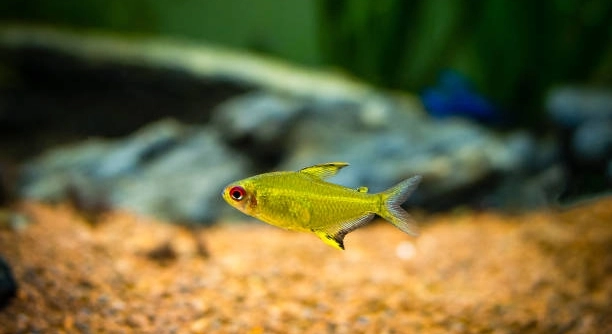
Lemon tetras are small, colorful fish that brighten any aquarium with their yellow hues. Many hobbyists enjoy keeping them in community tanks, appreciating their peaceful nature and active swimming patterns throughout the water.
Lemon tetras can survive without a heater if the room temperature remains stable between 72°F and 78°F. Maintaining consistent conditions, avoiding sudden temperature changes, and monitoring water quality are essential for their health in an unheated tank.
Understanding proper care and environmental needs will help you maintain a thriving lemon tetra community in your home aquarium. Proper attention ensures their colors stay vibrant and behavior remains natural.
Ideal Water Temperature for Lemon Tetras
Lemon tetras thrive best in moderately warm water, ideally between 72°F and 78°F. Even without a heater, they can adapt to temperatures slightly below this range, but sudden drops can stress them. Stress weakens their immune system and makes them more susceptible to diseases. It is important to maintain stability in their environment, so placing the tank away from drafts, air conditioners, or direct sunlight is necessary. Monitoring temperature with a reliable aquarium thermometer helps ensure it does not fluctuate too much. Gradual changes in water conditions are easier for the fish to handle. Maintaining proper filtration and partial water changes will support consistent water chemistry. Although lemon tetras are hardy, they perform best when their tank replicates conditions close to their natural habitat. Clean water and moderate temperatures help them display their bright yellow color and active swimming patterns, creating a lively and attractive tank. Consistency in care is key to keeping them healthy.
Stable water conditions prevent stress and promote long-term health in your lemon tetras.
Lemon tetras are delicate, and temperature changes can influence behavior, appetite, and breeding. Even small fluctuations may cause hiding or lethargy. Ensuring stable water temperature, combined with proper feeding and clean water, encourages natural activity and enhances their bright coloration.
Tank Setup Without a Heater
A tank without a heater requires careful placement and monitoring. Lemon tetras need consistent temperatures and clean water to thrive.
When keeping lemon tetras without a heater, the tank size and setup play significant roles. A larger tank is easier to maintain because it resists rapid temperature changes. Decorations like plants and driftwood provide hiding spots, which reduce stress. Substrate choice also matters; fine gravel or sand is gentle on their small fins. Proper filtration keeps water clear and maintains oxygen levels, which is crucial in unheated tanks. Light placement should avoid direct sunlight to prevent overheating during the day while keeping night temperatures stable. Regular partial water changes help maintain chemistry and reduce the buildup of harmful substances. Feeding should include high-quality flakes or micro-pellets, and occasional live or frozen foods support their health and vibrant coloration. Observation is important; changes in behavior may indicate temperature issues. A balanced, stable environment ensures lemon tetras remain active, healthy, and visually striking without a heater.
Feeding Lemon Tetras in Unheated Tanks
Lemon tetras eat small flakes, micro-pellets, and occasional frozen foods. Proper feeding ensures they stay healthy, active, and maintain their bright colors, even in tanks without a heater.
Feeding in an unheated tank requires careful portion control. Cold water slows metabolism slightly, so overfeeding can lead to uneaten food and poor water quality. Providing small meals two to three times a day works best. Incorporating variety with frozen or live foods like daphnia or brine shrimp adds essential nutrients. Observing their behavior during feeding helps determine if they are eating enough. Healthy lemon tetras will swim actively to feed and maintain their vibrant yellow hue. Avoiding excessive feeding reduces the risk of water pollution, which is especially important when the tank temperature is lower than in heated setups.
Maintaining proper nutrition is closely tied to tank conditions. Even slight water temperature fluctuations can affect appetite and digestion. Regular observation, combined with consistent feeding routines, ensures lemon tetras remain healthy, active, and display their natural behavior throughout the day.
Tank Mates for Lemon Tetras
Choosing compatible tank mates helps maintain a peaceful environment and reduces stress in the aquarium.
Lemon tetras do best with small, non-aggressive fish. Species like guppies, rasboras, and small peaceful tetras are ideal companions. Avoid larger or aggressive fish that may nip fins or dominate space. Community tanks should provide enough hiding spots and open swimming areas to prevent territorial disputes. Observing interactions is key; stress or bullying can affect health and color. Proper water conditions must suit all species in the tank. Coordinating feeding schedules ensures every fish receives adequate nutrition. A harmonious tank supports natural behavior, swimming patterns, and overall well-being for lemon tetras.
Common Health Concerns
Lemon tetras in unheated tanks are prone to stress-related issues if temperatures fluctuate. Watch for lethargy, faded color, or loss of appetite as early signs of health problems.
Parasites and bacterial infections can also appear. Maintaining clean water, stable conditions, and a balanced diet reduces the risk and keeps your fish active and healthy.
Breeding Lemon Tetras
Breeding lemon tetras without a heater requires stable temperatures and a calm environment. Spawning may occur naturally in slightly cooler water, but consistent conditions improve success. Plants and fine-leaved decorations provide necessary surfaces for eggs, while dim lighting encourages natural behavior. Careful observation is key to protecting fry.
Cleaning and Maintenance
Regular tank maintenance is essential for lemon tetras. Partial water changes, filter cleaning, and monitoring water parameters ensure a healthy environment and prevent stress-related issues.
FAQ
Can lemon tetras survive in cooler water?
Yes, lemon tetras can tolerate slightly cooler water than typical tropical tanks. They can live comfortably in temperatures ranging from 70°F to 78°F. However, sudden drops or fluctuations in temperature can stress them and make them more prone to illness. Stability is key.
Do lemon tetras need a heater all year round?
No, a heater is not always necessary if room temperature remains stable. In cooler climates or rooms with fluctuating temperatures, a heater helps maintain consistent conditions. Without it, careful monitoring is required to ensure the fish remain healthy and active.
What is the best diet for lemon tetras in unheated tanks?
A mix of high-quality flake food, micro-pellets, and occasional live or frozen foods like brine shrimp or daphnia is ideal. Feeding small amounts two to three times a day prevents overfeeding and reduces waste, which is especially important in cooler water where digestion is slower.
Can lemon tetras breed without a heater?
Yes, breeding is possible in unheated tanks, but consistent water temperature improves success rates. Providing plants or fine-leaved decorations gives surfaces for eggs. Dim lighting encourages spawning, and protecting the fry after hatching ensures they survive in cooler conditions.
How often should I clean an unheated tank?
Partial water changes of 20-25% once a week help maintain water quality. Cleaning filters and removing uneaten food prevent buildup of harmful chemicals. Cooler water slows decomposition slightly, but regular maintenance is still necessary to keep fish healthy.
What tank mates are safe for lemon tetras without a heater?
Small, peaceful species such as guppies, rasboras, and other small tetras are suitable. Avoid larger, aggressive fish that may stress or harm them. Providing hiding spots and open swimming areas helps maintain harmony in a community tank.
Do lemon tetras need plants in the tank?
Plants are beneficial, though not strictly necessary. They provide hiding spots, help maintain water quality, and create a more natural environment. Live plants also encourage natural behavior, reduce stress, and may support breeding if conditions are right.
How do I know if my lemon tetras are stressed?
Signs include faded colors, hiding frequently, loss of appetite, or lethargy. Sudden movements, erratic swimming, or aggression among tank mates can also indicate stress. Ensuring stable temperatures, clean water, and a safe environment helps reduce these behaviors.
Can lemon tetras adapt to fluctuating temperatures?
They can tolerate minor fluctuations, but repeated or extreme changes can cause health issues. Gradual acclimation to new water conditions helps them adjust, but maintaining stability is always preferable to avoid stress and disease.
Is it necessary to monitor water parameters without a heater?
Yes, monitoring pH, ammonia, nitrite, and nitrate levels is essential. Cooler water can change chemical reactions slightly, and lemon tetras are sensitive to poor water quality. Regular testing ensures a safe environment and supports their overall health and activity.
How many lemon tetras should I keep together?
A group of at least six is recommended, as they are schooling fish. Larger groups reduce stress and encourage natural swimming patterns. Keeping them in smaller numbers may lead to hiding, aggression, or reduced activity, especially in unheated tanks.
What is the maximum temperature lemon tetras can tolerate without stress?
Temperatures above 78°F can stress lemon tetras, especially without a heater to regulate consistency. High temperatures reduce oxygen levels in the water, increase metabolism, and may trigger aggressive behavior or health issues. Consistent moderate temperatures are always safer.
Can lemon tetras live in a planted tank without a heater?
Yes, planted tanks can help regulate temperature fluctuations slightly and provide hiding spaces. Plants also improve water quality and support natural behaviors, making them particularly helpful in unheated setups. Regular monitoring ensures both plants and fish remain healthy.
How do I prevent diseases in an unheated tank?
Maintaining clean water, stable temperatures, and a balanced diet is the best prevention. Quarantining new fish, avoiding overfeeding, and observing behavior regularly reduces the risk of infections. Cooler water slows metabolism but does not prevent bacterial or parasitic outbreaks entirely.
Can lemon tetras tolerate tap water without a heater?
They can tolerate properly treated tap water. Chlorine and chloramine must be removed, and water parameters such as pH and hardness should be monitored. Cooler temperatures do not reduce the need for safe, stable water conditions for healthy fish.
What signs indicate the tank is too cold for lemon tetras?
Lethargy, clamped fins, reduced swimming, and loss of appetite indicate water is too cold. If these symptoms persist, gently increasing room temperature or using a small heater can help stabilize the environment without shocking the fish.
Are there any special considerations for winter months?
Yes, unheated rooms may drop below safe temperatures. Insulating the tank, moving it away from drafts, or using a heater during colder periods can prevent stress and maintain consistent conditions. Monitoring temperature closely ensures lemon tetras remain healthy throughout winter.
Can lemon tetras coexist with shrimp in an unheated tank?
Yes, peaceful shrimp species like cherry shrimp or ghost shrimp can coexist. They add interest and help clean the tank, but ensure hiding spots are available. Cooler water may slow shrimp activity slightly, but it does not prevent them from thriving alongside lemon tetras.
Do lemon tetras need a cover on an unheated tank?
A lid helps reduce evaporation, maintain temperature stability, and prevent fish from jumping. It is especially important in cooler rooms where heat loss can occur at the surface. Covers also protect water quality by reducing debris and dust entry.
How long can lemon tetras live without a heater?
With stable temperatures, lemon tetras can live 3-5 years, sometimes longer. Consistent care, proper diet, and clean water are the most important factors. Avoiding temperature shocks and maintaining a balanced environment ensures they reach their full lifespan even without a heater.
Final Thoughts
Lemon tetras are small, hardy fish that can adapt to a variety of home aquarium setups. While they are often associated with tropical, heated tanks, they are able to live without a heater if the environment remains stable. Maintaining consistent room temperature between 72°F and 78°F allows them to thrive, though slightly cooler conditions are also manageable for short periods. Stability is key because sudden changes in temperature can stress them, weaken their immune system, and lead to illness. Providing a calm and clean environment with proper filtration and regular water changes ensures that lemon tetras remain active, display bright colors, and continue their natural swimming behaviors. Even without a heater, they can live comfortably for several years if their needs are carefully managed and monitored.
Feeding is another important aspect to consider when keeping lemon tetras in unheated tanks. Their metabolism may slow slightly in cooler water, which means overfeeding can quickly lead to water quality problems. Small, frequent meals of high-quality flakes, micro-pellets, and occasional live or frozen foods work best. Monitoring their behavior during feeding helps identify if they are eating enough, and adding variety in their diet keeps them healthy and vibrant. Observing fish regularly is essential in an unheated tank because any signs of stress or disease can be addressed quickly. Maintaining a balanced environment with compatible tank mates, hiding spots, and proper lighting contributes to their overall wellbeing and reduces stress. These steps help lemon tetras adjust comfortably to cooler water while keeping their behavior and colors natural.
Finally, tank setup and maintenance play a crucial role in the success of keeping lemon tetras without a heater. A slightly larger tank is easier to maintain because water temperature remains more stable and fluctuations are slower. Including plants, driftwood, or decorations provides shelter and helps reduce stress. Partial water changes, filter maintenance, and monitoring key water parameters such as ammonia, nitrite, nitrate, and pH are critical to a healthy environment. Paying attention to seasonal changes is important too, as unheated rooms may become colder in winter. Simple measures like insulating the tank or adjusting room temperature can prevent stress during colder months. By keeping these factors in mind, lemon tetras can live long, healthy lives without a heater while still displaying their natural beauty and active behavior.

Hello,
If you enjoy the content that we create, please consider saying a "Thank You!" by leaving a tip.
Every little bit helps us continue crafting quality advice that supports the health, happiness, and well-being of pets around the world, for pets of all shapes, sizes, and species.
We really appreciate the kindness and support that you show us!