
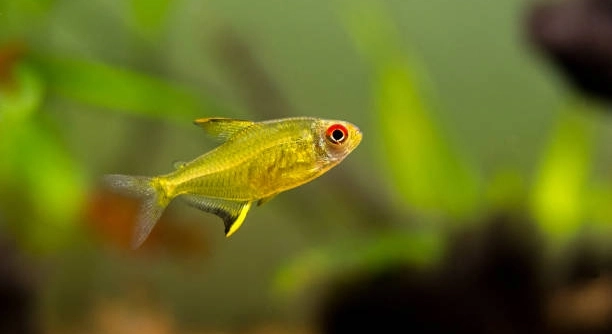
Lemon tetras are small, vibrant fish that brighten any freshwater aquarium. Many aquarists enjoy watching them swim, often noticing their delicate colors and social behaviors in a peaceful tank setting. Caring for them can be rewarding.
Lemon tetras can indeed be conditioned for breeding through careful diet management, water parameter control, and providing appropriate spawning sites. Gradual acclimation to optimal conditions increases reproductive success and ensures healthier fry development in a controlled aquarium environment.
Successfully conditioning lemon tetras requires patience and attention to detail. Understanding their needs and behaviors can greatly improve breeding outcomes and overall fish health in the long term.
Understanding Lemon Tetra Behavior
Lemon tetras are naturally active and social fish that thrive in groups. Observing their behavior is key to knowing when they are ready for breeding. Males often display brighter colors and more energetic movements, while females appear fuller-bodied, especially when carrying eggs. Maintaining a calm and stable environment encourages natural activity and reduces stress, which is essential for successful conditioning. These fish prefer slightly acidic, soft water, and consistent temperature control helps maintain their overall health. Providing plenty of hiding spaces and gentle water flow mimics their natural habitat, supporting normal behaviors. Diet also plays a major role; high-quality live or frozen foods can stimulate reproductive readiness. Small, frequent feedings are better than occasional large meals, as they keep the fish in optimal condition. By understanding these subtle cues and maintaining proper care, breeding lemon tetras becomes more predictable and less stressful for both the fish and the keeper.
Observation of behavior is critical to successful breeding in lemon tetras.
Proper observation helps detect readiness, which allows for timely introduction to breeding conditions and improves reproductive success.
Conditioning for Breeding
Diet is essential when conditioning lemon tetras for breeding.
Feeding a mix of live, frozen, and high-quality flake foods ensures the fish receive the nutrients needed for spawning.
In addition to diet, maintaining stable water conditions is crucial. Lemon tetras require slightly acidic water, a gentle flow, and temperatures around 75–80°F to encourage breeding. Consistent maintenance, including partial water changes, helps prevent stress and improves fertility. Spawning tanks should include plants or fine-leaved vegetation for egg-laying, giving females a safe place to deposit eggs. Removing parents after spawning prevents predation of the eggs. Gradually acclimating the fish to these conditions ensures they are ready without sudden stress. Monitoring the fish daily allows you to track subtle changes in coloration, behavior, and appetite, all of which indicate breeding readiness. Careful attention to diet, environment, and social interactions increases the likelihood of a successful spawning event, producing healthy fry that thrive in well-maintained conditions.
Preparing the Spawning Tank
A separate tank with soft, slightly acidic water is ideal for spawning lemon tetras. Include fine-leaved plants or spawning mops for egg deposition. Keep the water temperature steady between 75–80°F and maintain gentle filtration to avoid disturbing eggs.
The tank should be quiet and free from aggressive tankmates. Spawning sites like dense plant areas or artificial mops provide security for females. Regular, small water changes keep conditions stable. Males often display brighter colors when ready, and observing these signals helps determine the best time to introduce pairs. Proper preparation minimizes stress and maximizes the chances of successful egg laying.
Lighting should be moderate to mimic natural conditions. Too bright or harsh light can cause stress and reduce spawning behavior. Plants not only provide cover but also encourage natural behaviors. Monitoring daily allows you to notice when eggs are laid, enabling timely removal of adults to protect the eggs. Maintaining water quality and observing the fish ensures a safer environment for early fry development.
Egg Care and Fry Development
Remove adults after spawning to prevent egg predation.
Eggs typically hatch in 24–36 hours depending on temperature.
After hatching, fry are very small and require infusoria or other microscopic foods for the first few days. Gradually introducing finely crushed flake or baby brine shrimp helps them grow. Consistent water quality and gentle filtration are critical, as fry are sensitive to changes. Observing growth rates and health ensures adjustments can be made early, improving survival. As fry grow, spacing and water changes prevent overcrowding and maintain oxygen levels. Proper care during this stage sets the foundation for strong, healthy juvenile lemon tetras.
Feeding the Fry
Fry need very small, frequent meals to grow properly. Start with infusoria or liquid fry food. As they develop, gradually introduce finely crushed flakes or baby brine shrimp to provide more nutrients.
Maintaining water quality is essential while feeding. Uneaten food should be removed quickly to prevent water contamination and reduce the risk of disease.
Monitoring Growth
Track the fry’s growth regularly. Healthy fry become more active and begin showing hints of adult coloration within a few weeks. Adjust feeding amounts to match their development. Proper observation helps detect any issues early, ensuring that weak or stunted fry receive extra attention to improve survival and overall health.
Water Quality Maintenance
Consistent water conditions are critical for both eggs and fry. Regular partial water changes and monitoring pH, temperature, and hardness prevent stress and promote healthy growth.
FAQ
How long does it take for lemon tetra eggs to hatch?
Lemon tetra eggs usually hatch within 24–36 hours depending on water temperature. Warmer water speeds up development, while cooler water slows it down slightly. Keeping a stable temperature ensures uniform hatching and minimizes stress on the eggs.
Do I need to remove the parents after spawning?
Yes, adults should be removed after eggs are laid. Lemon tetras may eat their own eggs if left in the tank. Separating the adults protects the eggs and increases the survival rate of the fry. Using a separate breeding tank makes this process easier.
What should I feed newly hatched fry?
Newly hatched fry are tiny and need microscopic foods. Infusoria or commercially available liquid fry food works best initially. After a few days, you can gradually introduce finely crushed flake food or baby brine shrimp to support healthy growth.
How often should I feed lemon tetra fry?
Fry require multiple small feedings per day. Feeding three to five times daily ensures they get enough nutrients without fouling the water. Uneaten food should be removed quickly to prevent water contamination and maintain stable water conditions.
What water conditions are ideal for breeding lemon tetras?
Soft, slightly acidic water with a pH around 6.0–6.5 is ideal. Keep the temperature steady between 75–80°F. Gentle filtration and minimal water movement reduce stress, encouraging natural spawning behavior and improving egg and fry survival.
How can I tell if my lemon tetras are ready to breed?
Males display brighter colors and become more active, while females appear fuller-bodied when carrying eggs. Observing these behaviors helps determine the best time to introduce them into the spawning tank. Proper conditioning through diet and water quality also improves readiness.
Can I breed lemon tetras in a community tank?
Breeding in a community tank is not recommended. Eggs and fry are likely to be eaten by other fish. A separate breeding tank with plants or spawning mops provides a safer environment for successful spawning and fry development.
How long does it take for fry to show adult coloration?
Fry begin showing hints of adult coloration after several weeks, typically around 4–6 weeks. Full coloration and size develop over a few months, depending on diet, water quality, and overall care. Consistent observation ensures healthy growth.
What should I do if the eggs or fry aren’t surviving?
Check water parameters first—pH, temperature, and cleanliness are key. Ensure food is appropriate for the fry’s size. Overcrowding can also affect survival, so consider separating weaker fry or increasing tank space. Gradual adjustments often improve survival rates significantly.
Do lemon tetras need special lighting during breeding?
Moderate, natural-like lighting is sufficient. Bright or harsh light can stress the fish, reducing spawning behavior and egg viability. Plants in the tank provide shade and encourage natural laying behaviors. Observing the tank daily helps ensure the light conditions are not causing stress.
Can I use artificial spawning mops instead of plants?
Yes, artificial spawning mops work well. They provide a safe place for females to lay eggs and make it easier to remove adults afterward. Mops can be cleaned and reused, making them convenient for multiple breeding attempts.
How often should water changes be done during breeding?
Regular, small water changes help maintain stable conditions. Changing 10–20% of the water every day or two prevents buildup of waste and supports fry health. Avoid drastic changes that could shock the eggs or fry.
Is conditioning diet really necessary for breeding?
Yes, diet plays a major role. High-quality live or frozen foods improve egg production and overall health. Gradually introducing protein-rich foods before spawning helps both males and females reach optimal reproductive condition.
Can fry be raised without live foods?
Initially, live foods like infusoria are best due to their small size. After the first week, finely crushed flake foods or baby brine shrimp can replace live foods. Ensuring the fry can eat easily sized portions is critical for early development.
What is the survival rate of lemon tetra fry in captivity?
With proper care, survival rates can be high, but many factors influence outcomes: water quality, diet, tank setup, and removal of adults all affect success. Close observation and consistent care improve chances significantly.
How long before fry can join the main tank?
Fry can typically be moved after 6–8 weeks when they are larger, more resilient, and showing adult behavior. Acclimate them slowly to avoid stress, and ensure the main tank has plenty of space and hiding spots.
Are there signs of stress in breeding lemon tetras?
Signs include sluggish behavior, hiding excessively, loss of appetite, or faded colors. Stress reduces spawning success and can harm both adults and fry. Maintaining stable water conditions, a calm environment, and proper nutrition helps prevent stress.
What is the best way to increase fry survival?
Use a separate breeding tank, remove adults promptly, provide suitable food, maintain water quality, and avoid overcrowding. Observing behavior and growth closely allows you to make adjustments early, supporting healthier fry development.
How many eggs does a female lemon tetra lay?
A female typically lays 20–60 eggs per spawning session, depending on size and health. Multiple spawning events are possible if conditions remain optimal, increasing overall fry production.
Can lemon tetras spawn multiple times?
Yes, females can spawn several times when conditions are stable and they receive a proper diet. Allow recovery time between spawnings to maintain health and maximize egg viability.
What tank size is recommended for breeding?
A small breeding tank around 10–15 gallons works well for a pair or small group. Adequate space prevents overcrowding, allows proper plant placement or spawning mops, and supports stable water conditions.
How long does it take for fry to reach adult size?
Fry grow steadily, reaching near adult size in about 3–4 months with proper feeding and water conditions. Regular observation ensures they are developing correctly and allows for early intervention if any issues arise.
Can I breed lemon tetras in tap water?
Tap water can be used if properly treated to remove chlorine and chloramines. Adjusting pH and hardness may be necessary to mimic soft, slightly acidic natural conditions that encourage spawning. Regular testing ensures water is safe for eggs and fry.
Do lemon tetras require special equipment for breeding?
Basic equipment includes a breeding tank, gentle filtration, plants or spawning mops, a heater, and test kits for water parameters. Advanced tools are not necessary, but consistent monitoring and care are essential for successful spawning.
What is the ideal temperature for fry development?
Maintaining 75–80°F provides optimal development. Temperatures outside this range can slow growth, affect hatching times, and reduce survival rates. Stability is more important than slight temperature differences.
How long should I keep eggs in the tank before hatching?
Eggs hatch quickly, typically in 24–36 hours. Monitoring the tank allows timely removal of adults to prevent predation and ensures conditions remain stable during this critical early stage.
Are there any diseases I should watch for during breeding?
Fungal infections can affect eggs, and bacterial issues may impact fry. Keeping water clean, avoiding overfeeding, and removing dead or unhealthy eggs promptly reduces disease risk. Observation is key to early detection and treatment.
Can I breed lemon tetras with multiple males and females?
Yes, but more fish increase competition and stress. Spawning may still occur, but closely monitor interactions, remove adults after egg-laying, and ensure sufficient space to prevent aggression and improve fry survival.
How can I tell if the eggs are fertilized?
Fertilized eggs appear clear with a slight tint, while unfertilized eggs often turn white or opaque. Removing unfertilized eggs prevents fungal growth that could harm healthy eggs.
Do lemon tetras need any special water movement for spawning?
Gentle water flow is sufficient. Strong currents can stress the fish and dislodge eggs. A calm environment supports natural spawning behavior and protects delicate eggs and fry.
What is the best way to transition fry to solid food?
Gradually introduce finely crushed flakes or baby brine shrimp after a few days of infusoria feeding. Monitor feeding to ensure all fry are eating and adjust portions as they grow, supporting steady development.
How long should I condition lemon tetras before breeding?
Conditioning typically takes 2–4 weeks with high-quality food and stable water conditions. Proper conditioning ensures both males and females are healthy, increasing the likelihood of successful spawning.
Can I reuse water from a breeding tank for another spawning?
Reusing water is possible if it remains clean and stable. Remove debris and test water parameters before reuse to maintain a safe environment for new eggs and fry.
What is the recommended pH for breeding lemon tetras?
A pH of 6.0–6.5 is ideal. Slightly acidic, soft water mimics natural conditions, encourages spawning, and supports egg and fry development. Maintaining this range consistently improves reproductive outcomes.
How important are plants in the breeding tank?
Plants provide cover, encourage natural behaviors, and protect eggs from adults. Fine-leaved plants or spawning mops are effective, creating a safer environment for egg-laying and fry survival.
Can lemon tetras spawn year-round?
Yes, in a controlled aquarium with stable conditions and proper care, lemon tetras can spawn multiple times throughout the year. Regular feeding and monitoring support continuous reproductive activity.
Are there common mistakes to avoid when breeding lemon tetras?
Avoid leaving adults with eggs, overfeeding, unstable water conditions, and overcrowding. Each of these can reduce survival rates or stress the fish. Careful planning and attention prevent most problems and improve breeding success.
How can I increase the number of fry that survive?
Provide a separate breeding tank, maintain water quality, feed appropriately, remove adults, and monitor daily. Small adjustments during early development stages greatly improve survival and health of the fry.
Do lemon tetras need a specific light cycle for breeding?
Moderate lighting that mimics natural conditions works best. Excessive brightness can stress fish, while too little light may reduce activity and spawning behavior. Consistency helps maintain healthy daily routines for both adults and fry.
How soon after spawning can the parents be returned to the main tank?
Parents can return once eggs have hatched and fry are removed or safe from predation. This usually happens within a day, ensuring adults do not disturb or eat the developing fry.
Can I breed lemon tetras without live plants?
Yes, artificial spawning mops work well as a substitute. They provide a secure site for egg-laying and make it easier to remove adults after spawning. Plants are beneficial but not strictly necessary.
What is the average number of fry that survive to adulthood?
With proper care, a significant portion of the eggs can reach adulthood, but exact numbers vary. Factors like diet, water quality, and tank conditions heavily influence survival rates. Careful observation improves outcomes.
How do I prevent fungal infections on eggs?
Remove unfertilized eggs promptly, maintain clean water, and avoid overcrowding. Gentle water flow and proper temperature help reduce fungal growth. Early intervention is critical to protect the remaining fertilized eggs.
Can I mix different breeding pairs in one tank?
Mixing pairs is possible but increases stress and competition. Closely monitor interactions, provide adequate hiding spaces, and remove adults after spawning to protect eggs. Separating pairs is generally safer for higher survival rates.
How often do lemon tetras spawn in captivity?
With optimal conditions, they may spawn every few weeks. Regular monitoring of water quality, diet, and behavior ensures readiness for repeated breeding cycles, supporting consistent fry production.
What is the easiest way to collect eggs?
Using fine-leaved plants or artificial spawning mops makes egg collection simple. Once eggs are laid, remove the adults and gently transfer the mops to a separate hatching tank, minimizing disturbance and protecting the eggs.
Can stress affect breeding success?
Yes, stress from poor water conditions, aggressive tankmates, or sudden changes reduces spawning activity. Maintaining a calm, stable environment with proper care supports successful reproduction.
How do I prevent fry from overcrowding?
Provide sufficient space in the breeding tank and consider transferring fry to a larger tank as they grow. Overcrowding can reduce growth rates and increase disease risk, so monitoring numbers is essential.
Is temperature more important than pH for breeding?
Both are important, but stable temperature has a more immediate effect on spawning behavior. Maintaining 75–80°F along with slightly acidic pH ensures optimal conditions for egg development and fry survival.
What type of filtration is best for a breeding tank?
Gentle sponge filters or low-flow filtration are ideal. Strong currents can damage eggs and fry, while gentle filtration keeps water clean without stressing the fish.
Can lemon tetras breed without conditioning?
Breeding is possible without conditioning, but success rates are lower. Proper diet and water preparation significantly improve egg quality, spawning frequency, and fry survival, making conditioning highly recommended.
How do I know when fry are ready to eat solid food?
When fry develop visible mouths and start swimming actively, they can handle finely crushed flakes or baby brine shrimp. Gradual introduction ensures they can consume food without choking or struggling.
What is the role of light in fry growth?
Moderate light encourages normal activity and feeding. Too bright or harsh light can stress fry, while consistent lighting supports regular feeding and development. Plants provide shade and help create a balanced environment.
Can I breed lemon tetras in a small tank?
Yes, a 10–15 gallon tank is sufficient for a pair or small group. Ensure enough plants or mops, stable water conditions, and proper feeding to support successful spawning and fry survival.
Is it necessary to remove unfertilized eggs?
Yes, unfertilized eggs can develop fungus and harm healthy eggs. Removing them promptly protects the fertilized eggs and maintains cleaner water conditions.
Can I raise fry with only flake food?
Only after the first few days. Initially, microscopic foods like infusoria are needed. Gradually transition to finely crushed flakes or baby brine shrimp as the fry grow, ensuring proper nutrition.
How do I prevent adults from eating eggs?
Remove adults immediately after spawning and provide hiding places for eggs if removal isn’t possible. This protects the eggs and increases survival chances.
What is the ideal hardness for breeding lemon tetras?
Soft water with low hardness is preferred. It mimics natural habitats and encourages spawning behavior. Hard water can reduce egg viability and affect fry development.
How do I acclimate fry to a new tank?
Introduce fry slowly by floating the bag or using gradual water mixing. This prevents shock and allows them to adjust to new water parameters safely.
Can lemon tetras spawn without plants or mops?
Spawning is possible but less successful. Plants or mops provide security and a suitable site for eggs, increasing overall survival rates.
Do lemon tetras need a special diet after spawning?
Yes, continue high-quality foods to maintain health and support recovery for future spawnings. Protein-rich diets improve fertility and condition for repeated breeding cycles.
What is the best way to clean a breeding tank?
Remove debris and uneaten food carefully. Avoid disturbing eggs or fry, and perform partial water changes regularly. Gentle cleaning prevents stress and maintains water quality for optimal survival.
Can I breed lemon tetras in a heated tank?
Yes, maintaining 75–80°F supports spawning. Stable heating is crucial, as fluctuations can stress fish and affect egg and fry development.
How long should I monitor fry daily?
Short daily checks are sufficient. Observe growth, feeding behavior, and water conditions to detect issues early and make timely adjustments for healthy development.
Are there signs that fry are not healthy?
Signs include slow swimming, lack of appetite, or visible deformities. Prompt action, such as adjusting water quality or food, can improve survival and growth.
Can I breed multiple pairs together safely?
It is possible but increases stress. Careful monitoring and sufficient space are necessary. Removing adults promptly after spawning protects eggs and fry from predation.
What is the easiest food for young fry?
Infusoria or liquid fry food is ideal initially. It is small enough for their tiny mouths and ensures proper nutrition during the first critical days of growth.
Do lemon tetras need special water changes during breeding?
Yes, small, regular changes help maintain water quality. Avoid large, sudden changes that could shock eggs or fry and reduce survival rates.
How long does it take for fry to start swimming freely?
Fry generally begin swimming freely a few days after hatching. At this stage, they start searching for food actively and require consistent care to ensure survival.
Can lemon tetras breed in cold water?
Cold water slows metabolism and spawning behavior. Maintaining slightly warmer temperatures encourages natural breeding and supports proper egg and fry development.
Is it necessary to separate fry by size?
As fry grow, separating significantly smaller or weaker individuals can prevent competition and improve survival rates. Adequate space and observation are key.
Can lemon tetras breed without live food?
Initially, live or microscopic foods are important. Later, finely crushed flakes or baby brine shrimp can replace live foods for continued growth. Proper nutrition is essential for successful breeding.
How do I prevent overfeeding fry?
Feed small amounts frequently and remove uneaten food promptly. Overfeeding can foul water and stress the fry, reducing survival chances.
What is the optimal pH for fry growth?
Slightly acidic water, around 6.0–6.5, promotes healthy development. Maintaining stability in pH prevents stress and supports strong growth of young fish.
How do I know if fry are eating enough?
Active swimming, bright coloration, and steady growth indicate adequate feeding. Adjust portion sizes if fry appear sluggish or uneaten food accumulates.
Can fry survive in community tanks?
Fry are highly vulnerable in community tanks and are likely to be eaten. Using a separate breeding tank ensures safety and higher survival rates.
How often should I test water parameters during breeding?
Daily checks of temperature, pH, and hardness help maintain optimal conditions. Consistent monitoring prevents stress and improves survival of eggs and fry.
Do lemon tetras need special care during the first week?
Yes, they are most vulnerable during this time. Careful feeding, water maintenance, and protection from adults or other fish are essential for survival.
How long before fry can eat regular flake food?
Typically after 1–2 weeks, depending on size. Introduce crushed flakes gradually to supplement initial microscopic foods while ensuring fry can consume it easily.
Are there risks if water is too hard?
Hard water can reduce fertility, slow egg development, and affect fry health. Soft, slightly acidic water is preferred for successful breeding.
**Can
Breeding lemon tetras can be a rewarding process when approached carefully and patiently. These small, colorful fish require consistent care and attention to thrive in a breeding environment. By understanding their natural behaviors, dietary needs, and environmental preferences, you can create conditions that support successful spawning. Maintaining stable water parameters, providing suitable plants or spawning mops, and observing subtle behavioral changes are all important steps in encouraging breeding activity. A well-prepared tank not only promotes egg-laying but also ensures that both adults and fry remain healthy throughout the process. Consistency and careful observation are more important than complex equipment or elaborate setups, making this process accessible to aquarists who are willing to focus on the basics.
Conditioning lemon tetras before breeding is one of the most critical factors for success. Providing high-quality live or frozen foods enhances their health and increases the likelihood of producing viable eggs. Gradual changes in water conditions, such as slightly acidic pH and a steady temperature range between 75–80°F, help the fish acclimate without stress. Observing males for brighter coloration and increased activity, as well as females for a fuller body shape, allows you to time the breeding period appropriately. Separating adults from the eggs immediately after spawning is crucial, as lemon tetras may eat their own eggs if left in the tank. Once the fry hatch, consistent feeding with infusoria or other suitable microscopic foods ensures proper growth during their most vulnerable stages. Regular monitoring, careful feeding, and gradual transitions to larger food items help the fry develop into healthy juveniles.
The survival and growth of lemon tetra fry depend heavily on attention to water quality, feeding, and tank management. Partial water changes, gentle filtration, and careful removal of uneaten food prevent stress and reduce the risk of disease. Fry should be given enough space to grow without overcrowding, and introducing them to a larger tank when they reach a suitable size supports continued development. Patience is important, as fry take several weeks to show adult coloration and reach a size where they can safely join the main tank. By following these practices, breeding lemon tetras becomes a manageable and structured process that can yield strong, healthy fish. Focusing on these fundamental aspects of care ensures that both the breeding experience and the resulting fry are successful and sustainable over the long term.

Hello,
If you enjoy the content that we create, please consider saying a "Thank You!" by leaving a tip.
Every little bit helps us continue crafting quality advice that supports the health, happiness, and well-being of pets around the world, for pets of all shapes, sizes, and species.
We really appreciate the kindness and support that you show us!