
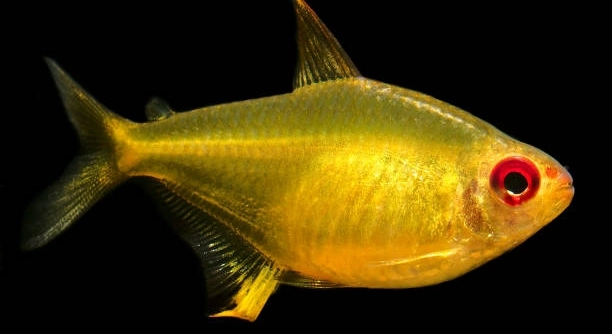
Do your lemon tetras sometimes move in short, quick bursts that seem unusual compared to their normal swimming patterns? Observing their behavior can reveal important insights about their health and environment in your aquarium.
When lemon tetras pulse swim, it usually indicates a response to stress, environmental changes, or health concerns. This behavior is characterized by sudden bursts of movement and can signal water quality issues, aggression, or internal parasites that need attention.
Understanding why your fish display this behavior can help maintain a healthy tank. Learning the underlying causes ensures their well-being and a balanced aquatic environment.
Understanding Pulse Swimming in Lemon Tetras
Pulse swimming in lemon tetras is a noticeable behavior where fish move in short, rapid bursts. This can occur randomly or in response to specific stimuli, like changes in tank conditions. Observing the timing and frequency of these movements is important. Factors such as water temperature, pH levels, and the presence of other fish can influence their behavior. Often, pulse swimming is more frequent when fish are adjusting to a new tank or recovering from stress. Paying close attention to their overall activity, feeding habits, and interactions with other fish helps identify potential concerns. Sometimes, minor adjustments to the environment, such as adding plants or hiding spots, can reduce this behavior. Consistency in feeding schedules and water maintenance also plays a role. By monitoring these factors, you can create a stable environment that supports calm and natural swimming patterns, reducing sudden bursts and keeping your lemon tetras healthy.
Tracking your fish’s activity over several days can reveal patterns that indicate either normal adaptation or stress-related behavior.
Adjusting the aquarium environment often improves the situation. Ensuring stable water temperature, proper filtration, and minimal disturbances can help your lemon tetras feel secure. Introducing gentle lighting and plants provides shelter and reduces stress. Observing social interactions and avoiding overcrowding are also key. Consistent feeding and monitoring water quality support long-term health, gradually calming pulse swimming behaviors. These small changes can make a significant difference in your fish’s comfort and activity levels.
Causes of Stress and Environmental Triggers
Water quality issues are common triggers for pulse swimming. Poor filtration, chemical imbalances, or sudden temperature fluctuations can stress fish, prompting rapid movement. Maintaining clean water with regular testing and gradual adjustments helps minimize these triggers. Proper aeration and a stable environment are essential for their well-being.
Stress in lemon tetras may also arise from tank mates or overcrowding. Aggressive fish, constant disturbances, or limited hiding spaces can cause anxiety, leading to pulsing behavior. Adding plants, decorations, and maintaining a balanced population creates a safer and more comfortable environment. Nutritional deficiencies or irregular feeding schedules can further exacerbate stress. Observing fish for prolonged unusual behavior or lethargy can help identify issues early. Addressing these factors ensures healthier swimming patterns and reduces sudden bursts. Consistent care and attention to environmental conditions support both their physical health and natural behavior, creating a more harmonious aquarium experience for your lemon tetras.
Observing Behavior Patterns
Noticing when your lemon tetras pulse swim can reveal underlying issues. Sudden bursts may occur during feeding, cleaning, or changes in lighting. Careful observation over several days helps determine if this is normal behavior or a sign of stress that needs attention.
Recording activity patterns, such as timing, frequency, and tank location during pulse swimming, provides valuable insight. Fish often react to environmental changes, social dynamics, or minor discomforts. By noting these details, you can identify specific triggers. This information is crucial for adjusting tank conditions, such as water parameters, decorations, and feeding schedules. Continuous observation ensures early detection of potential health or stress problems.
Consistent monitoring also helps you notice subtle changes in social interactions. Aggression, chasing, or sudden hiding can accompany pulse swimming. Understanding these interactions guides adjustments to tank layout or population density. These careful observations allow for proactive care, ensuring lemon tetras remain calm, healthy, and display more natural swimming behavior over time.
Health and Disease Indicators
Pulse swimming can indicate health problems like parasites, infections, or internal issues. Observing other signs, such as discoloration, clamped fins, or lack of appetite, helps identify whether medical attention is necessary.
Lemon tetras often exhibit rapid movements when experiencing discomfort. Parasites or infections can cause irritation, prompting sudden bursts. Monitoring water quality, diet, and tank cleanliness is essential in preventing these issues. Early detection of symptoms allows for prompt treatment, reducing long-term effects and promoting recovery. Maintaining a stable environment and high-quality nutrition supports their immune system and helps them resist disease.
Not all health issues are obvious at first. Behavioral changes, including pulse swimming, often appear before visible physical symptoms. Regular observation and proactive care, such as water testing and quarantine for new fish, reduce the risk of disease spread. Addressing minor problems early prevents escalation into serious health concerns. Ensuring balanced nutrition, clean water, and stress-free tank conditions supports overall vitality and longevity for your lemon tetras, keeping their swimming patterns natural and steady.
Environmental Adjustments
Pulse swimming often lessens when tank conditions are stable. Adjusting lighting, providing hiding spaces, and maintaining consistent water temperature can reduce stress. Small changes, like rearranging decorations or adding plants, help fish feel secure and encourage natural swimming behavior.
Monitoring water quality is essential. Regular testing for ammonia, nitrites, and nitrates ensures a healthy environment. Frequent water changes and proper filtration prevent sudden fluctuations that can trigger pulse swimming. Stability in water parameters supports calm, steady swimming patterns and overall fish health.
Tank Companions
Aggressive or overly active tank mates can provoke pulse swimming. Ensuring compatible species and balanced population density reduces stress and encourages peaceful interactions, making your lemon tetras feel more secure.
Feeding Habits
Uneven or infrequent feeding can contribute to pulse swimming. Providing consistent, balanced meals helps regulate energy levels and reduces erratic behavior caused by hunger or competition.
Observation and Maintenance
Regular observation and routine tank maintenance are key. Watching behavior, cleaning filters, and checking water parameters prevent stress-related issues, keeping your lemon tetras calm and healthy.
FAQ
Why does my lemon tetra pulse swim even when the tank looks fine?
Even in a well-maintained tank, lemon tetras can pulse swim due to minor stressors that aren’t immediately obvious. Subtle water parameter changes, slight temperature fluctuations, or light intensity differences can trigger bursts. Social interactions with other fish, especially new additions, may also cause temporary stress responses.
Is pulse swimming harmful to my lemon tetras?
In most cases, brief pulse swimming is not harmful. It often indicates temporary stress or environmental adjustment. However, frequent or prolonged bursts may signal underlying health or water quality issues that require attention to prevent long-term problems.
Can tank layout affect pulse swimming?
Yes, a tank without enough hiding spaces or decorations can make lemon tetras feel exposed, leading to sudden bursts of movement. Adding plants, driftwood, or other secure areas allows them to feel safe and encourages calm, natural swimming patterns.
How does water quality impact pulse swimming?
Poor water quality, including high ammonia, nitrite, or nitrate levels, can irritate fish and trigger pulse swimming. Maintaining consistent water parameters, regular testing, and timely water changes reduce stress and help stabilize their behavior.
Does feeding play a role in this behavior?
Inconsistent or insufficient feeding can increase activity as fish search for food. Providing balanced meals at regular intervals keeps energy levels stable and minimizes sudden swimming bursts caused by hunger or competition.
Are tank mates a factor in pulse swimming?
Yes, aggressive or overly active tank mates can provoke pulse swimming. Lemon tetras are peaceful fish, and constant chasing or competition can increase stress. Keeping compatible species and a balanced population density helps maintain calm behavior.
Can temperature changes trigger pulse swimming?
Sudden changes in water temperature can stress lemon tetras, resulting in rapid movements. Maintaining a stable temperature within their preferred range reduces this behavior and supports overall health. Gradual adjustments are safer when changes are necessary.
How do I know if pulse swimming is a sign of illness?
If pulse swimming is accompanied by other symptoms, such as clamped fins, discoloration, lethargy, or loss of appetite, it may indicate disease or parasites. Close observation and prompt intervention, including water quality checks or veterinary advice, are important to address potential health issues.
Can pulse swimming occur during acclimation?
Yes, when lemon tetras are first introduced to a new tank, brief pulse swimming is normal as they explore and adjust to their surroundings. Providing hiding spaces and a stable environment helps them settle more quickly.
What maintenance routines help reduce pulse swimming?
Regular filter cleaning, water testing, and partial water changes maintain a stable environment. Monitoring behavior and observing fish daily allows early detection of stress triggers, helping reduce frequent bursts and supporting healthy swimming patterns.
How long does it take for pulse swimming to normalize?
This varies depending on the cause. Minor stress from acclimation or small environmental adjustments may resolve in days. Addressing water quality, tank layout, or social stress can gradually normalize swimming behavior over several weeks. Consistent care ensures long-term stability.
Are certain lemon tetra ages more prone to pulse swimming?
Younger or newly introduced fish may pulse swim more frequently as they adjust to their surroundings. Adults generally display calmer behavior if the environment is stable, although sudden changes can still trigger bursts at any age.
Can I prevent pulse swimming entirely?
While it may not be possible to eliminate all pulse swimming, maintaining stable water parameters, a proper tank layout, balanced feeding, and compatible tank mates significantly reduces the frequency and intensity of this behavior.
Does stress from handling affect pulse swimming?
Yes, frequent handling or sudden disturbances can temporarily trigger pulse swimming. Minimizing unnecessary handling and keeping activity around the tank calm helps fish feel secure and reduces erratic movements.
Should I separate fish that pulse swim frequently?
Separation is usually only necessary if aggression or bullying is observed. Otherwise, identifying and correcting environmental or social stressors is more effective for calming behavior without isolating fish unnecessarily.
How do I monitor progress effectively?
Keeping a simple log of swimming patterns, feeding habits, and tank conditions helps track improvements. Noting any behavioral changes alongside water parameters ensures proactive care and identifies what adjustments are most effective for reducing pulse swimming.
Can lighting influence pulse swimming?
Sudden bright lights or excessive changes in lighting can startle lemon tetras, causing bursts. Gradually adjusting light intensity and using natural or dimmed lighting periods supports calmer, consistent swimming behavior.
Is pulse swimming more common in smaller tanks?
Yes, limited space can increase stress and make sudden movements more frequent. Providing adequate swimming areas and hiding spots, even in small tanks, helps fish feel secure and reduces this behavior.
Are there any long-term consequences of frequent pulse swimming?
Persistent stress from frequent pulse swimming may weaken the immune system, reduce growth, or increase susceptibility to disease. Addressing environmental and social factors promptly prevents potential long-term health issues.
Can observing pulse swimming improve overall care?
Absolutely. Careful observation helps identify stressors, environmental issues, or health concerns early. Understanding this behavior allows you to make targeted adjustments, improving your lemon tetras’ comfort, health, and natural swimming patterns over time.
Final Thoughts
Understanding why lemon tetras pulse swim is an important part of keeping them healthy and comfortable. This behavior can result from stress, environmental changes, or minor health issues. By observing your fish closely, you can identify patterns that indicate whether pulse swimming is a temporary reaction or a sign of something more serious. Paying attention to factors such as water quality, temperature, lighting, and tank layout helps ensure a stable environment. Even small adjustments, like adding plants or rearranging decorations, can make a noticeable difference in their behavior. Stability in the tank promotes calm, natural swimming, allowing lemon tetras to thrive and display normal, relaxed movements without frequent bursts.
Consistent care plays a crucial role in preventing stress-related behaviors. Regular water testing, partial water changes, and proper filtration maintain a healthy environment that supports their well-being. Feeding schedules also matter; providing balanced, consistent meals prevents erratic behavior caused by hunger or competition. Tank mates influence behavior as well. Lemon tetras are peaceful fish, so keeping compatible species and avoiding overcrowding reduces the likelihood of stress and pulse swimming. Watching social interactions and intervening when necessary helps maintain harmony in the tank. Maintaining a predictable routine and stable environment creates a sense of security for your fish, which reduces sudden movements and supports overall health.
While pulse swimming can be alarming, it is often a natural response to minor stressors or changes in the environment. Most of the time, it is not harmful if addressed promptly. Early observation and proactive care allow you to identify potential issues before they become serious. By providing a well-maintained, stable tank with proper nutrition and compatible companions, your lemon tetras are more likely to swim calmly and confidently. Attention to detail and consistent monitoring are key to supporting their long-term health and comfort. Understanding this behavior helps you create an environment where your fish feel safe, reducing stress and encouraging natural, steady swimming patterns that reflect a healthy, balanced aquarium.

Hello,
If you enjoy the content that we create, please consider saying a "Thank You!" by leaving a tip.
Every little bit helps us continue crafting quality advice that supports the health, happiness, and well-being of pets around the world, for pets of all shapes, sizes, and species.
We really appreciate the kindness and support that you show us!