
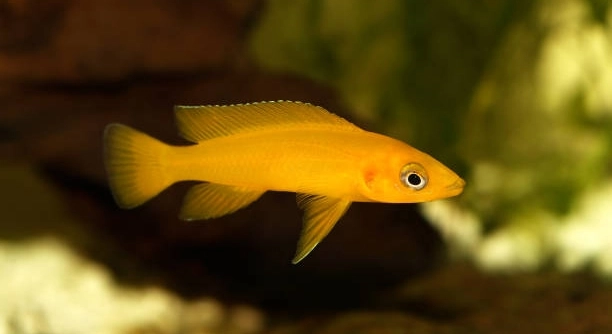
Keeping a Lemon Tetra tank clean is essential for the health of your fish. Gravel can accumulate leftover food, waste, and debris, which can affect water quality and the overall well-being of your aquatic pets.
Lemon Tetra gravel should be cleaned at least once every two weeks to maintain optimal water conditions. Frequent spot cleaning and occasional deeper siphoning help prevent the buildup of harmful bacteria and ensure a stable environment for the fish.
Maintaining clean gravel supports your fish’s health and keeps the tank looking fresh, creating a safe and pleasant space for your Lemon Tetras.
Why Regular Gravel Cleaning Matters
Gravel in a Lemon Tetra tank can quickly collect uneaten food, fish waste, and plant debris. Over time, this buildup can release harmful chemicals into the water, affecting the fish’s health. Regular cleaning helps maintain balanced water conditions, preventing ammonia spikes that can stress or even harm your fish. Gravel also provides a place for beneficial bacteria to thrive, supporting the tank’s natural filtration. When the substrate is clean, the tank remains visually appealing, and your fish can swim freely without encountering debris. Consistent maintenance avoids the need for more intensive cleaning later, which can disrupt the tank environment. By keeping the gravel clean, you ensure a healthier ecosystem where your Lemon Tetras can thrive, reducing the risk of disease and encouraging natural behavior. This practice also makes it easier to spot problems early, such as mold growth or unusual waste accumulation, allowing for timely interventions before issues escalate.
Cleaning gravel frequently improves water quality and reduces stress for your fish.
Maintaining a regular schedule for gravel cleaning creates a healthier habitat. By removing accumulated debris and waste, you help the tank maintain natural chemical balances. This care encourages active, vibrant fish and prevents odors, algae growth, and unhealthy water conditions. A clean substrate supports both your fish’s health and the overall appearance of the tank, making it a more enjoyable and manageable environment.
Tools and Techniques for Cleaning Gravel
A gravel vacuum is the most effective way to remove debris without disturbing your fish.
Using a siphon or gravel vacuum allows you to clean the substrate efficiently while performing partial water changes. Start by gently stirring the top layer of gravel to loosen trapped debris, then vacuum it out along with a portion of the water. For stubborn spots, small brushes or tweezers can help remove larger particles. Avoid removing all gravel at once, as this can disrupt beneficial bacteria colonies. Spot cleaning more frequently can reduce the need for deep cleaning sessions. Rinse any decorations separately to prevent leftover waste from returning to the tank. Maintaining a steady routine ensures the tank stays healthy, reduces odors, and provides a stable environment for your Lemon Tetras. Proper technique keeps water clear, fish happy, and the tank visually appealing. Regular monitoring and light cleaning can prevent major issues while supporting long-term tank balance.
Signs Your Gravel Needs Cleaning
Cloudy water, foul smells, and visible debris on the gravel indicate it’s time for cleaning. Fish may become less active, and uneaten food can start decomposing, affecting water quality. Spotting these signs early prevents bigger problems in your tank and keeps your Lemon Tetras healthy.
Neglected gravel can lead to ammonia and nitrite spikes, which are harmful to fish. If you notice a buildup of fish waste or uneaten food, it’s important to act quickly. Algae may also develop on the substrate, making it look dull and dirty. Regular observation helps you maintain water clarity and keeps the tank environment stable. Cleaning at the right time prevents stress, disease, and poor fish behavior. Establishing a routine ensures that your Lemon Tetras live in clean, safe, and visually appealing conditions, encouraging active swimming and natural behaviors.
Some debris can hide in corners or between gravel pieces, making it easy to miss. Using a siphon or gently stirring the gravel ensures thorough cleaning. Maintaining consistent care supports both water quality and the overall health of your fish. Spot cleaning between major cleanings reduces the buildup of harmful substances. Consistent observation combined with proper gravel maintenance helps keep the tank balanced and reduces the risk of sudden water chemistry changes, which can stress or harm Lemon Tetras.
Best Frequency for Gravel Maintenance
Cleaning the gravel every one to two weeks is usually sufficient for most Lemon Tetra tanks. Regular checks help determine if adjustments are needed.
Frequency depends on tank size, number of fish, and feeding habits. Smaller tanks or heavily stocked aquariums may require more frequent cleaning, while larger or lightly stocked tanks may need it less often. Performing partial water changes alongside gravel cleaning supports water stability. Over-cleaning can disrupt beneficial bacteria, so balance is key. Observation is essential; if waste accumulates quickly, increase cleaning frequency. Using consistent routines makes gravel maintenance manageable and helps prevent sudden water quality issues that can affect fish health.
Establishing a schedule for gravel cleaning prevents long-term problems and keeps the tank environment predictable. Combining vacuuming, spot cleaning, and water changes ensures that debris does not accumulate excessively. Monitoring fish activity and water clarity provides cues for timing cleanings. Proper maintenance encourages healthy growth, reduces algae, and maintains a visually clean tank. Regular care of the substrate minimizes the chance of ammonia spikes and promotes stable water chemistry. Keeping up with routine maintenance reduces stress for your Lemon Tetras and supports a thriving, balanced aquarium ecosystem.
Choosing the Right Tools
A gravel vacuum and a small bucket make cleaning easier and more efficient. These tools help remove debris without disturbing the fish or harming beneficial bacteria.
Soft brushes or tweezers can be used for stubborn spots and decorations. Gentle tools prevent gravel damage and ensure a thorough clean.
Cleaning Techniques for Different Gravel Types
Fine gravel can trap more waste and may require gentle stirring before vacuuming. Coarser gravel allows water to flow through easily, but larger debris may sit on top. Regardless of type, partial water changes during cleaning help maintain water chemistry. Cleaning in sections rather than all at once protects beneficial bacteria and avoids shocking the tank. Using a siphon slowly removes debris while keeping gravel layers relatively undisturbed. Spot cleaning between full gravel maintenance sessions can reduce buildup and extend time between major cleanings. Proper technique ensures the tank remains safe, clean, and visually appealing for Lemon Tetras.
Frequency Adjustments
Heavily stocked tanks may require gravel cleaning weekly to maintain water quality.
FAQ
How do I know if my Lemon Tetra gravel is too dirty?
Cloudy water, a noticeable odor, and visible debris on the gravel are signs it needs cleaning. Uneaten food and fish waste can accumulate quickly, affecting water quality. Watching your fish’s behavior can also help; lethargic or stressed fish may indicate poor tank conditions.
Can I clean all the gravel at once?
It’s not recommended to clean all the gravel at once, as this can remove beneficial bacteria essential for maintaining water chemistry. Cleaning in sections during partial water changes allows the bacteria to stay in the tank while removing debris effectively.
How much water should I change when cleaning gravel?
Partial water changes of 20-30% during gravel cleaning are sufficient. This keeps water chemistry stable while removing waste and debris. Full water changes can shock the fish and disrupt the beneficial bacteria colonies that support a healthy tank.
Is it okay to stir gravel with my hands?
Gently stirring the gravel with your hands can help loosen trapped debris, but it should be done carefully to avoid harming your fish or dislodging too much beneficial bacteria. Tools like siphons or brushes are usually more efficient.
How often should I vacuum the gravel?
For most Lemon Tetra tanks, vacuuming once every one to two weeks is sufficient. Heavily stocked tanks or those with frequent feedings may require weekly maintenance, while lightly stocked tanks may need cleaning less frequently. Observing debris buildup helps determine the right frequency.
Can I use tap water to rinse decorations and gravel?
Rinsing decorations in tap water is fine if it’s treated to remove chlorine or chloramine. Avoid using soap or chemicals, as they can be harmful to fish. Gravel generally doesn’t need full rinsing, but removing visible debris during cleaning is recommended.
Will cleaning gravel stress my fish?
Cleaning can stress fish if done too quickly or roughly. Performing slow, partial cleanings and using gentle tools minimizes stress. Removing only sections of gravel at a time preserves beneficial bacteria, keeping the environment stable.
What’s the best way to prevent gravel from getting dirty quickly?
Feed your fish in moderation, remove uneaten food promptly, and perform regular partial water changes. Keeping the tank balanced and avoiding overstocking reduces debris accumulation, making gravel maintenance easier.
Can algae buildup be removed during gravel cleaning?
Yes, some algae can be removed from the gravel surface using a soft brush or siphon. Regular cleaning and controlling light exposure also help prevent algae from spreading and reduce overall maintenance.
Do live plants affect how often I clean gravel?
Live plants can help absorb nutrients and reduce waste, slightly slowing debris accumulation. However, gravel beneath plants still traps waste, so regular cleaning is necessary to maintain water quality and prevent harmful buildup.
Is it necessary to remove all debris every time I clean?
Complete removal isn’t necessary each time. Focus on visible debris and waste. Spot cleaning between major maintenance sessions is often enough to keep the tank healthy and water chemistry stable.
Can I clean gravel while the fish are still in the tank?
Yes, gravel can be cleaned with the fish in the tank, but do so carefully to avoid stressing or injuring them. Use siphons or gentle tools and avoid sudden disturbances. Partial cleaning helps maintain stability.
How do I clean gravel without losing beneficial bacteria?
Clean in sections, leaving some debris and gravel undisturbed. Partial water changes preserve bacteria while removing waste. Avoid harsh chemicals or excessive rinsing, as these can destroy helpful bacteria colonies.
Will over-cleaning gravel harm my Lemon Tetras?
Yes, over-cleaning can remove too much beneficial bacteria and disrupt the tank’s natural balance. Stick to a regular schedule, cleaning sections at a time, and perform partial water changes to maintain stability.
Can I use a gravel vacuum for small or delicate tanks?
Smaller siphons or hand pumps are suitable for delicate or nano tanks. Work slowly and carefully to avoid stirring up too much debris or disturbing the fish. Regular maintenance keeps these tanks manageable without causing stress.
Does the type of gravel affect how often I clean it?
Yes, finer gravel traps more debris and may require more frequent cleaning. Coarser gravel allows waste to settle on top, making it easier to remove during regular maintenance. Observing buildup helps determine the appropriate schedule.
Can I skip gravel cleaning if I have a filter?
Filters help remove waste but don’t replace gravel maintenance. Debris can still accumulate on the substrate, affecting water chemistry. Regular cleaning ensures a balanced, healthy environment for your Lemon Tetras.
Is it okay to stir gravel during feeding?
Stirring during feeding is not necessary and may stress fish. Instead, remove uneaten food after a few minutes to prevent debris buildup and maintain water quality.
What happens if I clean gravel too infrequently?
Neglecting gravel can lead to toxic ammonia and nitrite buildup, poor water clarity, algae growth, and stressed or sick fish. Regular cleaning prevents these issues and supports a stable, healthy tank environment.
Can gravel be cleaned in a sink?
Rinsing gravel in a sink is fine if done gently with treated water. Avoid using soap, detergents, or hot water, as these can be harmful to fish and beneficial bacteria.
How long does it take to clean gravel?
Cleaning a tank’s gravel usually takes 15-30 minutes, depending on tank size and buildup. Regular maintenance makes the process quicker and less disruptive.
Can I clean gravel more often if I notice waste?
Yes, spot cleaning between scheduled maintenance is fine. Adjust frequency based on observations of waste accumulation, water clarity, and fish behavior. This helps keep the tank healthy without over-cleaning.
Should I remove fish during gravel cleaning?
It’s generally unnecessary unless performing a deep clean or rearranging the tank. Partial cleaning with fish present is safe if done carefully and slowly.
Can gravel cleaning prevent fish disease?
Yes, regular removal of waste and debris reduces harmful bacteria and ammonia buildup, which can lead to disease. Maintaining a clean substrate is a key part of overall fish health.
How do I clean gravel without losing tiny organisms?
Partial cleaning preserves beneficial microorganisms. Avoid excessive rinsing and leave some gravel undisturbed, maintaining the tank’s natural balance while removing visible debris.
Are there alternatives to gravel vacuuming?
Small nets, siphons, or hand scoops can help remove debris. However, vacuums are generally the most efficient and effective for thorough substrate maintenance.
Does water temperature affect gravel cleaning?
Cleaning should be done with water close to tank temperature to avoid shocking the fish. Sudden temperature changes can stress or harm Lemon Tetras.
How do I maintain gravel in planted tanks?
Clean around plant roots carefully to avoid uprooting them. Partial vacuuming and gentle stirring remove debris while keeping plants intact.
Can I use gravel additives for easier cleaning?
Some additives help prevent debris buildup or support beneficial bacteria. Use them according to instructions and ensure they are safe for Lemon Tetras.
Is it normal to see debris after cleaning?
Yes, some particles will settle back after cleaning. Regular maintenance and spot cleaning prevent accumulation and maintain water clarity and health.
How does feeding affect gravel cleanliness?
Overfeeding leads to uneaten food in the gravel, increasing waste and potential ammonia buildup. Feeding only what the fish can eat in a few minutes helps keep the substrate cleaner.
Can I clean gravel during a water change?
Yes, combining gravel cleaning with partial water changes is efficient. It removes debris while maintaining stable water chemistry and reduces stress for your Lemon Tetras.
Is there a difference between cleaning freshwater and planted tanks?
Planted tanks require more careful cleaning to avoid disturbing roots and beneficial bacteria. Focus on removing debris from open areas and around decorations while preserving plant health.
How do I handle stubborn debris in gravel?
Gently stir or use small brushes and tweezers to remove debris. Avoid harsh scrubbing, which can damage gravel or disturb beneficial bacteria.
What should I avoid when cleaning gravel?
Avoid soap, harsh chemicals, full water changes, and overly aggressive stirring. These actions can harm fish, beneficial bacteria, and overall tank stability.
Can cleaning gravel improve fish behavior?
Yes, a cleaner substrate reduces stress, encourages natural swimming, and improves overall fish activity and health. Maintaining gravel regularly supports a stable, pleasant environment.
How do I know if my cleaning schedule is effective?
Clear water, healthy fish behavior, and minimal debris buildup indicate an effective schedule. Adjust frequency if ammonia spikes, algae growth, or debris accumulation occur.
Can I clean gravel without disturbing fish decorations?
Yes, focus on gravel areas and use gentle tools to avoid moving decorations. This maintains aesthetics and reduces stress for your Lemon Tetras.
What happens if I overfeed during gravel cleaning?
Overfeeding increases waste and debris in the gravel, making cleaning more frequent and affecting water quality. Feed in moderation before or after cleaning.
Does gravel type affect vacuuming technique?
Yes, fine gravel may require slower vacuuming to prevent loss of small particles. Coarser gravel allows easier debris removal with minimal disturbance.
Is it safe to clean gravel in small tanks?
Yes, but use smaller siphons and work slowly to avoid stressing fish. Partial cleaning ensures stability and maintains water quality.
Can I reuse gravel after removing it for cleaning?
Yes, rinse gently with treated water. Avoid chemicals or soaps, and return it carefully to preserve beneficial bacteria.
How do I maintain gravel in heavily stocked tanks?
Frequent spot cleaning, partial water changes, and careful monitoring of waste buildup help maintain a healthy substrate in busy tanks.
Does gravel cleaning reduce odors?
Yes, removing accumulated waste and uneaten food eliminates sources of unpleasant smells, keeping the tank fresh and clean.
Can I clean gravel during feeding time?
It’s best to avoid cleaning during feeding, as fish may become stressed or swim into debris. Clean before or after meals for safety and efficiency.
How do I know if I am cleaning too much?
Excessive removal of gravel or bacteria, sudden water changes, or stressed fish indicate over-cleaning. Stick to partial, routine maintenance to preserve tank balance.
Does temperature or lighting affect cleaning frequency?
Indirectly. Warmer water or bright lighting can accelerate algae and debris buildup, requiring slightly more frequent gravel maintenance.
Is gravel cleaning important for water clarity?
Yes, removing debris and waste prevents cloudy water, maintains a visually appealing tank, and supports overall fish health.
Can I clean gravel with fish in a planted tank?
Yes, but carefully. Use gentle siphoning and avoid disturbing plant roots or the fish. Partial cleaning maintains stability and protects both plants and fish.
How do I maintain gravel long-term?
Establish a regular schedule, monitor debris buildup, spot clean between major cleanings, and perform partial water changes to maintain a healthy, balanced tank environment.
What tools are safest for gravel cleaning?
Gravel vacuums, small siphons, soft brushes, and tweezers are safe and effective. Avoid harsh chemicals or aggressive scrubbing to protect fish and bacteria.
Can cleaning gravel prevent algae growth?
Yes, removing waste and uneaten food reduces nutrients that algae thrive on. Regular cleaning combined with light control helps limit algae.
How do I handle delicate gravel types?
Use slower vacuuming, gentle stirring, and careful handling to prevent gravel damage while still removing debris.
Does gravel cleaning affect tank filtration?
Proper partial cleaning supports filtration by removing debris without disrupting beneficial bacteria. Avoid complete substrate removal, which can compromise filter performance.
What is the easiest method for regular maintenance?
Partial gravel vacuuming during routine water changes is efficient, minimizes stress, and maintains water quality consistently.
How do I prevent ammonia buildup between cleanings?
Feed in moderation, remove uneaten food promptly, and perform partial water changes to prevent waste accumulation that produces ammonia.
Can cleaning gravel improve fish coloration?
Yes, clean water and a healthy environment support vibrant coloration and natural behavior in Lemon Tetras.
How do I avoid disturbing fish during cleaning?
Move slowly, clean in sections, and avoid sudden movements. Use gentle tools to remove debris without scaring or stressing the fish.
Is cleaning gravel enough to maintain a healthy tank?
Gravel cleaning is one part of tank maintenance. Combined with water changes, feeding control, and monitoring, it ensures a balanced and healthy environment for Lemon Tetras.
Can gravel cleaning help prevent fungal or bacterial infections?
Yes, removing waste and detritus reduces harmful pathogens, lowering the risk of disease and supporting fish immunity.
What is the best time to clean gravel?
Clean during scheduled maintenance or before partial water changes. Avoid peak feeding times or periods of high activity to reduce fish stress.
How can I make gravel cleaning easier?
Use the right tools, establish a routine, and perform spot cleaning between major sessions. Consistency keeps the tank manageable and debris minimal.
Does overstocking affect cleaning frequency?
Yes, more fish produce more waste, requiring more frequent gravel cleaning to maintain water quality and reduce stress on the tank’s ecosystem.
Can I clean gravel in nano tanks safely?
Yes, with small siphons or gentle hand tools. Work slowly and carefully to maintain water quality without stressing the fish.
How do I combine gravel cleaning with other tank maintenance?
Pair cleaning with partial water changes, filter maintenance, and monitoring water parameters for efficient and effective tank care.
Is it necessary to track cleaning schedules?
Tracking helps maintain consistency, prevent missed sessions, and ensure water quality stays stable. Regularity supports healthy Lemon Tetras and a visually appealing tank.
Can cleaning gravel help reduce nitrate levels?
Yes, removing organic debris reduces nitrate production, contributing to a healthier and more stable aquatic environment.
What should I avoid during gravel maintenance?
Avoid harsh chemicals, full water changes, aggressive stirring, and overfeeding, as these can harm fish, beneficial bacteria, and water quality.
How do I clean gravel in tall tanks?
Use long siphons or flexible tubing to reach deep areas. Clean in sections, ensuring minimal disruption to fish and bacteria.
Can I leave gravel dirty for a short period?
Occasional delays are okay, but prolonged neglect increases waste buildup, ammonia spikes, and stress for Lemon Tetras, making regular cleaning essential.
Does gravel cleaning affect plant growth?
Careful cleaning supports plant growth by removing waste while avoiding root disturbance. This maintains nutrient balance and water clarity for healthy plants.
How do I avoid stirring up too much debris?
Vacuum slowly, clean in sections, and avoid aggressive stirring. This keeps water clear and minimizes stress for fish.
Can I clean gravel during winter or cold periods?
Yes, as long as water temperature is maintained close to tank conditions. Sudden temperature changes can stress fish.
Does gravel cleaning affect fish breeding?
Proper maintenance supports a healthy environment, which can encourage natural breeding behaviors. Avoid over-cleaning to maintain safe hiding spots and substrate stability.
How do I clean gravel in tanks with bottom dwellers?
Work gently around the fish, removing debris slowly and avoiding sudden movements. Partial cleaning preserves substrate and protects bottom-dwelling species.
Can I automate gravel cleaning?
Some vacuum systems or siphons can make cleaning easier, but manual observation and spot cleaning are still necessary for optimal results.
Is gravel cleaning stressful for live plants?
Careful vacuuming around plant roots minimizes disruption. Partial cleaning maintains substrate and preserves healthy plant growth.
How long should a full gravel maintenance take?
For an average tank, 15-30 minutes is usually sufficient. Regular maintenance keeps this manageable and less disruptive.
Can gravel cleaning prevent water discoloration?
Yes, removing organic waste and uneaten food helps maintain clear water, reducing yellowing or cloudiness caused by decaying matter.
What is the best approach for large tanks?
Clean in sections, use a strong siphon, and combine with partial water changes. Frequent monitoring ensures debris doesn’t accumulate.
Does gravel cleaning impact beneficial microorganisms?
Partial cleaning preserves bacteria while removing harmful waste. Over-cleaning can disrupt microbial balance and affect water quality.
How do I maintain gravel in a new tank?
Start gentle cleaning after initial cycling. Remove visible debris while leaving substrate and bacteria undisturbed to establish a healthy ecosystem.
Can cleaning gravel improve oxygen levels?
Indirectly, yes. Removing waste prevents decay, which can consume oxygen, supporting a healthier environment for fish.
How do I clean gravel around decorations?
Use siphons, tweezers, or brushes carefully to remove debris without moving or damaging decorations. Partial cleaning preserves tank aesthetics.
Is it safe to use tap water for gravel cleaning?
Yes, if treated to remove chlorine or chloramine. Avoid soaps, detergents, or chemicals, which can harm fish and bacteria.
Can I clean gravel while feeding live food?
It’s better to avoid this, as fish may get stressed or scatter debris, reducing the effectiveness of cleaning.
Does gravel size affect cleaning frequency?
Yes, finer gravel traps more waste, requiring more frequent cleaning, while coarser gravel allows easier debris removal during routine maintenance.
Can gravel cleaning help reduce odors in planted tanks?
Yes, removing trapped waste prevents decomposition that can cause foul smells, maintaining a cleaner, fresher tank environment.
Is it necessary to clean gravel in fully cycled tanks?
Yes, even cycled tanks accumulate debris. Cleaning maintains water quality, supports fish health, and prevents ammonia or nitrite spikes.
How do I maintain gravel with delicate fish species?
Clean slowly, use gentle tools, and avoid sudden water changes to minimize stress and maintain a stable environment.
Can gravel cleaning improve fish appetite?
Yes, cleaner water and substrate reduce stress, encouraging natural feeding behavior and overall activity.
Does partial gravel cleaning affect water chemistry?
It helps maintain stability by removing waste while keeping beneficial bacteria intact, preventing sudden changes in ammonia, nitrite, or nitrate levels.
How do I clean gravel in tanks with uneven substrates?
Vacuum in sections, gently stir debris from higher areas, and avoid disturbing the overall layout or beneficial bacteria.
Can I clean gravel during fish molting or breeding periods?
Avoid cleaning during sensitive periods to reduce stress. Focus on spot cleaning if necessary, leaving major maintenance for later.
How do I manage gravel cleaning with frequent feedings?
Remove uneaten food promptly and increase spot cleaning frequency to prevent buildup and maintain water quality.
Is gravel cleaning necessary in tanks with sand substrates?
Yes, sand traps debris differently but still requires partial cleaning to remove waste and prevent harmful buildup.
Can cleaning gravel improve tank aesthetics?
Yes, removing debris and waste enhances the appearance of the substrate, making the tank look clean and vibrant.
What precautions should I take when cleaning gravel?
Use gentle tools
Keeping Lemon Tetra gravel clean is an important part of maintaining a healthy aquarium. Gravel serves as more than just a decorative base—it traps uneaten food, fish waste, and plant debris, all of which can affect water quality. Over time, these materials break down, releasing ammonia and other harmful substances into the water. Regular cleaning removes debris and prevents the buildup of waste that can compromise the environment for your fish. Maintaining a clean substrate also supports the growth of beneficial bacteria, which naturally process waste and help stabilize the water. By keeping the gravel clean, you are not only preserving water quality but also supporting the overall ecosystem of the tank, making it a safer and more balanced habitat for your Lemon Tetras.
Cleaning gravel does not have to be a complicated process. Using simple tools like a gravel vacuum or siphon can make the task efficient and less disruptive for the fish. Partial water changes combined with vacuuming allow you to remove debris while keeping beneficial bacteria intact. It is important to avoid over-cleaning, as removing too much bacteria can destabilize the tank’s natural filtration system. Cleaning in sections and performing spot cleanings between regular maintenance can help maintain a healthy balance. Additionally, monitoring the tank for signs such as cloudy water, odors, or visible debris can help you decide when cleaning is necessary. Regular maintenance ensures your Lemon Tetras stay healthy, active, and stress-free, while also keeping the tank visually appealing and easier to manage over time.
Establishing a routine for gravel cleaning creates a sustainable approach to aquarium care. For most tanks, cleaning once every one to two weeks is usually sufficient, though heavily stocked or smaller tanks may require more frequent attention. Combining this with controlled feeding practices and proper filtration further supports water stability. Observing your fish’s behavior and monitoring water clarity can help guide adjustments to the cleaning schedule as needed. Clean gravel promotes natural swimming behaviors, encourages healthy feeding, and reduces the risk of disease or stress caused by poor water quality. By staying consistent with gravel maintenance, you provide a safe, balanced, and comfortable environment where your Lemon Tetras can thrive. Overall, gravel cleaning is a straightforward but essential task that benefits both the fish and the overall aquarium ecosystem.

Hello,
If you enjoy the content that we create, please consider saying a "Thank You!" by leaving a tip.
Every little bit helps us continue crafting quality advice that supports the health, happiness, and well-being of pets around the world, for pets of all shapes, sizes, and species.
We really appreciate the kindness and support that you show us!