
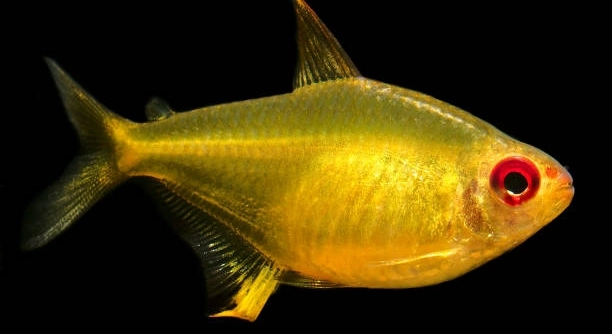
Are your Lemon Tetras struggling to swim in their tank despite appearing healthy? Observing their behavior can reveal subtle signs that the water current may be too strong for these delicate fish. Understanding these signs ensures their comfort.
Strong currents can cause Lemon Tetras to exhibit stress behaviors, reduced feeding, and erratic swimming patterns. Maintaining appropriate flow rates is essential, as excessive water movement can impair their physiological well-being and disrupt natural schooling behavior.
Identifying the signs of strong currents early allows you to make adjustments, creating a calmer environment that supports your Lemon Tetras’ health and natural behavior.
Signs of Fatigued Swimming
Lemon Tetras may appear exhausted when currents are too strong. You might notice them constantly fighting the water, struggling to stay in one area, or repeatedly darting to the tank corners. Their usual graceful movements become jerky or uneven. Over time, this constant effort can lead to fatigue and stress. Stress weakens their immune system, making them more susceptible to disease. Tetras often try to find calmer areas, lingering near plants, decorations, or the tank bottom. Even if they feed normally, the constant battle against the current drains their energy. Observing these changes early helps prevent long-term health issues. Small adjustments to flow rates, such as redirecting filters or adding tank decorations, can create pockets of calmer water where they can rest. Ensuring a balance in water movement supports both their physical health and natural schooling behavior. It is important to monitor their energy levels regularly to maintain a healthy aquarium environment.
Adjusting the current can prevent fatigue and promote a balanced environment for Lemon Tetras.
Watching them rest in calmer spots shows how much they benefit from moderate water flow.
Erratic Schooling Behavior
Erratic swimming patterns are a clear indicator that currents may be too strong for Lemon Tetras.
When the water flow is excessive, Tetras often break their usual tight school formation, scattering unpredictably. They may swim in circles, collide with tank decorations, or repeatedly switch directions. This disrupts their natural social behavior, as schooling provides both protection and a sense of security. Over time, continuous stress from strong currents can affect feeding habits, growth, and overall health. Tetras rely on synchronized swimming to communicate and maintain cohesion, and disturbances in schooling can be a silent warning sign. Observing their behavior during peak activity times, like feeding, can reveal how much the current impacts them. Minor adjustments, such as reducing filter output or adding more hiding spaces, can restore normal schooling behavior. Healthy schools indicate that Tetras feel secure and can move naturally, while scattered swimming shows the need for intervention to ensure their comfort and well-being over time.
Clinging to Decorations
Lemon Tetras often cling to plants or tank decorations when currents are too strong. This behavior helps them conserve energy and avoid being pushed around by the water flow.
Clinging indicates that the Tetras are struggling to maintain control in the tank. They may grip leaves, driftwood, or artificial plants, staying in one spot for long periods. This prevents them from swimming freely and can increase stress levels over time. Even active Tetras will spend more time holding onto surfaces than exploring the tank, which affects their natural behavior and interaction with other fish. Providing sheltered areas and adjusting water flow can reduce this behavior.
Constant clinging may also signal that the current disrupts their feeding patterns. Tetras may avoid open water where food is delivered, leading to uneven nutrition and competition within the school. Observing where they gather helps identify problem areas. Rearranging tank decorations strategically can break strong currents and give the fish calmer zones to rest, swim, and feed naturally, improving overall well-being and energy levels.
Rapid Gill Movement
Rapid gill movement is a common sign that Lemon Tetras are under stress from strong currents. They often breathe faster to compensate for the increased effort of swimming.
When currents push too strongly against Tetras, their gill rate accelerates, showing increased oxygen demand. This is a physiological response to higher energy expenditure while swimming. Over time, continuous strain can lead to fatigue, reduced immune function, and slower growth. Monitoring gill activity can reveal subtle signs of stress even before other behaviors appear.
Reducing filter strength or adding obstacles to slow water flow can help normalize breathing. Creating calmer pockets allows Tetras to rest, feed, and maintain proper oxygen levels without overexertion. Consistent observation and small adjustments ensure long-term health and comfort, letting them swim naturally while conserving energy for daily activities.
Hiding Constantly
Lemon Tetras may hide more than usual when currents are too strong. They seek shelter to avoid continuous swimming against the water flow.
Frequent hiding can indicate stress. The fish may stay behind plants or decorations for extended periods, reducing activity and social interaction.
Frayed Fins
Strong currents can cause Tetras’ fins to fray or appear damaged. The constant resistance and collisions with decorations wear down their delicate fins, impacting their appearance and swimming efficiency.
Loss of Appetite
Tetras often eat less when currents are too strong. Fighting the water flow tires them out, and they may skip meals, which can affect growth and overall health.
Staying Near the Bottom
When currents are intense, Lemon Tetras may stay close to the tank bottom. This helps them conserve energy and avoid being swept around the tank.
How can I tell if the current is too strong for my Lemon Tetras?
You can tell by observing their behavior closely. If your Tetras are constantly swimming against the water, clinging to plants, hiding excessively, or fraying their fins, the current is likely too strong. Rapid gill movement and scattered schooling are additional signs. Monitoring their energy levels and how often they rest in calmer areas will give you a clear indication.
What adjustments can I make to reduce strong currents?
Reducing the output of your filter or repositioning it can help. Adding tank decorations, plants, or driftwood creates natural barriers that slow water flow. You can also install a sponge filter or flow baffle to diffuse strong currents and provide calmer areas for your fish to rest.
Can strong currents affect feeding habits?
Yes. Tetras may avoid open water where food is delivered, leading to uneven feeding. Fighting the current tires them out, reducing appetite. Providing feeding zones in calmer pockets of the tank ensures they can eat comfortably without stress, promoting healthier growth and overall nutrition.
Are some tanks more prone to strong currents than others?
Yes, tanks with powerful filters or water pumps often generate stronger currents, especially in smaller tanks. Tank shape also matters; long, narrow tanks can create faster water flow along the length. Adjusting filter placement, reducing pump speed, or adding obstacles can help balance flow.
How does stress from strong currents affect Lemon Tetras long-term?
Chronic stress weakens the immune system, making Tetras more susceptible to disease. Fatigue from constant swimming reduces energy for feeding and growth. Behavioral changes, such as scattered schooling or hiding, can persist if the current is not adjusted. Consistently monitoring and managing flow is key to their long-term health.
Can Tetras adapt to strong currents over time?
They can adapt to a limited extent, but continuous strong currents still strain them physically and mentally. While some may learn to navigate the flow more efficiently, the stress and energy expenditure remain higher than in calmer conditions. Providing areas with reduced flow ensures a healthier balance.
Is there a specific flow rate recommended for Lemon Tetras?
Moderate flow is best. Tetras prefer gentle currents that allow natural swimming and schooling. Avoid high-speed filtration outputs or pumps that create turbulence. Introducing plants, decorations, or sponge filters can help maintain a flow rate that supports natural behavior while keeping water clean.
Will rearranging decorations help manage strong currents?
Yes, strategically placed plants, driftwood, and rocks break up fast-moving water. Creating calm zones near the bottom or corners lets Tetras rest and feed. Observing their movement patterns will guide where to place obstacles for maximum effect without restricting swimming space.
Can strong currents cause physical damage to Lemon Tetras?
Constant strong flow can fray fins, cause small injuries, and increase stress. Fish may repeatedly collide with tank decorations while trying to maintain position. Reducing flow and adding calmer areas protects their fins and reduces the risk of stress-related health issues.
How often should I monitor my tank’s current?
Regular monitoring is important, especially after installing new equipment or rearranging the tank. Observing fish behavior daily helps identify stress signs early. Check areas where currents are strongest and adjust filter placement or flow to maintain a balanced environment for healthy, active Tetras.
Lemon Tetras are small, delicate fish that thrive in calm to moderately flowing water. Observing their behavior is essential to ensuring their health and comfort. Strong currents can cause stress, fatigue, and changes in normal activity, making it harder for them to swim, feed, and interact naturally. When currents are too strong, Tetras may cling to decorations, hide constantly, or display rapid gill movements, all of which are clear signs of strain. Addressing these issues promptly can prevent long-term health problems and support their overall well-being. By carefully monitoring your tank, you can identify stress indicators early and create a more suitable environment that allows Lemon Tetras to behave as they naturally would.
Adjusting water flow is often straightforward and highly effective. Reducing filter output, repositioning pumps, or adding plants and driftwood to break the flow can create calmer areas for resting and feeding. Even small changes can make a significant difference in how comfortable your Tetras feel. Maintaining appropriate schooling behavior is also important, as scattered or erratic swimming indicates ongoing stress. By providing sheltered zones and pockets of gentle water, Tetras regain energy and can move freely without unnecessary effort. Consistency in observation and adjustments ensures that these small fish remain healthy and active while minimizing stress.
Understanding the effects of strong currents goes beyond physical health. Lemon Tetras experience stress both physically and mentally when constantly battling fast water. Providing a balanced environment supports natural behavior, energy conservation, and overall vitality. Paying attention to subtle signals, like hiding patterns, frayed fins, or reduced appetite, helps maintain a stable, thriving aquarium. Regular monitoring and mindful adjustments to water flow create an environment where these fish can swim naturally, feed efficiently, and exhibit typical social behaviors. Proper management of water currents ensures long-term well-being, making your tank a safe and comfortable home for Lemon Tetras.

Hello,
If you enjoy the content that we create, please consider saying a "Thank You!" by leaving a tip.
Every little bit helps us continue crafting quality advice that supports the health, happiness, and well-being of pets around the world, for pets of all shapes, sizes, and species.
We really appreciate the kindness and support that you show us!