
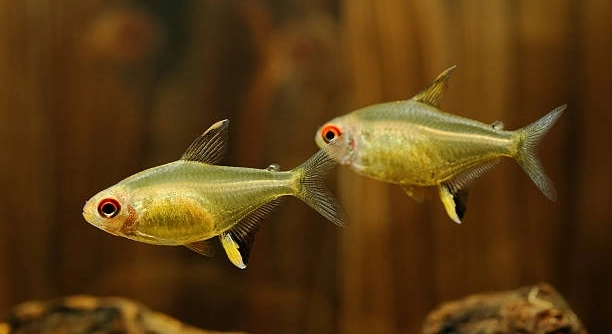
Lemon tetras are small, vibrant fish that brighten any aquarium. Their behavior can be fascinating, especially during their resting periods. Watching them sleep reveals unusual habits that many fish enthusiasts may not expect.
Lemon tetras exhibit several distinct behaviors while sleeping, including floating near the surface, hovering mid-water, resting at the bottom, twitching fins, changing color slightly, forming small groups, and occasionally making sudden quick movements. These behaviors reflect their natural instincts and environmental responses.
Observing these patterns provides insight into their comfort, health, and the subtle ways they interact with their surroundings while at rest.
Floating Near the Surface
Lemon tetras often float near the water’s surface when they sleep. This behavior can seem unusual because most fish rest at the bottom or in hidden spots. Floating closer to the top allows them to take in more oxygen while conserving energy. In community tanks, this habit can also help them stay alert to potential movements around the aquarium. It’s not a sign of stress if they appear calm and their breathing is steady. The slight tilt of their bodies while floating is normal, and their fins may move gently to maintain balance. Observing them like this can be quite soothing, as their small movements create a peaceful, almost hypnotic rhythm. Lighting in the tank may affect how high they float, with dimmer lights encouraging them to stay lower. Understanding this habit ensures that tank conditions, such as oxygen levels and temperature, are suitable for their resting behavior and overall health.
Floating near the surface is a natural resting behavior that allows lemon tetras to access oxygen efficiently while remaining alert to surroundings.
This floating habit can vary based on tank conditions, such as temperature, lighting, and oxygen levels. Keeping these factors stable helps your tetras feel safe and rest properly, maintaining their health and energy for active periods.
Hovering Mid-Water
Hovering mid-water is a common sleeping position for lemon tetras.
While resting in this position, they maintain balance using slight fin movements. This behavior may appear as if they are pausing in place, but it is an energy-saving strategy. Mid-water hovering allows them to quickly escape if there is sudden disturbance or predator presence in nature. It also keeps them visible to the rest of the school, providing a sense of security. Environmental factors, such as current strength and tank size, influence how often and how long they hover. This behavior is not linked to sickness or stress if the fish looks relaxed and displays regular breathing. Observing your tetras in this state can offer insight into their comfort level. Proper water conditions, including gentle flow, clear visibility, and balanced temperature, encourage this resting habit. Their subtle movements while hovering add to the gentle, calming atmosphere of the aquarium. Maintaining clean water and stable parameters ensures this behavior remains healthy and natural.
Resting at the Bottom
Lemon tetras sometimes sleep near the tank bottom. This position helps them feel safe, especially in larger tanks or when they want to avoid strong currents. They stay still, often blending with decorations or plants.
Resting at the bottom is a natural behavior for lemon tetras and indicates a need for security. They may tuck themselves close to rocks, plants, or substrate to feel protected. This behavior can also occur if the fish are slightly tired after active periods during the day. Unlike illness, healthy tetras in this position have steady breathing, normal coloration, and gentle fin movements. Environmental factors like dim lighting, minimal disturbances, and comfortable water temperature encourage this type of rest. Observing your tetras resting at the bottom shows that they feel safe and supported in their environment.
Some lemon tetras alternate between bottom resting and other positions, depending on their mood or surrounding activity. The bottom provides a reliable hiding place, and their subtle movements make them less noticeable to other fish. Ensuring the tank has sufficient hiding spots and stable water conditions helps support this behavior naturally. Watching them shift between positions can be quietly engaging and shows how they adapt to their environment while conserving energy.
Twitching Fins
Twitching fins is a common behavior seen while lemon tetras sleep. It is usually subtle and not a sign of distress.
Twitching can occur in response to small water movements or temperature changes. The fins make gentle, quick motions to maintain balance and orientation in the water. This behavior is more noticeable in smaller tanks where movements of other fish create currents. Occasional twitching is normal, especially during deep rest or light sleep phases. It does not affect overall health when the fish continues normal swimming and feeding patterns during active hours. Watching these tiny movements can be surprisingly entertaining and gives insight into their resting physiology.
Fins twitching can also indicate minor adjustments in their buoyancy or body position. Lemon tetras rely on small fin movements to stay aligned in the water column. This action helps them remain steady, especially in mid-water or near the surface. Consistent water quality, gentle filtration, and moderate lighting reduce stress-related twitching. While twitching is often harmless, observing for changes in frequency or intensity can help detect early signs of health issues. These subtle fin movements highlight the delicate balance tetras maintain while sleeping, showing their body’s natural adaptability to their surroundings.
Changing Color Slightly
Lemon tetras sometimes show a slight color change while sleeping. Their bodies may appear paler or less vibrant, which is a natural way to conserve energy and blend with the surroundings.
This color shift is normal and usually temporary. Once they become active again, their bright yellow hues return. It is a sign of relaxation rather than illness, as long as other behaviors remain typical and there are no signs of distress or disease.
Forming Small Groups
Lemon tetras often sleep close together in small groups. Staying near each other provides a sense of safety and comfort. Schooling helps reduce stress and allows them to respond quickly if any disturbance occurs in the tank.
Sudden Quick Movements
Occasionally, lemon tetras make sudden quick movements while resting. These are brief bursts, often caused by minor water vibrations or instinctual reactions. It does not indicate a problem if they return to a calm state immediately.
Comfort and Rest
Ensuring stable water conditions, gentle lighting, and hiding spots supports healthy sleeping behaviors. Lemon tetras thrive when they feel safe and undisturbed during rest periods.
FAQ
Why do lemon tetras sometimes float at the surface while sleeping?
Floating at the surface allows lemon tetras to access oxygen efficiently and remain alert. It is a natural behavior and often happens in tanks with good oxygenation. This position helps them conserve energy while staying ready to react if something disturbs their environment.
Is it normal for lemon tetras to hover mid-water when resting?
Yes, hovering mid-water is a common sleeping position. They use small fin movements to maintain balance and remain in place. This behavior provides a safe vantage point, keeps them near their school, and helps them react quickly to changes in their surroundings.
Why do they rest at the bottom sometimes?
Resting at the bottom provides a sense of security. Lemon tetras often tuck themselves near plants, rocks, or other decorations to feel protected. This position is more common in larger tanks or when the fish want to avoid strong currents.
What does twitching fins during sleep mean?
Twitching fins is generally harmless. It helps lemon tetras adjust their balance or respond to minor water currents. Occasional twitching is normal during light sleep phases, especially in smaller tanks where other fish movements affect water flow.
Why do lemon tetras change color slightly while sleeping?
A slight color change is normal and indicates relaxation. Their hues may become paler while resting, conserving energy and blending with their environment. Once awake, their bright yellow colors return. Persistent dullness may indicate stress or poor water conditions.
Do lemon tetras sleep in groups?
Yes, they often form small groups while sleeping. This behavior provides safety and comfort. Being near each other reduces stress and allows them to react quickly if any disturbance occurs. Group resting is common in healthy, well-fed tetras.
What causes sudden quick movements during sleep?
Sudden quick movements are instinctual reactions to minor water vibrations or environmental changes. These brief bursts are normal as long as the fish settle back into a calm state. Frequent, violent movements could indicate stress or health issues.
How can I create the best sleeping environment for lemon tetras?
Provide stable water conditions with appropriate temperature and pH. Gentle lighting and hiding spots encourage natural sleeping behaviors. Avoid frequent disturbances during rest periods. A quiet, clean tank helps tetras feel safe and promotes healthy sleep patterns.
Can lemon tetras get stressed while sleeping?
Yes, stress can occur if there are strong currents, sudden loud noises, or aggressive tank mates. Indicators include unusual positions, frantic swimming, or persistent color changes. Ensuring a calm environment and stable water parameters reduces stress and supports natural rest.
How long do lemon tetras sleep each day?
Lemon tetras typically rest several hours daily, often at night or in low-light conditions. Sleep patterns vary based on tank lighting, feeding schedules, and activity levels. They may alternate between floating, hovering, or bottom resting throughout their rest periods.
Is it harmful if they sleep in unusual positions?
Unusual positions are usually harmless if the fish appear relaxed, breathe normally, and show no signs of illness. Resting behaviors vary depending on tank conditions, personal comfort, and instinctual responses. Sudden or constant abnormal positions may need observation for potential health concerns.
Do tank conditions affect sleeping habits?
Absolutely. Water quality, lighting, temperature, and tank layout all influence how lemon tetras rest. Stable conditions with hiding spaces encourage natural sleeping behaviors, while fluctuating or poor conditions can disrupt rest, stress the fish, or trigger abnormal behaviors.
How can I tell if my tetra’s sleep behavior is healthy?
Healthy sleep involves calm, steady breathing, normal color, gentle fin movements, and occasional minor adjustments like twitching. Regularly observing their patterns helps distinguish between normal resting behaviors and signs of stress, illness, or environmental discomfort.
Are there any signs of illness during sleep?
Signs of illness may include constant lethargy, rapid gill movement, clamped fins, persistent pale coloration, or erratic movements. If these occur during rest periods, it may indicate water quality issues, nutritional deficiencies, or disease that should be addressed promptly.
Do lemon tetras need complete darkness to sleep?
Complete darkness is not necessary, but dim lighting helps simulate natural conditions and supports regular sleep cycles. Gradually lowering light in the evening encourages rest and reduces stress, while abrupt changes may disturb their natural patterns.
How often should I check on them during sleep?
Occasional observation is fine, but frequent disturbances can stress the fish. Watching calmly from outside the tank ensures their environment remains stable and their sleep is undisturbed, helping maintain overall health and wellbeing.
Can sleeping behaviors indicate social dynamics?
Yes, lemon tetras’ positions and grouping patterns can reflect hierarchy, comfort levels, or compatibility within the school. Observing sleeping arrangements can help identify dominant or timid individuals and adjust tank conditions for a more balanced environment.
Do lemon tetras dream?
Fish do not dream in the way mammals do, but they experience rest cycles with light activity and fin movements. These periods allow their bodies to conserve energy and respond instinctively to environmental changes.
How do I know if a new tetra is adjusting to the tank?
Watch for resting behaviors. New tetras may hide more, rest at the bottom, or change color slightly while acclimating. Over time, they should adopt normal sleeping patterns like hovering, floating, and group resting, signaling comfort and adaptation.
Can lemon tetras sleep during the day?
Yes, they can rest during the day, especially if the tank is dim or they feel safe. Daytime rest is typically shorter and may involve mid-water hovering or bottom resting, depending on their comfort and environmental conditions.
What should I do if sleep behaviors change suddenly?
Monitor water quality, lighting, and tank mates. Sudden changes can indicate stress, illness, or environmental shifts. Observing feeding behavior, coloration, and activity levels helps identify whether the cause is temporary or requires corrective action.
How important is a proper tank setup for sleep?
Tank layout, plants, decorations, and hiding spots directly impact sleep quality. A well-structured environment reduces stress, supports natural behaviors, and allows tetras to rest safely in their preferred positions. Proper setup is essential for long-term health and wellbeing.
Can multiple factors affect sleep simultaneously?
Yes, water quality, lighting, tank size, and social dynamics all interact. Addressing only one factor may not resolve issues, so maintaining balanced conditions and observing fish behavior together ensures optimal rest and reduces stress.
Are there benefits to observing sleeping behaviors?
Observing sleeping behaviors helps understand comfort, health, and interactions within the school. It provides early insight into potential problems and allows adjustments to water quality, lighting, or tank structure to support natural rest patterns.
Do lemon tetras respond to sounds or vibrations while sleeping?
Yes, they may make quick movements in response to subtle vibrations or noises. While minor reactions are normal, consistent disturbance can stress the fish, so keeping a calm environment is essential for healthy sleep.
How do feeding schedules affect sleep?
Regular feeding helps maintain energy and predictable sleep patterns. Feeding too late or inconsistently may alter resting behaviors, leading to unusual positions or increased movement during rest periods. Consistent schedules support calm and natural sleep cycles.
Can lighting color influence sleep behaviors?
Yes, softer and dimmer lighting encourages resting positions like bottom resting or hovering. Bright or harsh lighting may disturb sleep and cause the tetras to seek hiding spots more frequently, affecting their natural rest patterns.
Are older tetras’ sleeping behaviors different from younger ones?
Older tetras may rest longer or prefer calmer, lower positions, while younger fish are more active and may hover mid-water or float near the surface. Age-related changes are normal and reflect energy levels and comfort preferences.
Do seasonal changes in light affect sleep?
Yes, changes in daylight length or artificial lighting schedules can influence activity and rest. Adjusting tank lighting gradually helps maintain consistent sleeping habits, supporting overall health and reducing stress.
Is it normal for tetras to change sleep patterns suddenly?
Minor adjustments are normal, often due to environmental changes or tank dynamics. Sudden, prolonged, or extreme shifts may indicate stress, illness, or poor water conditions, requiring observation and potential intervention to restore balance.
Can tank mates disrupt sleeping behaviors?
Yes, aggressive or overly active fish may disturb resting tetras. Providing hiding spots and ensuring compatible species reduces disruptions and supports natural sleeping positions, especially for more timid individuals.
How can I monitor sleep without stressing the fish?
Observe quietly from outside the tank. Avoid tapping, moving the tank, or sudden light changes. Gentle, regular observation helps track resting behaviors and health without causing unnecessary stress or disturbance.
Do tetras sleep more in a group or alone?
They usually sleep better in small groups, feeling safer near others. Solitary sleeping is rare and may indicate stress or an unsettled environment. Group sleeping promotes comfort and stability for the entire school.
Are there any unusual sleep behaviors that indicate serious issues?
Persistent clamped fins, constant pale coloration, rapid breathing, or frantic movements during rest may signal illness or poor water conditions. Timely intervention can prevent worsening health problems and restore normal resting behaviors.
How often should I clean the tank to support sleep?
Regular cleaning maintains water quality and reduces stress. Removing debris, performing partial water changes, and monitoring parameters like ammonia, nitrite, and nitrate help lemon tetras rest calmly and safely.
Can decorations influence sleeping habits?
Yes, plants, rocks, and hiding spots provide security and preferred resting areas. A well-decorated tank encourages natural positions like bottom resting, mid-water hovering, and group formations, supporting healthy sleep patterns.
Do sleeping behaviors differ between male and female tetras?
Differences are minor. Both sexes exhibit similar resting positions, fin movements, and color changes. Individual personality, energy level, and comfort have a greater impact on sleep than gender.
Are quick movements during sleep ever dangerous?
Occasional minor movements are harmless. However, violent or continuous bursts may indicate stress, injury, or water quality issues. Monitoring for additional signs of distress ensures prompt attention if needed.
Can temperature fluctuations affect sleep?
Yes, sudden changes can disrupt resting behaviors. Stable temperature encourages consistent positions and reduces stress, while fluctuations may cause increased movement, unusual positions, or hiding behaviors.
Do tetras need special lighting schedules for healthy sleep?
A consistent day-night cycle with gradual light changes supports natural rest. Timed lighting helps regulate energy, activity, and sleeping positions, promoting overall health and wellbeing.
Is observing sleeping behavior enough to assess health?
Observing sleep is helpful but should be combined with monitoring feeding, activity, coloration, and interactions. Consistency across these factors gives a clearer picture of overall health and comfort.
How long should I watch them before noticing patterns?
A few days of calm observation usually reveal normal sleep habits. Tracking behavior over time helps identify patterns, changes, or potential concerns without causing disturbance.
Do tetras respond differently to artificial vs natural light?
Yes, natural light may encourage more natural sleep patterns, while artificial light intensity and spectrum can influence resting positions. Gradual changes and dimming simulate a more natural cycle.
Can overcrowding affect sleep?
Yes, overcrowding can cause stress, competition for space, and disrupted resting behaviors. Providing enough space, hiding spots, and balanced school sizes supports calm and healthy sleep patterns.
Do lemon tetras ever sleep while feeding?
Not exactly. They may rest between meals or pause briefly, but active feeding is separate from sleep. Adequate nutrition supports energy balance and regular sleep cycles.
Are there differences in sleep between wild-caught and captive-bred tetras?
Wild-caught fish may exhibit more cautious resting behaviors, while captive-bred tetras are often more relaxed. Environmental familiarity and tank stability influence these differences more than origin alone.
Can water current affect resting positions?
Yes, strong currents may force tetras to hover in certain positions or rest near protected areas. Gentle, stable flow allows natural sleeping behaviors like floating, hovering, and bottom resting.
Do tetras ever sleep in unusual parts of the tank?
Yes, occasionally they may choose open areas or corners depending on perceived safety, comfort, or social dynamics. Providing varied environments encourages natural choice and reduces stress.
Can I tell if they are dreaming?
Fish do not dream like mammals, but their light sleep phases, fin movements, and occasional twitching allow energy conservation and instinctual responses, mimicking aspects of rest and neural activity.
Are there any long-term effects of poor sleeping conditions?
Chronic stress from poor sleep environments can reduce immunity, growth, and activity levels. Ensuring proper tank conditions, calm surroundings, and appropriate lighting supports long-term health.
How do I help a new tetra adjust to sleeping patterns?
Provide hiding spots, stable water parameters, and gentle lighting. Limit disturbances and observe quietly. Over time, new tetras adopt normal positions like floating, hovering, and bottom resting, indicating comfort and adaptation.
Can sleeping behavior indicate mood?
Yes, relaxed positions, smooth fin movements, and group formation reflect comfort and security, while erratic movements, hiding, or unusual positions may indicate stress or discomfort.
Do tank mates influence color changes during sleep?
Yes, the presence of other fish can impact stress levels, which may cause temporary color changes while resting. Calm and compatible companions support natural coloration and healthy sleep.
Is it normal for tetras to switch sleeping positions frequently?
Yes, alternating between floating, hovering, or bottom resting is common. Position changes reflect comfort, energy levels, and environmental cues, and are a normal part of healthy rest behavior.
Can I train them to sleep in a certain area?
Not exactly. Providing preferred lighting, gentle currents, and hiding spots encourages natural resting positions. Over time, they may choose consistent areas voluntarily, but forcing positions is unnecessary and stressful.
Are there signs of aging in sleep behavior?
Older tetras may rest longer, prefer calmer spots, and show slower fin movements. These changes are normal and reflect reduced activity levels and energy requirements.
How does diet affect sleep?
A balanced diet supports energy levels and consistent sleep cycles. Overfeeding or underfeeding can disrupt rest, causing unusual positions, twitching, or increased movement during sleep periods.
Can plants or decorations encourage natural positions?
Yes, providing vertical plants, rocks, and sheltered areas supports hovering, bottom resting, and group formations. This creates a secure environment, allowing tetras to sleep naturally and comfortably.
Do water chemistry changes influence fin twitching?
Yes, fluctuations in pH, ammonia, nitrites, or nitrates can increase minor movements or twitching during rest. Maintaining stable water chemistry helps reduce stress and supports normal sleeping behaviors.
Is it normal for tetras to wake frequently at night?
Occasional brief awakenings are natural, especially in response to vibrations or light changes. Frequent disruptions, however, may indicate stress or environmental issues that should be addressed.
Do lemon tetras have preferred sleeping partners?
They often form small groups with familiar tank mates. Comfort and safety influence choice, though schools are fluid, and tetras may shift positions depending on perceived security and social interactions.
Can sudden changes in temperature or lighting cause unusual behaviors?
Yes, abrupt changes can trigger quick movements, hiding, or unusual positions. Gradual adjustments help tetras maintain normal rest and reduce stress-related reactions.
How long should lemon tetras rest each night?
They typically rest several hours in a low-light environment. Individual patterns vary depending on age, activity, and tank conditions, but consistent nightly rest is important for overall health.
Do tetras sleep differently in large vs small tanks?
In larger tanks, they may rest more at the bottom or hover mid-water, while smaller tanks may encourage surface floating. Space and hiding options influence their resting choices.
Is it normal for tetras to sleep near filtration outlets?
Yes, they may choose areas near mild currents for oxygen access. Strong currents should be avoided, but gentle flow near outlets can support natural positioning during rest.
Can stress disrupt normal color changes during sleep?
Yes, stressed tetras may remain paler, show clamped fins, or adopt unusual positions. Stable water parameters, compatible tank mates, and calm surroundings promote natural coloration and rest.
Do lemon tetras ever close their eyes while sleeping?
No, fish lack eyelids, so their eyes remain open. They rest by reducing activity, fin movement, and responsiveness to stimuli rather than closing their eyes.
Can observing sleep help detect illness early?
Yes, changes in resting positions, fin movement, color, or breathing can indicate potential problems. Early observation allows intervention and helps maintain long-term health.
Do they sleep differently in planted vs bare tanks?
Planted tanks offer hiding spots and security, encouraging bottom resting and hovering. Bare tanks may cause floating near the surface or more vigilant positions due to perceived vulnerability.
Is it normal for tetras to curl slightly while resting?
Yes, slight curling or tilting while floating or hovering is natural. It helps balance and conserve energy and is usually harmless as long as breathing and fin movement remain normal.
Can tank noise affect sleep?
Yes, sudden vibrations or loud noises can trigger quick movements. Minimizing external disturbances helps maintain calm resting behaviors and reduces stress.
Do lemon tetras ever sleep completely still?
They rarely remain perfectly motionless. Subtle fin movements, small adjustments, and occasional twitching help maintain balance and orientation even during deep rest.
How do I encourage natural sleep patterns?
Maintain stable water parameters, provide hiding spots, regulate lighting cycles, and reduce disturbances. These factors support natural positions, energy conservation, and healthy sleeping behaviors.
Do tetras show different sleep behaviors when sick?
Yes, illness may cause clamped fins, pale coloration, lethargy, erratic movements, or abnormal positions. Monitoring sleep alongside feeding and activity helps detect health issues early.
Can water temperature drops cause sudden movements?
Yes, rapid cooling may trigger twitching, floating, or darting. Gradual temperature adjustments prevent stress and allow tetras to rest safely in preferred positions.
Is it normal for tetras to hover in open water while sleeping?
Yes, hovering in mid-water provides safety through visibility and readiness to respond. It is a natural resting strategy, especially in well-maintained tanks with stable conditions.
Can sleep behavior indicate compatibility with tank mates?
Yes, tetras that sleep comfortably near others indicate harmony, while isolated or stressed positions may reflect conflicts or incompatibility, guiding adjustments to tank arrangements.
Do lemon tetras sleep differently when alone?
Alone, they may rest more cautiously, often at the bottom or near hiding spots. Group presence provides security and encourages more relaxed positions like floating and mid-water hovering.
How often should I observe sleep patterns for health monitoring?
Daily or every few days is sufficient. Consistent observation helps identify changes in position, color, or fin movement without causing stress, allowing timely adjustments to tank conditions.
**Can sudden lighting changes disturb
Lemon tetras are small, delicate fish with fascinating behaviors, especially when they sleep. Observing their resting habits can teach a lot about their comfort and health in the aquarium. They exhibit a variety of positions, such as floating near the surface, hovering mid-water, or resting at the bottom. Each position serves a purpose, helping them conserve energy, stay alert, or feel safe. Some tetras may form small groups while resting, which provides a sense of security and reduces stress. Others may twitch their fins or make slight movements as part of their natural sleep process. These behaviors are normal and reflect the fish’s instinctual ways of coping with their surroundings while still at rest.
Color changes during sleep are also common. Lemon tetras may appear slightly paler or less vibrant while resting, which helps them blend with their environment and conserve energy. Once awake, their bright yellow hues return. These subtle shifts in color are not a sign of illness unless accompanied by other unusual behaviors, such as rapid gill movement, clamped fins, or lethargy during active periods. Environmental factors, including water quality, temperature, and lighting, influence these behaviors. Maintaining a stable and clean tank encourages natural resting patterns and supports overall health. Watching these patterns over time provides insight into each fish’s comfort level and helps identify early signs of stress or environmental problems.
Creating a proper environment is key to healthy sleep behaviors. Gentle lighting, hiding spots, and consistent water parameters allow lemon tetras to rest comfortably. Sudden changes in light, temperature, or tank activity can disturb their sleep and increase stress. Overcrowding or aggressive tank mates may also impact resting patterns, while a well-arranged, spacious tank encourages natural positions and group sleeping behaviors. Observing their sleep without disturbing them helps track overall well-being. Over time, understanding these subtle behaviors becomes easier, allowing adjustments to tank setup, lighting, and care routines. By paying attention to how lemon tetras rest, it is possible to provide an environment where they feel secure, healthy, and comfortable every day.

Hello,
If you enjoy the content that we create, please consider saying a "Thank You!" by leaving a tip.
Every little bit helps us continue crafting quality advice that supports the health, happiness, and well-being of pets around the world, for pets of all shapes, sizes, and species.
We really appreciate the kindness and support that you show us!