
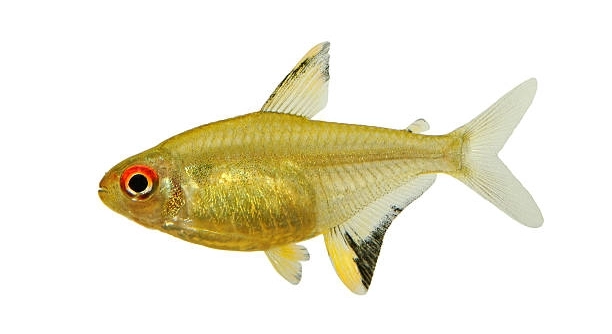
Many arowana owners enjoy watching their fish glide gracefully across the tank. Sometimes, however, the fish may appear unusually still, floating in one spot for long periods, which can be unsettling for those unfamiliar with this behavior.
Arowanas that float for hours often experience swim bladder issues or stress-related conditions. These problems can affect their buoyancy, leading to prolonged periods of inactivity, and require careful observation and proper tank management to prevent further health complications.
Understanding the reasons behind this unusual floating can help you take steps to protect your fish’s health and maintain a stable, comfortable environment in your aquarium.
Common Causes of Arowana Floating
Arowanas can float for long periods due to several issues, the most frequent being swim bladder problems. The swim bladder is an internal organ that helps the fish maintain balance and control buoyancy. If it becomes affected by infection, injury, or dietary problems, the fish may struggle to stay upright. Overfeeding or feeding inappropriate foods can lead to constipation, which puts pressure on the swim bladder and affects its function. Water quality is another significant factor. Poor conditions, including high ammonia, nitrite, or nitrate levels, can stress the fish and affect its ability to swim properly. Temperature fluctuations also play a role, as sudden changes can make the fish sluggish or disrupt its internal systems. Even handling the fish too much or sudden tank disturbances can result in temporary floating. Observing the fish’s behavior and maintaining a clean, stable tank environment can prevent or reduce these incidents.
Monitoring water parameters regularly and adjusting feeding routines can reduce swim bladder issues and help the fish regain normal buoyancy.
Addressing floating issues starts with a careful review of daily care. Begin by checking water temperature, pH, and chemical levels to ensure stability. Next, adjust feeding habits, offering smaller meals and including easily digestible foods. Observe the fish’s behavior for signs of lethargy, loss of appetite, or abnormal swimming patterns. In cases of constipation, fasting for a day or two or providing a diet of boiled peas can relieve pressure on the swim bladder. Tank setup matters too; ensure there is enough space for free movement, and avoid overcrowding. Even minor injuries or stress from sudden movements can exacerbate floating. If symptoms persist, consulting a veterinarian who specializes in fish health can provide guidance on treatment options. Preventive measures, such as gradual water changes, stable feeding schedules, and careful monitoring, are key to supporting the fish’s long-term buoyancy and well-being.
Observing Behavioral Changes
Watching your arowana’s movement and reactions is crucial. Changes in swimming patterns or appetite can indicate underlying health concerns.
Behavioral shifts are often subtle at first. A fish that usually glides steadily may begin tilting, drifting, or resting near the surface for extended periods. These signs can point to swim bladder disorders, stress, or even internal infections. Take note of interactions with tank mates; aggression or avoidance may suggest discomfort. Monitoring how the fish responds to feeding and environmental adjustments can reveal progress or worsening conditions. By recording these observations, you can better determine if interventions like dietary changes, water parameter adjustments, or medical treatment are necessary. Behavioral awareness allows for timely action, reducing the likelihood of prolonged floating and potential complications. Establishing a routine of consistent observation ensures that minor issues are caught before they escalate, supporting a healthier and more stable environment for your arowana.
Adjusting Diet and Feeding Habits
Overfeeding is a common reason arowanas float unnaturally. Feeding smaller portions more frequently helps prevent constipation and reduces pressure on the swim bladder.
Switching to a diet of high-quality pellets and occasional live or frozen food can improve digestion. Avoid foods that are too large or difficult to swallow, as they can block the digestive tract. Introducing fiber-rich options like boiled peas occasionally helps clear the system. Observing how your arowana responds to these dietary changes is important. Gradual adjustments prevent stress and encourage natural feeding behavior, supporting overall buoyancy and reducing floating episodes.
Feeding schedules should be consistent, avoiding sudden changes in portion size or type of food. Combining smaller, frequent meals with proper hydration and occasional fasting can regulate digestion and ease swim bladder stress. Consistent monitoring ensures the fish maintains healthy weight, normal activity, and upright swimming patterns.
Tank Environment and Water Quality
Maintaining stable water parameters is essential for arowana health. Regular testing of ammonia, nitrite, nitrate, and pH keeps conditions safe and consistent.
Proper filtration and regular water changes reduce harmful buildup that can stress fish. Temperature consistency is equally important, as fluctuations can affect metabolism and buoyancy. Adding plants or hiding spots can decrease stress and create a more natural environment. Tank size matters too; overcrowded tanks increase stress and may worsen floating issues. Observing fish behavior after changes in water quality or tank setup can help identify triggers. Regular cleaning of substrate and decorations prevents harmful bacteria from affecting swim bladder function. Maintaining oxygen levels and avoiding sudden chemical changes are crucial. A calm, well-maintained environment supports the fish’s health and encourages normal swimming patterns, reducing extended floating incidents.
Signs of Swim Bladder Issues
Floating at the surface or tilting to one side are common indicators. Loss of appetite and lethargy often accompany these physical signs.
Bloating or unusual body shape can also signal swim bladder problems. Early detection allows for dietary adjustments, water quality improvements, or medical intervention before the condition worsens.
Stress Factors
Sudden movements, loud noises, or frequent tank disturbances can stress arowanas. Stress impacts digestion and buoyancy, leading to prolonged floating. Maintaining a calm environment and minimizing handling helps the fish feel secure and promotes normal swimming patterns.
When to Seek Veterinary Help
Persistent floating, loss of appetite, or signs of infection indicate it may be time for professional care. Early intervention can prevent long-term health issues.
Preventive Measures
Regular tank maintenance, stable feeding schedules, and careful observation reduce risks of swim bladder and floating problems in arowanas.
FAQ
Why does my arowana float at the surface for hours?
This usually happens because of swim bladder problems or stress. Overfeeding, constipation, poor water quality, or sudden temperature changes can affect buoyancy. When the swim bladder cannot function properly, the fish struggles to maintain balance and floats for long periods.
Can diet alone fix floating issues?
Sometimes diet adjustments help, especially if constipation is causing swim bladder pressure. Feeding smaller portions, providing easily digestible foods, and adding fiber like boiled peas can relieve bloating. Consistency in feeding schedules is key to preventing recurrence.
How often should I test my tank water?
Testing water weekly is recommended. Check ammonia, nitrite, nitrate, and pH levels. Consistent monitoring prevents conditions that stress your arowana, which can contribute to floating. Keeping water stable reduces health risks and supports proper buoyancy.
Is water temperature a major factor?
Yes. Arowanas are sensitive to sudden temperature changes. Maintaining a stable, species-appropriate temperature helps regulate metabolism and buoyancy. Drastic fluctuations can slow digestion, cause stress, and worsen floating behavior.
Will floating always mean a health problem?
Not always. Occasional resting near the surface can be normal, especially after feeding. However, if floating lasts for hours and is accompanied by abnormal swimming, tilting, or loss of appetite, it indicates an underlying issue that needs attention.
Can tank setup affect floating?
Absolutely. Crowded tanks, strong currents, or lack of hiding spaces can stress the fish. Stress affects digestion and swim bladder function. Providing ample space, gentle water flow, and hiding areas can improve swimming behavior and reduce floating.
Should I fast my arowana to help with floating?
Occasional fasting, usually for one to two days, can help relieve constipation affecting the swim bladder. This should be combined with proper feeding afterward. Overuse of fasting can lead to nutritional deficiencies, so balance is important.
When should I see a vet?
If floating persists despite proper diet, water quality, and stress reduction, a veterinarian specializing in fish is necessary. Persistent buoyancy problems may indicate infection, injury, or internal organ issues that require professional treatment.
Are there medications for swim bladder problems?
Yes, some treatments target bacterial infections affecting the swim bladder. However, medication should only be used under guidance from a qualified vet. Misuse can harm the fish or disrupt tank balance. Observation and water management are often the first steps.
Can I prevent floating completely?
Prevention involves consistent care: proper feeding, stable water parameters, regular cleaning, and minimal stress. While occasional floating may occur, these measures reduce frequency and severity, keeping your arowana healthier and more active.
How long does it take for an arowana to recover?
Recovery depends on the cause. Diet-related issues may resolve in a few days, while stress or illness-related problems can take weeks. Prompt identification of the cause and careful care speed up recovery. Consistent observation ensures proper progress.
Is floating more common in young arowanas?
Yes, younger fish are more sensitive to dietary mistakes, water changes, and stress. Their swim bladder and internal systems are still developing, so careful monitoring is essential during early stages. Providing a stable environment encourages normal growth and buoyancy.
Does tank size matter?
Arowanas need large tanks to swim freely. Small or overcrowded tanks can cause stress, poor water quality, and swimming difficulties. Adequate space supports exercise, digestion, and swim bladder health, reducing floating episodes and encouraging natural movement.
Can floating lead to other health issues?
If prolonged, floating can increase stress, weaken the immune system, and make the fish more prone to infection. Supporting swim bladder function, reducing stress, and maintaining clean water help prevent secondary health problems associated with buoyancy issues.
What are early signs of swim bladder problems?
Early signs include slight tilting while swimming, occasional drifting, bloating, or slower response to food. Catching these early allows for dietary adjustments, water improvements, and observation before severe floating develops, preventing long-term health concerns.
Can I use salt to help floating?
Adding small amounts of aquarium salt can reduce stress and support osmoregulation, but it is not a cure for swim bladder problems. Use caution, as excessive salt can harm the fish and disrupt tank balance. Always follow recommended guidelines.
Are live foods better than pellets?
Both can be used effectively. Live foods offer enrichment and protein, while high-quality pellets ensure balanced nutrition. Avoid overfeeding or providing large, difficult-to-swallow prey, which can worsen constipation and swim bladder stress. A mix of both is often ideal.
Will floating affect growth?
Prolonged buoyancy issues can slow growth if the fish is stressed or eating less. Addressing diet, water quality, and environment helps maintain normal growth rates and ensures the fish develops healthily while swimming properly.
How can I make observation easier?
Regular, quiet observation during feeding and at different times of day helps identify floating or tilting early. Note changes in appetite, swimming, and body shape. Keeping a simple log can track patterns and highlight issues needing attention.
Are there long-term solutions for recurring floating?
Long-term management includes consistent feeding routines, stable water conditions, appropriate tank size, and stress reduction. Early intervention at the first signs of floating prevents chronic problems and supports the fish’s long-term health and swimming ability.
This FAQ covers the most common concerns about arowanas floating for extended periods, providing practical steps and preventive care strategies for maintaining healthy, balanced fish.
Final Thoughts
Watching an arowana float for long periods can be worrying. It is not always a sign of a serious problem, but it is a signal that something in the tank or the fish’s routine may need attention. Swim bladder issues, diet, water quality, and stress are the main factors that affect buoyancy. By understanding these causes, you can take steps to reduce floating and support your fish’s overall health. Paying attention to behavior and patterns over time is important. Early detection of problems often leads to faster and more effective solutions, helping your arowana return to normal swimming habits.
Consistent care is key to preventing prolonged floating. Feeding smaller, more manageable portions, providing a balanced diet, and avoiding overfeeding help keep the digestive system functioning well. Maintaining stable water parameters, regular cleaning, and a suitable tank environment reduces stress and supports the swim bladder. Observation plays a big role in long-term health. Noticing subtle changes in swimming, appetite, or body shape can alert you to potential issues before they become severe. Even small adjustments in feeding schedules, water temperature, or tank layout can make a significant difference in the fish’s buoyancy and comfort.
While floating may be alarming at first, it is often manageable with proper care. Regular monitoring, preventive practices, and timely intervention can help maintain a healthy arowana. In cases where floating persists despite these efforts, consulting a veterinarian specializing in fish can provide guidance on treatment options. By addressing both environmental and dietary factors, you create conditions for the fish to swim naturally and thrive. With patience, consistency, and careful attention, your arowana can regain normal buoyancy and continue to move gracefully through its tank. Proper care and awareness are essential to support its long-term well-being.

Hello,
If you enjoy the content that we create, please consider saying a "Thank You!" by leaving a tip.
Every little bit helps us continue crafting quality advice that supports the health, happiness, and well-being of pets around the world, for pets of all shapes, sizes, and species.
We really appreciate the kindness and support that you show us!