
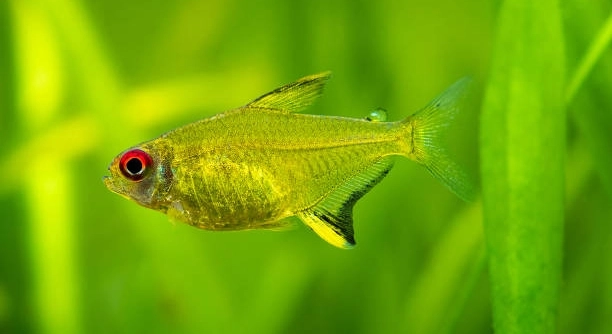
Keeping a community of tetras can be rewarding, but it requires careful planning. Mixing different species means observing behaviors, water preferences, and tank conditions to maintain harmony. Small missteps can lead to stress or conflict among fish.
When mixing tetra species, it is essential to monitor water parameters, tank size, species compatibility, feeding routines, and social dynamics. Observing aggression levels and environmental stressors ensures a balanced, healthy aquarium that supports the well-being of all inhabitants.
Proper planning and awareness can prevent unnecessary problems in your tank. Each tetra species has unique needs that influence their interactions and overall health.
Choosing Compatible Species
Selecting the right tetras for a community tank starts with understanding their temperaments and environmental needs. Some tetras, like neon tetras, are peaceful and prefer small schools, while others, like serpae tetras, can show aggression if kept in insufficient numbers. Matching species with similar water requirements helps reduce stress and promotes healthy behavior. Pay attention to adult sizes, swimming patterns, and activity levels to ensure harmony. Avoid mixing very active species with slower ones, as this can create tension. Researching compatibility charts and observing behavior in stores or online can provide useful insight. Always plan for at least six individuals of each species to maintain natural schooling behavior, which helps reduce stress and prevents aggressive interactions. Tank décor and hiding spaces also play a role in minimizing territorial disputes. By carefully choosing compatible species, you can create a vibrant and balanced tetra community that thrives in the same environment. Proper preparation upfront makes daily care easier.
A well-planned mix reduces aggression and ensures all fish remain healthy. Proper research simplifies the process and prevents unexpected issues in the tank.
Even with compatible species, monitoring interactions is key. Some tetras may show dominance or chase others initially. Adding plants, rocks, or driftwood provides safe spaces and encourages natural hiding behavior. Feeding multiple spots reduces competition and ensures all fish get adequate nutrition. Maintaining stable water parameters prevents stress-related illness, which can worsen conflicts. Regular observation allows early intervention if aggression arises. Adjusting group sizes or rearranging décor can help balance social dynamics. Over time, fish often settle into their established roles within the school, creating a calmer, more visually appealing tank. The goal is a peaceful environment where each tetra can swim comfortably, interact naturally, and display vibrant colors. Observing their behavior daily is both informative and rewarding, and it helps ensure long-term success for your mixed-species aquarium.
Monitoring Water Quality
Water quality directly affects tetra health and behavior. Poor conditions can trigger aggression, illness, and stunted growth. Regular testing for pH, ammonia, nitrite, and nitrate levels keeps the tank safe.
Stable water parameters help tetras thrive and reduce stress-related issues. Consistent maintenance prevents sudden changes that may cause disease or fighting.
Keeping a mixed tetra tank requires attention to filtration, temperature, and chemical balance. Tetras are sensitive to fluctuations, and sudden shifts can impact their immune system. High ammonia or nitrite levels are toxic and can quickly harm the entire community. Maintaining a regular water-change schedule is essential, ideally replacing 20–25% weekly, while carefully conditioning new water to match tank parameters. Proper filtration prevents waste buildup, and gentle water flow keeps fish comfortable. Using test kits allows early detection of imbalances, letting you take corrective action before serious problems arise. Even minor fluctuations can cause stress, which may trigger aggression, loss of appetite, or color fading. Monitoring and maintaining water quality ensures a healthy, peaceful environment where all tetra species can coexist, swim actively, and display their best natural behavior. It also simplifies long-term care and minimizes sudden health issues.
Feeding Strategies
Feeding multiple species together requires attention to diet and portion control. Some tetras eat flakes, while others prefer live or frozen foods. Uneven feeding can lead to stress or malnutrition.
Separate feeding spots help reduce competition. Offering a mix of high-quality flakes, pellets, and occasional live foods ensures all fish receive proper nutrition. Monitor how quickly each species eats and adjust portions to avoid leftover food, which can harm water quality. Rotating food types provides variety and supports overall health. Observing feeding behavior helps identify shy or bullied fish, allowing interventions to ensure everyone gets enough nutrition.
Some tetras may dominate at the surface while others prefer mid-level or bottom feeding. Adjusting feeding times and locations allows slower or timid fish to access food without being chased away. Including occasional treats like daphnia or brine shrimp encourages natural hunting behavior and adds dietary diversity. Feeding routines should remain consistent, but varying food types helps prevent boredom and ensures all essential nutrients are covered. Proper feeding strengthens immune systems, promotes vibrant colors, and reduces stress-related aggression.
Tank Décor and Space
Providing adequate space and hiding spots is crucial for mixed tetras. Plants, rocks, and driftwood create natural barriers and reduce conflict.
Open swimming areas combined with dense vegetation allow each species to occupy preferred zones. Proper spacing minimizes territorial disputes and encourages natural schooling.
Tetras feel more secure with vertical and horizontal hiding spaces, especially during aggressive moments or when establishing social hierarchies. Using tall plants near the edges, low driftwood in the center, and rocks for shelter creates layers of territory and visual separation. This prevents smaller or more timid fish from being constantly harassed. Space also allows active species to swim freely without stressing slower swimmers. Overcrowding increases tension and can lead to injury or illness. Adequate room encourages natural schooling behavior, reduces competition over territory, and improves overall tank aesthetics. Rearranging décor periodically helps prevent strong dominance patterns and keeps the environment stimulating, promoting calmer, healthier interactions among all tetra species.
Schooling Behavior
Tetras feel safer and show natural behavior in groups. Keeping at least six of the same species encourages cohesive schooling and reduces stress.
A proper school size prevents bullying and promotes balanced interactions. Fish without a group may hide constantly or act aggressively.
Observing Aggression
Monitor for chasing, nipping, or hiding. Minor disputes are normal, but persistent aggression can harm weaker fish. Address issues quickly by adjusting tank layout, adding plants, or increasing group sizes. Regular observation helps maintain a peaceful environment and keeps all tetras healthy and active.
Lighting and Day-Night Cycle
Consistent lighting helps tetras maintain natural rhythms. Avoid sudden changes and use timers to simulate day and night. This reduces stress, supports feeding patterns, and encourages natural activity, creating a calmer and healthier aquarium environment.
How many tetras should I keep together?
Tetras are schooling fish, and they feel safest in groups. Keeping at least six of each species is recommended. Smaller numbers can lead to stress, hiding, and unusual aggression. Larger schools can improve social behavior and help distribute any minor aggression among more individuals.
Can different tetra species live together?
Yes, many tetra species can share a tank if their temperaments and water requirements are compatible. Peaceful species like neon, cardinal, and glowlight tetras often mix well. Aggressive species, such as serpae tetras, require careful monitoring and larger group sizes to prevent bullying. Matching size, swimming levels, and activity patterns reduces stress.
What should I feed mixed tetras?
A varied diet works best. Flakes or pellets can serve as a staple, while frozen or live foods, such as brine shrimp or daphnia, add protein and enrichment. Feeding in multiple spots prevents dominant fish from taking all the food. Rotating food types ensures balanced nutrition and supports immune health.
How do I reduce aggression in a mixed tank?
Aggression is usually linked to stress, overcrowding, or incompatible species. Adding plants, rocks, and driftwood creates hiding spaces and visual barriers. Maintaining proper school sizes, avoiding sudden changes, and monitoring water parameters also help reduce tension. Minor chasing is normal, but persistent attacks require intervention.
How often should I test water parameters?
Regular testing is important for tetra health. Ammonia, nitrite, nitrate, and pH should be checked weekly, especially in community tanks. Stable parameters prevent stress, disease, and aggression. Using a reliable test kit allows you to take corrective action quickly if levels drift outside the safe range for your species.
What is the ideal tank size for mixed tetras?
Tank size depends on the number and species of tetras. Generally, a minimum of 20 gallons works for small schools, but larger tanks provide more space, reducing aggression and stress. Taller tanks with plants and décor create territories, letting active and timid species coexist comfortably.
Do tetras need hiding places?
Yes, hiding places are essential. Plants, driftwood, and rocks help reduce stress, especially for timid or smaller species. Providing multiple layers of cover ensures everyone can find a safe spot, which decreases aggression and encourages natural behavior. Rearranging décor occasionally prevents dominant fish from controlling areas.
How do I know if tetras are stressed?
Signs of stress include faded colors, hiding, erratic swimming, loss of appetite, or aggression. Stress often results from poor water quality, overcrowding, incompatible tank mates, or lack of hiding spots. Observing behavior daily helps identify problems early and allows prompt adjustments to improve the tank environment.
Can I keep tetras with other fish besides tetras?
Yes, tetras can coexist with peaceful community fish like rasboras, guppies, or small peaceful catfish. Avoid aggressive or much larger species that may bully or eat tetras. Compatibility depends on temperament, size, and swimming zones. Planning tank mates carefully ensures a balanced, harmonious environment.
How do I maintain water quality in a mixed tetra tank?
Frequent water changes, proper filtration, and avoiding overfeeding are key. Replace 20–25% weekly and condition new water to match tank parameters. Keep an eye on ammonia, nitrite, and nitrate levels. Well-maintained water prevents stress, aggression, and disease, keeping all tetra species healthy and active.
Is it necessary to quarantine new tetras?
Yes, quarantining new fish for two to four weeks helps prevent disease spread. Observing them in a separate tank ensures they are healthy before introducing them to the community. Quarantine reduces the risk of infections that could impact the entire mixed-species tank.
How do I encourage natural schooling behavior?
Keep at least six of the same species and provide open swimming areas. Consistent lighting, minimal disturbances, and gentle feeding routines encourage cohesive movement. Plants and décor provide boundaries that guide swimming patterns, creating a safer and more natural environment for tetras.
How often should I clean the tank?
Regular cleaning supports water quality. Remove debris, siphon the substrate, and clean filter media according to manufacturer instructions. Avoid over-cleaning, which can disrupt beneficial bacteria. Proper maintenance reduces stress, keeps aggression low, and supports the health of all tetra species in a mixed community.
This FAQ provides practical steps to manage mixed tetra tanks successfully, ensuring each species thrives and interacts naturally within a balanced environment.
Keeping a mixed tetra tank can be a very rewarding experience, but it requires careful planning and attention. Each tetra species has its own needs, from water parameters and temperature to schooling behavior and feeding habits. By choosing compatible species, providing adequate space, and maintaining proper water quality, you can create an environment where all fish thrive. Even small details, like adding plants, driftwood, or rocks, can make a significant difference in reducing stress and preventing aggression. Observing fish behavior regularly allows you to spot any issues early, whether it is chasing, hiding, or changes in color and appetite. Taking these steps consistently helps ensure a peaceful and balanced aquarium where each tetra can show its natural colors and behaviors.
Feeding and social dynamics are also important aspects of maintaining a harmonious community tank. Tetras often compete for food, and dominant fish can prevent others from getting enough nutrition. Offering food in multiple locations and including a variety of diets, such as flakes, pellets, and occasional live or frozen foods, ensures every fish is well-fed. Additionally, keeping at least six individuals of each species encourages natural schooling, which reduces stress and promotes healthier interactions. Proper monitoring of tank conditions, along with strategic use of hiding spots, provides security for shy or smaller fish. These practices create a more stable social structure, allowing peaceful coexistence even in mixed-species tanks with different temperaments.
Finally, patience and consistency are key to long-term success with mixed tetras. Sudden changes in water quality, lighting, or tank setup can cause stress and trigger aggression. Maintaining a regular routine for feeding, water changes, and observation helps prevent problems before they arise. Over time, fish will establish their own territories and social hierarchies, which generally reduces conflict. Paying attention to subtle behavioral changes and adjusting the environment when necessary ensures the well-being of all species in the tank. By carefully managing compatibility, feeding, décor, and water conditions, you can enjoy a vibrant, active, and healthy community of tetras. With time and attention, mixed-species tanks can become a visually appealing and engaging addition to your home, providing both a relaxing view and an opportunity to observe the fascinating interactions of these small, lively fish.

Hello,
If you enjoy the content that we create, please consider saying a "Thank You!" by leaving a tip.
Every little bit helps us continue crafting quality advice that supports the health, happiness, and well-being of pets around the world, for pets of all shapes, sizes, and species.
We really appreciate the kindness and support that you show us!