
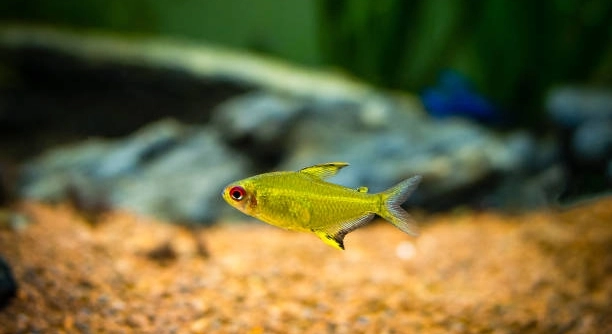
Lemon tetras are small, lively fish that brighten any freshwater aquarium. They thrive in clean, stable water and show their colors vividly when conditions are ideal. Maintaining proper water quality is essential for their overall health.
When exposed to poor water conditions, lemon tetras exhibit stress behaviors such as sluggish swimming, loss of coloration, and reduced appetite. Chronic exposure can lead to illness, weakened immunity, and even mortality, highlighting the critical importance of maintaining proper water quality.
Observing these behaviors early allows you to take corrective measures and protect your lemon tetras’ long-term health and well-being.
Signs of Stress in Lemon Tetras
When water quality declines, lemon tetras respond in ways that are easy to notice if you watch closely. Their swimming becomes erratic or sluggish, and they may cling to corners or the bottom of the tank. Color fading is common, as their bright yellow sheen dulls noticeably. Appetite changes often follow, with fish refusing food or eating less than usual. Rapid gill movement or gasping near the water surface can indicate low oxygen levels. Stress can make them more vulnerable to disease, including fungal or bacterial infections. Even small fluctuations in temperature, pH, or ammonia levels can trigger these reactions. Over time, untreated stress leads to serious health problems and can shorten their lifespan. By identifying these signs early, corrective steps can be applied before the situation worsens. Observing behavior consistently allows you to maintain a stable and healthy environment for lemon tetras.
Stress signs may appear gradually or suddenly depending on the severity of water issues, requiring prompt attention.
Monitoring water parameters daily and maintaining consistent tank conditions is essential for preventing stress. Regular partial water changes and avoiding overcrowding support stable conditions.
Immediate Actions to Improve Water Quality
Performing a partial water change of about 20 to 30 percent can quickly reduce harmful chemicals and restore balance. Use a dechlorinator and ensure the replacement water matches the tank’s temperature and pH. Remove uneaten food and debris, and check the filter for proper function. Avoid adding new fish until conditions stabilize.
Addressing water problems immediately can prevent illness and help lemon tetras recover quickly. Consistent maintenance is key to their long-term health.
Beyond partial water changes, long-term solutions involve testing water parameters regularly to ensure ammonia, nitrite, and nitrate levels remain safe. Ammonia and nitrite should always be at zero, while nitrates should stay below 20 ppm. Installing a reliable filtration system that provides both mechanical and biological filtration helps break down waste efficiently. Overfeeding contributes to poor water quality, so feeding small portions once or twice daily is recommended. Plants can assist by absorbing excess nutrients and providing hiding spots that reduce stress. Observing fish behavior daily allows for quick detection of any new problems. If illness occurs, quarantine affected fish and consult guidance for appropriate treatments. Maintaining stable conditions consistently is the best approach to ensure lemon tetras remain healthy, colorful, and active.
Common Water Problems Affecting Lemon Tetras
Ammonia spikes are dangerous and can cause gill damage quickly. High nitrite levels interfere with oxygen transport, while elevated nitrates weaken immune systems over time. Unstable pH and sudden temperature changes also create stress, making fish more prone to illness and behavioral changes.
Poor water quality often results from irregular maintenance or overcrowding. Decaying food and plant matter release toxins into the water, contributing to harmful ammonia and nitrite levels. Inadequate filtration fails to remove waste effectively, and temperature fluctuations further aggravate stress. These conditions can lead to disease outbreaks, reduced appetite, and faded coloration, affecting overall vitality. Consistent testing and cleaning are essential to prevent such problems and maintain a stable environment for lemon tetras.
Even minor water issues can escalate if left unchecked. Small behavioral changes often precede visible health problems, so attentive observation is important. Addressing these issues promptly ensures fish remain active, healthy, and maintain their vibrant yellow coloring.
Maintaining a Healthy Aquarium Environment
Regular partial water changes prevent toxin buildup and maintain stability in the tank. Cleaning filters and removing debris supports optimal water quality. Consistent monitoring of temperature and pH levels prevents stress and illness. A balanced feeding routine avoids overfeeding, which can worsen water conditions and harm fish.
Adding live plants can improve water quality by absorbing excess nutrients, while also providing shelter and reducing stress for lemon tetras. Monitoring fish daily allows early detection of behavior changes or signs of disease, ensuring quick intervention. Proper filtration, careful stocking levels, and regular water testing create a stable environment, promoting long-term health and vibrant coloration. Consistency in these practices ensures lemon tetras thrive and remain active.
Quick Responses to Water Issues
Immediate water changes help reduce toxins quickly, preventing further stress. Removing uneaten food and checking filtration ensures waste does not accumulate. These steps stabilize the environment and support fish recovery.
Adjusting temperature and pH gradually prevents shock. Small, consistent corrections are safer than sudden changes, keeping lemon tetras calm and active.
Observation and Monitoring
Daily observation allows early detection of stress behaviors, such as fading colors or sluggish swimming. Recording water parameters helps identify patterns and prevent future problems. Consistent monitoring supports long-term health and keeps the aquarium stable, ensuring lemon tetras thrive.
Supporting Recovery
Providing hiding spots and gentle water flow reduces stress during recovery. Maintaining stable, clean water allows the immune system to function properly.
FAQ
What happens if lemon tetras stay in bad water too long?
Prolonged exposure to poor water quality can cause serious health problems. Fish may become lethargic, lose their vibrant color, and show reduced appetite. Stress weakens their immune system, making them susceptible to bacterial and fungal infections. In extreme cases, long-term exposure can lead to death. Preventing this requires regular water testing, consistent partial water changes, and maintaining proper filtration.
How can I tell if the water is harming my lemon tetras?
Behavioral changes are often the first sign. Sluggish swimming, hiding excessively, and faded coloration indicate stress. Rapid gill movement or gasping at the surface signals low oxygen or high toxin levels. Observing these changes early allows intervention before serious illness occurs.
What are the most common water issues affecting lemon tetras?
Ammonia spikes are the most immediate threat, causing gill damage and stress. High nitrite levels interfere with oxygen transport, and elevated nitrates weaken immunity over time. Unstable pH and sudden temperature changes further stress the fish. Poor filtration, overfeeding, and decaying matter all contribute to these problems.
How often should I test my aquarium water?
Testing water at least twice a week is recommended, especially for ammonia, nitrite, nitrate, pH, and temperature. Daily visual checks of fish behavior also provide insight into water quality. Recording results helps track trends and detect early warning signs, allowing timely corrections.
What is the safest way to fix water problems quickly?
Perform partial water changes of 20 to 30 percent to reduce toxins immediately. Use a dechlorinator and ensure replacement water matches temperature and pH. Remove uneaten food and debris, and verify that filters are functioning properly. Avoid sudden, large changes that could shock the fish.
Can live plants help improve water quality?
Yes, live plants absorb excess nutrients, reducing nitrate buildup. They also provide shelter, reducing stress and giving lemon tetras places to hide. Plants support a more balanced ecosystem in the tank, helping maintain stable water conditions over time.
What role does feeding play in water health?
Overfeeding contributes to waste accumulation and poor water quality. Small portions fed once or twice daily are sufficient for lemon tetras. Removing uneaten food prevents decay and ammonia spikes, which directly impact fish health. Balanced feeding supports both water stability and fish vitality.
How can I reduce stress while my lemon tetras recover?
Provide hiding spots such as plants or decorations and ensure gentle water flow. Keep lighting consistent and avoid sudden changes in temperature or pH. A calm environment allows fish to recover their color, regain appetite, and strengthen their immune system.
When should I consider quarantining affected fish?
If any fish show signs of illness, such as visible spots, fin rot, or lethargy, quarantine them immediately. Treating affected fish separately prevents disease spread and allows targeted care. Quarantine tanks should have clean, stable water and proper filtration.
Is long-term prevention possible?
Yes, maintaining consistent water quality through regular testing, partial water changes, proper filtration, and careful feeding is key. Observing fish behavior daily and adjusting care routines as needed ensures lemon tetras remain healthy, active, and colorful for years.
How important is tank size for water stability?
Larger tanks generally provide more stable water conditions, as fluctuations occur more slowly. Overcrowding stresses fish and accelerates waste accumulation. Providing adequate space per fish ensures better water quality and overall health.
Can sudden changes in water kill lemon tetras?
Yes, abrupt changes in temperature, pH, or water chemistry can shock fish, leading to rapid stress or death. Gradual adjustments are safer and allow fish to acclimate without compromising health. Monitoring water parameters carefully during changes is essential.
Are there signs of long-term water damage?
Chronic exposure to poor water results in faded coloration, stunted growth, persistent lethargy, and recurring illness. Immune system weakening makes fish more vulnerable. Correcting water quality and providing a stable environment can improve health, though some long-term damage may be irreversible.
How do filters affect water quality for lemon tetras?
Filters remove debris, toxins, and excess nutrients, keeping water clean and oxygenated. Mechanical filtration traps particles, while biological filtration breaks down ammonia and nitrites. Regular cleaning and maintenance of filters are necessary to ensure optimal performance and a safe environment for fish.
Can I use chemical treatments to fix water issues?
Chemical treatments can neutralize toxins like ammonia or nitrite quickly, but they are not a substitute for proper maintenance. Overuse can create imbalances or harm beneficial bacteria. Treatments should be applied carefully, following instructions, and combined with consistent water care practices.
How can I tell if the aquarium is fully recovered after bad water?
Signs of recovery include brightened coloration, normal swimming behavior, consistent appetite, and absence of stress indicators such as rapid gill movement or hiding. Water tests showing stable ammonia, nitrite, nitrate, and pH levels confirm that the tank environment is balanced.
Final Thoughts
Lemon tetras are vibrant, active fish that bring life to any freshwater aquarium. Their health and behavior are closely tied to the quality of their water. Maintaining stable water conditions is essential for their survival and long-term well-being. Poor water quality can cause stress, illness, and even death, so consistent care is crucial. Observing fish behavior daily provides important insight into their health. Subtle signs such as changes in swimming patterns, appetite, or coloration often indicate underlying issues. Acting on these signs quickly helps prevent serious problems and supports recovery. Regular testing of water parameters, including ammonia, nitrite, nitrate, pH, and temperature, allows you to detect changes before they become harmful. Small adjustments, partial water changes, and proper filtration go a long way in maintaining a safe environment. These practices create a stable ecosystem where lemon tetras can thrive and display their natural colors.
Stress in lemon tetras can arise from various factors, but poor water conditions are the most common. Overcrowding, overfeeding, and decaying plant matter contribute to elevated toxin levels and reduced oxygen availability. Ammonia and nitrite spikes can damage gills and impair breathing, while elevated nitrates weaken immune systems over time. Even minor fluctuations in temperature or pH can create stress, affecting behavior and appetite. Providing hiding spaces, gentle water flow, and live plants reduces stress while supporting water quality. Consistent care allows fish to recover more quickly when issues arise. Quarantining any sick fish ensures that diseases do not spread to the rest of the tank. Attention to detail in maintenance routines prevents long-term damage and ensures lemon tetras remain healthy, active, and colorful.
Preventing water problems is always easier than fixing them after they occur. Establishing a routine of partial water changes, filter cleaning, and monitoring feeding habits ensures that toxin buildup is minimized. Using live plants and maintaining proper stocking levels support a balanced environment naturally. Observing fish behavior closely helps catch subtle changes early, allowing for quick intervention. Consistency in tank maintenance provides lemon tetras with a stable, safe habitat that promotes long-term health. Over time, careful attention to water quality and environmental stability leads to a thriving aquarium where fish remain active and vibrant. By maintaining these practices, lemon tetras can live comfortably, display their best colors, and maintain their natural behavior, making them a rewarding addition to any freshwater setup.

Hello,
If you enjoy the content that we create, please consider saying a "Thank You!" by leaving a tip.
Every little bit helps us continue crafting quality advice that supports the health, happiness, and well-being of pets around the world, for pets of all shapes, sizes, and species.
We really appreciate the kindness and support that you show us!