
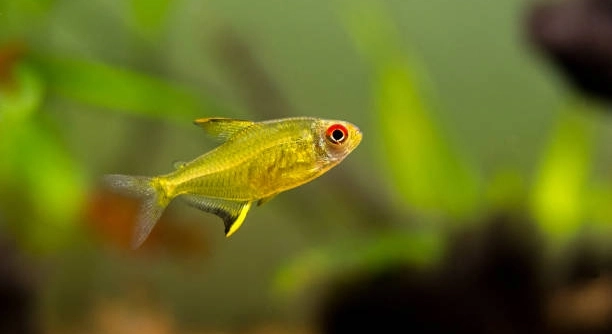
Lemon tetras are small, lively fish that react quickly to changes in their environment. Moving them to a new tank can lead to noticeable shifts in behavior and appearance, reflecting their efforts to adjust to a different space.
After relocating to a new tank, lemon tetras may display seven key changes, including altered swimming patterns, color intensity fluctuations, modified social interactions, adjustments in feeding behavior, increased hiding tendencies, stress-related physical signs, and shifts in overall activity levels.
Observing these changes can help you ensure your tetras settle comfortably and maintain their health in the new environment.
Increased Hiding Behavior
When lemon tetras are first introduced to a new tank, they often spend more time hiding among plants, decorations, or corners. This behavior is a natural response to unfamiliar surroundings and potential stressors. They may dart quickly between hiding spots when sensing movement outside the tank. It can be unsettling to see them avoid open spaces, but it is usually temporary. Providing plenty of cover helps them feel secure and reduces anxiety. Over the first few days, you might notice them gradually exploring more of the tank as they adjust. It is important to avoid sudden changes during this period, such as rearranging decorations or introducing new fish, as these can prolong stress. Regular feeding routines and maintaining stable water conditions also support a smoother adjustment. Observing their hiding habits carefully can indicate whether they are settling in comfortably or if additional measures are needed.
Hiding less over time shows that the tetras are becoming comfortable with their new surroundings.
Monitoring their behavior during this period helps ensure they adapt safely, preventing prolonged stress that could affect health and appetite.
Changes in Swimming Patterns
After moving to a new tank, lemon tetras may swim differently than before. They can appear jittery, swim closer to the surface, or move in tight groups more than usual. These changes are often temporary as they learn the boundaries and layout of their environment. Their coordination may seem off at first, and sudden bursts of speed are common when startled. Over time, swimming patterns stabilize as the fish gain confidence. Adjustments in tank temperature, water flow, or lighting can also affect how they navigate their space.
Swimming behaviors are an early indicator of how well tetras are adapting.
Careful observation during this phase can reveal subtle signs of stress or health concerns. If the fish consistently avoid certain areas or appear lethargic, it may point to environmental issues, such as water quality or insufficient oxygenation. Encouraging exploration by arranging plants or creating gentle currents can help them adjust more naturally. Consistency in feeding times and monitoring interactions with tank mates also supports normal swimming behavior. Over a few weeks, most lemon tetras regain their usual fluid movements and begin swimming with confidence throughout the tank.
Color Intensity Fluctuations
Lemon tetras often show changes in color after moving tanks. Their bright yellow may fade or become more muted depending on stress levels, lighting, and water quality.
Stress from relocation can cause temporary dulling of their colors. High-stress situations trigger hormonal changes that affect pigmentation, making them appear paler. The intensity of tank lighting can also alter how vibrant they look, as brighter or dimmer lights shift their visual appearance. Additionally, water parameters like pH, temperature, and hardness influence color expression. Diet plays a role too; insufficient nutrients may prevent them from regaining their vivid hues. Providing stable conditions, consistent feeding, and minimal disturbances helps tetras gradually return to their normal, bright coloration. Observing these changes can indicate their overall well-being and adaptation progress.
Once the tetras are fully comfortable, their yellow coloring usually returns, signaling reduced stress and improved health.
Altered Social Interactions
After moving, lemon tetras may behave differently with their tank mates. They often stick closer together or avoid others initially.
This shift in social behavior is a response to unfamiliar surroundings. Fish establish comfort zones and may be hesitant to interact until they feel secure. Some tetras may temporarily assert dominance or appear shy, while others maintain tight schooling patterns for safety. These adjustments are natural and usually stabilize within days to weeks. Ensuring the tank has ample space and hiding spots allows each fish to find its preferred position. Gradual observation of feeding times and swimming interactions helps monitor their comfort level and prevent aggression. Over time, social dynamics normalize, with tetras re-establishing their usual hierarchy and group patterns.
Adjustments in Feeding Behavior
Lemon tetras may eat less or show hesitation during meals after moving. Stress and new surroundings can temporarily affect their appetite.
Feeding patterns often normalize once they become comfortable. Offering small, frequent meals can help encourage eating and maintain energy levels.
Stress-Related Physical Signs
Stress from relocation can manifest physically. Tetras may develop clamped fins, rapid gill movement, or slight weight loss. Monitoring these signs helps identify if adjustments are needed in water quality, tank setup, or social environment.
Shifts in Overall Activity Levels
Activity levels can vary after moving. Fish may appear lethargic or unusually active at times, reflecting their adjustment to a new space. Maintaining stable conditions and observing daily behavior supports their long-term health.
FAQ
Why are my lemon tetras hiding more than usual?
Hiding is a natural response to stress when fish are introduced to a new tank. Lemon tetras seek cover to feel safe, especially in unfamiliar surroundings. Over time, as they become comfortable, they will gradually explore open areas. Providing plants, decorations, or small caves helps them feel secure and reduces stress. Avoid sudden changes in the tank during this period, including rearranging decorations or adding new fish. Maintaining consistent water conditions and feeding schedules supports a smoother adjustment. Monitoring hiding behavior can help you gauge their comfort and whether additional changes are needed for their well-being.
Why do my lemon tetras’ colors look dull after moving?
Color fading is common when tetras are stressed. Hormonal changes affect pigmentation, making their yellow tones appear paler. Environmental factors, like lighting, water temperature, pH, and hardness, also influence color expression. Nutritional deficiencies may worsen dullness. Stabilizing water parameters, ensuring proper diet, and minimizing disturbances help restore their natural coloration over time. Bright, even lighting and high-quality food rich in carotenoids can accelerate the return of their vivid hues. Observing color changes can indicate how well the fish are adjusting to the new environment.
Why are my lemon tetras swimming erratically?
Erratic swimming often occurs when fish are adjusting to new surroundings. Sudden bursts, tight schooling, or unusual movement patterns are typical during the first few days. Tank layout, water flow, and temperature changes may also affect how they swim. Providing a calm, stable environment allows fish to explore gradually. Avoid rapid movements near the tank, and keep feeding times consistent. Over time, their swimming becomes more fluid and coordinated. Observing patterns helps identify stress, potential water quality issues, or interactions with other fish that may need attention.
Why are my tetras eating less than before?
Reduced appetite is normal after relocation. Stress, unfamiliar surroundings, and changes in water quality can cause hesitation during feeding. Offering smaller, frequent meals encourages them to eat and maintain energy. High-quality food, consistent feeding times, and a calm environment help restore normal eating habits. Avoid overfeeding, which can worsen water conditions and stress levels. Watching their feeding behavior gives insight into overall health and adjustment progress. Gradually, most tetras regain normal appetite as they settle into their new tank.
Can stress from moving affect my tetras’ health?
Yes, stress can weaken the immune system and make tetras more susceptible to disease. Common signs include clamped fins, rapid gill movement, paleness, and lethargy. Maintaining optimal water conditions, providing hiding spots, and avoiding sudden changes reduces stress. Observing physical signs helps prevent long-term health issues. Quick intervention, such as water tests or temporary isolation of stressed fish, can protect their well-being. Stress management ensures they adapt comfortably while minimizing risks of illness or behavioral problems.
How long does it take for lemon tetras to adjust?
Adjustment varies but typically takes a few days to a couple of weeks. Factors like tank size, water quality, number of tank mates, and the presence of hiding places influence the timeline. During this period, observing their swimming, feeding, and social behaviors helps gauge progress. Gradual normalization of color, activity, and social interactions indicates they are settling well. Maintaining stable conditions and limiting disturbances accelerates adaptation. Each fish adapts at its own pace, so patience is key to ensuring a healthy transition.
What can I do to help them settle faster?
Provide plenty of hiding spots, maintain stable water conditions, and keep feeding routines consistent. Avoid sudden tank rearrangements or introducing new fish too soon. Gentle lighting and minimal disturbance support comfort. Observing behavior daily allows you to identify signs of stress early. A calm environment helps them regain confidence, encouraging normal swimming, eating, and social patterns. Regular water testing ensures parameters remain optimal, supporting overall health. Over time, these steps help tetras feel secure and return to their normal, active behavior, improving both appearance and interactions.
Is it normal for tetras to school more tightly after moving?
Yes, tighter schooling is a common protective behavior in a new environment. Fish feel safer staying close together when stressed. As comfort increases, schooling loosens, and individual tetras explore more freely. Providing space, plants, and consistent conditions helps them regain normal group behavior. Observing schooling patterns provides insight into stress levels and tank dynamics. Over a few days to weeks, the tetras typically return to their regular social structure, swimming confidently throughout the tank while still maintaining natural group cohesion.
Why do some tetras seem more aggressive after moving?
Mild aggression can occur as fish establish territory or adjust to the new social hierarchy. Stress may amplify chasing or nipping behaviors temporarily. Ensure the tank has enough space and hiding areas to reduce conflicts. Monitor interactions and separate fish if aggression persists. Most behavior normalizes once tetras feel secure and routines stabilize. Providing consistent feeding and minimizing disruptions helps reduce tension among tank mates. Observing patterns of aggression early allows timely intervention, preventing injury and ensuring a balanced, peaceful environment as the tetras adapt to their new home.
How do I know if my tetras are fully settled?
Fully settled tetras swim confidently throughout the tank, display vibrant colors, eat regularly, and interact naturally with each other. Hiding is minimal, schooling is relaxed, and physical signs of stress are absent. Monitoring these behaviors over time confirms successful adjustment. Consistency in environment and care supports long-term comfort and health.
This FAQ covers the most common questions and observations for lemon tetras after moving, ensuring their well-being and smooth adaptation.
Final Thoughts
Moving lemon tetras to a new tank can be a stressful experience for both the fish and the owner. It is normal to notice changes in behavior, appearance, and social interactions during the first few days. Hiding more than usual, altered swimming patterns, and temporary dulling of colors are all common reactions. These behaviors are natural responses as the fish adjust to their unfamiliar surroundings. Providing a stable environment with consistent water parameters, adequate hiding spots, and proper nutrition helps them feel secure. Observing their daily behavior allows you to detect early signs of stress or discomfort and make necessary adjustments to support their well-being. Patience is key, as most changes are temporary and improve as the fish adapt.
Feeding routines play an important role in helping tetras settle. Offering smaller, frequent meals can encourage them to eat even when stress affects their appetite. Consistent timing, high-quality food, and a calm environment reduce anxiety and promote healthy growth. Social behavior may also shift temporarily, with tetras sticking closer together or showing mild aggression as they re-establish group dynamics. Providing sufficient space and hiding spots minimizes conflicts and allows each fish to find its preferred position. Over time, schooling patterns loosen, color intensity returns, and fish regain confidence in swimming throughout the tank. Paying attention to these details ensures that their adaptation period is smoother and prevents long-term stress or health issues.
Adjustments in activity levels, appearance, and social interactions are all part of the natural adaptation process. Lemon tetras are resilient and will gradually resume their normal behavior once they feel comfortable in the new environment. Monitoring their progress and maintaining stable conditions helps them settle faster while promoting overall health. Even minor changes in water quality, lighting, or tank arrangement can affect their comfort, so careful observation and steady care are essential. By understanding their needs and responding thoughtfully, you can create a balanced environment where tetras thrive. Over time, the fish will show their full vibrant colors, swim confidently, and interact normally with each other, reflecting a successful transition to their new tank.

Hello,
If you enjoy the content that we create, please consider saying a "Thank You!" by leaving a tip.
Every little bit helps us continue crafting quality advice that supports the health, happiness, and well-being of pets around the world, for pets of all shapes, sizes, and species.
We really appreciate the kindness and support that you show us!