
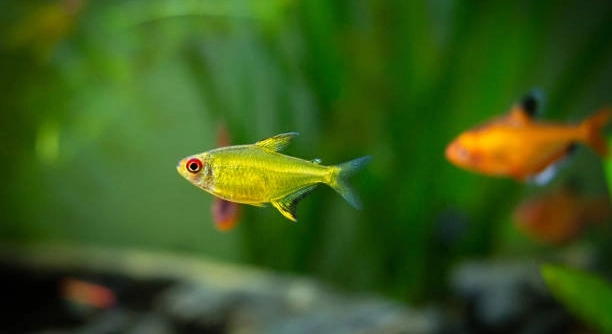
Have you ever noticed your Lemon Tetras swimming in their tank and wondered if they are truly content? Observing their daily routines can give clues about their well-being. Happy fish show subtle signs that reflect comfort and health.
Indicators of happy Lemon Tetra behavior include active swimming in groups, consistent eating habits, bright coloration, responsive reactions to surroundings, smooth breathing, social interaction with other fish, and exploring their environment without stress or fear.
Recognizing these behaviors helps you ensure your fish thrive in their home. Learning to spot these signs strengthens your bond and keeps them healthy.
Active Swimming and Group Movement
Lemon Tetras are naturally active fish that enjoy swimming in groups. Watching them glide together in synchronized patterns shows they feel secure in their environment. They will often dart around the tank in short bursts, pause near plants, and then continue moving. This behavior indicates that the tank conditions, including temperature and water quality, are suitable for their needs. When they swim in tight groups, it reflects comfort, social bonding, and a healthy sense of community within the tank. Tetras that appear lethargic or isolated may be stressed or unwell, so observing their swimming habits is a simple way to monitor overall health. Additionally, active swimming helps them maintain physical fitness, improve metabolism, and stimulate natural instincts like foraging. Ensuring enough open space in the tank allows them to move freely. Decorations, plants, and hiding spots should not block swimming areas. By maintaining this balance, their movements remain energetic, smooth, and coordinated, which is a clear sign of a happy fish.
Active swimming shows that Lemon Tetras are healthy and comfortable in their tank environment.
Regularly observing their swimming patterns can prevent stress and promote long-term well-being, keeping the group lively and engaged.
Bright Coloration
Healthy Lemon Tetras display vibrant yellow hues along their bodies and fins, which is a direct sign of good health. Dull or faded colors often indicate stress, poor diet, or unsuitable water conditions. Bright colors reflect proper nutrition, stable water parameters, and low-stress surroundings. Diet plays a significant role, so providing high-quality flakes, frozen foods, or small live foods ensures pigmentation stays vivid. Lighting also affects coloration; natural or tank-appropriate lighting highlights their brightness. When Tetras feel safe and healthy, their colors intensify, and subtle patterns along their bodies become more noticeable. Social interactions influence coloration as well; fish that are integrated within the group and not bullied by tank mates maintain stronger pigmentation. Regular observation allows owners to spot color changes early, which can prevent illness. Maintaining consistent water quality, feeding routines, and a stable environment helps Lemon Tetras keep their signature yellow and silver tones bright. Coloration is not just aesthetic—it is a reliable indicator of overall fish health, mood, and environmental satisfaction.
Bright colors are a clear signal of a content and well-cared-for Lemon Tetra.
Social Interaction with Other Fish
Lemon Tetras thrive in groups and enjoy interacting with their tank mates. They often swim together, chase each other gently, and mirror movements. Social engagement keeps them active and reduces stress. Isolated fish may become timid or withdrawn, which can indicate unhappiness.
Social interaction is vital for Lemon Tetras. When they are in a group of at least six, they display coordinated swimming, chasing behaviors, and synchronized pauses, which strengthens social bonds. Fish that feel secure in their environment will often nibble alongside others, explore territory together, and respond to each other’s presence. Aggression or isolation can signal health or environmental issues, so maintaining a harmonious group is essential. Providing hiding spots and open swimming areas allows natural interactions without conflict, promoting mental and physical well-being. Observing these behaviors over time ensures the group remains balanced and content.
Monitoring social interaction gives insight into both happiness and health. When Tetras engage without fear, it reflects a stable environment. Regularly checking group behavior helps identify potential stressors. Happy fish often stay close to each other, display coordinated movements, and occasionally playfully chase one another. These interactions also encourage exercise and natural instincts, keeping them energetic. Ensuring compatible tank mates and sufficient space prevents bullying and promotes consistent social behavior. Feeding together reinforces bonds, as Tetras compete gently without conflict. Consistent group dynamics maintain calm, active, and healthy fish.
Smooth Breathing Patterns
Lemon Tetras breathe steadily and without rapid gill movement. Irregular or labored breathing may indicate poor water quality or illness, while calm breathing shows contentment.
Smooth, regular breathing is an essential indicator of fish health. Tetras that feel comfortable and secure in their tank will show slow, even gill movements while swimming or resting. Stress from overcrowding, sudden temperature changes, or low oxygen levels can cause quick or uneven breathing, which may lead to long-term health problems. Maintaining stable water parameters, including temperature, pH, and dissolved oxygen, ensures Tetras breathe easily. Observation is key; subtle changes in breathing patterns can be an early warning sign, allowing intervention before serious issues arise. Tanks with proper filtration and gentle water flow create an environment where fish can relax and breathe naturally.
Observing breathing patterns regularly can prevent health complications and improve overall well-being. Calm, steady respiration indicates satisfaction and safety. It also reflects proper oxygen levels, low stress, and appropriate water conditions. Fish that breathe easily remain active, interact with tank mates, and maintain vibrant coloration. Providing plants, hiding spots, and adequate swimming areas reduces anxiety, further supporting healthy breathing. Regular checks and maintenance reinforce these behaviors. By paying attention to respiration, owners can ensure Tetras remain happy, energetic, and resilient.
Consistent Eating Habits
Lemon Tetras eat regularly and show interest in food. They approach the feeding area quickly and consume meals without hesitation. A healthy appetite reflects proper nutrition and a comfortable environment.
Changes in eating behavior, like skipping meals or spitting out food, may indicate stress or illness. Maintaining a balanced diet with flakes, frozen foods, or small live foods keeps them energetic and supports growth, coloration, and immune function. Observing feeding patterns daily allows owners to notice early signs of discomfort or dietary deficiencies.
Exploring Their Environment
Lemon Tetras actively investigate plants, decorations, and open areas. Exploration helps maintain mental stimulation and reduces boredom in the tank. Regular movement between hiding spots and open spaces reflects comfort and curiosity.
Low-Stress Reactions
When startled, Lemon Tetras respond calmly, quickly returning to normal behavior. Sudden panic or erratic swimming is rare in content fish.
How many Lemon Tetras should I keep together?
Lemon Tetras are schooling fish, so they feel safest in groups. Keeping at least six in a tank encourages natural social behavior, coordinated swimming, and reduces stress. Small groups may lead to shyness or isolation, which can impact their health and activity levels.
What is the ideal tank setup for Lemon Tetras?
A well-planted tank with open swimming areas is ideal. Include hiding spots with rocks or plants, but keep space for movement. Maintain stable water conditions, with a temperature around 72–78°F, pH between 6.5 and 7.5, and gentle filtration. Proper lighting highlights their colors without causing stress.
What do Lemon Tetras eat?
They are omnivores and thrive on a varied diet. High-quality flake foods, frozen bloodworms, brine shrimp, or micro pellets work well. Occasional live foods can enrich their diet. Feeding small portions 2–3 times daily ensures proper nutrition without polluting the tank.
How can I tell if my Lemon Tetra is stressed?
Signs of stress include faded coloration, erratic swimming, hiding for long periods, or skipping meals. Rapid gill movement or clamped fins also indicate discomfort. Stress usually arises from poor water quality, overcrowding, sudden changes, or aggressive tank mates.
Why is my Lemon Tetra not swimming actively?
Reduced activity may result from illness, poor water quality, or insufficient space. Ensure tank conditions meet recommended standards and check for disease signs like spots or fin damage. Sick fish may need isolation and targeted treatment to recover fully.
Do Lemon Tetras interact with other fish?
Yes, they enjoy being around compatible tank mates. Peaceful species like small Rasboras or Corydoras are good companions. Avoid aggressive fish that may chase or stress them. Their social behavior is best observed in stable groups with similar-sized, non-aggressive species.
How often should I clean the tank?
Perform partial water changes weekly, replacing about 20–25% of the water. Clean substrate, decorations, and filters regularly to maintain water quality. Proper maintenance prevents stress, disease, and keeps fish active and vibrant.
Can Lemon Tetras breed in a home aquarium?
Yes, but breeding requires specific conditions. Provide soft, slightly acidic water, fine-leaved plants for egg laying, and a separate breeding tank if possible. Eggs hatch quickly, and fry need specialized feeding with infusoria or finely crushed foods. Adult fish may eat the eggs, so separation is important.
What signs show a Lemon Tetra is happy?
Bright coloration, active swimming in groups, regular eating, calm breathing, and exploring the tank all indicate contentment. Observing these behaviors consistently confirms that tank conditions, diet, and social setup support their well-being.
How can I prevent disease in Lemon Tetras?
Maintain stable water parameters, avoid overcrowding, and provide a balanced diet. Quarantine new fish before adding them to the main tank. Observing fish daily helps catch early signs of illness, allowing prompt treatment and minimizing the spread to other tank mates.
What do I do if one Lemon Tetra becomes sick?
Isolate the sick fish in a quarantine tank to prevent spreading disease. Test water conditions, provide proper treatment, and adjust diet as needed. Monitor its breathing, swimming, and color, ensuring a stress-free environment to support recovery.
Are Lemon Tetras sensitive to water changes?
They can tolerate gradual changes but react poorly to sudden shifts in temperature, pH, or hardness. Always match new water to tank conditions when performing changes. Slow, consistent adjustments reduce stress and prevent health issues.
How long do Lemon Tetras live?
With proper care, they live about 5–8 years. Longevity depends on diet, water quality, tank environment, and stress levels. Healthy social interactions and proper maintenance improve lifespan and overall quality of life.
Can I keep Lemon Tetras in a small tank?
They need space to swim and socialize. A minimum 20-gallon tank is recommended for a small school. Smaller tanks may increase stress, reduce activity, and impact health. Adequate space, plants, and hiding spots are essential even in compact setups.
What behaviors indicate aggression or bullying?
Constant chasing, fin nipping, or isolating one fish shows stress or aggression. Grouping them with peaceful, similar-sized fish and ensuring enough swimming space prevents conflict and maintains a healthy social environment.
How important is lighting for Lemon Tetras?
Proper lighting highlights their colors and supports plant growth. Avoid overly bright or direct light, which can stress fish. A consistent day-night cycle helps regulate behavior, feeding patterns, and activity levels.
How do I introduce new Lemon Tetras to an established tank?
Acclimate them slowly by floating the bag in tank water, gradually mixing water from the tank into the bag. Introduce at a time when the main group is calm, and provide hiding spots to reduce stress and aggression.
What temperature changes are safe for Lemon Tetras?
Keep temperature stable between 72–78°F. Sudden fluctuations can cause stress, reduce immunity, or trigger illness. Using a reliable heater and thermometer ensures gradual adjustments and a consistent environment.
How do I tell if my Lemon Tetras are breeding-ready?
Mature males display brighter colors and chase females gently. Healthy, active fish in optimal conditions, with proper plants for egg-laying, indicate readiness. Providing a safe breeding environment increases the likelihood of successful spawning and fry survival.
Can Lemon Tetras live with plants and decorations?
Yes, they enjoy plants and hiding spots. Fine-leaved plants, driftwood, and smooth decorations create areas for exploration, reduce stress, and mimic natural habitat. Avoid sharp or rough surfaces that can injure delicate fins.
Are Lemon Tetras sensitive to tank mates?
They do best with peaceful, non-aggressive fish. Aggressive or large fish can intimidate them, causing stress or hiding behavior. Proper selection of compatible species ensures harmony, allowing active swimming, feeding, and social interaction to continue uninterrupted.
How do I maintain water quality consistently?
Use a reliable filter, monitor temperature, pH, ammonia, nitrite, and nitrate levels regularly. Perform partial water changes, remove debris, and avoid overfeeding. Stable water conditions prevent stress, illness, and maintain healthy behavior in Lemon Tetras.
What signs indicate old age in Lemon Tetras?
Slower swimming, less vivid coloration, and decreased activity often indicate aging. Regular care, a healthy diet, and low-stress environment help maintain quality of life, even as activity gradually declines.
Can stress affect their lifespan?
Yes, prolonged stress reduces immunity, activity, and overall health. Avoid overcrowding, sudden environmental changes, and aggressive tank mates. Maintaining a balanced, stable habitat promotes longevity and well-being.
How often should I feed them?
Feed small portions 2–3 times daily. Overfeeding pollutes water and causes health issues. Observing appetite ensures proper nutrition and helps maintain consistent, happy behavior in Lemon Tetras.
Are Lemon Tetras good for beginners?
They are relatively hardy if kept in groups with proper care. Monitoring water quality, feeding, and social behavior is essential, but they adapt well to stable tank conditions, making them suitable for attentive new fish keepers.
How do I know if they are stressed after a tank change?
Signs include hiding, clamped fins, erratic swimming, or loss of appetite. Gradual acclimation, proper water parameters, and providing familiar hiding spots help them adjust quickly and maintain natural behaviors.
Can lighting affect their behavior?
Yes, proper lighting supports activity and feeding patterns. Too bright light can cause hiding or stress, while dim, consistent lighting promotes calm swimming, social interaction, and natural exploration.
What tank size is too small for Lemon Tetras?
Anything under 20 gallons for a small school limits swimming and social interaction. Overcrowding leads to stress, aggression, and decreased activity, which can compromise health and happiness.
How do I handle sudden illness in the tank?
Identify sick fish quickly, isolate if necessary, and check water parameters. Treat the affected fish and monitor the rest of the group. Prompt response prevents spread and supports recovery.
Can I mix them with other tetra species?
Yes, they are compatible with other small, peaceful tetras. Similar size and temperament reduce aggression, encourage schooling behavior, and maintain group dynamics. Avoid mixing with large or aggressive species.
How do I encourage active swimming?
Provide open swimming areas, plants, and hiding spots. Maintain water quality, proper temperature, and a balanced diet. Observing social interactions and ensuring minimal stress encourages movement and group coordination.
What signs show they are comfortable in the tank?
Bright colors, active schooling, regular eating, calm breathing, and exploring the environment indicate contentment. Consistent behavior over time confirms a well-maintained, suitable habitat.
How long can Lemon Tetras go without food?
Healthy adults can survive a few days without food, but regular feeding is essential. Skipping meals occasionally is tolerable, but prolonged fasting may weaken immune function, reduce activity, and affect coloration.
Are they sensitive to pH changes?
Yes, they prefer slightly acidic to neutral water (6.5–7.5). Sudden pH shifts cause stress, affecting breathing, feeding, and social behavior. Regular testing ensures stability and reduces health risks.
Do they need live plants?
Live plants are beneficial but not required. They provide hiding spots, reduce stress, improve water quality, and encourage natural exploration. Fake plants can work if they provide adequate cover.
How can I tell if the tank is overcrowded?
Signs include constant chasing, aggression, hiding, poor water quality, and reduced swimming space. Overcrowding increases stress and illness risk, so maintaining a proper fish-to-tank ratio is essential.
What should I do if a fish dies?
Remove the fish immediately, test water for contaminants, and observe the remaining fish for signs of illness. Adjust care or treat the tank if necessary to prevent further losses.
Can Lemon Tetras survive in unheated tanks?
They tolerate slightly cooler water but thrive best in stable temperatures between 72–78°F. Unheated tanks can stress fish, reduce activity, and compromise immunity, especially in colder climates.
How often should I observe their behavior?
Daily observation helps catch early signs of stress, illness, or aggression. Noticing patterns in swimming, feeding, and coloration ensures prompt intervention and a healthy, happy environment.
Are Lemon Tetras sensitive to noise?
They respond to sudden vibrations or loud noise with erratic swimming or hiding. Consistent, calm surroundings support natural behavior and reduce stress.
Do they require special water conditioners?
Water conditioners remove chlorine and neutralize heavy metals. Regular use when adding water ensures safety, reduces stress, and maintains stable conditions for healthy behavior.
How do I spot early illness signs?
Look for faded color, clamped fins, abnormal swimming, loss of appetite, or rapid gill movement. Early detection allows treatment before the condition worsens.
Can diet changes affect behavior?
Yes, poor nutrition can lead to lethargy, faded colors, or reduced social interaction. Balanced, varied diets support energy, coloration, and activity, reflecting happiness.
What is the best way to acclimate new fish?
Float the bag in tank water, gradually mix tank water, and release slowly. Providing hiding spots helps them adjust without stress and integrates them into the group smoothly.
Do they need companions?
Yes, they are schooling fish and need a group to feel secure. Alone, they may hide, become inactive, or lose color, which affects overall health.
How do I handle water parameter changes?
Adjust gradually, matching temperature, pH, and hardness to existing conditions. Sudden changes cause stress, reduce immunity, and may lead to illness. Monitoring and slow adjustments are crucial.
Can decorations affect behavior?
Yes, smooth hiding spots encourage exploration and reduce stress. Sharp or overcrowded decorations restrict swimming and can cause injury or fear responses.
Are Lemon Tetras sensitive to overcrowded feeding?
Yes, excessive food increases waste and lowers water quality. Feed small portions and remove uneaten food to maintain health and minimize stress.
How often should I monitor water parameters?
Check weekly or more often for ammonia, nitrites, nitrates, pH, and temperature. Consistent monitoring prevents health issues and supports active, happy fish.
Do they react to humans?
Lemon Tetras may approach the tank or follow movement, but reactions vary. Calm observation encourages curiosity without causing stress.
What is the best tank shape?
Longer tanks provide more swimming space for schooling behavior. Tall tanks alone limit horizontal movement, reducing activity and social coordination.
Can they tolerate slightly harder water?
Yes, moderate hardness is acceptable, but sudden changes can stress them. Stable water conditions are more important than exact hardness values.
How do I ensure they are thriving?
Provide a balanced diet, stable water, compatible tank mates, hiding spots, and regular observation. Consistent care supports natural behavior, coloration, and social interaction, keeping them happy and healthy.
What should I avoid when caring for Lemon Tetras?
Avoid overcrowding, sudden temperature or pH changes, aggressive tank mates, overfeeding, and neglecting water quality. Proper care ensures comfort, activity, and long-term well-being.
How important is tank maintenance for behavior?
Critical. Regular cleaning, water changes, and monitoring parameters maintain a stable, low-stress environment. Healthy behavior, active swimming, bright coloration, and social interaction rely on proper maintenance.
How can I tell if they are stressed after adding new fish?
Watch for hiding, chasing, clamped fins, or loss of appetite. Gradual introductions and hiding spots help reduce stress and maintain stable group dynamics.
Do Lemon Tetras enjoy tank decorations?
Yes, plants, rocks, and driftwood offer exploration opportunities and security. Properly arranged decorations enhance natural behavior without restricting movement or causing injury.
Are they sensitive to water temperature drops at night?
Sudden drops may stress them. Maintaining stable temperatures with a heater ensures calm behavior, healthy appetite, and regular swimming patterns.
Can I use artificial plants?
Yes, if they provide hiding spots and smooth surfaces. They reduce stress and encourage natural swimming but lack benefits like water oxygenation provided by live plants.
What are the early signs of breeding behavior?
Males display brighter colors, chase females gently, and hover near plants or surfaces for potential egg-laying. These behaviors indicate readiness for reproduction.
Do Lemon Tetras need a varied diet for color?
Yes, high-quality flakes, frozen, or live foods support pigmentation. A varied diet keeps colors bright and signals health and contentment.
How do I reduce stress during tank cleaning?
Move decorations carefully, avoid sudden water changes, and perform partial cleanings. Minimizing disruption helps maintain calm behavior and prevents hiding or erratic swimming.
Can lighting changes stress them?
Yes, sudden bright lights may cause hiding or erratic movements. Gradual adjustments or consistent lighting schedules support calm, natural behavior.
How do I encourage natural schooling?
Maintain a group of at least six, provide open swimming space, and avoid aggressive tank mates. Consistent feeding and stable water conditions support synchronized movements.
Can tank size affect social behavior?
Yes, small tanks restrict movement and increase stress. Adequate space allows schooling, exploration, and healthy social interaction, reducing conflict and maintaining group harmony.
Are Lemon Tetras sensitive to strong water currents?
Yes, strong currents can tire them and reduce activity. Gentle flow from filtration is ideal, allowing free swimming and natural schooling behavior.
Do they enjoy hiding spots?
Yes, hiding areas reduce stress, offer security, and encourage natural exploration. Balanced placement with open swimming areas ensures comfort and activity.
How can I maintain long-term happiness?
Provide stable water conditions, proper diet, compatible tank mates, regular observation, and an environment with hiding spots and swimming space. Monitoring behavior ensures ongoing contentment, health, and activity.
Can they live with other small community fish?
Yes, peaceful species of similar size like Rasboras, small Danios, or Corydoras work well. Compatibility ensures safety, reduces stress, and promotes schooling behavior.
Do Lemon Tetras need a specific feeding routine?
Yes, feeding 2–3 small meals daily supports health, coloration, and activity. Consistency prevents overfeeding and maintains water quality.
What behaviors show adaptation to the tank?
Active swimming, bright colors, calm breathing, group interaction, regular feeding, and exploration indicate they feel safe and comfortable in their environment.
How do I prevent bullying in a group?
Provide sufficient space, hiding spots, and compatible tank mates. Observing social interactions allows intervention if one fish is consistently chased or isolated.
Can sudden temperature spikes cause stress?
Yes, rapid increases or decreases affect activity, appetite, and immune function. Gradual, controlled adjustments are essential for stability and comfort.
How do I monitor long-term health?
Regularly observe swimming patterns, coloration, breathing, social interactions, and appetite. Consistent care, diet, and water maintenance support longevity and happiness.
Are Lemon Tetras sensitive to pH fluctuations?
Yes, abrupt changes stress fish, impacting swimming, feeding, and coloration. Maintaining stable pH within the preferred range ensures comfort and healthy behavior.
What is the best way to encourage exploration?
Provide open swimming areas, plants, and safe hiding spots. Balanced tank decorations stimulate curiosity without causing fear or restricting movement.
Do they interact with humans in the tank?
They may follow movement or approach glass, showing curiosity without stress. Calm, consistent observation encourages natural engagement.
How do I know if they are thriving socially?
Coordinated schooling, gentle chasing, and group exploration show healthy social behavior. Consistent interaction reflects contentment, comfort, and a balanced environment.
Can feeding times affect behavior?
Yes, predictable feeding encourages active swimming, group interaction, and regular energy levels. Sudden changes may cause temporary stress or agitation.
How do I support natural instincts?
Provide plants, hiding spots, and open swimming space. Proper diet, social groups, and gentle water flow allow for natural exploration, foraging, and interaction.
Do Lemon Tetras need specialized water testing?
Routine testing for ammonia, nitrites, nitrates, pH, and temperature is sufficient. Consistent monitoring prevents stress, illness, and maintains natural behavior.
Can diet variety influence activity levels?
Yes, nutritious, varied foods sustain energy, bright coloration, and active behavior. Lack of variety can lead to lethargy or dull colors.
Are they sensitive to tank placement?
Yes, tanks near loud noise, direct sunlight, or vibrations can stress fish. A stable, quiet location supports calm behavior and normal activity.
**Do
Keeping Lemon Tetras in a home aquarium can be very rewarding when their needs are met consistently. These small, bright fish are happiest when kept in groups of six or more, which allows them to display natural schooling behavior. Observing a healthy school of Lemon Tetras swimming together shows that they feel secure, active, and engaged. Their bright yellow coloration, smooth breathing, and regular eating habits are all clear signs of contentment. Maintaining stable water parameters, including temperature, pH, and cleanliness, is key to ensuring these fish thrive. A well-balanced diet that includes high-quality flakes, frozen foods, or occasional live foods supports both their physical health and vibrant colors. With attention to these details, Lemon Tetras can remain energetic, healthy, and visually striking in the aquarium over the years.
Social interaction is very important for Lemon Tetras, as it contributes to both mental and physical well-being. Fish that are isolated or housed in too small a group may become timid, hide frequently, or show signs of stress. Providing a comfortable environment with open swimming areas, plants, and hiding spots encourages natural exploration and reduces conflict among tank mates. Calm, peaceful companions complement their social behavior, while aggressive or large fish can lead to stress or injury. Regular observation of swimming patterns, group interactions, and feeding behavior allows you to monitor their health closely. By paying attention to these social cues, it is easier to identify early signs of stress or illness and address issues before they become serious.
Overall, keeping Lemon Tetras requires consistent care and observation, but the effort pays off with a vibrant, active aquarium. Their behaviors, such as coordinated swimming, bright coloration, smooth breathing, and curiosity in exploring their surroundings, are all indicators of happiness. Maintaining proper water quality, a balanced diet, adequate group size, and a safe, engaging tank environment ensures they live a long and healthy life. Observing these subtle signs daily not only confirms that the fish are thriving but also helps strengthen the understanding of their needs. When these conditions are met, Lemon Tetras display natural behaviors that make watching them enjoyable and satisfying, providing both visual appeal and the satisfaction of knowing they are well cared for.

Hello,
If you enjoy the content that we create, please consider saying a "Thank You!" by leaving a tip.
Every little bit helps us continue crafting quality advice that supports the health, happiness, and well-being of pets around the world, for pets of all shapes, sizes, and species.
We really appreciate the kindness and support that you show us!