
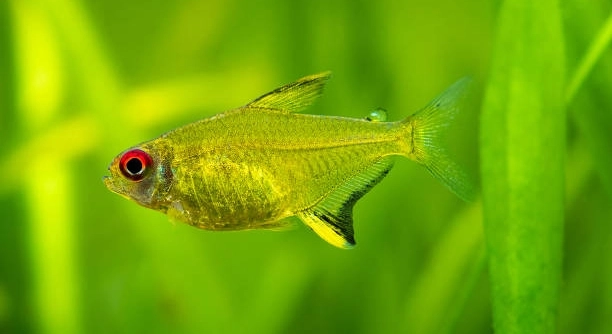
Do you ever find yourself watching your lemon tetras swim gracefully around the tank, wondering if they notice your presence? These small, bright fish have a lively personality that makes them enjoyable to observe every day. Their shimmering bodies and synchronized movements can make anyone pause and watch, creating a quiet connection between observer and fish in a simple, calming way.
Lemon tetras do show awareness of nearby movement and presence. While they do not recognize humans as individuals, their responses to motion and light changes in their environment indicate a level of perceptual awareness. This behavior helps them react to potential threats and environmental changes efficiently.
Understanding how lemon tetras respond to your presence can enhance your experience as a fish keeper and improve the way you interact with their tank environment. Observing their behavior can reveal more about their natural instincts.
How Lemon Tetras React to Movement
Lemon tetras are small, active fish that constantly scan their environment. When you move near the tank, they notice shifts in light, shadows, or vibrations. They may pause, flick their fins, or swim quickly in response. These reactions are not personal recognition but natural survival instincts. In the wild, sudden movement can signal a predator, so tetras have evolved to respond quickly. Even simple actions, like tapping the glass or reaching for food, can trigger noticeable behavior changes. Watching them, you might see them cluster together or dart in different directions, signaling alertness. Over time, you may notice certain patterns in their reactions, such as swimming closer to cover or slowing their movements. This responsiveness can make tank observation engaging, offering insight into how sensitive they are to changes in their surroundings. Observing their reactions can also help you maintain a calmer, more predictable environment for them.
Lemon tetras respond to human presence mostly through movement detection. They do not recognize individuals but adjust behavior based on changes in light, shadows, or vibrations in the tank.
Noticing these behaviors can make keeping lemon tetras more rewarding. By understanding their reactions, you can create a more comfortable environment and enjoy watching them swim with less stress.
Signs Lemon Tetras Are Comfortable
When lemon tetras feel safe, they swim confidently around the tank and show bright coloration.
A comfortable tetra will explore open areas instead of hiding, interact with tank mates calmly, and maintain steady swimming patterns. Bright, consistent coloring is another sign of comfort.
Creating a stable environment helps tetras feel secure. Proper water conditions, consistent lighting, and minimal sudden disturbances encourage normal behavior. Observing how they group or spread out in the tank gives insight into their comfort level. Healthy tetras eat readily when food is offered and show regular activity throughout the day. Stress signs, such as clamped fins, rapid darting, or hiding constantly, indicate a need to adjust their environment. By paying attention to these subtle cues, you can ensure your lemon tetras remain content. Adjusting feeding schedules, monitoring water quality, and keeping tank decorations consistent all contribute to their well-being. With a little patience, their natural behavior becomes easier to understand, making observation both enjoyable and informative.
Interaction Through Glass
Lemon tetras notice movement near the glass, often swimming closer or pausing. Their reactions are brief and cautious, reflecting awareness rather than recognition. They may dart or cluster depending on perceived changes in their surroundings.
These fish rely heavily on visual cues. When you move by the tank, they detect shifts in light or shadow and respond instinctively. They do not form bonds with humans, but their alertness can make observation interesting. Over time, you may notice certain patterns, like swimming toward the top when food is offered or retreating slightly when there’s sudden motion. These subtle behaviors are normal and indicate active awareness rather than fear or familiarity.
Interaction with lemon tetras through the glass can enhance your observation skills. Noticing their responses helps in maintaining a calm environment, adjusting feeding routines, and arranging decorations to reduce stress. Watching their movements provides insight into their instincts and preferences, making the tank feel more dynamic. Consistent observation allows you to predict behavior, improving your ability to keep them comfortable.
Understanding Their Social Behavior
Lemon tetras are schooling fish that rely on group dynamics for comfort and safety. Their movements are closely linked to the behavior of tank mates.
Schooling behavior provides protection and helps tetras feel secure. They mirror each other’s movements, creating a synchronized swimming pattern that reduces stress and signals stability. A disrupted school, caused by illness or aggressive tank mates, can lead to hiding, erratic swimming, or loss of coloration. Maintaining at least six tetras ensures proper social structure. Observing their interactions can reveal dominance, shyness, or compatibility issues. Proper grouping encourages natural behavior, reduces stress, and supports feeding efficiency. Tank decorations and open swimming space influence how the school moves and interacts. Adjustments to environment and social grouping can improve harmony, making the fish more active and visually appealing. Monitoring social cues is crucial for overall health and understanding their collective responses to stimuli near the tank.
Sensitivity to Light
Lemon tetras react quickly to changes in light intensity. Sudden brightness or shadows can make them dart or cluster together.
Even gentle shifts in lighting can influence their swimming patterns. Consistent light schedules help them feel secure and maintain normal activity.
Feeding Response
They often notice when food is added or when someone approaches the tank. Excitement can cause them to swim rapidly or gather near the surface. Their feeding behavior is a reliable way to observe responsiveness and general health.
Tank Placement
Positioning the tank in a low-traffic area reduces stress. Too much movement outside the tank can make tetras skittish and less active.
Signs of Stress
Clamped fins, erratic swimming, or hiding constantly indicate stress. These behaviors suggest adjustments are needed in tank environment, social grouping, or feeding routines to keep tetras comfortable.
FAQ
Do lemon tetras recognize their owners?
Lemon tetras do not recognize humans as individuals. They respond to movement, light, and vibrations around the tank, which can make it seem like they notice you personally. Their reactions are instinctual, helping them detect potential threats or food. Over time, they may appear calmer around repeated, gentle movements.
Why do lemon tetras swim toward me when I approach the tank?
Swimming toward the glass is usually linked to expectation of food or curiosity about movement. Tetras notice changes in light and motion, which signals activity nearby. It is not a form of personal recognition, but rather a response to environmental cues that indicate something has changed.
Can lemon tetras get stressed from watching people?
Yes, frequent sudden movements, tapping on the glass, or standing too close for long periods can stress them. Stress signs include clamped fins, hiding, or erratic swimming. Keeping your interactions calm and consistent helps reduce stress and supports their overall health.
Do lemon tetras notice when other fish are near the glass?
They are highly aware of tank mates and will react to their movements as part of schooling behavior. Sudden motions or aggressive fish can make them scatter, while calm, synchronized swimming keeps the group relaxed and safe. Observing group interactions can help identify social dynamics in the tank.
How do lemon tetras react to light changes?
Tetras are sensitive to sudden changes in light intensity. Bright light or shifting shadows can trigger quick swimming, clustering, or hiding. Maintaining a regular lighting schedule helps them adjust naturally and feel secure, promoting normal swimming patterns and healthy activity levels.
Is it normal for lemon tetras to hide when someone is near the tank?
Yes, hiding is a natural response to perceived threats. While frequent hiding may indicate stress, occasional retreat shows their instinct to seek safety. Providing hiding spots and a calm environment encourages confidence and reduces excessive hiding.
Do lemon tetras notice movement outside the tank differently than inside?
They detect vibrations and movement outside the tank as potential disturbances. Inside the tank, they react more to direct environmental changes like water flow, nearby tank mates, or feeding activity. Both influence their alertness, but external motion tends to trigger brief, cautious responses.
Can lemon tetras learn routines or patterns?
While they do not recognize humans, lemon tetras can learn to anticipate feeding times or changes in the environment. They adjust swimming and positioning based on repeated signals, such as light shifts or hand movements near the tank, showing a form of routine awareness.
How can I tell if my lemon tetras are comfortable with my presence?
Comfortable tetras swim openly, show bright coloration, and maintain normal schooling behavior. They explore the tank without constant hiding and respond calmly to movement. Regular observation helps gauge their comfort, allowing adjustments to lighting, tank placement, or social grouping to support their well-being.
Do lemon tetras communicate their awareness to other fish?
Yes, they use body language and movement patterns to signal group awareness. Quick turns, darting, or clustering inform other tetras about potential disturbances. Schooling behavior ensures safety, with each fish reacting to both environmental cues and the behavior of others in the tank.
Can repeated human observation affect their behavior long-term?
Consistent, gentle observation usually has minimal negative impact. Over time, tetras may become accustomed to your presence, responding calmly to movement near the tank. Abrupt, frequent disturbances, however, can cause stress and reduce natural activity, so maintaining a calm approach is best.
Are lemon tetras more sensitive to certain types of motion?
Yes, rapid or large movements trigger stronger responses than slow, steady ones. Vibrations from tapping the glass or sudden hand gestures may cause darting or hiding. Gentle, predictable motion allows them to feel secure and exhibit natural behavior.
What is the best way to interact with lemon tetras without causing stress?
Approach the tank slowly, avoid tapping on the glass, and maintain a consistent lighting schedule. Offering food predictably and observing their group behavior calmly supports their comfort and encourages natural activity, allowing you to enjoy their movements without causing alarm.
Do lemon tetras notice shadows or reflections differently than direct movement?
Shadows and reflections can trigger cautious responses, similar to movement. They may pause, cluster, or explore cautiously. Tetras rely on visual cues for safety, so consistent tank lighting and minimal reflective surfaces reduce sudden reactions and help maintain calm behavior.
How can I tell if my tetras are reacting to me or just the environment?
Reactions to you are usually linked to motion, light changes, or food presence. If the response occurs regardless of your position, it is likely environmental. Observing patterns in behavior over time can help distinguish between human-induced and natural reactions.
Lemon tetras are small, lively fish that offer a lot of visual enjoyment in an aquarium. Watching them swim can be calming, and their reactions to their surroundings are interesting to observe. They respond to movement, light, and vibrations around their tank, which can make it feel like they notice you. In reality, their responses are natural survival instincts. Even though they do not recognize humans personally, they are aware of changes in their environment and respond accordingly. Observing these reactions can be rewarding, giving insight into how sensitive and alert these fish really are. Their small size and bright colors make their movements easy to follow, and paying attention to the way they swim and interact with tank mates can help improve your understanding of their behavior.
Creating a comfortable environment is key to keeping lemon tetras healthy and relaxed. Stable water conditions, a consistent lighting schedule, and minimal sudden disturbances help them feel secure. Providing hiding spots and open areas allows them to explore freely while offering a sense of safety. Their schooling behavior is another important factor in their comfort. When they are in a proper group, they show normal, synchronized swimming patterns and interact calmly with each other. Stress is easy to identify when you know what to look for. Signs such as clamped fins, erratic swimming, or constant hiding indicate the need for adjustments to their environment or social grouping. Paying attention to these cues can help you make small changes that greatly improve their overall well-being.
Observing lemon tetras can also improve the experience of keeping an aquarium. Watching how they react to food, light changes, and movement near the tank can help you predict behavior and reduce stress. It is important to approach the tank slowly, avoid tapping on the glass, and maintain a calm, consistent presence. By understanding their natural instincts and how they communicate with each other, you can support their comfort and enjoy their activity without causing alarm. Small, consistent efforts in tank care, social management, and observation can make a noticeable difference in their health and happiness. Over time, you may notice patterns in their behavior and learn to appreciate the subtle ways they interact with their environment, making the aquarium experience both enjoyable and informative.

Hello,
If you enjoy the content that we create, please consider saying a "Thank You!" by leaving a tip.
Every little bit helps us continue crafting quality advice that supports the health, happiness, and well-being of pets around the world, for pets of all shapes, sizes, and species.
We really appreciate the kindness and support that you show us!