
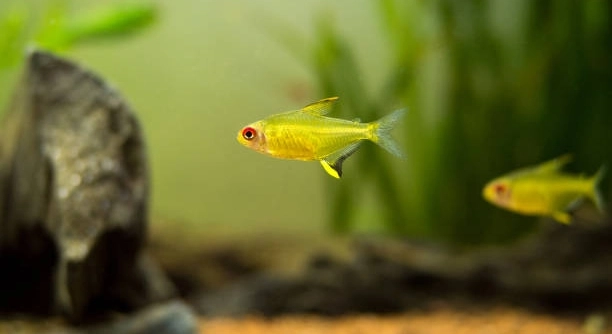
Many aquarium owners enjoy the bright colors of lemon tetras and carefully choose decorations to make their tank attractive. Even small items meant for visual appeal can sometimes hide risks that affect fish health and safety.
Lemon tetra decor can contain materials or arrangements that pose dangers such as sharp edges, toxic substances, or unstable structures. These hazards can injure fish, disrupt water quality, or cause stress, making careful selection and monitoring essential for a safe environment.
Knowing which common decorations may be harmful allows owners to create a safer tank. Recognizing these hidden risks early helps maintain both the beauty and health of the aquarium.
Sharp Edges on Decorations
Even small decorations with rough or jagged edges can injure lemon tetras. These fish are delicate, and sharp points can tear fins or damage scales, leading to infections. Decorations made from cheap plastics, resin, or untreated wood are often the main concern. Even rocks or shells that look smooth may have hidden micro-shards that catch fins or tails when fish swim around them. Over time, repeated contact with sharp surfaces can stress your tetras, slowing growth and reducing overall health. It’s not always obvious at first glance, so carefully inspecting every piece before adding it to the tank is important. Sanding down rough spots or choosing pre-smoothed decorations reduces risk significantly. Decorations that are hollow or have small openings can also trap fins, so avoid designs that are too intricate for the size of your fish. Safe, rounded decor keeps fish moving freely and allows natural behaviors without injury.
Checking each piece of decor before use prevents accidents and promotes a calm, safe environment for your lemon tetras.
A thoughtful approach to tank decoration includes observing your fish as they explore new items. If fins seem damaged after introducing something, remove it immediately. Rounded rocks, polished stones, and smooth resin items are safer. Soft plants, both real and artificial, provide shelter without sharp edges. By planning the layout and spacing, you ensure that tetras swim freely without risk of injury. Even when decorations are meant to look natural, safety must come first. Regular observation helps spot early signs of harm and adjust accordingly. In the long run, careful selection of smooth, safe decorations keeps your lemon tetras healthy and reduces stress, maintaining their bright colors and lively behavior. Consistency in tank safety ensures that the aquarium remains a place for thriving fish rather than hidden dangers.
Toxic Materials in Tank Decorations
Some materials release chemicals that harm lemon tetras. Plastics, painted surfaces, or treated woods can leach toxins into the water.
Toxins affect water quality, weaken immunity, and may cause long-term health problems. Avoid items not labeled aquarium-safe.
When choosing decorations, always verify that the product is designed for freshwater aquariums. Items coated with paint, lacquer, or varnish can slowly release harmful substances. Metals may corrode and contaminate water, especially in soft or acidic conditions, altering pH levels. Resin decorations that are not tested for aquariums may contain harmful stabilizers or dyes. Even seemingly inert materials like driftwood can introduce tannins, which change water chemistry. It’s safer to rinse new items thoroughly and soak them before placing them in the tank. Real plants, untreated stones, and aquarium-safe plastics provide aesthetic value without compromising water quality. Regular water testing after introducing new decor ensures toxins are not accumulating, protecting your fish from subtle but serious effects. Awareness and careful selection allow for a visually appealing tank while maintaining a safe, stable environment for lemon tetras.
Small Openings and Traps
Decorations with tiny holes or narrow openings can trap lemon tetras. Fish fins or bodies can get stuck, causing injury or stress. Avoid decorations that have tight spaces unsuitable for their size.
Even decorations meant to mimic natural caves or crevices can pose risks if the openings are too small. Lemon tetras are active swimmers and may explore every nook, so trapped fins can lead to tears or infections. Materials like hollow resin or complex ceramic pieces sometimes look decorative but are unsafe. Choosing items with wide, smooth entrances ensures fish can move freely.
Observing fish behavior after placing new decorations is important. If a fish hesitates or struggles near an opening, it may indicate a potential hazard. Removing or modifying the piece prevents accidents. Opt for open tunnels or arches that allow exploration without restricting movement. Rounded edges and ample space help fish feel secure while minimizing the risk of entrapment. Careful placement also prevents overlapping items that create hidden tight spots.
Unstable Structures
Decorations stacked loosely or top-heavy rocks can topple easily. Falling objects can injure lemon tetras or damage the substrate.
When arranging decor, ensure heavy items sit on stable surfaces. Avoid creating towers of rocks or ornaments without proper support. Use aquarium-safe adhesives if necessary, and test stability by gently nudging items before adding fish. Even a small shift can harm fish swimming nearby.
Fragile decorations like lightweight plastics or hollow ceramics may seem safe but can tip over under water currents or when fish swim vigorously. Positioning them securely on the tank bottom prevents sudden accidents. Substrate type also matters; soft sand may allow items to sink or lean, so heavier objects may need a flat rock base. Regularly checking stability ensures the tank remains safe as tetras move around. Over time, water flow and maintenance can loosen items, so occasional adjustments keep structures intact. Combining stable placement, secure adhesion, and proper spacing protects fish from unexpected injuries.
Rough or Abrasive Substrate
Gravel or sand with sharp edges can damage lemon tetras’ fins and undersides. Even small particles can cause scratches, making fish vulnerable to infections. Choosing smooth, rounded substrate reduces these risks and allows safe swimming and foraging.
Avoid coarse or jagged gravel that may tear delicate fins. Polished or naturally smooth sand works best. Substrate should also be free of debris or broken shells that could harm fish.
Overcrowded Decorations
Too many decorations in a tank reduce swimming space. Lemon tetras need open areas to move freely and stay healthy. Overcrowding can stress fish and increase aggression.
Carefully plan tank layout to balance shelter and open water. Grouping a few decorations strategically provides hiding spots without limiting swimming paths. Overcrowded tanks can trap waste, complicate cleaning, and affect water circulation. By spacing items properly, fish have enough room to explore while still benefiting from cover. Regularly monitoring fish behavior ensures that decorations do not block movement or create constant stress. Selecting fewer, well-placed items maintains both safety and aesthetic appeal.
Toxic Paints or Coatings
Some decorations have paints or coatings that leach chemicals into water, harming lemon tetras. Only use aquarium-safe products.
Sharp or Pointed Artificial Plants
Artificial plants with stiff stems or pointed leaves can injure fins. Opt for soft, flexible materials to prevent accidents.
What decorations are safest for lemon tetras?
Smooth, rounded decorations made from aquarium-safe resin, polished stones, or untreated wood are the safest options. Avoid sharp edges, rough textures, and painted items that are not labeled for aquariums. Real plants or soft artificial plants provide natural shelter without causing injury. Rounded arches and open tunnels allow swimming without risk of trapping fins or bodies.
How can I prevent fish from getting trapped in decor?
Choose decorations with wide openings and avoid intricate, narrow spaces. Hollow items or stacked ornaments can create hidden tight spots where tetras may get stuck. Observing fish after introducing new decorations helps identify potential hazards. Secure placement and spacing are essential to prevent entrapment and reduce stress.
Are certain types of substrate harmful?
Yes. Gravel or sand with jagged edges can scratch fins and undersides, increasing infection risk. Smooth sand or rounded gravel is safer and allows fish to forage without injury. Avoid substrates with sharp fragments, broken shells, or debris that may cut delicate fins.
Can decorations affect water quality?
Decorations made from painted, lacquered, or treated materials can leach toxins into the water. Metals and non-aquarium-safe resins can alter pH or release harmful chemicals. Always rinse new items and soak them before adding to the tank. Regular water testing ensures toxins are not accumulating and keeps fish healthy.
How do I know if a decoration is stable?
Heavy or top-heavy decorations can topple, injuring fish or damaging the substrate. Test stability by gently nudging items before adding fish. Secure stacking, flat bases for heavy rocks, and occasional checks help maintain a safe environment. Unstable items should be repositioned or removed.
Do artificial plants pose risks?
Some artificial plants have stiff stems or pointed leaves that can tear fins. Flexible, soft plants are safer and reduce the chance of injury. Make sure the material is non-toxic and labeled for aquarium use. Regularly inspect plants for frayed edges or loose parts.
How can I balance decoration with swimming space?
Avoid overcrowding the tank with too many items. Lemon tetras need open water to swim freely. Arrange a few decorations strategically to provide shelter without restricting movement. Proper spacing also improves water circulation and reduces trapped waste. Monitor fish behavior to ensure they have enough room to explore.
Are certain rocks or wood unsafe?
Sharp or untreated rocks can cut fins, while treated woods may release harmful substances. Always inspect rocks for jagged edges and verify that wood is aquarium-safe. Sanding rough surfaces or using pre-treated, polished items ensures a safer environment.
What should I do if a fish is injured?
Isolate the injured fish in a quarantine tank if necessary. Clean the tank and remove harmful decorations. Treat wounds with aquarium-safe solutions and monitor closely for signs of infection. Prevent further injury by reassessing tank decorations and layout.
How often should I check tank decorations?
Regular checks prevent accidents and ensure stability. Look for loose pieces, sharp edges, or signs of wear. Remove or adjust items as needed. Consistent monitoring keeps the tank safe and helps maintain water quality.
Can decorations influence fish stress?
Yes, overcrowded or unsafe decor can stress lemon tetras, affecting health and coloration. Providing open swimming areas and safe hiding spots reduces stress. Observe fish behavior to identify potential stressors and adjust decorations accordingly.
Are natural decorations always safer than artificial ones?
Not always. Natural items like driftwood or rocks must still be aquarium-safe and free of contaminants. Untreated, smooth natural materials are generally safer, but even these should be rinsed and soaked to remove debris or tannins that may alter water chemistry.
How do I clean decorations safely?
Rinse items with warm water and a soft brush. Avoid soaps or chemicals that can harm fish. For tough buildup, use aquarium-safe cleaners. Soaking in water helps loosen debris while maintaining the safety of the material. Regular cleaning prevents harmful bacteria and maintains tank appearance.
What’s the best way to test new decorations?
Inspect for sharp edges, narrow openings, and unstable stacking. Rinse thoroughly and soak if needed. Introduce items gradually while observing fish behavior. Remove anything that causes hesitation, fin damage, or stress. Proper testing ensures a safe and comfortable environment for lemon tetras.
How can I make a tank visually appealing without risking safety?
Use a combination of smooth rocks, rounded tunnels, and soft plants. Maintain open swimming areas and vary heights for visual interest. Stick to aquarium-safe materials and avoid overcrowding. Balancing aesthetics and safety ensures lemon tetras thrive while the tank remains attractive.
What signs indicate a decoration may be harmful?
Watch for torn fins, scratches, hesitating fish, or unusual hiding behavior. Fish avoiding certain areas can indicate sharp edges, tight spaces, or unstable structures. Remove or modify problematic items immediately to prevent injuries and stress.
How do I prevent long-term damage from decorations?
Regular maintenance, observing fish behavior, and careful selection of materials prevent injuries and water quality issues. Secure placement, smooth surfaces, and open swimming areas reduce risk. Gradually adding new items allows safe adjustment. Consistent care ensures lemon tetras remain healthy and active.
What are some alternatives to risky decorations?
Polished stones, smooth driftwood, soft artificial plants, and aquarium-safe resin pieces are safe choices. Rounded tunnels and arches provide shelter without tight spots. Simple layouts with a few well-placed items reduce stress and allow natural behaviors while keeping the tank visually appealing.
How often should decorations be replaced?
Replace decorations showing wear, cracks, or chemical breakdown. Even aquarium-safe items can degrade over time. Frequent inspections and timely replacements prevent accidents, injuries, and water contamination. Keeping decorations in good condition ensures a safe and attractive environment for lemon tetras.
Can stacking rocks be safe?
Yes, if done carefully. Use flat, heavy bases and avoid creating tall, unstable towers. Secure stacking with aquarium-safe adhesives if needed. Regularly check stability to prevent toppling that could injure fish or damage the tank.
How do I choose decorations for a small tank?
Prioritize open swimming space and limit items to a few essential pieces. Use small, smooth rocks, short plants, and low arches. Avoid overcrowding, sharp edges, or complex hollow structures. Strategic placement maximizes safety and allows natural fish behavior.
What is the most common mistake with tank decor?
Overcrowding and using unsafe materials are the biggest issues. Sharp edges, narrow openings, and unstable stacking often cause injury or stress. Selecting fewer, carefully inspected items and observing fish behavior reduces risk and maintains a healthy environment.
How important is monitoring fish after adding new items?
Extremely important. Fish may react to new decorations in ways that indicate hazards. Watch for hesitation, injury, or stress. Immediate adjustments prevent long-term harm and ensure a safe, comfortable tank environment.
Can decorations impact breeding or social behavior?
Yes, overcrowded or unsafe decor can limit swimming, hiding, and social interactions. Providing safe, open areas alongside suitable hiding spots supports natural behavior, reduces stress, and encourages healthy interactions among lemon tetras.
What should I avoid when buying decorations?
Avoid non-aquarium-safe plastics, painted or lacquered items, sharp rocks, hollow decorations with narrow openings, and unstable pieces. Always choose smooth, rounded, and labeled products. Testing new items before full introduction protects fish and water quality.
How do decorations affect water maintenance?
Overcrowded or porous decorations can trap debris, complicate cleaning, and affect circulation. Toxic materials can alter water chemistry. Regular cleaning and careful selection reduce maintenance challenges and support a healthier tank environment.
How do I balance decoration with fish safety?
Prioritize smooth, stable, and non-toxic items. Provide open swimming space and a few hiding spots. Avoid overcrowding and sharp edges. Observe fish behavior regularly to ensure safety. A simple, well-planned layout supports both aesthetics and fish health.
What long-term risks come from unsafe decorations?
Injuries, infections, stress, and altered water chemistry are common risks. Repeated exposure to sharp or toxic items weakens fish immunity, reduces lifespan, and affects coloration. Proper selection, maintenance, and monitoring prevent these long-term issues and support a thriving aquarium environment.
Decorating a lemon tetra tank is more than just making it look nice. Every item added to the aquarium has a potential impact on the health and safety of the fish. Even small decorations can create hidden hazards that may cause injury or stress. Sharp edges, toxic coatings, narrow openings, or unstable arrangements all pose risks that are easy to overlook. Taking the time to carefully inspect each piece before placing it in the tank is essential. Choosing smooth, rounded, and aquarium-safe materials reduces the chance of cuts, fin tears, or exposure to harmful substances. Simple choices, like polished stones, soft artificial plants, and untreated driftwood, provide both visual interest and a safe environment. By planning decorations thoughtfully, it is possible to create a tank that is attractive without compromising the well-being of lemon tetras.
It is also important to consider how the layout affects swimming space and social behavior. Lemon tetras are active and schooling fish, which means they need room to move freely. Overcrowding the tank with too many decorations can limit open areas, creating stress and increasing aggression among fish. Wide tunnels, low arches, and well-placed plants allow hiding spots while still leaving open swimming areas. Observing fish behavior after introducing new decorations helps identify potential problems early. If a fish appears hesitant, trapped, or injured near a decoration, it may indicate a hazard that should be removed or modified. Regularly monitoring the tank ensures that items remain stable and safe as fish interact with them, reducing the risk of accidents or long-term injuries.
Maintenance and care also play a crucial role in keeping decorations safe over time. Even items that are initially safe can degrade, develop sharp edges, or accumulate harmful residues if not cleaned properly. Rinsing and gently scrubbing decorations, as well as soaking new items before placing them in the tank, helps reduce the risk of introducing toxins or debris. Keeping decorations stable and checking them regularly prevents toppling and entrapment hazards. Combining careful selection, proper placement, and ongoing observation ensures that lemon tetras have a safe, stress-free environment. By paying attention to these details, it is possible to maintain both the beauty of the aquarium and the health and happiness of the fish, creating a tank that thrives for years.

Hello,
If you enjoy the content that we create, please consider saying a "Thank You!" by leaving a tip.
Every little bit helps us continue crafting quality advice that supports the health, happiness, and well-being of pets around the world, for pets of all shapes, sizes, and species.
We really appreciate the kindness and support that you show us!