
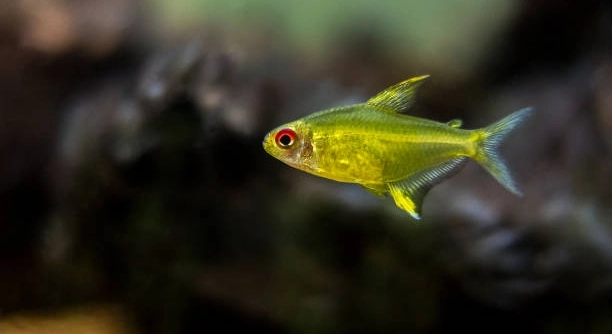
Lemon tetras are small, lively fish that brighten up any aquarium. Sometimes, they suddenly hide without warning, leaving owners concerned. Understanding the reasons behind this behavior can help maintain a healthy and calm environment for them.
Lemon tetras often hide suddenly due to stress, water quality issues, sudden changes in the tank, or perceived threats. Illness, overcrowding, and insufficient hiding spots also contribute, making it essential to monitor their environment carefully for consistent well-being.
Learning what triggers their hiding can improve care and ensure they remain active and comfortable in your aquarium. Observing these signs helps maintain a stable, healthy habitat for your fish.
Sudden Changes in Water Conditions
Lemon tetras are very sensitive to changes in their tank’s water conditions. Sudden fluctuations in temperature, pH, or hardness can make them feel unsafe. Even a small shift can cause them to hide for hours or even days. It’s important to check the water regularly using a reliable test kit. If the readings are off, make gradual adjustments rather than sudden changes. New water should be treated to remove chlorine and other harmful chemicals. Avoid large water replacements at once, as this can shock the fish. Observing how your tetras react after water changes helps you understand their comfort levels. A stable environment keeps them active and reduces hiding. Over time, consistent monitoring prevents stress-related illnesses. Small adjustments to temperature or pH can have a big impact. Keeping the water clean and stable is one of the simplest ways to ensure your tetras feel secure.
Frequent testing and careful water changes help your tetras stay healthy and reduce sudden hiding incidents significantly.
Consistent water conditions encourage tetras to explore rather than retreat. Using a heater, filter, and proper water treatments creates a stable habitat. Monitoring levels daily helps you spot potential problems early. Observing their behavior after adjustments allows you to fine-tune conditions. Stress from water changes can weaken immunity, so prevention is key. Gradual acclimation for new additions and regular tank maintenance support healthy activity. Well-maintained water keeps colors vibrant, promotes feeding, and reduces hiding behaviors. Lemon tetras thrive when their environment feels predictable and safe.
Overcrowding in the Tank
Overcrowding increases stress and triggers hiding in lemon tetras. Even a few extra fish can make them feel threatened or uncomfortable.
Too many fish in a limited space leads to competition for food, oxygen, and hiding spots. Territorial disputes can arise, causing timid tetras to retreat. Overcrowded tanks also make water quality decline faster, compounding stress. Planning the tank size according to the number of tetras ensures everyone has space to swim freely. Adding decorations and plants provides visual breaks and safe spots. Monitoring fish behavior helps detect stress early, allowing you to reduce population or rearrange the tank. Introducing new fish gradually, rather than all at once, minimizes tension. Overcrowding isn’t just about numbers—it’s about maintaining balance between inhabitants and environment. Ensuring sufficient space, food, and shelter supports natural behavior. Lemon tetras in an appropriately sized, well-decorated tank are more active, less stressed, and less likely to hide, leading to healthier, happier fish overall.
Sudden Loud Noises
Lemon tetras are startled by loud noises near the tank. Rapid movements or banging on the glass can make them retreat and hide.
Frequent loud sounds in the environment create stress for tetras, affecting their normal behavior. They may stop swimming openly, stay near plants, or hide behind decorations. Stress from noise can also impact feeding habits and weaken their immune systems. Minimizing sudden disturbances and placing the tank in a quieter area helps the fish feel secure. Consistent, calm surroundings encourage them to swim freely and interact with the environment. Using a tank cover or buffering sounds can further reduce sudden hiding episodes and maintain a peaceful habitat.
Even small household noises, like slamming doors or moving furniture, can trigger hiding. Tetras interpret these sounds as potential threats. By arranging the tank in a low-traffic area, providing plenty of plants, and avoiding abrupt movements around the aquarium, you reduce stress. Over time, calmer conditions improve their confidence, allowing them to explore and interact more. Maintaining quiet surroundings is a simple yet effective way to support the health and activity of lemon tetras, ensuring they feel safe and less prone to sudden hiding.
Illness or Parasites
Signs of illness or parasites often cause lemon tetras to hide and become less active. Hiding is a common response to feeling weak or unwell.
Illnesses like fin rot, ich, or bacterial infections can trigger hiding. Fish may cling to corners, stay near plants, or avoid the middle of the tank. Parasites irritate the skin and gills, causing stress and retreat. Monitoring for changes in color, appetite, or swimming patterns helps identify health issues early. Quarantining sick fish and treating the tank promptly prevents the problem from spreading. Proper nutrition and maintaining water quality support recovery and reduce susceptibility to disease.
Parasites and infections can develop quickly if the environment is not clean. Uneaten food, waste buildup, and inconsistent water parameters increase the risk. Observing your tetras closely for subtle signs like clamped fins, lethargy, or rapid gill movement allows early intervention. Treating the tank with recommended medications, removing affected fish to a quarantine tank, and maintaining a clean habitat are essential steps. Consistent care, balanced feeding, and monitoring water parameters help prevent illness, keeping your tetras active and minimizing hiding. Maintaining a healthy, stress-free environment reduces the likelihood of repeated health-related retreats.
Lack of Hiding Spots
Lemon tetras feel vulnerable without enough plants or decorations in the tank. Open spaces make them anxious, causing sudden hiding behavior.
Adding caves, plants, and small ornaments gives them secure spots to retreat. This reduces stress and encourages natural exploration. Well-planned hiding spots balance safety and swimming space, keeping tetras calm.
Aggressive Tank Mates
Aggressive fish can intimidate lemon tetras, prompting them to hide frequently. Territorial or nippy species create constant stress, limiting tetras’ swimming freedom and comfort.
Selecting peaceful companions and avoiding larger or fin-nipping fish is essential. Observing interactions helps identify issues. Rearranging decorations can provide escape routes, reducing conflict. Careful planning ensures a harmonious tank environment.
Feeding Time Anxiety
Lemon tetras may hide if they feel rushed or threatened during feeding. Competition at feeding time can trigger stress.
Providing small amounts of food spread throughout the tank ensures each tetra gets its share. Feeding calmly and consistently reduces anxiety and encourages active swimming.
Why does my lemon tetra hide suddenly after a water change?
Sudden changes in water parameters can shock lemon tetras. They are sensitive to temperature, pH, and hardness shifts. Even a minor difference from their usual environment can cause stress. To prevent this, adjust water gradually and use treated water. Monitor their behavior after each change to ensure they recover quickly.
Can overcrowding make my tetras hide more often?
Yes, overcrowding creates stress and competition for food, oxygen, and space. Lemon tetras may feel threatened by other fish, especially aggressive or larger species. Ensuring enough swimming room and hiding spots helps reduce stress. Spreading decorations evenly allows timid tetras to feel secure.
Do sudden noises affect their behavior?
Sudden loud sounds, like slamming doors or furniture movement, startle lemon tetras. Noise can cause them to retreat behind plants or decorations. Positioning the tank in a quieter area and minimizing disturbances helps them feel safe. Over time, calm surroundings encourage active swimming.
Can illness or parasites cause hiding?
Yes, sickness or parasites often make lemon tetras hide. Symptoms include clamped fins, lethargy, color fading, and rapid gill movement. Quarantine affected fish, treat with appropriate medications, and maintain clean water to prevent further spread. Early detection and treatment are crucial.
Do lemon tetras need hiding spots in their tank?
Absolutely. Plants, rocks, and decorations provide security. Without these, tetras feel exposed and anxious. Proper hiding spots reduce stress, allow natural retreat behaviors, and encourage active swimming. Balance open space with hiding areas for a comfortable environment.
How do aggressive tank mates affect hiding?
Aggressive or territorial fish intimidate lemon tetras. Nipping, chasing, or crowding triggers retreat behavior. Choose peaceful companions and observe interactions. Rearrange decorations to create escape routes, minimizing conflict and maintaining harmony in the tank.
Can feeding habits influence hiding?
Yes, competition during feeding can stress tetras. If food is scarce or rushed, timid fish may retreat. Distribute small amounts of food in different tank areas. Consistent feeding times and calm behavior reduce anxiety, encouraging active participation and reducing hiding episodes.
Does tank location matter for their behavior?
Tank placement impacts stress levels. High-traffic or noisy areas make tetras feel unsafe, prompting hiding. A quiet, stable location with minimal disturbances supports natural swimming and social interactions. Consider low-traffic areas and avoid placing the tank near doors or windows.
How long do lemon tetras typically hide when stressed?
The duration varies based on cause and individual temperament. Water changes, loud noises, or temporary stress may cause hiding for hours or a day. Illness or ongoing threats can extend hiding periods. Observing patterns helps identify and correct underlying issues promptly.
Can proper tank maintenance reduce sudden hiding?
Regular water testing, cleaning, and monitoring fish health prevent stress triggers. Stable parameters, adequate hiding spots, and balanced feeding contribute to a calm environment. Preventative care minimizes stress-induced hiding and promotes long-term well-being for lemon tetras.
Are there signs that hiding indicates serious problems?
Yes, prolonged hiding accompanied by loss of appetite, color fading, or lethargy may indicate illness or severe stress. Immediate action is needed: check water quality, isolate sick fish, and treat appropriately. Quick intervention improves recovery and prevents tank-wide issues.
Is it normal for lemon tetras to hide occasionally?
Yes, occasional hiding is normal. Tetras naturally seek shelter to rest, avoid perceived threats, or adjust to minor environmental changes. Regular observation ensures hiding isn’t caused by chronic stress, illness, or environmental problems. A balanced tank reduces unnecessary hiding.
How can I encourage tetras to swim more openly?
Maintain stable water conditions, add plenty of hiding spots, minimize loud noises, and avoid aggressive tank mates. Feeding calmly and providing a predictable routine encourages confident, active swimming. Over time, tetras feel secure and hide less often, displaying natural behavior.
Can tank decorations influence hiding frequency?
Yes, proper decorations offer safe retreat spaces, while sparse or poorly arranged decorations leave tetras exposed. Dense plants, rocks, and caves provide comfort and reduce stress. Thoughtful layout supports exploration and minimizes hiding caused by environmental insecurity.
Does tank size matter for hiding behavior?
Tank size directly affects stress and hiding. Small, crowded tanks limit movement and increase tension among fish. Providing adequate space, along with hiding areas, supports natural behavior and reduces the frequency of sudden hiding. Careful planning ensures a comfortable environment for all tetras.
What should I do if my tetra keeps hiding despite changes?
Evaluate water quality, tank mates, and environment carefully. Check for illness, parasites, or injury. Adjust feeding, add hiding spots, and reduce noise. Persistent hiding may require consultation with an aquatic specialist to ensure health and safety. Regular observation and maintenance are key to resolving ongoing stress issues.
Lemon tetras are small, lively fish that bring color and movement to any aquarium. Their behavior, including sudden hiding, can signal a lot about their comfort and environment. Understanding the main reasons behind hiding is important for keeping them healthy. Factors like sudden changes in water conditions, overcrowding, loud noises, aggressive tank mates, and illness can all trigger hiding. These fish rely on a stable environment to feel secure, and even small changes can cause stress. By observing their behavior carefully, you can identify patterns and make adjustments to improve their overall well-being. Over time, small interventions can have a big impact on how comfortable they feel in their tank.
Maintaining a calm, predictable environment is essential for lemon tetras. Providing plenty of hiding spots, like plants, rocks, and decorations, gives them safe places to retreat without causing anxiety. Stable water parameters, regular testing, and gradual adjustments help prevent stress caused by sudden changes. Choosing peaceful tank mates and arranging the aquarium to reduce conflicts also supports a calm habitat. Feeding habits play a role too; distributing food in small amounts and feeding consistently reduces competition and stress during mealtime. Quiet surroundings, careful planning, and consistent care all work together to create an environment where lemon tetras can swim openly and stay active without feeling threatened.
Even with the best care, occasional hiding is normal for lemon tetras. It is part of their natural behavior to retreat when they feel unsure or need rest. However, prolonged or frequent hiding can indicate underlying problems that need attention, such as illness, parasites, or ongoing stress. Observing their swimming patterns, appetite, and interactions with other fish helps identify issues early. Taking proactive steps, like adjusting water conditions, adding hiding spots, or isolating sick fish, ensures they recover quickly. By maintaining a clean, stable, and well-arranged tank, lemon tetras can thrive, reducing unnecessary hiding and allowing you to enjoy their vibrant, lively presence in your aquarium.

Hello,
If you enjoy the content that we create, please consider saying a "Thank You!" by leaving a tip.
Every little bit helps us continue crafting quality advice that supports the health, happiness, and well-being of pets around the world, for pets of all shapes, sizes, and species.
We really appreciate the kindness and support that you show us!