
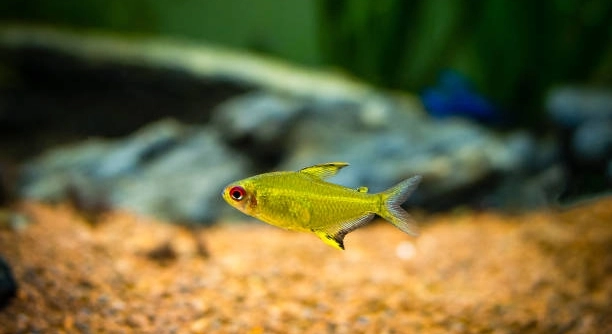
Do you ever notice your Lemon Tetra swimming nervously or hiding in the corners of the tank for no clear reason? Many aquarium owners may not realize that certain sounds can affect their fish’s comfort and behavior.
Lemon Tetras are particularly sensitive to abrupt, loud, or low-frequency noises. Sounds such as tapping on the tank, nearby construction, vacuum cleaners, loud music, clanging objects, sudden movement in the room, and other high-decibel disturbances can trigger stress responses, erratic swimming, or hiding behavior in these fish.
Understanding these sound sensitivities can help you create a calmer, more stable environment, promoting healthier and happier Lemon Tetras in your aquarium.
Tapping on the Glass
Even the smallest tap on a fish tank can startle Lemon Tetras. Their sensitive lateral line system detects vibrations in the water, which can make them swim frantically or hide. Frequent tapping can increase stress, reduce feeding behavior, and weaken their immune system over time. If you notice your fish darting suddenly when someone taps the glass, it is a clear sign they are uncomfortable. Using gentle movements around the tank and keeping voices at a moderate level near the aquarium can make a significant difference. Many people do not realize that the vibrations from tapping or even bumping furniture can transmit through the floor and tank stand, affecting fish even from a short distance. Installing a padded mat under the tank or placing it on a stable surface can help minimize these vibrations. Observing the behavior of your Lemon Tetras will guide you in adjusting the environment to keep them calm and healthy.
Stress from tapping may cause long-term health issues in Lemon Tetras if not managed carefully.
By reducing noise and sudden vibrations, you create a calmer environment that encourages natural behavior. Lemon Tetras swim more confidently, explore decorations, and interact with tankmates. Proper tank placement, gentle handling, and minimizing external disturbances improve water quality and reduce aggressive reactions. Consistent observation allows you to identify subtle stress signs, such as clamped fins or quick retreats, before they escalate. Even simple steps like avoiding loud footsteps near the tank or using thicker glass walls can have a lasting effect. Over time, maintaining this quiet environment contributes to better growth, brighter coloration, and a more vibrant community in the aquarium. Prioritizing minimal noise ensures your Lemon Tetras feel secure, enhancing their overall well-being.
Loud Music and Household Appliances
Playing loud music near the tank can trigger stress in Lemon Tetras. Their sensitive hearing picks up vibrations, and sudden changes in volume can cause panic.
Household appliances like vacuum cleaners, blenders, and washing machines produce low-frequency sounds that travel through walls and floors. Lemon Tetras respond with hiding, erratic swimming, or loss of appetite. Repeated exposure can elevate stress hormones, reduce immunity, and even lead to long-term behavioral changes. Many aquarium owners notice that fish become more skittish during appliance use, making feeding and observation more difficult. To mitigate these effects, try running noisy appliances in another room or during times when fish are less active. Positioning the tank away from walls that transmit vibration can also reduce the intensity of these sounds. Regular observation helps identify which noises trigger reactions, allowing for better control. Over time, maintaining a quieter environment encourages healthier swimming patterns, consistent feeding, and less aggressive interactions among tankmates, creating a more peaceful habitat for Lemon Tetras to thrive.
Clanging Objects
Sudden clanging from pots, pans, or metal objects near the tank can startle Lemon Tetras. Their small size and sensitive nature make them prone to stress from unexpected loud noises.
Repeated exposure to clanging sounds can make Lemon Tetras hide for long periods and reduce their appetite. These sounds create strong vibrations that travel through the water, triggering panic responses. Fish may swim erratically, bump into decorations, or cluster at the bottom of the tank. Over time, this can weaken their immune system and make them more prone to disease. Minimizing these noises or moving the tank to a quieter area can greatly improve their comfort.
Even small daily disturbances, like dropping utensils near the tank, can cause repeated stress. Lemon Tetras respond best in stable, predictable environments. Consistent quiet periods help them feel safe, encouraging natural swimming and feeding behaviors. Observing their reactions allows for adjustments in tank placement and daily routines to reduce stress and maintain a healthy aquarium environment.
Sudden Movements in the Room
Quick or unexpected movements around the aquarium can alarm Lemon Tetras. Their instinctive reactions to motion can trigger rapid swimming or hiding responses.
Lemon Tetras are naturally cautious and respond to sudden movements as potential threats. Walking quickly, bending over the tank, or reaching suddenly for objects can provoke stress behaviors. They may dart to the tank’s corners, hide behind plants, or cluster together nervously. Consistent exposure to sudden movements can elevate stress hormones, reducing appetite and overall health. It is helpful to move slowly around the aquarium, maintaining a calm presence. Over time, predictable patterns in your activity help the fish feel secure.
Minimizing abrupt actions near the tank supports healthier behavior and longer lifespan. Consistent, gentle movements allow Lemon Tetras to explore decorations, swim freely, and interact with each other without fear. Creating a routine environment, free from constant surprises, encourages confidence and reduces long-term stress effects. Positioning the tank in a less trafficked area or behind a barrier can further limit disturbances, promoting a stable and comfortable habitat. Observing your fish closely lets you fine-tune daily activities, ensuring their well-being remains a priority.
Nearby Construction Noise
Construction noise creates strong vibrations that pass through walls and floors, unsettling Lemon Tetras quickly. These sudden disturbances can interrupt their feeding and make them retreat into hiding. Keeping the tank away from active work areas helps reduce these stressful vibrations.
Extended exposure to loud drilling or hammering can cause ongoing tension in Lemon Tetras. Their behavior may shift, becoming more skittish and withdrawn. Reducing nearby noise or adding padding beneath the tank stand can help soften vibrations and protect their sense of stability.
Doors Slamming
Slamming doors send sharp shocks through the room that can disturb Lemon Tetras easily. These abrupt sounds can cause them to scatter suddenly, raising stress levels. Over time, using soft-close attachments or encouraging gentle door use helps create a calmer space for the aquarium.
Footsteps and Heavy Walking
Heavy footsteps or fast walking near the tank generate vibrations that travel directly into the water. Lemon Tetras may react by hiding or swimming nervously until the disturbance passes. Keeping the tank in a quieter part of the home lowers these repeated stress triggers.
FAQ
Why do Lemon Tetras react so strongly to noise?
Lemon Tetras have a sensitive lateral line system that detects vibration and movement in the water. Even sounds outside the tank send subtle waves through the glass and stand, which their bodies interpret as potential threats. This sensitivity comes from instinct, since in the wild sudden vibrations often signal predators or danger. When exposed to loud or unexpected noises at home, they may respond with frantic swimming, hiding, or clustering together. Over time, repeated stress can weaken their immune system, reduce appetite, and make them more vulnerable to illness. Keeping their surroundings steady and quiet helps them feel safer and more relaxed.
Can noise cause long-term health problems in Lemon Tetras?
Yes, long-term stress from noise exposure can lead to several health issues. Stress hormones increase when the fish feel unsafe, and this ongoing tension can impair their immune system. A weakened immune system makes them more prone to infections, fin issues, and susceptibility to sudden temperature changes. Noise stress can also affect their feeding habits, leading to slower growth or weight loss. When the tank environment is noisy or unpredictable, you may notice duller coloration and less active swimming. Reducing noise around the aquarium, keeping water parameters stable, and offering hiding spots can support better long-term health.
What signs show that my Lemon Tetras are stressed by sound?
Common signs include darting around the tank, hiding for long periods, clamped fins, reduced appetite, or sticking close to the bottom. You may also see them scatter suddenly when a loud noise occurs nearby. In some cases, they may push themselves into plants or behind decorations to feel more secure. If these behaviors continue, it may mean the noise levels are too high or too frequent. Observing their patterns helps you understand how they respond to different sounds in your home. Small adjustments like lowering volume levels or rearranging furniture can make noticeable improvements.
How can I make their tank more sound friendly?
Placing the tank on a stable stand helps reduce vibration transfer. Adding a soft mat or padding between the tank stand and the floor can lessen the intensity of low-frequency sounds. Keeping the aquarium away from high traffic areas, loud appliances, and frequently used doors also reduces disturbances. Using taller plants or creating more hiding spaces gives them places to retreat when they feel uneasy. Even gentle lighting and predictable routines can make the environment feel calmer. These small changes help create a space where your Lemon Tetras can thrive comfortably.
Are Lemon Tetras more sensitive to sound than other common fish?
Lemon Tetras are not the most sensitive fish, but their small size and active nature make them more responsive to sudden disturbances. Compared to species like goldfish or some cichlids, they tend to react more quickly and may hide longer after being startled. Their natural schooling behavior means that when one fish reacts, others follow, amplifying their response. This does not mean they require silence, but they do better with consistent, gentle surroundings. Understanding their sensitivity helps you create a space where they can swim calmly and show their natural bright colors.
Final Thoughts
Keeping Lemon Tetras comfortable often comes down to understanding how their environment shapes their behavior. These small fish rely heavily on stability, so sudden sounds, strong vibrations, or unpredictable movements can influence how they swim, eat, and interact with their surroundings. When their habitat feels steady and calm, they respond with brighter colors, smoother schooling patterns, and a healthier appetite. Creating this sense of stability starts with noticing the everyday noises in your home and making simple adjustments that help soften their impact. You do not need to create a perfectly quiet space, but offering consistency and gentle routines makes a meaningful difference for their well-being. Many small choices add up over time, and these choices help your Lemon Tetras feel safe enough to show their natural behavior without hesitation. Paying attention to these details becomes a natural part of caring for them, especially once you see how positively they react to a calmer setup.
Understanding how Lemon Tetras respond to sound helps you support them more effectively each day. When you limit harsh noises or sudden disruptions, you protect them from unnecessary stress that could weaken their overall health. Stress may not always show itself immediately, but it builds slowly when the environment remains unpredictable. By giving them a location with fewer loud appliances, softer footsteps, and gentle activity, you offer a setting that encourages steady behavior. Over time, you can observe how their reactions shift when the home becomes quieter. Instead of hiding or darting around the tank, they start exploring more freely and interacting with their surroundings. It becomes easier to recognize what helps and what does not, allowing you to adjust anything that feels overwhelming for them. This simple awareness strengthens the connection you build with your aquarium, making it easier to maintain a healthy balance for the fish inside.
Creating a peaceful home for Lemon Tetras also benefits the overall atmosphere of your space. A tank filled with calm and comfortable fish adds a gentle sense of movement, which becomes more enjoyable when the fish feel secure. Their behavior reflects the quality of their environment, so when noise levels are managed well, the whole aquarium becomes more stable. Consistency supports better feeding habits, healthier immune function, and stronger social behavior within the school. As you continue caring for them, these small improvements reveal how sensitive they are to their surroundings. Even so, their needs are not difficult to support once you understand what affects them the most. With a little attention and thoughtful placement of the tank, you can create a space where your Lemon Tetras thrive. Watching them move smoothly through the water becomes a quiet reminder of how much a stable, gentle environment can influence their daily life.

Hello,
If you enjoy the content that we create, please consider saying a "Thank You!" by leaving a tip.
Every little bit helps us continue crafting quality advice that supports the health, happiness, and well-being of pets around the world, for pets of all shapes, sizes, and species.
We really appreciate the kindness and support that you show us!