
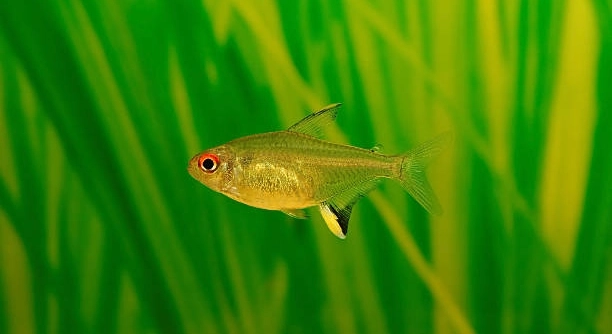
Are you planning to welcome new lemon tetras into your aquarium but want to ensure a smooth transition? Introducing new fish requires careful attention to water conditions, tank environment, and the existing fish community.
Before adding new lemon tetras, it is essential to assess water parameters, quarantine procedures, tank size, compatibility with current fish, and overall health. Following these checks minimizes stress, disease risk, and promotes a balanced and thriving aquatic environment.
Proper preparation will make the introduction easier and protect both new and existing fish, ensuring a healthier, more harmonious aquarium for everyone.
Check Water Parameters
Maintaining stable water conditions is the first step before adding new lemon tetras. They are sensitive to sudden changes in temperature, pH, and hardness. Ensure your aquarium’s water temperature stays between 72 and 78°F, pH remains around 6.5 to 7.0, and general hardness is moderate. Regular testing of ammonia, nitrites, and nitrates is crucial to prevent stress and illness. Small fluctuations may seem harmless, but even minor spikes in ammonia or nitrites can severely affect new fish. Using a reliable test kit allows precise monitoring, helping maintain a safe environment. If the parameters are off, it’s better to wait and make adjustments. Water conditioners and partial water changes can help stabilize conditions. Observing your existing fish for signs of stress can also indicate if the tank is ready. Preparing the tank properly increases the chances of a smooth introduction for lemon tetras.
Consistent water checks ensure both new and existing fish remain healthy and stress-free, creating a balanced aquarium environment.
Quarantining new lemon tetras in a separate tank for at least two weeks before introduction allows you to monitor for illness without risking your main tank. This step reduces the spread of disease, protects current fish, and gives new arrivals time to adjust to a controlled environment. Observing behavior, appetite, and physical signs such as discoloration or fin damage can help detect problems early. A quarantine tank should mimic the main tank’s conditions closely, including temperature, lighting, and water chemistry. Using a sponge filter and performing regular water changes keeps the environment stable and clean. During this period, medicating if necessary and limiting handling ensures the fish remain healthy. Once the tetras show normal behavior and no signs of stress or disease, they can safely join the main tank, making the transition smoother for everyone involved. Proper quarantine practices are a small effort that yields long-term benefits for tank harmony and fish wellbeing.
Tank Size and Space
Lemon tetras are small but active fish, requiring adequate space to swim freely. Overcrowding can lead to stress, aggression, and stunted growth. Providing at least a 20-gallon tank is recommended for a small school of these fish. Decorate the tank with plants and hiding spots to create natural territory boundaries. Avoid sharp or rough decorations that can damage delicate fins.
Evaluating tank space before adding new tetras prevents overcrowding issues and promotes healthy behavior.
A properly sized tank encourages schooling, reduces stress, and supports overall health. Fish in cramped conditions often exhibit erratic swimming or fin nipping. Plants and decorations not only add beauty but also serve as essential cover for timid fish, allowing them to feel secure. Open swimming areas are necessary for activity, while hiding spots provide shelter and rest areas. Regular observation helps ensure the group maintains social harmony. In a well-planned tank, lemon tetras display vibrant colors, natural behaviors, and stronger immune systems. Balancing population density with available swimming space is key to sustaining a thriving aquarium environment. Proper attention to tank size creates a visually appealing display and supports long-term health for all fish.
Compatibility with Existing Fish
Introducing lemon tetras requires considering current tank mates. Aggressive or much larger fish can stress or injure new arrivals, leading to health problems. Ensure the existing fish are peaceful and can coexist with a school of small tetras.
Observing interactions between species helps maintain a calm and safe aquarium.
Lemon tetras thrive best in a community of similar-sized, non-aggressive fish. Even mild territorial behaviors can create tension if space is limited. Introducing the new fish gradually allows them to adapt and reduces potential conflicts. Monitoring feeding behavior ensures no fish are being outcompeted or bullied. Adjusting hiding spots and rearranging decorations can help minimize territorial disputes. Pairing compatible species promotes schooling, encourages natural activity, and supports overall fish welfare. Proper planning in species selection and placement helps maintain a stable, visually pleasing aquarium. Being proactive in compatibility checks prevents stress-related illnesses and ensures all fish flourish together in a balanced, harmonious tank.
Health Check of New Fish
Inspect new lemon tetras for clear eyes, intact fins, and vibrant colors. Avoid fish with clamped fins, spots, or lethargy. Early detection of issues prevents introducing illness to the main tank.
A careful visual inspection reveals signs of common diseases like ich or fin rot. Healthy fish swim actively and respond to movement outside the tank. Check gills for smooth movement and absence of redness or swelling. Observe the fish over a few hours in the store or quarantine tank to ensure normal behavior. Any irregularity, such as rapid breathing, unusual swimming, or pale coloration, can indicate stress or illness. Addressing health concerns before introducing new fish protects the existing population and promotes a successful integration.
Feeding behavior also indicates health. Healthy lemon tetras eagerly eat small portions without hesitation. Refusal to feed or spitting out food may signal internal issues or stress. Providing a small amount of high-quality flake or micro-pellet food in quarantine helps assess appetite. Combining visual observation with feeding responses offers a more complete understanding of the fish’s condition. Monitoring over multiple days ensures early detection and reduces the risk of disease spreading. A thorough health check protects both the newcomers and the aquarium’s established community.
Acclimation Process
Gradually acclimating lemon tetras reduces stress and shock. Drip acclimation over an hour balances water chemistry between the quarantine tank and main aquarium.
Place the fish and transport water in a clean container inside the main tank. Slowly add small amounts of tank water every few minutes to equalize temperature, pH, and hardness. Rapid changes in water chemistry can lead to shock or death. Monitor fish closely during this period for signs of stress, such as erratic swimming or clamped fins. Once acclimation is complete, gently release the fish into the aquarium. Avoid sudden splashing or pouring, which may damage delicate fins.
Lighting and environment also influence acclimation. Keeping lights dim and ensuring nearby hiding spots helps reduce stress. Observe interactions with existing fish immediately after release. Make adjustments to decorations or feeding routines if aggression or hiding persists. Gradual exposure to normal lighting and routine feeding encourages adaptation. Proper acclimation supports long-term health, strengthens immunity, and allows the lemon tetras to settle comfortably into their new home.
Observation After Introduction
Monitor new lemon tetras closely for the first few days. Watch for signs of stress, aggression, or illness. Early detection ensures quick intervention and prevents problems from escalating in the main tank.
Pay attention to swimming patterns, interactions with other fish, and feeding habits. Fish that hide excessively or fail to eat may be struggling.
Feeding Adjustments
Introduce food gradually to accommodate both new and existing fish. Start with small portions to prevent overfeeding. Observe that all fish receive adequate nutrition without competition. Adjust feeding frequency based on activity levels. Consistent feeding helps reduce stress and encourages healthy growth and coloration in the lemon tetras.
Water Maintenance
Regular water changes are critical after adding new fish. Removing waste, uneaten food, and debris keeps the environment stable. Consistent maintenance prevents ammonia and nitrate spikes, protecting all fish from stress and disease. Clean filters and monitor water quality closely during this period to ensure stability.
Social Grouping
Lemon tetras are schooling fish and feel safer in groups of at least six. Adequate numbers reduce stress, encourage natural behaviors, and improve overall tank harmony.
FAQ
How many lemon tetras should I keep together?
Lemon tetras are schooling fish and thrive in groups. A minimum of six is recommended to reduce stress and encourage natural behavior. Smaller groups may lead to hiding, lethargy, or aggression from other fish. Larger schools allow for active swimming and more vibrant colors.
Can lemon tetras live with other fish?
Yes, but compatibility matters. Peaceful, small to medium-sized fish work best. Avoid aggressive or territorial species that may nip fins or chase the tetras. Good tank mates include other tetras, rasboras, small catfish, and peaceful dwarf cichlids. Proper planning prevents stress and injuries.
What temperature do lemon tetras prefer?
Maintain a stable water temperature between 72 and 78°F. Sudden fluctuations can stress the fish, weaken their immune system, and increase disease risk. A reliable heater and thermometer help keep conditions consistent. Monitoring daily ensures stability.
How often should I feed them?
Feed lemon tetras small amounts two to three times a day. High-quality flake food, micro-pellets, or frozen options like brine shrimp or daphnia work well. Remove uneaten food to prevent water quality issues. Consistent feeding maintains health and coloration.
Do lemon tetras need hiding spots?
Yes. Even active schooling fish benefit from plants, rocks, or decorations that provide cover. Hiding spots reduce stress, give refuge for timid individuals, and encourage natural behavior. A mix of open swimming space and cover is ideal.
How do I introduce new lemon tetras to my tank?
Use a quarantine tank first to monitor health for at least two weeks. Gradually acclimate them using drip acclimation or slow water mixing. Introduce them gently to minimize stress and prevent shock. Observing behavior after release ensures smooth integration.
What signs indicate illness in lemon tetras?
Look for clamped fins, pale colors, lethargy, rapid breathing, or unusual swimming patterns. White spots or ragged fins signal potential disease. Early detection allows treatment before spreading to other fish. Quarantine helps contain issues.
Can lemon tetras breed in a home aquarium?
Yes, with proper conditions. They prefer soft, slightly acidic water and dense plants for egg-laying. Separating adults after spawning prevents them from eating eggs. Breeding may require a dedicated tank to improve survival rates.
How do I maintain water quality?
Regular testing for ammonia, nitrites, and nitrates is essential. Perform partial water changes weekly and clean filters as needed. Remove debris and uneaten food. Stable water parameters prevent stress, disease, and support long-term health of both new and existing fish.
Are lemon tetras sensitive to water chemistry changes?
Yes. They are sensitive to pH, hardness, and temperature fluctuations. Gradual adjustments are safer than sudden changes. Maintaining consistent water conditions promotes health, reduces stress, and helps the fish adapt to their environment comfortably.
Can I keep lemon tetras in a small tank?
They can live in tanks of 20 gallons or more for a small school. Smaller tanks risk overcrowding, poor water quality, and stress. Adequate swimming space and plants are necessary for natural behavior and overall well-being.
How long do lemon tetras live?
With proper care, lemon tetras live 3 to 5 years on average. Consistent water maintenance, proper feeding, and stress-free social conditions contribute to their longevity. Monitoring health and preventing disease ensures they thrive in a home aquarium.
What food variety should I provide?
A mix of high-quality flakes, micro-pellets, frozen, and live foods promotes balanced nutrition. Rotating food types enhances color, growth, and overall health. Avoid overfeeding to prevent water quality issues.
How do I prevent aggression in the tank?
Maintain proper group size, provide hiding spots, and choose compatible tank mates. Rearranging decorations occasionally can reduce territorial disputes. Observing fish behavior and addressing issues quickly helps maintain harmony.
Do lemon tetras need special lighting?
Normal aquarium lighting is sufficient. Moderate light enhances coloration and plant growth if live plants are used. Avoid overly bright light that stresses the fish or encourages excessive algae growth.
Can I add lemon tetras to a planted tank?
Yes, they thrive in planted tanks. Plants provide cover and create a natural environment, reducing stress. Dense plants and open swimming areas offer balance for activity and shelter, supporting health and natural behaviors.
How do I handle transportation stress?
Keep fish in water from the store or transport container. Minimize temperature changes and light exposure. Gradually acclimate them to tank water. Handling carefully reduces stress and improves survival rates.
What should I do if a fish becomes sick after introduction?
Quarantine the affected fish immediately. Treat with appropriate medication and monitor water quality. Check other fish for signs of illness and adjust care as needed. Early action prevents disease spread and protects the entire aquarium community.
How often should I test water after adding new fish?
Daily testing for the first week is ideal. Check temperature, pH, ammonia, nitrites, and nitrates. Frequent monitoring helps catch early imbalances, keeping both new and existing fish healthy. Stabilizing water parameters ensures a stress-free environment.
Can lemon tetras coexist with shrimp or snails?
Yes, they generally ignore peaceful invertebrates. Small shrimp and snails can coexist if they have hiding places. Monitor interactions initially to ensure tetras do not harass or eat smaller species. Proper planning maintains balance in a community tank.
Adding new lemon tetras to an established aquarium requires careful planning and attention to detail. Taking the time to check water parameters, acclimate fish properly, and observe interactions ensures a smooth introduction and minimizes stress. Water conditions such as temperature, pH, and hardness play a major role in fish health. Sudden changes can shock new arrivals and affect existing tank inhabitants. Regular testing and small adjustments allow the tank to remain stable. This stability supports overall health, encourages natural behavior, and reduces the risk of disease. Quarantining new fish before adding them to the main tank is another essential step. It helps identify any signs of illness without exposing the entire community. Observing behavior, appetite, and physical condition in a separate environment ensures that only healthy fish join the group.
Tank size and social grouping also impact the success of new introductions. Lemon tetras are active schooling fish, so maintaining a group of at least six is important for reducing stress and encouraging natural activity. Adequate swimming space and the right balance of plants and decorations allow for both open swimming and hiding spots. This arrangement prevents territorial disputes and promotes harmony. Overcrowding can lead to aggression, fin nipping, and stress, which can compromise fish health. Similarly, monitoring compatibility with existing tank mates ensures peaceful interactions. Introducing fish gradually and observing how they interact with others reduces the risk of conflict. Providing a mix of peaceful, similarly sized fish creates a balanced community where all species can thrive.
Maintaining proper feeding routines and regular water maintenance supports long-term health. Small, consistent feedings of quality food prevent competition and overfeeding while supporting growth and coloration. Removing uneaten food and performing partial water changes helps maintain clean and stable water, which is essential after adding new fish. Observing fish daily allows early detection of any signs of stress or illness, allowing prompt action. Overall, careful preparation, consistent care, and close observation make the process of adding new lemon tetras straightforward and manageable. Following these steps ensures a healthier, calmer, and more vibrant aquarium environment, allowing both new and existing fish to thrive together harmoniously.

Hello,
If you enjoy the content that we create, please consider saying a "Thank You!" by leaving a tip.
Every little bit helps us continue crafting quality advice that supports the health, happiness, and well-being of pets around the world, for pets of all shapes, sizes, and species.
We really appreciate the kindness and support that you show us!